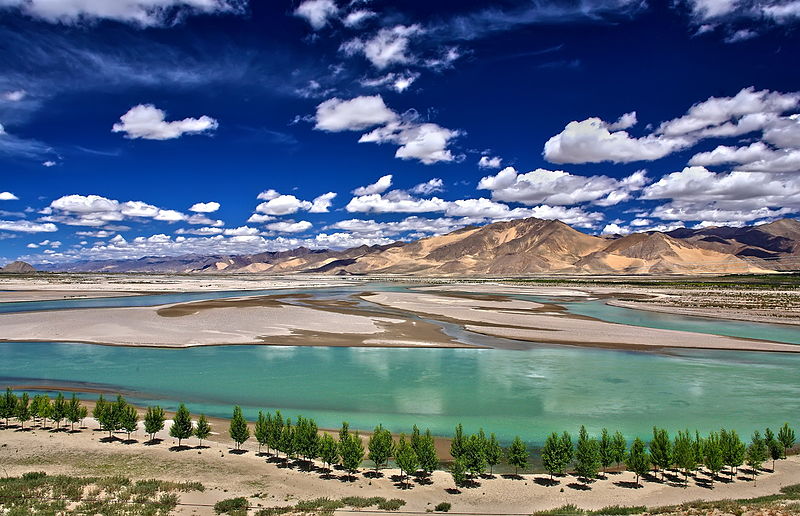
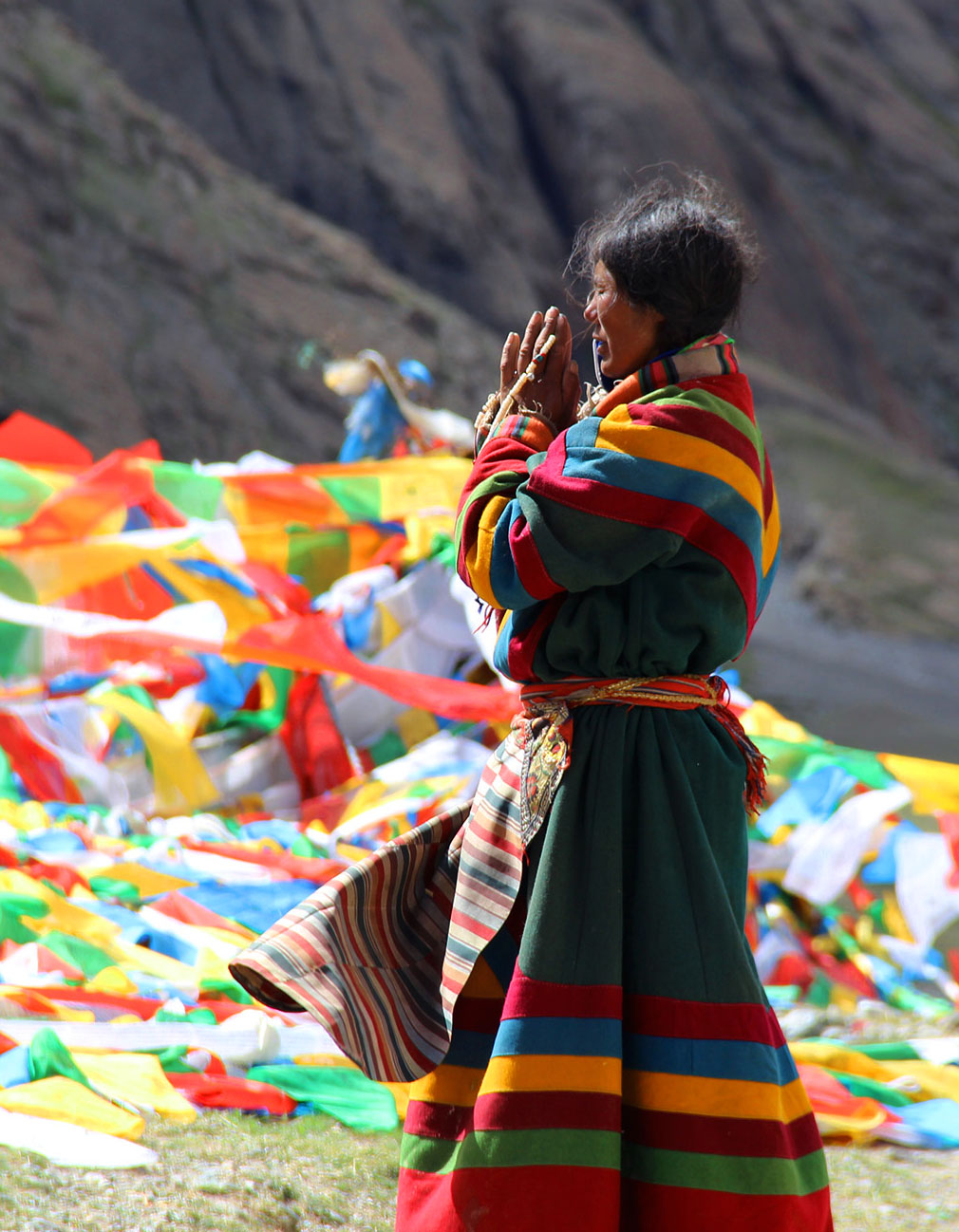
Experience an exclusive adventure to Tibet, being immersed in an ancient culture of the beautiful mountain; embark on this spiritual, adventurous, and immersive path!
Ancient Tibetan yoga practices are slowly being introduced to the outside world. Tibetan spiritual masters have carried their knowledge and traditions to the outside world, capturing the imaginations of mystics, seekers, and scholars everywhere. The knowledge about Tibetan spiritual arts and beliefs, has begun to articulate the meditation which helps to generate energy from within and help to attain a composed and powerful state of mind and spirit.
Overview
In today’s modern world, we deal with a lot of stress related problems. Yoga is believed to calm the nervous system and balance the body, mind, and spirit. Yoga dates back to over 5,000 years and is a form of a spiritual practice in India and Nepal. In recent years, benefits of Himalayan Yoga Treks on the human body has been approved by modern medical science and has been used for treating various health related problems- to lower blood pressure, reduce stress, improve coordination, flexibility, concentration, sleep, and digestion, to name a few.
What makes this trip special
- Travel in one of the least explored countries in the world
- Practice Yoga in the serene mystical landscape
- The roof of the world: High barren plateaus
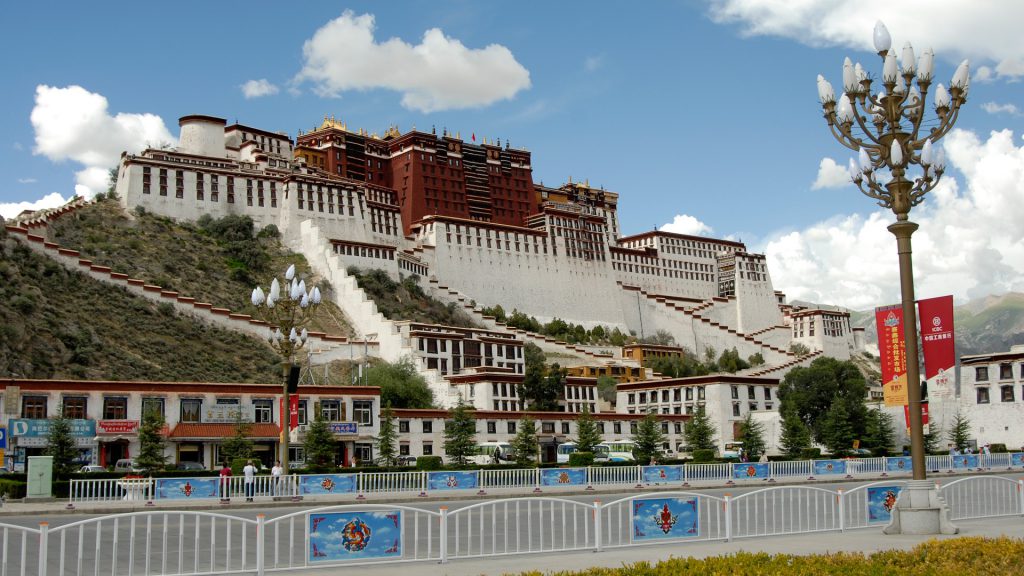
- Home of Dalai Lama
- Some of the most beautiful monasteries in the world
- Sightseeing in and around the fabled city of Lhasa
- Yoga Sessions to rejuvenate and cleanse the body.
- Meditation sessions to calm the mind and improve focus.
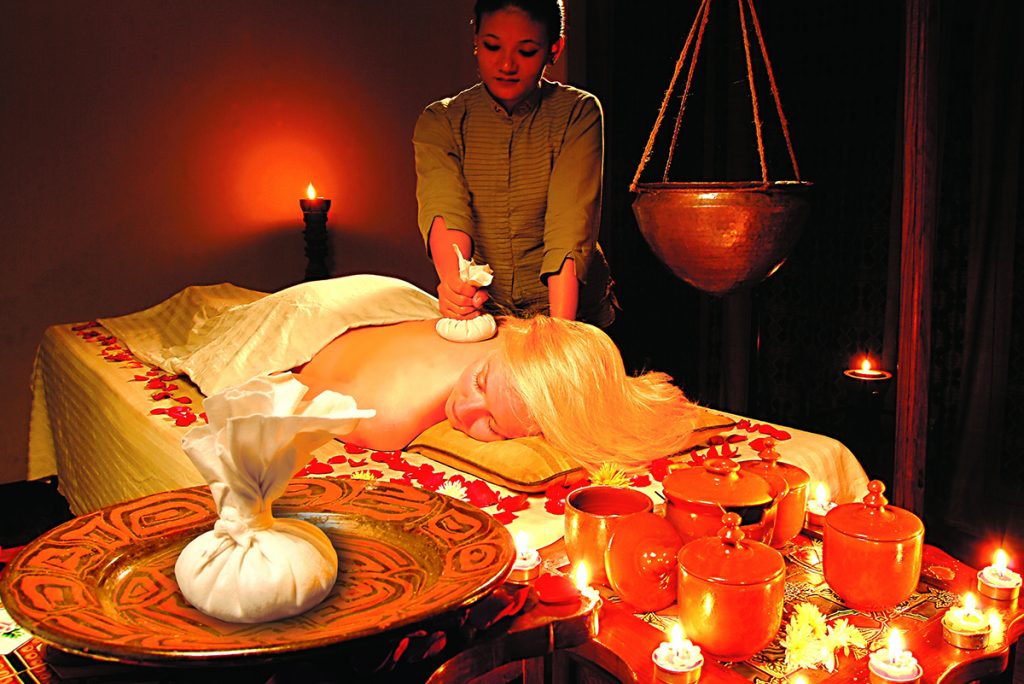
- Spa treatments to rejuvenate the body and remove toxins.
Itinerary
Map
Tibet:
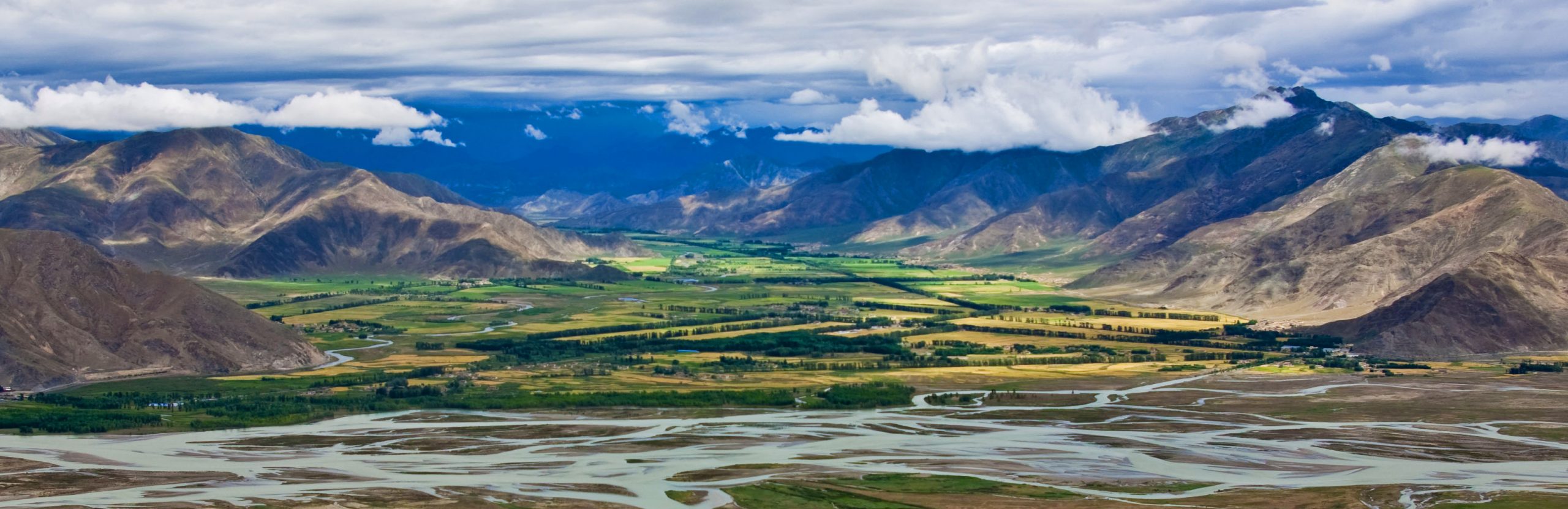
Tibet, known as the roof of the world, has for centuries evoked images of the mystic Shangri La. With majestic mountains, high plateau, beautiful Buddhist monasteries and extraordinary people, Tibet is one of the world’s great travel experiences.
Tibet’s past grandeur and mystery still remain undiminished. One can still see today nomads herding their yaks, pilgrims worshiping at sacred shrines, as well as the expansive and awe-inspiring Himalayan topography. Five of Asia’s great rivers including the Indus, Mekong and Brahmaputra have their headwaters in Tibet, nearly half the world’s population lives downstream from Tibet.
When China launched its new “open-door-policy” in the early 1980’s, tourism of the Tibet Autonomous Region saw a rapid development in tourism. Over the last 34 years, Tibet has attracted thousands of visitors, mountaineers, and explorers from around the world and much improvement has taken place with the infrastructure.
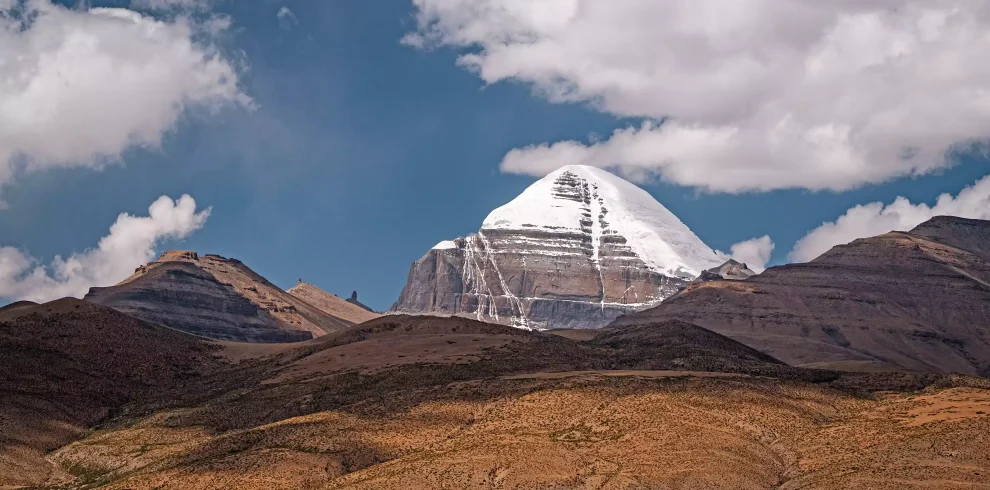
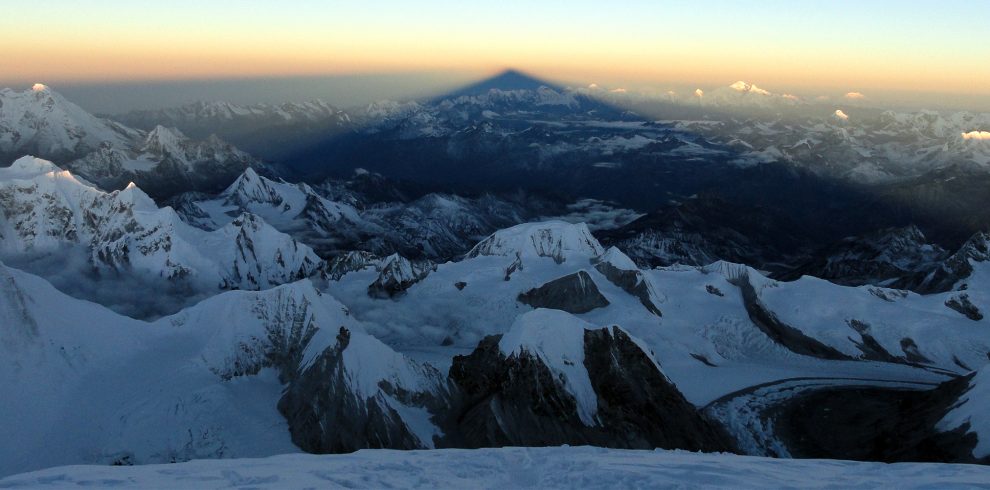
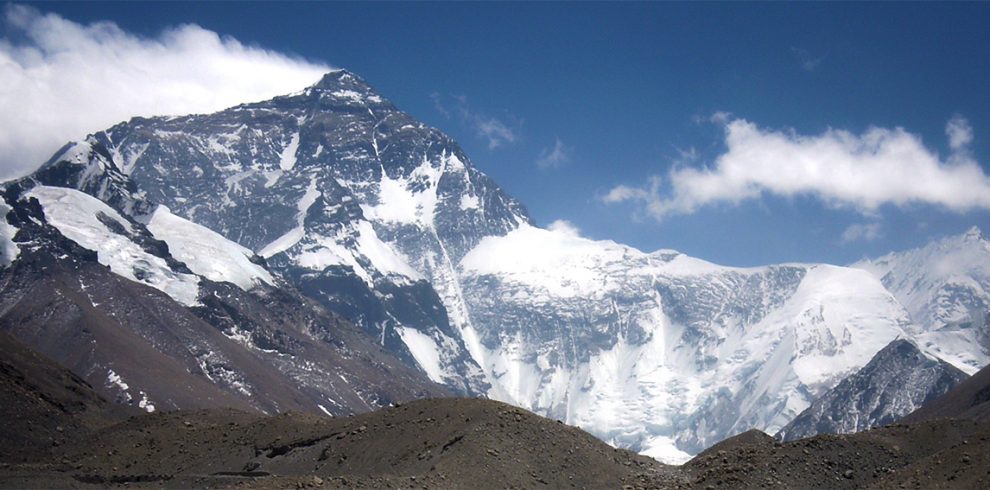
Tibet is truly an adventurer’s paradise! It has been a source of inspiration for sages and ordinary people of all time. Tibet enjoys rich travel resources, including Mt. Qomolangma (Mt. Everest) the highest peak in the world on the Sino- Nepalese border, the winding Yarlong Tsangpo River with the Brahmaputra Great Gorge, and the Holy Mt. Kailash and Mansarovar lakes, as well as ancient ruins, palaces and monasteries, folkloric activities and religious ceremonies.
Tibet at a glance:
Population: 3.03 million (2011)
Area: 1,228,400 km²
Capital city: Lhasa
Highest elevation: 8848 m (Mt. Everest) shared with Nepal.
Average elevation: 4300 m
Tibet Yoga Retreat
For centuries, Tibet has evoked images of a lost Shangri La! It’s stunning Himalayan views, high plateau, beautiful Buddhist monasteries and extraordinary people combine to make Tibet one of the world’s great travel experiences. Combining this with Yoga makes this trip an experience of a life time- a complete replenishing experience of the body and mind!
In today’s modern world we are often caught in the compulsions of a stress-inducing lifestyle, resulting in the existence or the lack of certain physical and mental conditions or diseases. It very often takes a breakdown in our physical and emotional health to make us seek intervention.
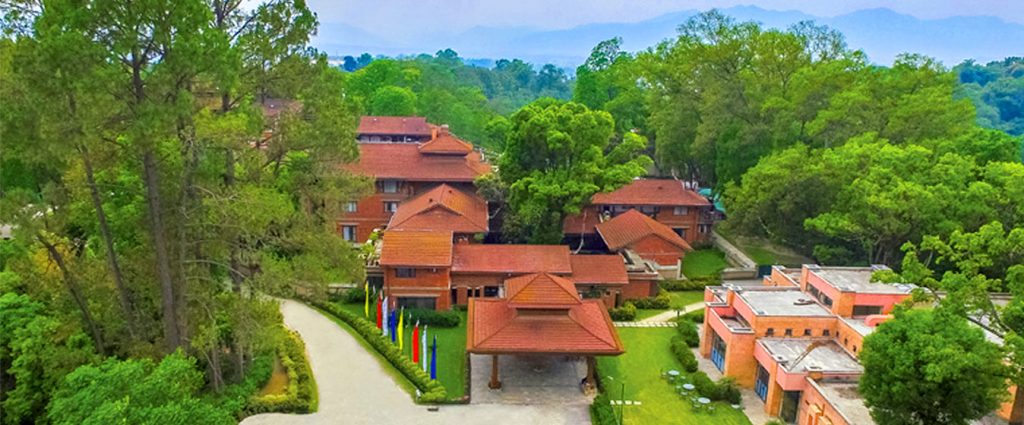
This trip is designed to offer an escape from the day to day compulsions and indulge in a tranquil haven to pamper, nourish, detoxify and recharge oneself with the goodness of Yoga, while you embark on a mystical and spiritual journey through the Lost Shangril- Tibet!
High Altitude
Tibet also known as the roof of the world has an average altitude of 4000m. Even when we land in Lhasa, we are already above 3600m. Hi On Life’s itinerary has been carefully designed to minimize the effects of altitude. We ascend slowly and surely allowing enough time for safe acclimatization. Headaches and breathlessness are common at altitude which in itself is nothing to worry about. In rare cases, this may worsen to Acute Mountain sickness (AMS), so a close watch is kept on all trekkers by the group leader who is trained to recognize the symptoms of AMS which are severe headaches, nausea, lethargy, loss of appetite serious breathlessness even at rest. If any trekkers show such signs they will be descended to relatively lower and safer altitude. The Group Leader’s decision on evacuating such person to a safe altitude is final. However, on this trip, AMS is extremely rare.Do not medicate yourself without first informing your group leader.Going to altitude slowly with adequate rest and adequate intake of fluid (3 to 4 litres per day), you will most likely have no problems apart from breathlessness on hills which is completely normal as the percentage of Oxygen in the air is relatively lower to that at sea level.The most important thing is not to worry about altitude because our team is there to take care of you.
Staff
Tour Guide: Our Tour Guides are highly trained in all aspects of the trek/ tour, conservation, first aid specializing on altitude sickness, emergency procedures and have extensive knowledge of the natural history of the area.
Yoga Instructors- You can read about our Yoga Instructors here
Weather
June till September
In Kathmandu- Daytime temperature are around 30 C and evening temperatures are pleasant 18 to 20C.
In Tibet- Daytime temperature are around 25 C and evening temperatures are pleasant 12C to 15C.
Please note: this is just general information and it could vary marginally.
Healthy and trouble free holiday
There are no compulsory vaccinations required for entering Nepal and Tibet. However please consult a doctor for vaccination against Typhoid, Meningitis, polio, and hepatitis. If you have special dietary requirements or allergies, please through your agent, give us a list of what you can and can’t eat so that we can provide proper food for you.If you are undergoing a course of prescription medicine, please ensure that you have sufficient supplies for the entire holiday. Some types of drugs including antimalarial have side effects at high altitude; therefore please consult your doctors regarding these drugs. The places you trek are mosquito free and there has been no report on malaria in Kathmandu for the past couple of decades.
Insure yourself
We highly recommend you to take a comprehensive Personal Travel Insurance before leaving home. This should cover for your loss of baggage, airline delays, sickness, and accidents.
Recommendations for things you should bring:
- Water bottle (1 bottles, min 1 litre each, should be able to hold hot water)
- Day pack small size 25-30 litres
- Sunglasses
- Stuff bags smaller (plastic) bags to organize you duffle bag
- Money belt
- Toiletries we provide toilet papers
- Towel
- Torch- preferably head lamp
- Penknife
- Disposable lighter
- Sewing kit
- Medical kit as per your prescriptions. It should be noted that the group leader will be carrying a first aid kit.
Optional
- Walking sticks!
- Cameras
- Knee guard for those with bad knees.
Clothing
- Trousers- 1 lightweight for easy walking and 1 lightweight for evening
- Yoga pants- 2 to 3 pairs of Yoga trousers (tights or loose cotton)
- Short- 1 pair not too high cut revealing ones
- T-shirts-At least 3 or 4 suitable for both sightseeing tours and yoga
- Slong sleeve T-shirt-2 to 3 prefereably woolen medium weight
- Hats Sunhat and woolen ones for colder days
- Gloves- Light weight Woollen
- Sock- At least 4 pairs (light weight woolen ones with liners)
- Jackets- 1 fleece/ Primaloft and 1 Gore-Tex wind/waterproof.
- Shoes- Lightweight hiking shoes, preferably waterproof, Shoes Gym shoes, and sandals to use in the evenings
- Buff & scarf- Good to cover your mouth and face from wind and dust.
Money Matters
The ideal currency to bring with you is US$ or Euro in cash. There are ATM machines in Kathmandu and Tibet. You can draw money from ATM as per your bank limitIn Kathmandu and Tibet: Each meal will cost around 6 to 8 US$ plus 10 to 20 US $ for your taxis if you wish to go around the city
Please Note: all meals are included in the trip.
Tipping
Although tipping is entirely optional and personal matter the following is recommended as a guideline
In Kathmandu: for bellboys, waiters and porters 50 to 100 Nepali Rupees
For Tour Leader: 50 to 60 USD per person
Some Do’s and Don’ts
Nepalese people treat visitors as special guests. Although they will never rebuke you publicly for unknowingly offending them, we must consider their culture.
While in Nepal please observe the following:
- Full or partial nudity is not accepted.
- Over display of affection between men and women, especially in temples and monasteries are discouraged.
- Please remove your shoes before entering monasteries and temples.
- Never point the soles of your feet at a person or shrine.
- Many Hindu temples are closed to non-Hindus.
- Please ask before entering.
- Locals walk around the Mani walls and Stupas in a clockwise direction as a respect and they expect you to do the same although it is not compulsory.
While in Tibet please observe the following:
- Carry your Passport and Tibet Permit all the time
- Drink More Water and put on Sunscreen
- When visiting a temple, follow the pilgrims and circle the temple clockwise.
- Do not wear hat or sunglass when visiting Monasteries
- Do not wear revealing clothing, for example short pants or clothes that show your arms.
- Never touch the head of a Tibetan, the head is considered a sacred part of the body.
- Never touch, sit or walk over any religious items such as prayer flags or texts.
- Do not step on the threshold of Tibetan homes
- Do not take pics of government buildings
- Never talk about political Topics
“TODAY IS YOUR DAY! YOUR MOUNTAIN IS WAITING, SO… GET ON YOUR WAY!”
DR. SEUSS