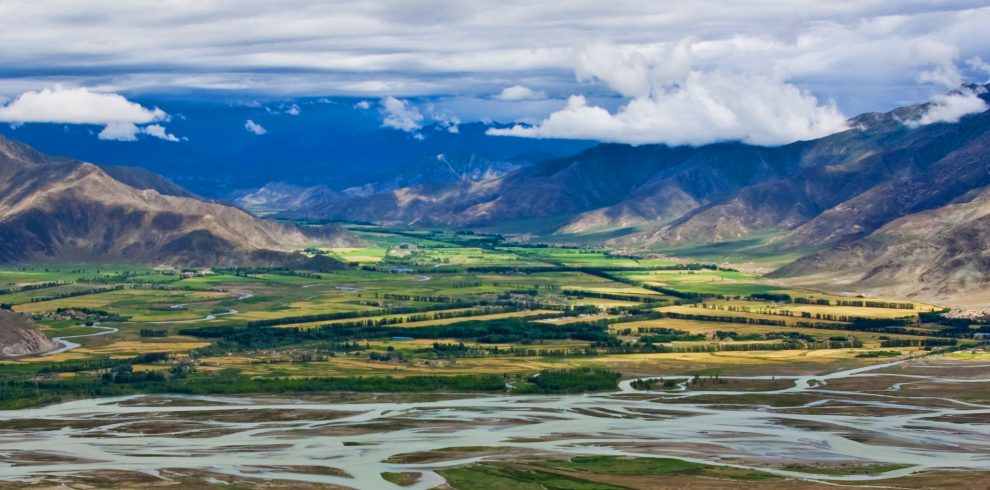
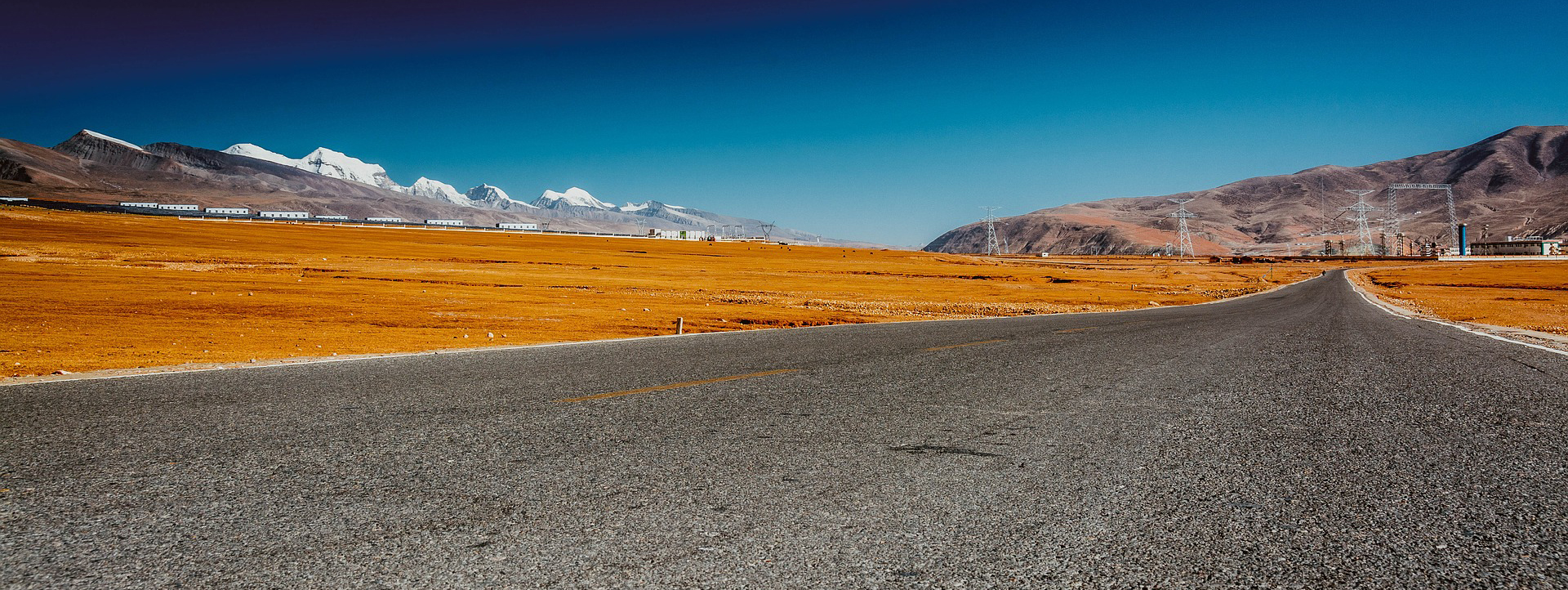
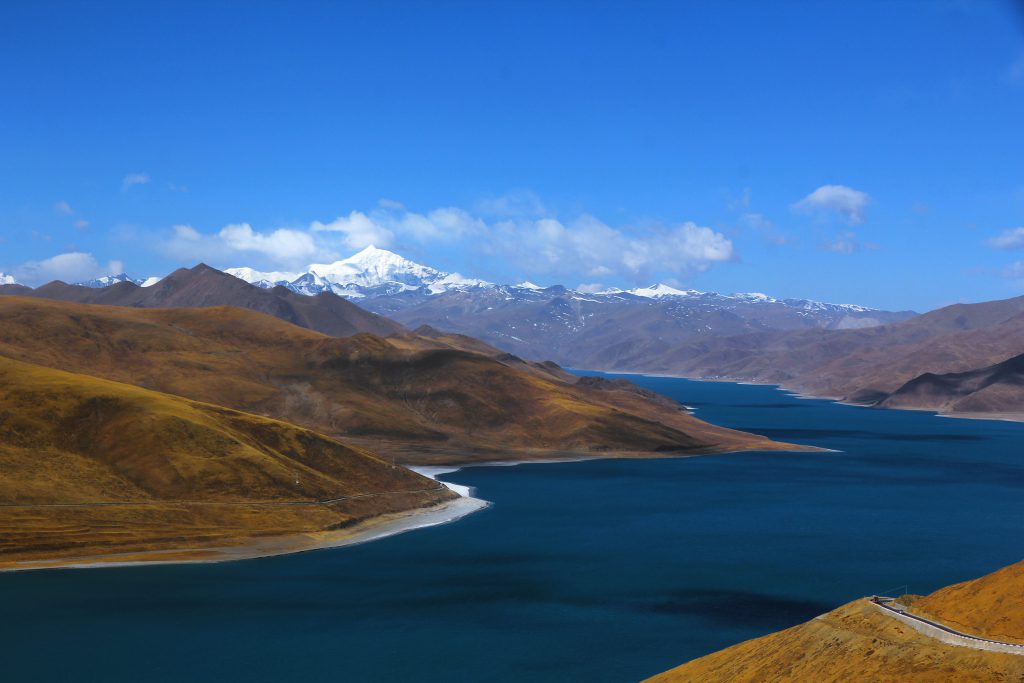
Tibet is the highest region in the world, at an average elevation of 4,300 m. Blocked by vast mountain ranges in the North, South and west, it is one of the world’s least populated areas. Tibet Autonomous Region, the mystic Shangri-la, the forbidden kingdom on the Roof of the world, has captured imagination for centuries. Great explorers and adventurers of the century have ventured into this holy land rendered inaccessible by the hostile natural conditions and bandits that waylaid them across through the Himalayas.
Overview
Tibet’s past grandeur, majesty, magic and mystery still remain undiminished. One can still see today nomads herding their yaks, pilgrims worshiping at sacred shrines, as well as the expansive, striking and enduring Himalayan topography.
When China launched its new “open-door-policy” in the early 1980’s, tourism of the Tibet Autonomous Region has seen a rapid development in tourism. Over the last 34 years, Tibet has attracted thousands of visitors, mountaineers, and explorers from over 60 countries and regions. The accommodation and transportation facilities for tourism have been greatly upgraded.
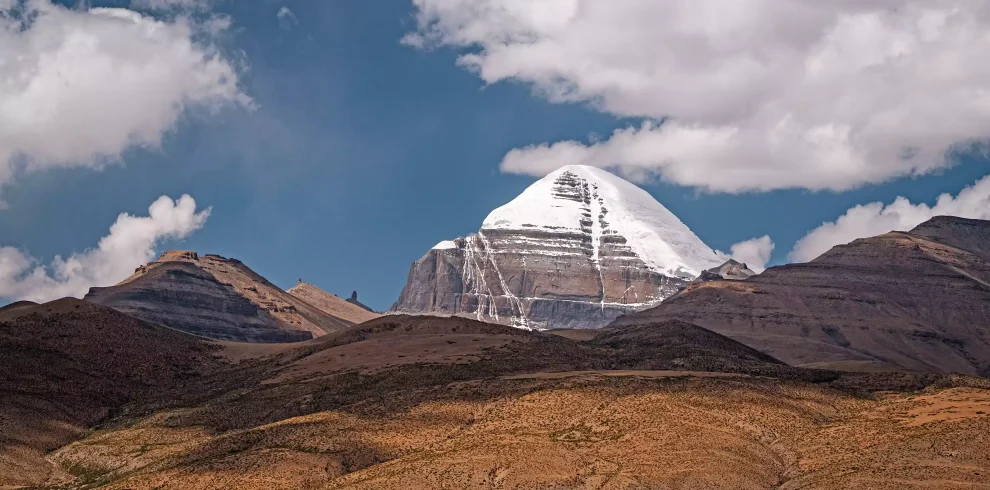
Tibet is truly an adventurer’s paradise! It has been a source of inspiration for sages and ordinary people of all time. Tibet enjoys rich travel resources, including Mt. Qomolangma (Mt. Everest) the highest peak in the world on the Sino- Nepalese border, the winding Yarlong Tsangpo River with the Brahmaputra Great Gorge, and the Holy Mt. Kailash and Mansarovar lakes, as well as ancient ruins, palaces and monasteries, folkloric activities and religious ceremonies.
Highlights
- Trans Himalayan flight from Kathmandu to Lhasa giving you an aerial view of Mt. Everest.
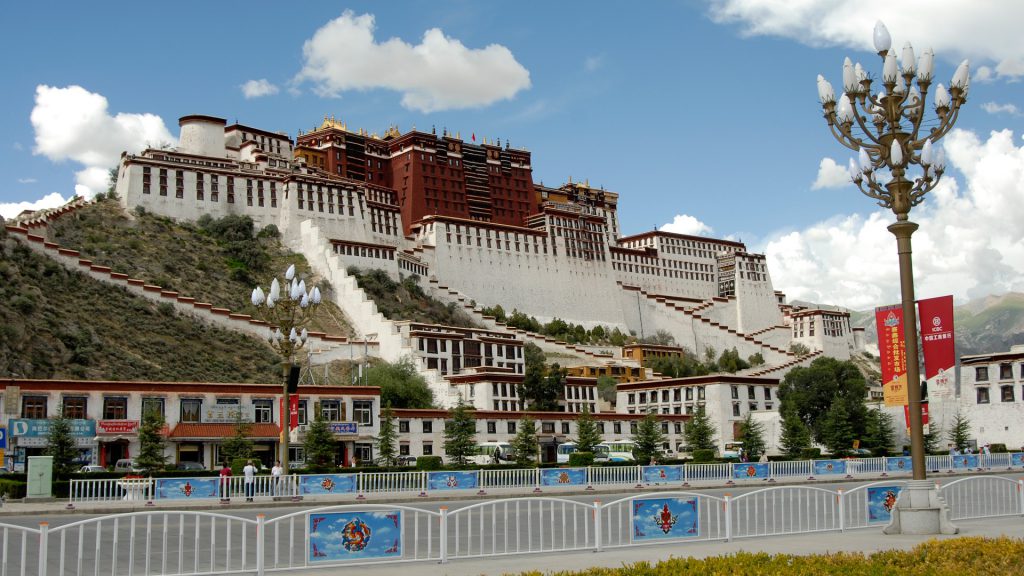
- Potala Palace towering over the entire Lhasa valley
- Sightseeing of Lhasa
- Drepung Monastery- the largest monastic university in Tibet
- Tashilhumpo monastery- the seat of Panchen Lama
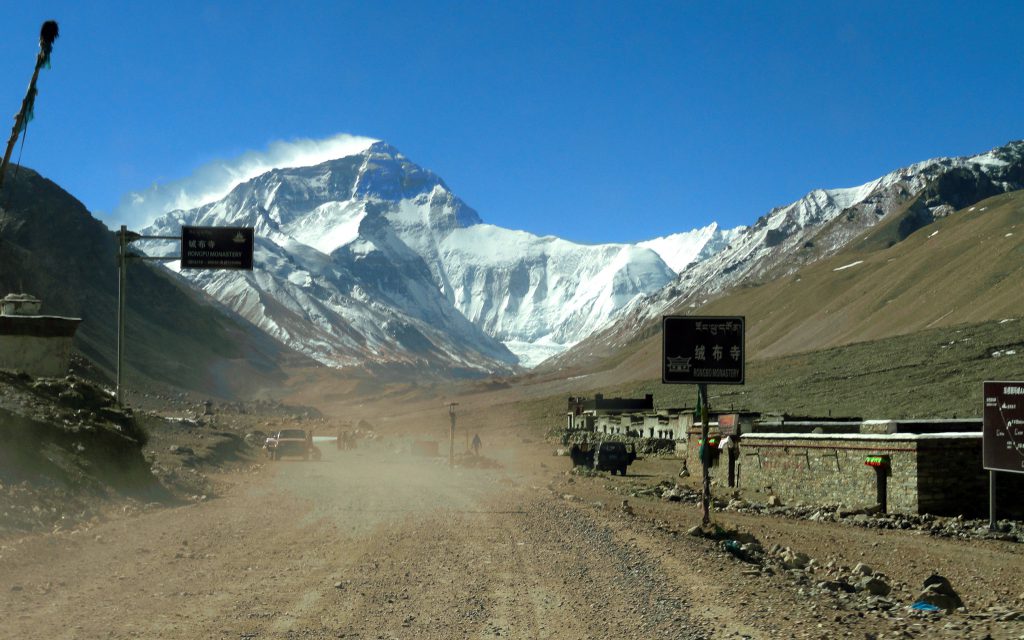
- Everest Base Camp from the North side
Itinerary
Cost Includes
- All internal transportation, in private vehicle, both in Nepal and Tibet.
- Welcome dinner.
- Use of a personal duffle bag.
- Services of English or/and Swedish speaking tour leader (8 pax and above)
- Services of English speaking Tibetan guide.
- 4 nights in tourist class hotel on twin share bed and breakfast basis while in Kathmandu.
- All accommodation in tourist class hotel on twin share bed and breakfast basis while in Tibet.
- International return flight Kathmandu/ Lhasa/ Kathmandu
- All necessary Tibet travel permits
- Chinese visa fee
- Everest National Park admission fee
- All fees for sightseeing and visits to monasteries as outlined in the itinerary
- All applicable taxes and service charges
Cost Excludes
- Nepalese Visa costs
- Personal accident and rescue insurance. You must provide your own rescue insurance
- Mineral water, beer, soft drinks and extra tea/coffee outside of normal meal times.
- Private room accommodation unless a single supplement is paid.
- Optional tips to guides and driver.
- Meals other than breakfast in Tibet
- Tips for guides and driver
Map
Tibet at a glance:
Population: 3.03 million (2011)
Area: 1,228,400 km²
Capital city: Lhasa
Highest elevation: 8848 m (Mt. Everest) shared with Nepal.
Average elevation: 4300 m
This Epic journey into a centuries- old culture, high mountain passes, ancient monasteries and fortresses from a bygone era, gives you an unforgettable experience.
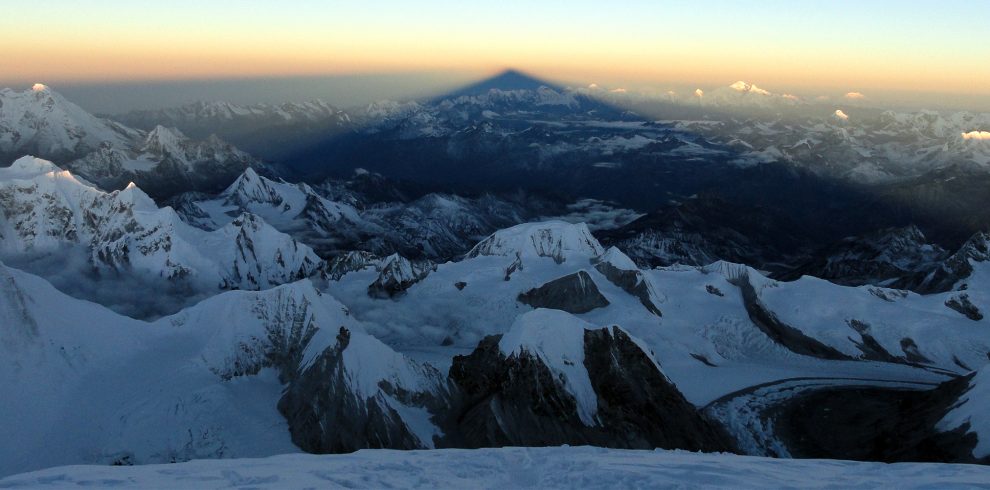
The breath-taking trans- Himalayan flight from Kathmandu to Lhasa offer truly spectacular views of the Himalaya, gives you an opportunity to have an aerial view of Mt. Everest and other towering peaks (weather permitting).
The North face of Mt. Everest dominating the skyline as seen from Everest Base Camp is truly awe-inspiring.
High Altitude
Tibet also known as the roof of the world has an average altitude of 4000m. Even when we land in Lhasa, we are already above 3600m. Hi On Life’s itinerary has been carefully designed to minimize the effects of altitude. We ascend slowly and surely allowing enough time for safe acclimatization. Headaches and breathlessness are common at altitude which in itself is nothing to worry about. In rare cases, this may worsen to Acute Mountain sickness (AMS), so a close watch is kept on all trekkers by the group leader who is trained to recognize the symptoms of AMS which are severe headaches, nausea, lethargy, loss of appetite serious breathlessness even at rest. If any trekkers show such signs they will be descended to relatively lower and safer altitude. The Group Leader’s decision on evacuating such person to a safe altitude is final. However, on this trip, AMS is extremely rare.Do not medicate yourself without first informing your group leader.Going to altitude slowly with adequate rest and adequate intake of fluid (3 to 4 litres per day), you will most likely have no problems apart from breathlessness on hills which is completely normal as the percentage of Oxygen in the air is relatively lower to that at sea level.The most important thing is not to worry about altitude because our team is there to take care of you.
Staff
Tour Guide: Our Tour Guides are highly trained in all aspects of the trek/ tour, conservation, first aid specializing on altitude sickness, emergency procedures and have extensive knowledge of the natural history of the area.
Weather
June till September
In Kathmandu- Daytime temperature are around 30 C and evening temperatures are pleasant 18 to 20C.
In Tibet- Daytime temperature are around 25 C and evening temperatures are pleasant 12C to 15C.
Please note: this is just general information and it could vary marginally.
Healthy and trouble free holiday
There are no compulsory vaccinations required for entering Nepal and Tibet. However please consult a doctor for vaccination against Typhoid, Meningitis, polio, and hepatitis. If you have special dietary requirements or allergies, please through your agent, give us a list of what you can and can’t eat so that we can provide proper food for you.If you are undergoing a course of prescription medicine, please ensure that you have sufficient supplies for the entire holiday. Some types of drugs including antimalarial have side effects at high altitude; therefore please consult your doctors regarding these drugs. The places you trek are mosquito free and there has been no report on malaria in Kathmandu for the past couple of decades.
Insure yourself
We highly recommend you to take a comprehensive Personal Travel Insurance before leaving home. This should cover for your loss of baggage, airline delays, sickness, and accidents.
Recommendations for things you should bring:
- Water bottle (1 bottles, min 1 litre each, should be able to hold hot water)
- Day pack small size 25-30 litres
- Sunglasses
- Stuff bags smaller (plastic) bags to organize you duffle bag
- Money belt
- Toiletries we provide toilet papers
- Towel
- Torch- preferably head lamp
- Penknife
- Disposable lighter
- Sewing kit
- Medical kit as per your prescriptions. It should be noted that the group leader will be carrying a first aid kit.
Optional
- Cameras
- Knee guard for those with bad knees.
Clothing
- Trousers- 2 lightweight for easy walking and 1 lightweight for evening
- Short- 1 pair not too high cut revealing ones
- T-shirts-At least 3 or 4 suitable for both sightseeing tours and yoga
- Slong sleeve T-shirt-2 to 3 prefereably woolen medium weight
- Hats Sunhat and woolen ones for colder days
- Gloves- Light weight Woollen
- Sock- At least 4 pairs (light weight woolen ones with liners)
- Jackets- 1 fleece/ Primaloft and 1 Gore-Tex wind/waterproof.
- Shoes- Lightweight hiking shoes, preferably waterproof, Shoes Gym shoes, and sandals to use in the evenings
- Buff & scarf- Good to cover your mouth and face from wind and dust.
Money Matters
The ideal currency to bring with you is US$ or Euro in cash. There are ATM machines in Kathmandu and Tibet. You can draw money from ATM as per your bank limitIn Kathmandu and Tibet: Each meal will cost around 6 to 8 US$ plus 10 to 20 US $ for your taxis if you wish to go around the city
Please Note: all meals are included in the trip.
Tipping
Although tipping is entirely optional and personal matter the following is recommended as a guideline
In Kathmandu: for bellboys, waiters and porters 50 to 100 Nepali Rupees
For Tour Leader: 50 to 60 USD per person
Some Do’s and Don’ts
Nepalese people treat visitors as special guests. Although they will never rebuke you publicly for unknowingly offending them, we must consider their culture.
While in Nepal please observe the following:
- Full or partial nudity is not accepted.
- Over display of affection between men and women, especially in temples and monasteries are discouraged.
- Please remove your shoes before entering monasteries and temples.
- Never point the soles of your feet at a person or shrine.
- Many Hindu temples are closed to non-Hindus.
- Please ask before entering.
- Locals walk around the Mani walls and Stupas in a clockwise direction as a respect and they expect you to do the same although it is not compulsory.
While in Tibet please observe the following:
- Carry your Passport and Tibet Permit all the time
- Drink More Water and put on Sunscreen
- When visiting a temple, follow the pilgrims and circle the temple clockwise.
- Do not wear hat or sunglass when visiting Monasteries
- Do not wear revealing clothing, for example short pants or clothes that show your arms.
- Never touch the head of a Tibetan, the head is considered a sacred part of the body.
- Never touch, sit or walk over any religious items such as prayer flags or texts.
- Do not step on the threshold of Tibetan homes
- Do not take pics of government buildings
- Never talk about political Topics
“TODAY IS YOUR DAY! YOUR MOUNTAIN IS WAITING, SO… GET ON YOUR WAY!”
DR. SEUSS