This trip is a perfect first “Himalayan Summit” experience. It is especially for those keen walkers who want a little more adventure than an ordinary trekking holiday, or if looking for a 6000 m climbing adventure.
After arrival to New Delhi, we fly in to the Ladakhi capital of Leh, where we spend the next 4 days acclimatizing. During these 4 days we visit monasteries around Leh and also do a day trek from Likir to Yangthang for acclimatization.
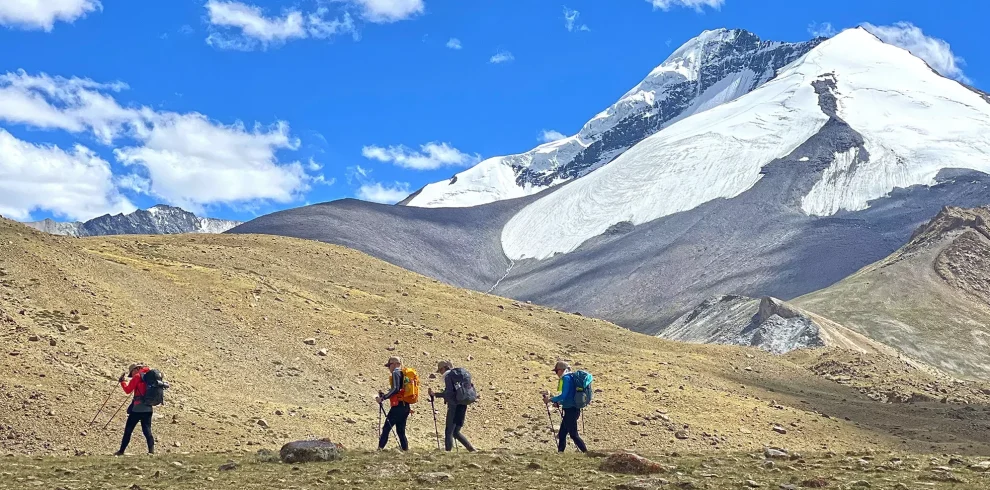
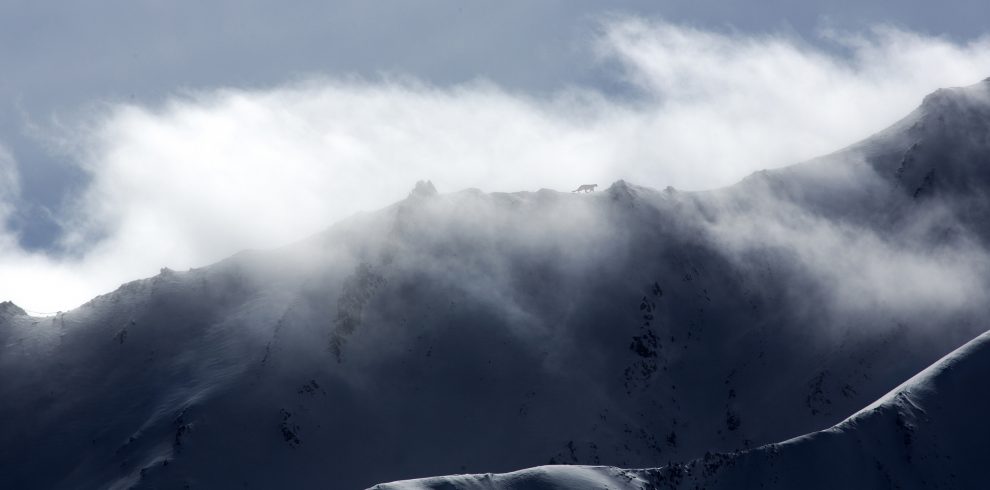
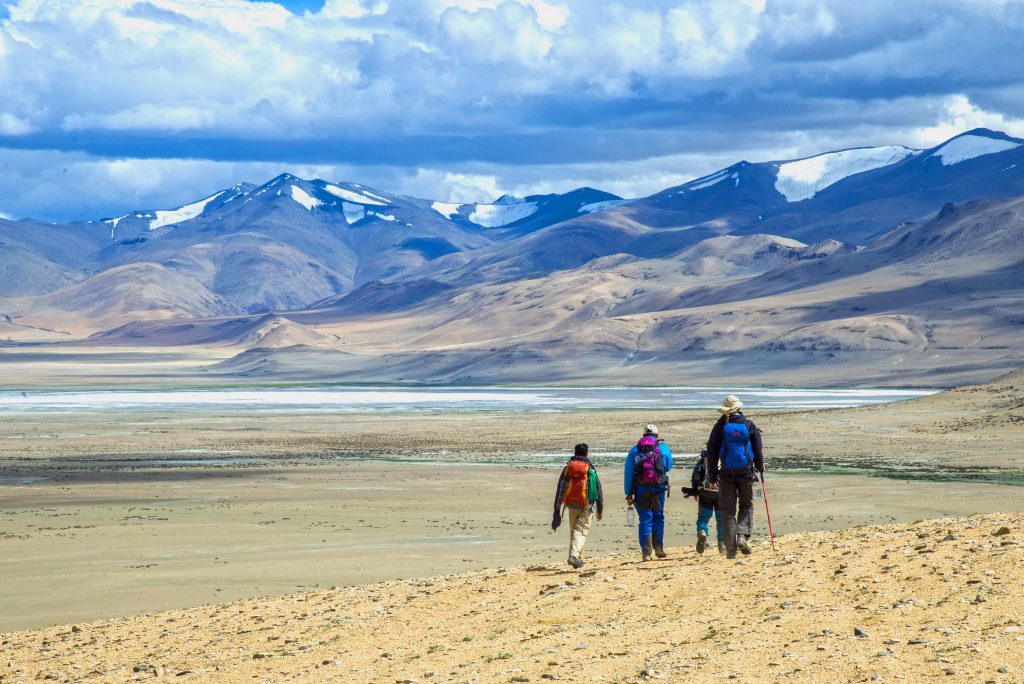
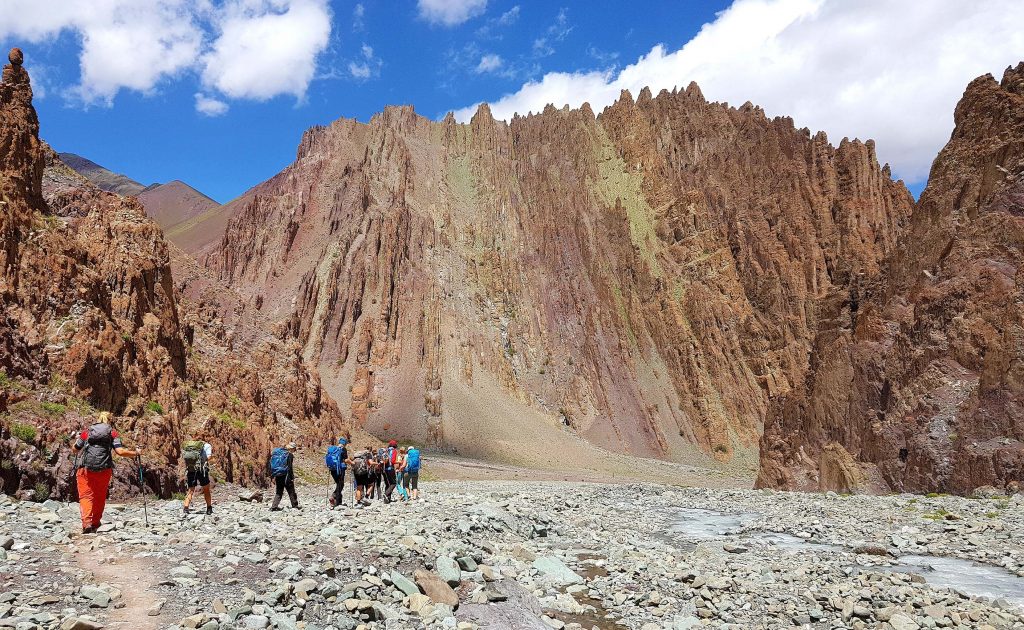
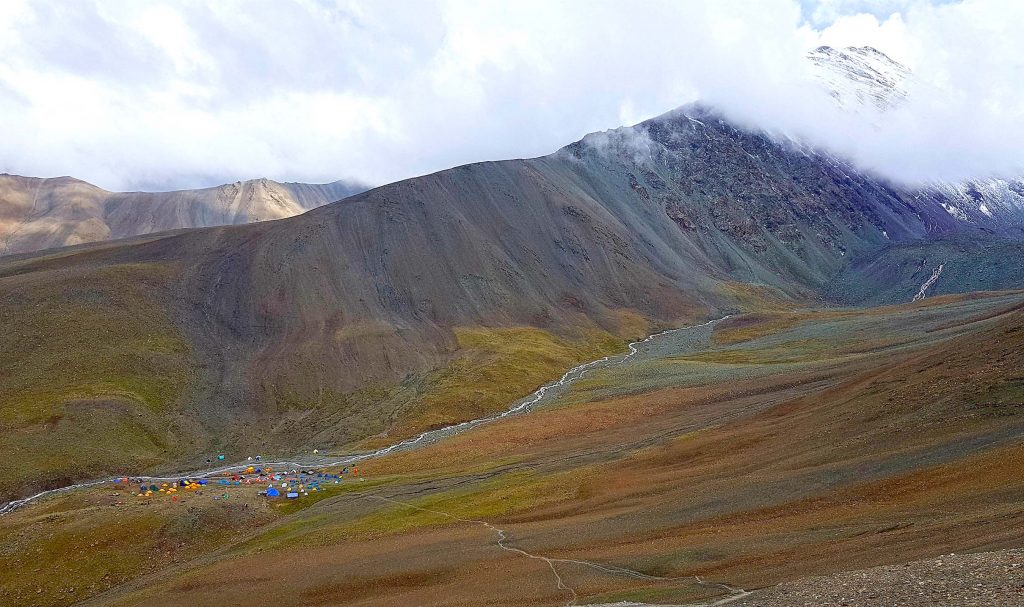
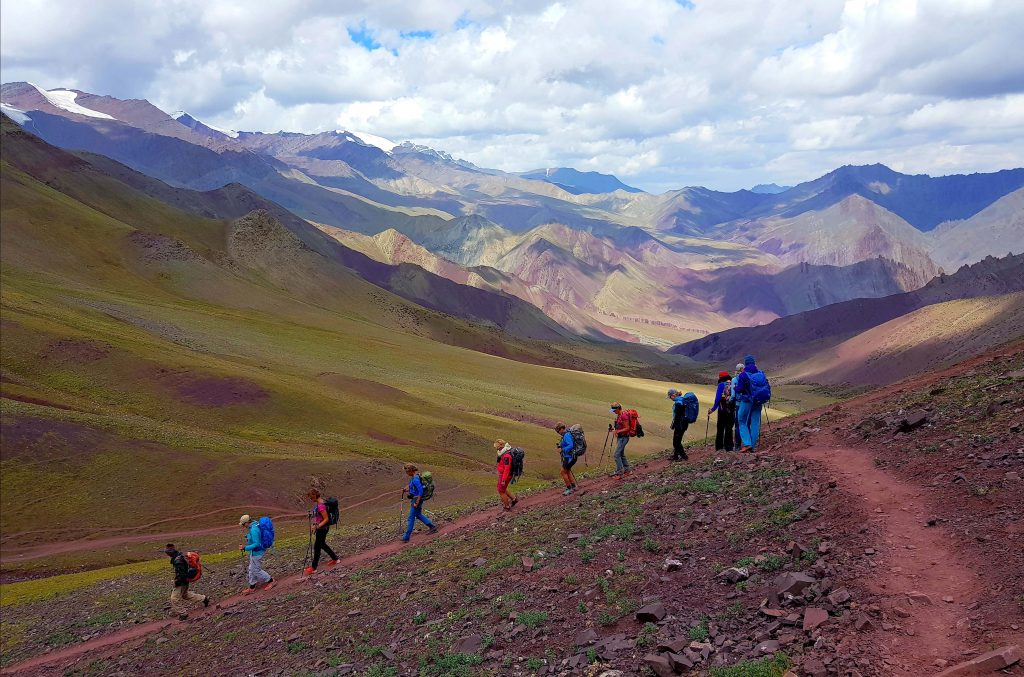
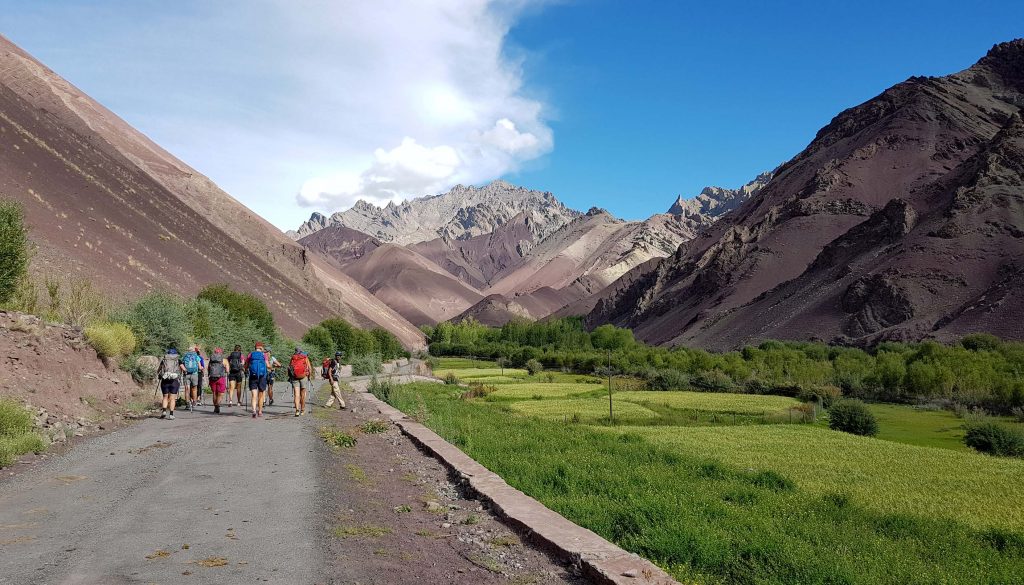
The trek from Leh to Stok Khangri Base Camp ventures into the breathtakingly beautiful Shang Valley. This journey in its own is magical and beautiful as we cross high passes and gentle meadows. For several days there are no houses or villages. We gradually gain altitude as we trek through the valley of Matho into the realm of the Snow Leopard before we reach Stok Khangri Base Camp.
Overview
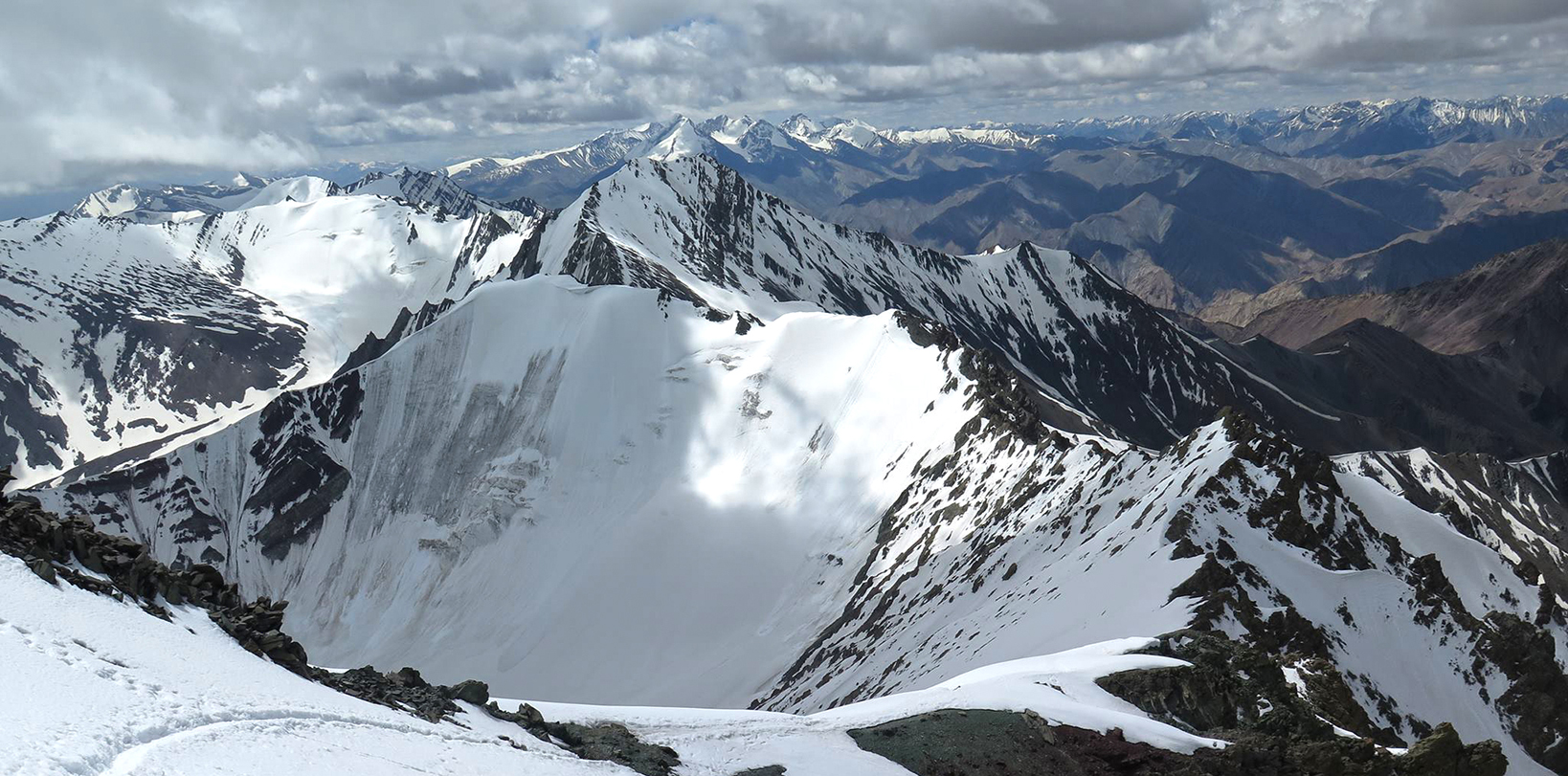
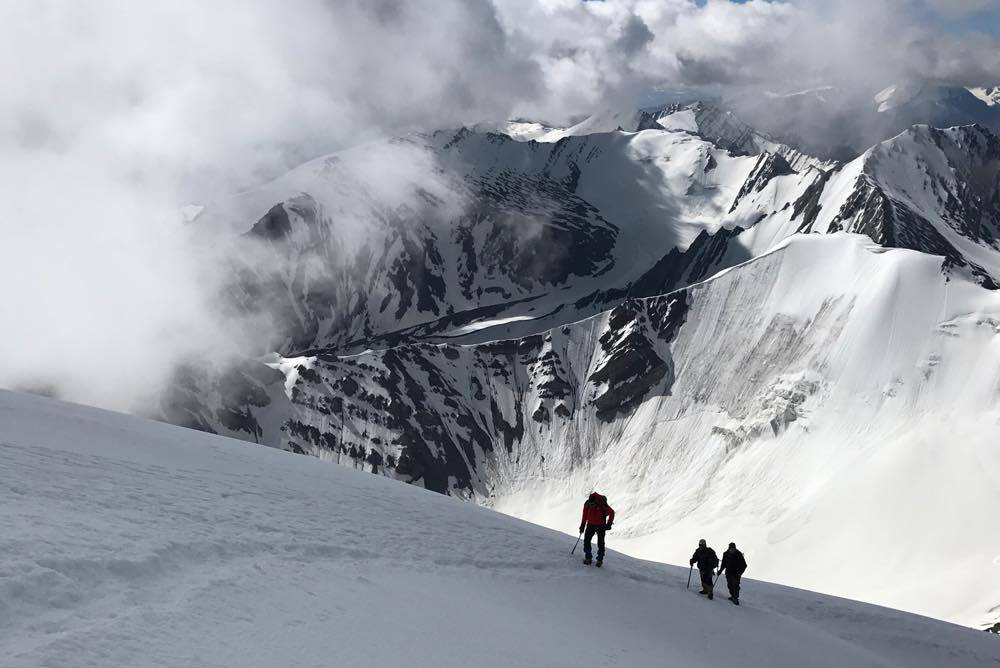
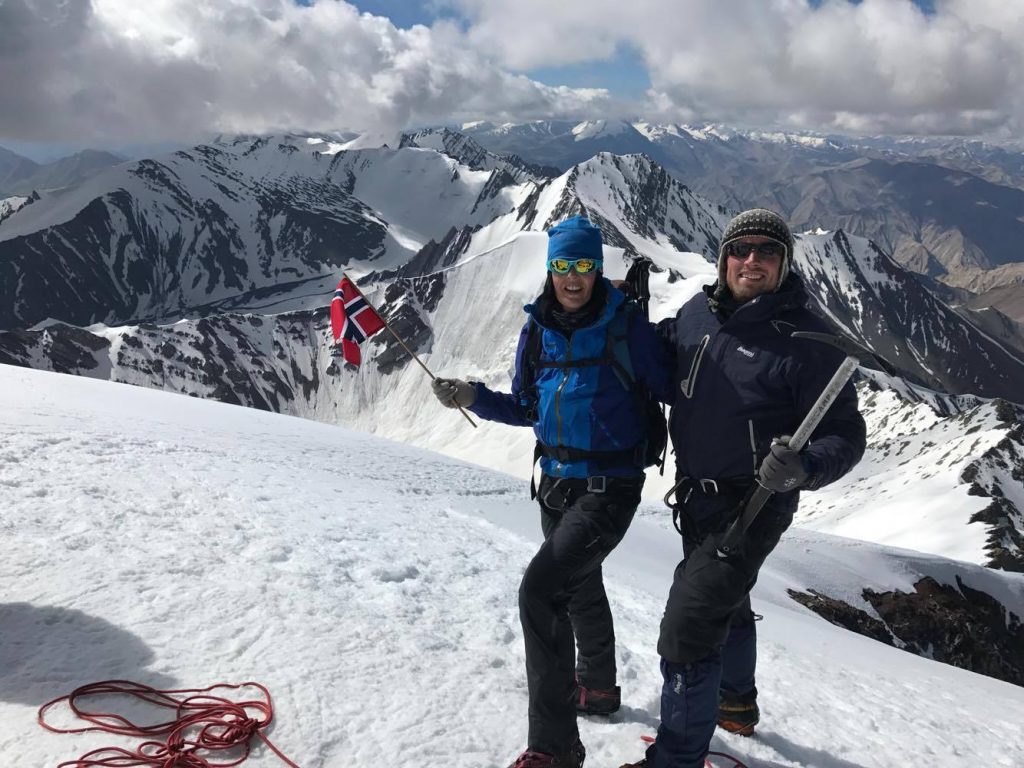
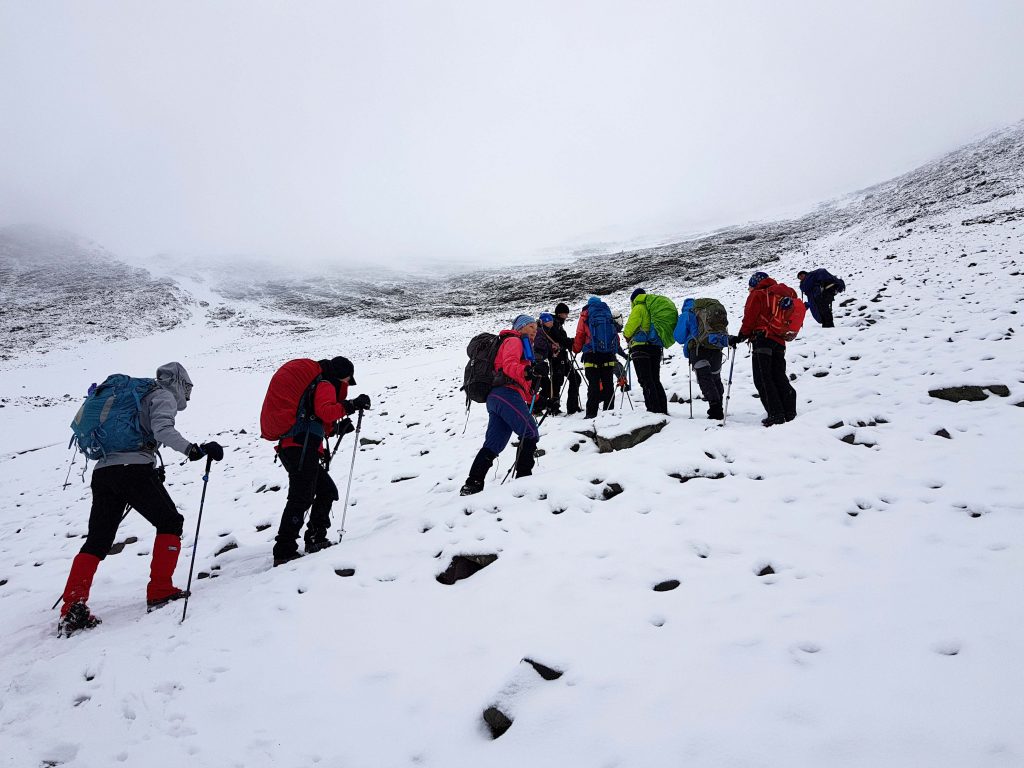
The ascent of Stok Khangri is safe from objective dangers, and is technically straightforward climb, involving around 35 degrees scree and snow slopes with a short section of ridge climbing. The summit is a beautiful dome with wide ranging views. On a clear day you can see as far as the Karakoram Range and K2, about 200 Km to the North West.
Although this is not a technically demanding climb, the altitude of over 6000 m makes it physically demanding. Previous crampon experience is preferable but not essential.
Highlights
- A superb introduction to Himalayan climb
- 6153m summit
- Experience the magical beauty of Shang valley trek
- Explore Leh
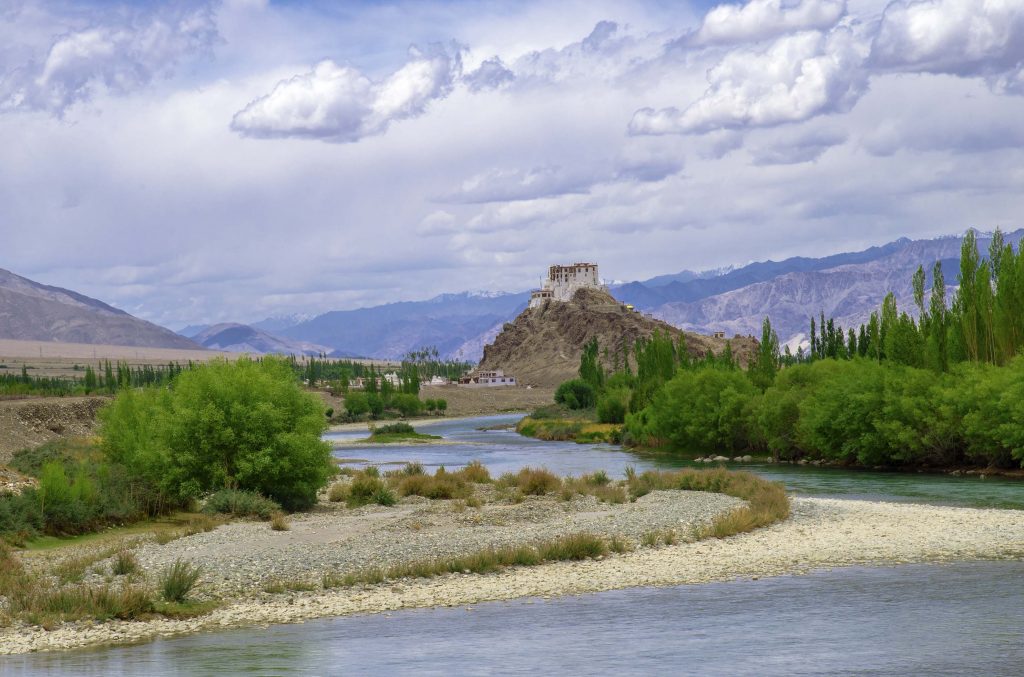
- Centuries old monasteries of Likir, Hemis and Thiksey
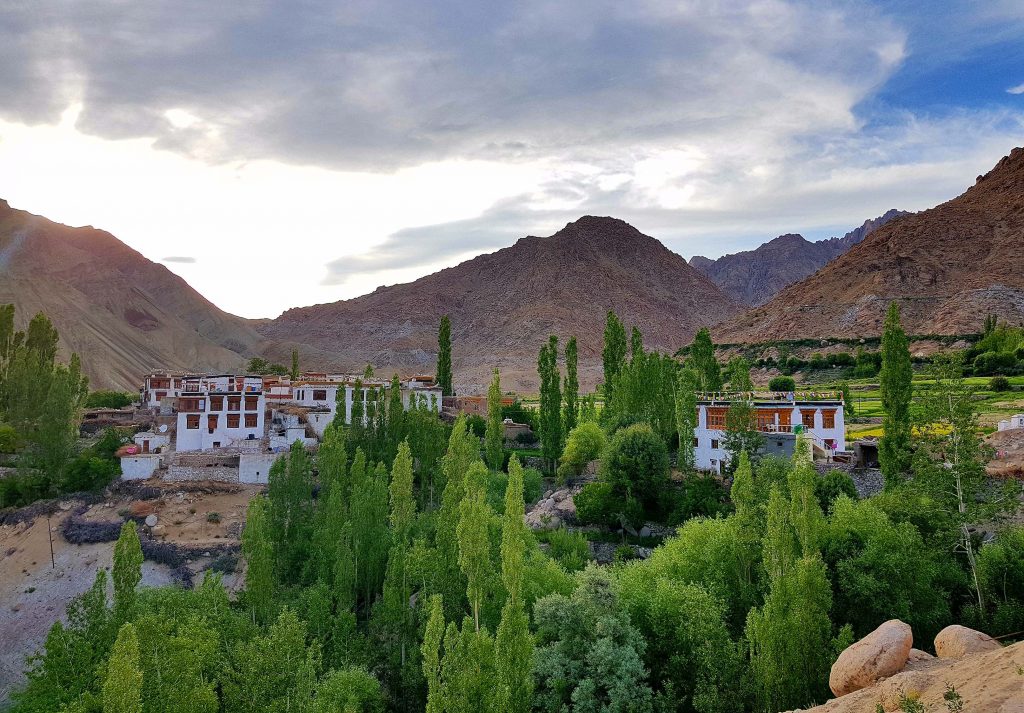
- Day hike through the beautiful villages in the Sham Valley
- Trek partly through Hemis National Park- the realm of the Snow Leopard
- Superb views of the mountain ranges including the Karakoram Range and K2 (on a clear day)
- Rickshaw ride through the narrow lanes of Spice market in Old Delhi
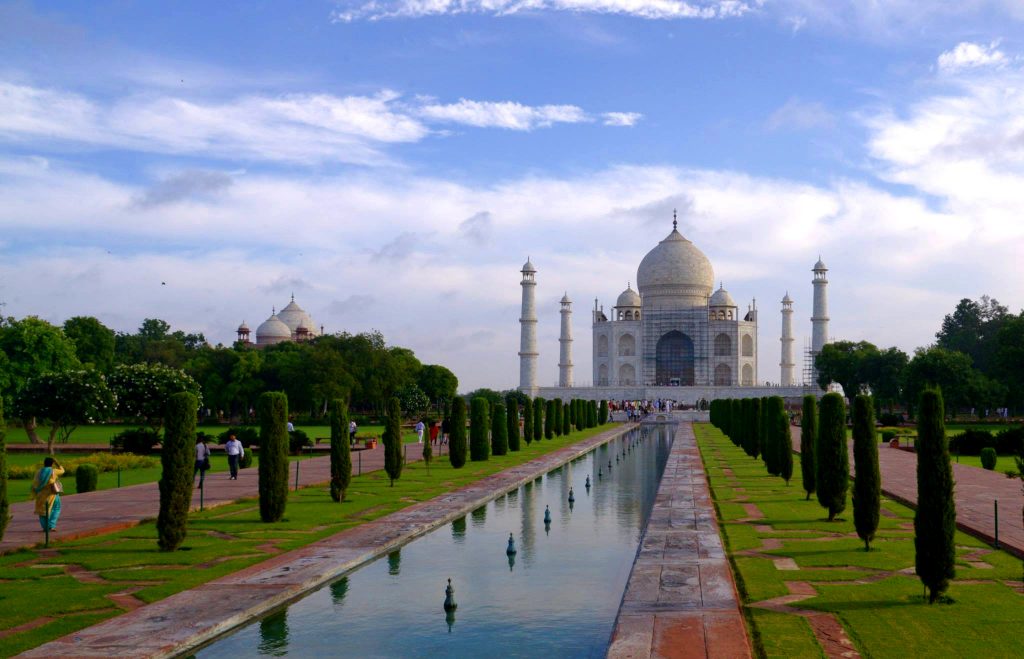
- Visit to Taj Mahal (add on)
Itinerary
Cost Includes
- Arrival/ departure and all internal transportation while in Delhi in private vehicles
- Welcome dinner at Delhi’s finest Indian restaurant
- 2 nights hotel in Delhi at 5 star hotel
- ½ day sightseeing in Delhi with rickshaw ride through the narrow lanes of the Spice Market and Bride's Market
- Round trip flight from Delhi / Leh/ Delhi
- 5 nights in Leh at tourist class hotel with all meals
- Transfers from airport/ hotel/ airport in Leh
- All Monastery fees.
- Wild life fee and Stok Khangri permit fees
- 1 English speaking guide
- 1 Experienced Climbing Sherpa from Nepal
- 1 Experienced Cook from Nepal
- Local kitchen helpers and mule herder with mules
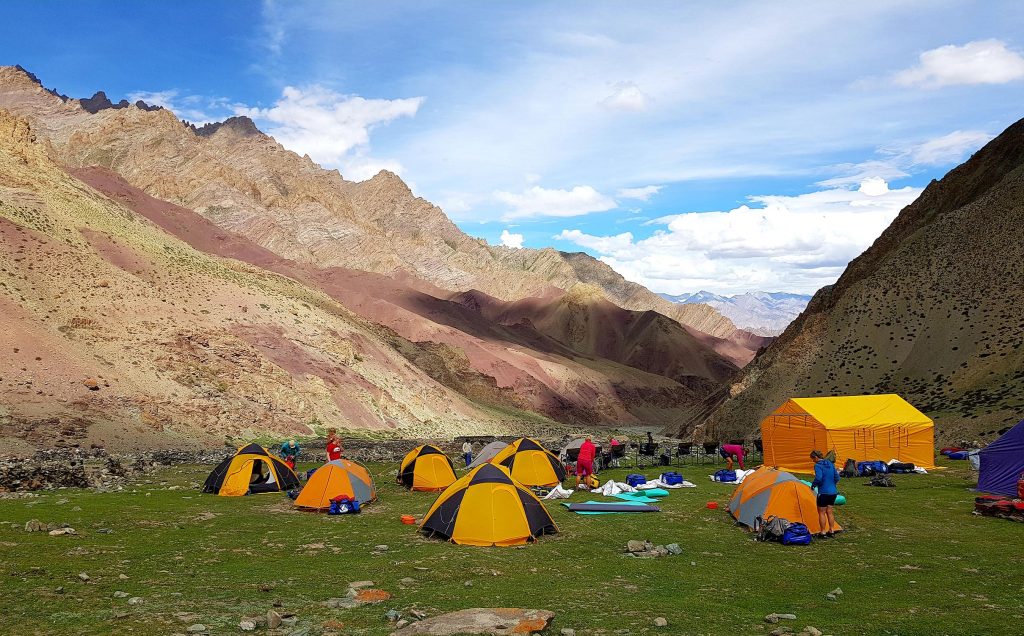
- All meals while camping with all camping facilities
- Boiled and treated water 3 times a day
- Sleeping tent/ dining tent with comfortable tables and chairs/ kitchen tent/ toilet tent and shower tent
- Combination of Ridge mat and Exped 7 W Down Mattresses for sleeping in the tent
- Complimentary Hi On Life duffle bag (65 litres) to take away
- Use of 1 sleeping bag (-20C/ -4F) with fleece inner liner for sleeping bag
- Use of Hi On Life down jacket and rain poncho
- 15 kgs personal baggage allowance per member
- Bottled oxygen with mask & Regulator for Medical Use
- All personal climbing equipment except climbing boots and crampons
- Staffs Insurance/ wages and equipment allowance
Cost Excludes
- Insurance: Travel/Accident/Medical /emergency evacuation
- Private room accommodation in Delhi and Leh unless a single supplement is paid.
- Staff tipping
- Indian Visa
- Telephone, laundry, mineral water, soft drinks and alcoholic beverages.
- Emergency rescue evacuation cost if needed
- All other personal nature expenses.
Map
About India
India, officially Republic of India, is the seventh largest country in the world by area. It also has the second largest population in the world with over a billion people, and prides in being the largest democracy in the world. It is an extremely diverse country, with vast differences in geography, climate, culture, language and ethnicity across its expanse.
The earliest archaeological traces are from 7000 BC in Mehrgarh, which grew to be the “Indus Valley Civilization”, one of the earliest civilizations in the world. By 3300 BC, this civilization had well-planned towns and well-laid roads.
India’s culture and heritage are a rich combination of the past and the present. It offers the visitor a view of fascinating religions and ethnography with monuments that have been present for thousands of years. There are 22 major languages in India, written in 13 different scripts, with over 720 dialects.
From the tallest mountain range in the world, Himalaya, to sun washed beaches, dense sub-tropical jungles to deserts, tranquil temples and rich architectural ancient monuments to frenetic bazaars, lantern lit villages to software supreme cities, India has it all. There’s simply no other place that captures the enigma that is in India. With an ability to aspire, frustrate, thrill and confound all at once, India presents an extraordinary spectrum of encounters for the traveler. India also boasts on having one of the wildest and largest culinary varieties in the world, each region presenting their own specialty. This is one country that will definitely jostle your entire being. It’s a place that fires the imagination and stirs the soul like nowhere else on earth.
India at a glance:
- Area: 3,287,590 Sq Kms
- Population: 1.2 billion
- Capital city: New Delhi
Extension:
- Transportation to Agra and back in private A/C car
- Full day sightseeing in Agra (Taj Mahal and Agra fort)
- 1 night at 5 star hotel in Agra
- 1 night at 5 star hotel in Delhi
About Ladakh
Ladakh, “The land of high passes”, is a region in the Indian state of Jammu and Kashmir. Although, rock carvings found in many parts of Ladakh indicate that the area has been inhabited from Neolithic times, not much is known about Ladakh before the 1st century. During the 2nd century when much of eastern Ladakh and western Tibet was still practicing the Bon religion, Buddhism started to spread into western Ladakh from Kashmir. In 842 Nyima-Gon, a Tibetan royal prince annexed Ladakh after the break-up of the Tibetan Empire, and founded a separate Ladakhi Dynasty. During this period, Ladakh acquired a predominantly Tibetan population. Also known as “Little Tibet” Ladakh’s culture and history are closely related to that of Tibet.
The largest town in Ladakh is Leh, followed by Kargil. Ladakhis are Tibetan-Mongoloid in appearance although traces of Kashmiri Moslem influence can also be seen. The predominant religion in Ladakh is the Tibetan form of Buddhism, although Islamic influences are found from the Kashmir Valley as far as Kargil, and there are some Christian families in Leh.
Some interesting facts about Ladakh
- Ladakh is the highest settlement in India. The fields at Korzok, on the Tso-moriri Lake, at 4,600m are widely considered to be the highest cultivated lands in the world.
- A Bailey bridge between the Suru River and Dras River in Ladakh, is the highest bridge in the world at an altitude of 5,602m.
- Only place in India where twin humped Bactrian camels can be found.
- Ladakh is home to the mystical Magnetic Hill, which is a so-called “gravity hill”. The alignment of the road with the slope of the background can give the illusion that cars are able to drift upwards.
- The Pangong lake in Ladakh is one of the highest salt lakes in the world
- Ladakh is also home to some of the rare species of wildlife including Snow Leopard, Kyang (wild ass), Black Necked Cranes, Himalayan Ibex and several other species of brids and animals.
Grading: This expedition is graded I B. Please read our Grading system. .
Please note: Any ascent of a Himalayan peak must be taken seriously. The Group leader will take all factors concerning group fitness and acclimatization, weather and snow condition into consideration when making a decision. While recognizing that this ascent is important to the group, first priority will always be safety. The decision on whether or not you will be able to attempt Stok Khangri rest with the Group Leader. His/ her decision is final and must be accepted.
Summary
- Trek Distance: Approx. 77 km
- Maximum altitude: 6153m (20,187ft)
- In / Out: New Delhi
Your dinner will be served around 7 PM.
High Altitude
On this trek you will be going up to 6153m, so it is very important to understand the affects of altitude. The greatest provocation is going too high too fast. Hi On Life Adventures’s itinerary has been carefully designed to minimize the effects of altitude. We ascend slowly and surely allowing enough time for safe acclimatization. Headaches and breathlessness are common at altitude which in itself is nothing to worry about. In rare cases, this may worsen to Acute Mountain Sickness (AMS), so a close watch is kept on all trekkers by the group leader who is trained to recognize the symptoms of AMS. The symptoms of AMS are severe headaches, nausea, lethargy, loss of appetite serious breathlessness even at rest. If any trekkers show such signs they will be descended to relatively lower and safer altitude. The Group Leader’s decision on evacuating such person to a safe altitude is final. Do not medicate yourself without first informing your group leader. A slow and steady ascend with adequate rest and adequate intake of fluid (3 to 4 litres per day) is the key to acclimatization. By doing so, you will most likely have no problems apart from breathlessness on hills which is completely normal as the percentage of Oxygen in the air is relatively lower to that at sea level. The most important thing is not to worry about altitude because our team is there to take care of you.
Staff
Group leader: Your most important member of your staff. Our Group leaders are highly trained in all aspects of the trek, conservation, first aid specializing on
altitude sickness, emergency procedures and have extensive knowledge of the natural history of the area.
Sirdar: His job is to manage and organize staff duties, select and organize campsites. He is responsible for the actual operation of the trek.
Sherpas: Their job is to lead your way, help managing campsite, help loading horses and also help clients when need arises.
Horses and mules to carry luggage and their handlers (horsemen)
Please note: In our Ladakh trips, we do not use porters.
Weather
The best time for this trek is June till August. It is summer time in Ladakh and the temperatures are pleasant at high altitude. However, below 3500m it can be soaring 28 C in the sun. Another typical thing about the climate in Ladakh is that the temperature varies enormously. It can be 28 C+ on a sunny day and within an hour the temperature could drop below 10 C if it gets cloudy. At altitudes above 4500m the night time temperatures could drop just below freezing. Even though Ladakh lies in the rain shadow area, you might still encounter a short shower since it is monsoon time.
On the summit day: You can expect between -2C to -5C + wind chill factor depending on the wind speed
Recommendations for things you should bring:
Clothing:
Head:
- Warm hat wool or synthetic that covers your ears
- Sunhat
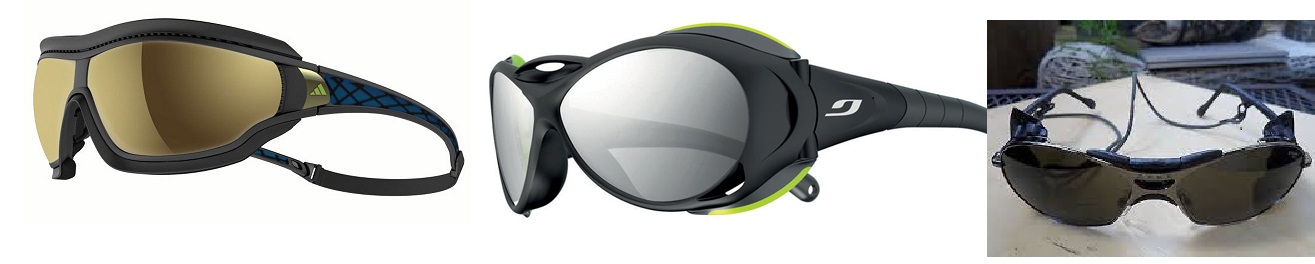
- Glacier sunglasses with side shields
- Headlamp with extra batteries
- Bandana or head scarf, also useful for dusty conditions
Upper Body: 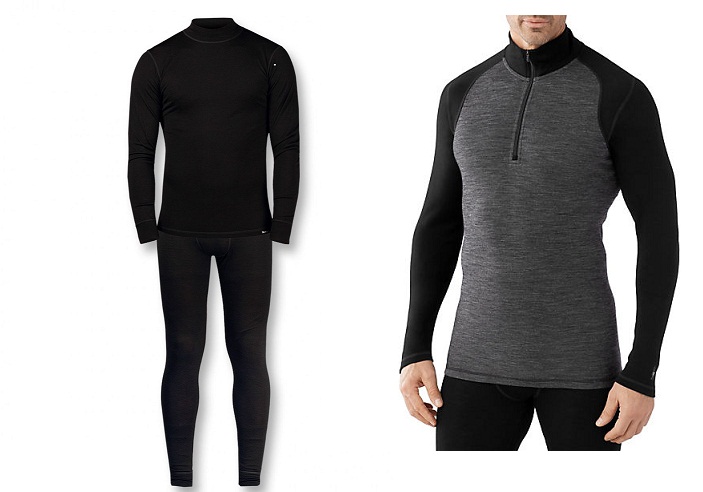
- 2 cotton t-shirts for warm days
- 2 polypropylene or wool mix long sleeve t-shirts
- 2 long sleeve thermal underwear shirts, lightweight preferably woolen
- 1 polar fleece pullovers medium weight or 1 heavy wool thermal underwear
- 1 polar fleece jacket, OR Primaloft/ Down light weight jacket
- Gore-Tex jacket with hood, waterproof and breathable
- Please note: We provide 1 very warm goose-down jacket with hood for high altitude.
Hands: 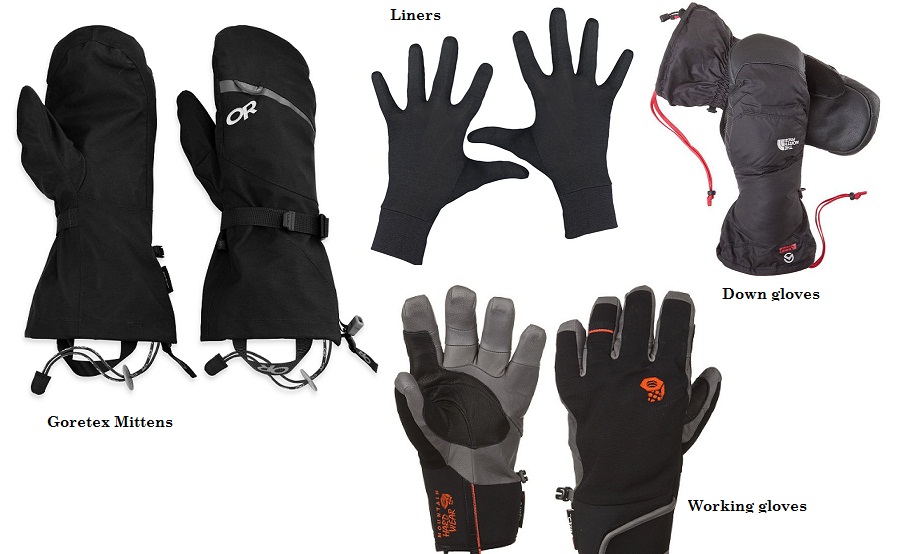
- 1 pair light weight wind stopper gloves
- 1 pr. lightweight poly-liner gloves
- 1 pair mittens, consists of 1 Gore-tex over mitt matched with the warm polar Fleece mitt liner
Lower Body:
- 1 pair walking shorts
- 1 to 2 pair walking trousers for trekking
- 2 pair lightweight thermal bottoms
- 1 pair medium or expedition weight thermal bottoms
- 1 pair Primaloft OR light weight down trouser for evenings at Base Camp
- 1 pair Gore-Tex trousers, Waterproof/breathable with side zips
Feet: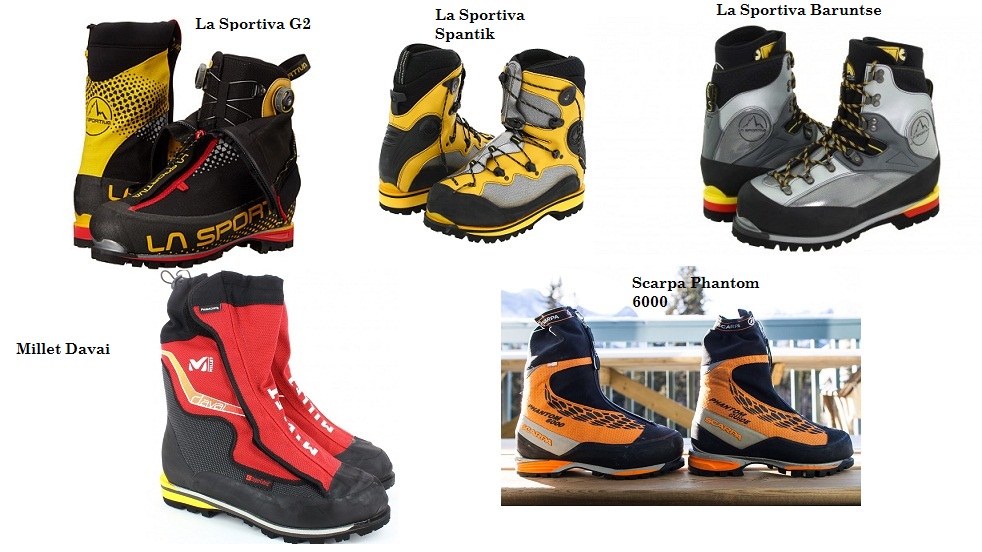
- 1 pair trek/climb boot preferably for 6000m+
- 1 pair trainers (running shoes) and/or sandals for Delhi, Leh and in camp
- 2 pair med-heavy preferably wool socks
- 2 to 3 pair of liner socks. Polypropylene or wool
- 2 to 3 pair lightweight trekking socks, poly or wool
Sleeping:
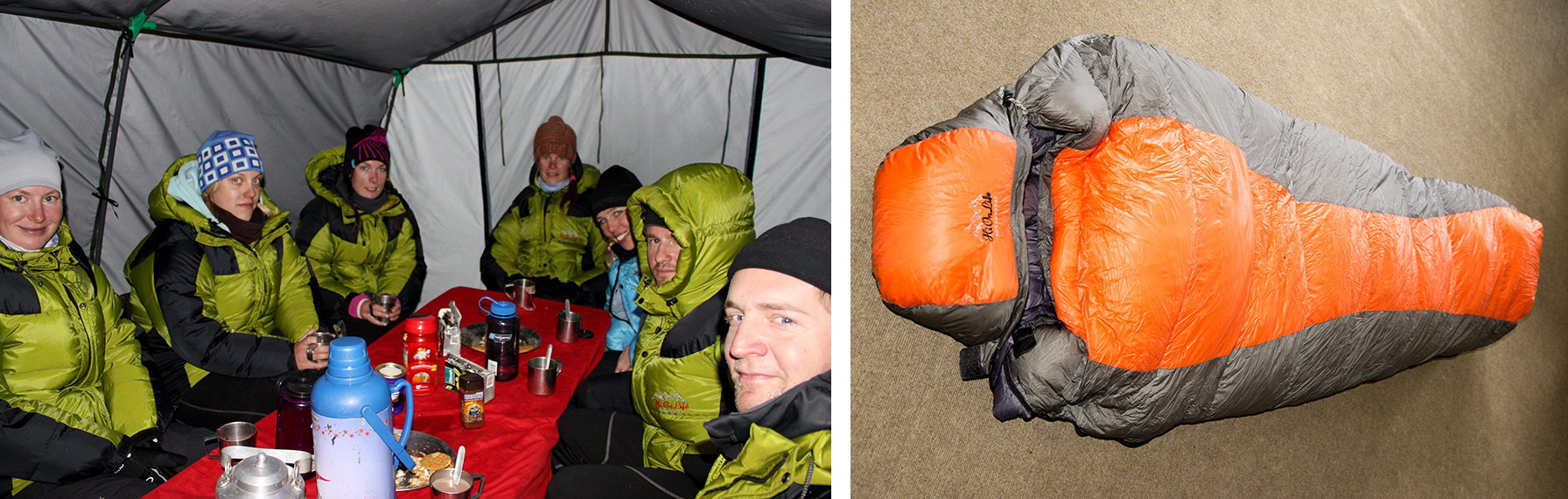
We provide:
- 1 down sleeping bag (rated to – 20 Centigrade or -4 F )
- 1 polar fleece liner
- Exped Down 7W mattres and foam kari-mats.
Rucksack and Travel Bags:
- 1 medium rucksack (30-35 litres)
- We provide one 65 lts duffle bags for each member.
- Small padlocks for duffel kit bags.
Accessories:
- 1 small roll of repair tape, 1 sewing repair kit
- Nylon stuff sacks for food and gear storage, large Ziplocs are useful also
- 3 Water bottles (1 litre each)
- Books, playing cards, ipod/mp3 player, games etc
- Adequate amount of batteries, etc.
- Money belt
- Toiletries: Your essentials. We provide toilet papers
- Towel: Quick dry travel towel
- Penknife
- Disposable lighter
- Medical kit: As per your prescriptions. It should be noted that the group leader will be carrying a first aid kit.
Optional
- Walking sticks ( highly recommended)
- Cameras
- Knee guard for those with bad knees.
- Daytime snack (chocolates/ dry fruit trail mix)
Healthy and trouble free holiday
Please consult a doctor for vaccination against Typhoid, Meningitis, polio, and hepatitis. If you have special dietary requirements or allergies, please give us a list of what you can and can’t eat so that we can provide proper food for you. If you are undergoing a course of prescription medicine, please ensure that you have sufficient supplies for the entire holiday. Some types of drugs including anti malaria have side effects at high altitude; therefore please consult your doctors regarding these drugs. The places you trek are mosquito free and there has been no report on malaria in Ladakh and you do not spend a lot of time in the low
lands of India.
Insure yourself:
We highly recommend you to take a comprehensive Personal Travel Insurance before leaving home. This should cover for your loss of baggage, airline delays, sickness, and accidents. It should cover all incurring costs for evacuations.
Money Matters
The ideal currency to bring with you is USD or Euro. You can exchange them in Delhi or Leh. You can also draw money from ATM machines in New Delhi or Leh.
The exchange rate is 1 USD = 68 Indian Rupees approx. (subject to change)
During the entire trip the only meal that you need to pay for is 1 dinner and 1 lunch in Delhi. If you have chosen to add Agra trip with this trip, then you need to pay for 2 more dinners and 2 more lunches. Delhi and Agra has a wide variety of restaurants with a very wide range of price. Depending on where you eat, each meal will cost anything between 5 to 25 USD + drinks. Plus 20 to 30 USD for your taxis if you wish to go around the city.
On trek: Basically there are no places where you can spend money on the trek. However, in few places you might find small tea shops that sells cold drinks, chocolates etc. It is recommended to bring around 5 USD per day. This money is chocolates, soft drinks and beers etc and also for small donations in the monasteries.
Tipping
Although tipping is entirely optional and personal matter the following is recommended as a guideline
In Delhi and Leh: for bellboys, waiters and porters 50 to 100 Indian Rupees
On the trek: At the end of the trek it is a customary to tip the field staff. The recommended amount is 100-150 USD depending on group size. The Group leader will collect the tip and then split it according to responsibilities of each staff and put it in envelopes with their names on it. this envelopes are given back to you, so that you can give it to the staff during the “Farewell Ceremonies”. Please note- the Group Leader is not included in this tip. If you wish to tip the Group Leader, you can do it separately.
Some Do’s and Don’ts
Ladakhi people treat visitors as special guests. Although they will never rebuke you publicly for unknowingly offending them, we must consider their culture.
While in Ladakh please observe the following:
- Full or partial nudity is not accepted.
- Over display of affection between men and women, especially in temples and monasteries are discouraged.
- Please remove your shoes before entering monasteries and temples.
- Never point the soles of your feet at a person or shrine.
- Locals walk around the Mani walls and Stupas in a clockwise direction as a respect and they expect you to do the same although it is not compulsory.
- Please ask before taking pics of a person or his/her child
Some useful tips while travelling in Delhi and Agra
Dress code: Dress sensibly. For men- knee length shorts and t shirts and sandals are best to cope up with the heat but in some temple and mosques you need to wear long trousers. For women it would be wise to cover up and dress modestly to avoid unwanted advances. Light cotton trousers or knee length skirts are ideal. Avoid too high cut shorts and bare back dresses.
Personal space: The concept of personal space is almost nonexistent in almost all over India. Whether you’re standing in a queue or walking in a crowded Bazaar, get used to moving shoulder-to-shoulder.
People in North India tend to stare a lot: Please don’t be offended because most of them do this out of curiosity. Easy way to deal with this is to not make direct eye contact with strangers and passersby. Get used to it and don’t let this make you uncomfortable. Wearing sunglasses helps a lot ignore staring.
Bargaining skills: In shopping malls the prices are fixed and you cannot bargain. However, in rest of your shopping adventure, it is inevitable that you will be exploited to a certain degree. The simple fact is that most vendors know you have money. Skillful bartering takes practice- a beginner’s rule of thumb is to cut the starting price in half and then work your way to a middle ground.
Beware of Pickpockets: The streets of Delhi can become very crowded, exposing you up to a risk of being easily pick-pocketed. Keep your money in your money belt or in a forward facing backpack. If you need to take money out of your wallet, it is best to do it with least possible exposure of the wallet.
Beggars: You will likely see things that strike your emotional core, but it is important to realize that these are deep rooted problems with no easy fix. Moreover if you give money to one beggar, within seconds you will find yourself surrounded by a dozen other beggars from children to adults. Also keep in mind that beggar mafias control much of the inner city.
Street Hawkers: When you walk out of the sightseeing points you will meet several hawkers trying to sell you small souvenirs from pics and all sorts of things. Do not engage in a bargain or conversation unless you really want to buy them. They can be very pushy sometimes.
Go With the Flow: Despite the fact that the cities in India can be tiring with all the staring, crowded streets, beggars, pestering hawkers’ etc. try not to care about the small stuff. If you get caught up and stress about the little things, you will miss out on the bigger picture, which is that you are in one of the most distinctive and important cities in the world. The city will often come to feel like another planet entirely.
“TODAY IS YOUR DAY! YOUR MOUNTAIN IS WAITING, SO… GET ON YOUR WAY!”
DR. SEUSS