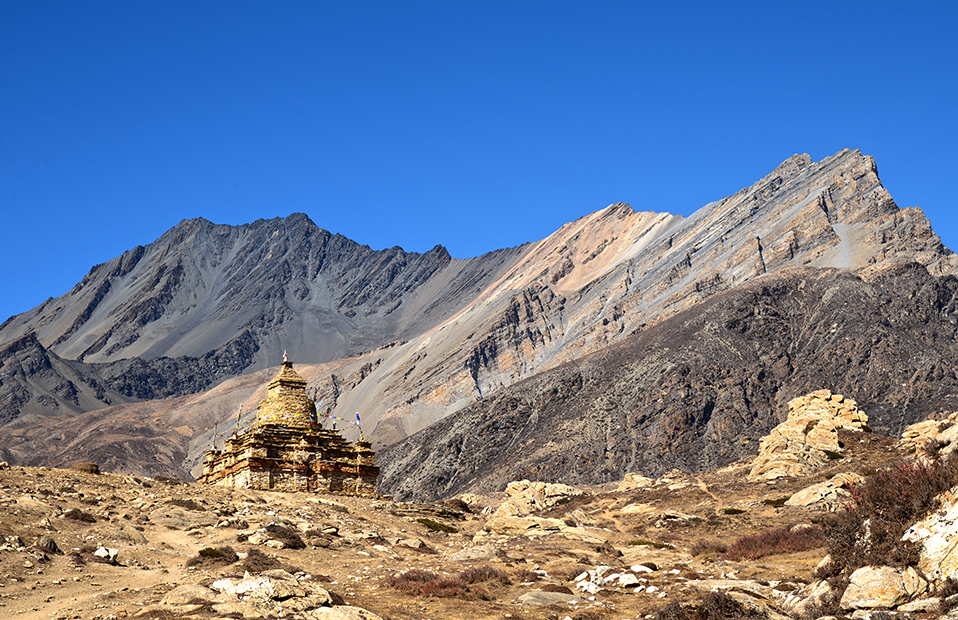
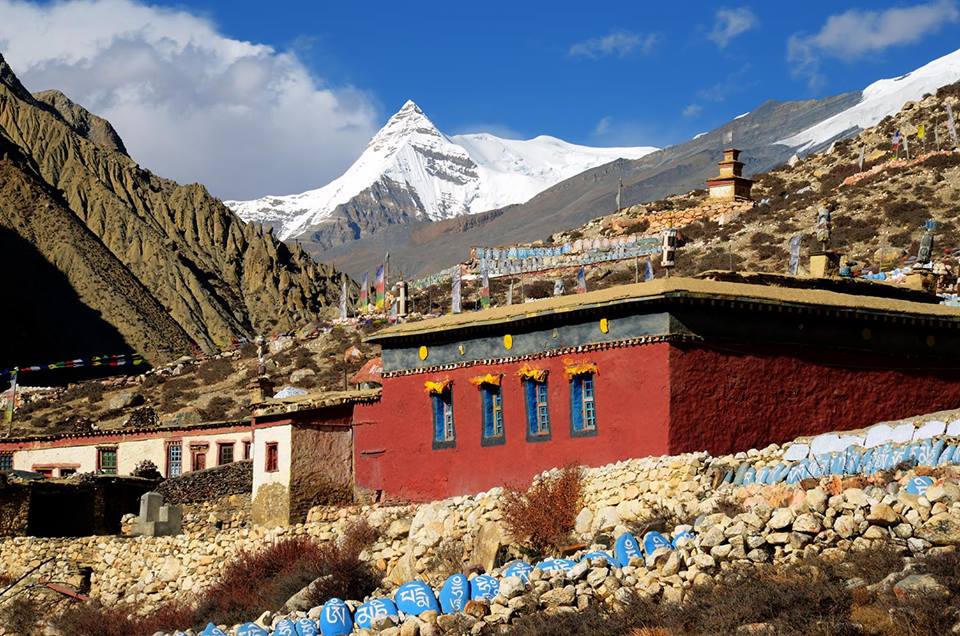
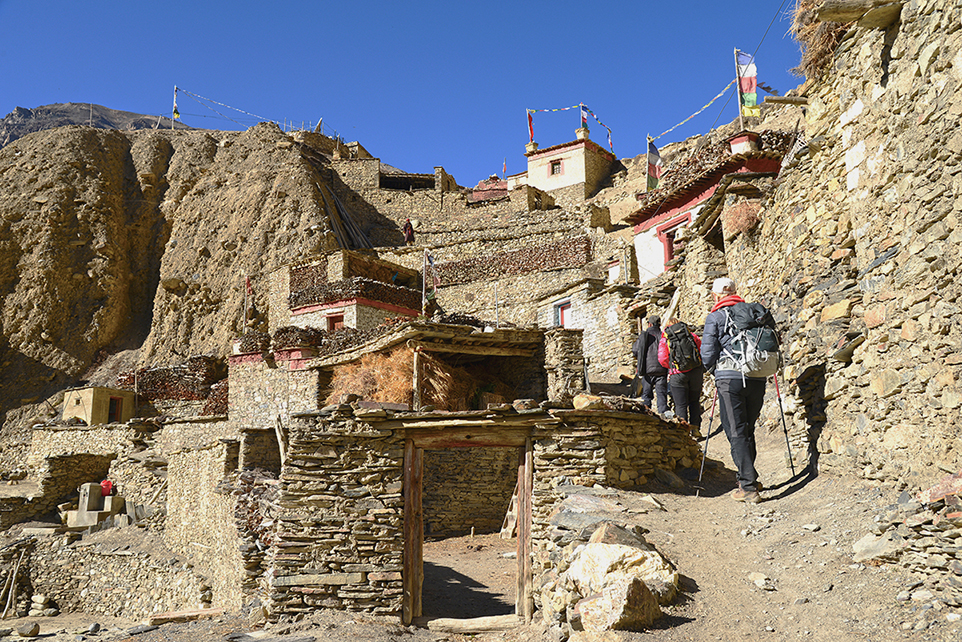
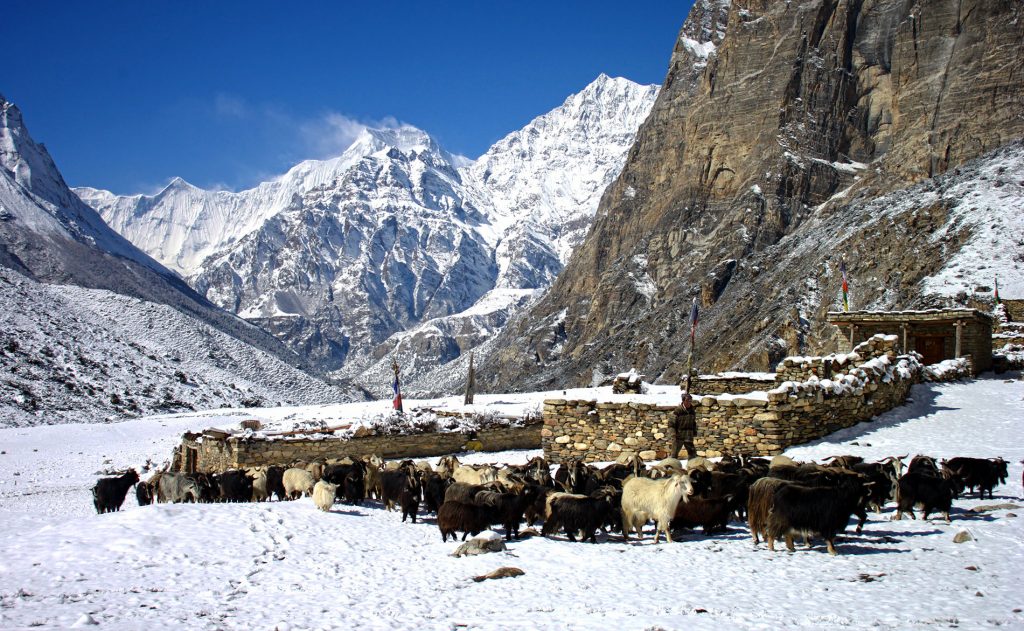
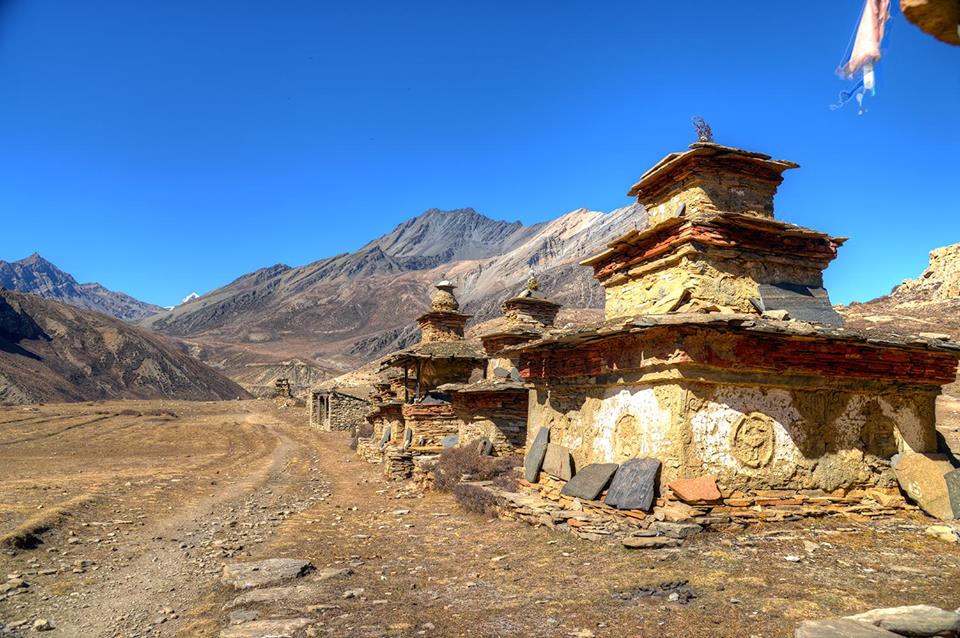
Nar Phu Valley Trek is unarguably one of the most remote and least explored treks in Nepal. Opened only in 2003, this trek takes you to the wild, exotic and sparsely populated valleys of Nar and Phu, offering intriguing medieval Tibetan culture and customs completely undisturbed form, and dramatic mountains view.
Nepal’s most unscathed, Tibetan-influenced quarters, the restricted area of Nar Phu Valley can only be accessed with a special permit issued by an authorized trekking agency, who will also provide the obligatory guide. The permit is only valid for seven days so you must complete the trek in this time frame.
Overview
Beginning the Journey
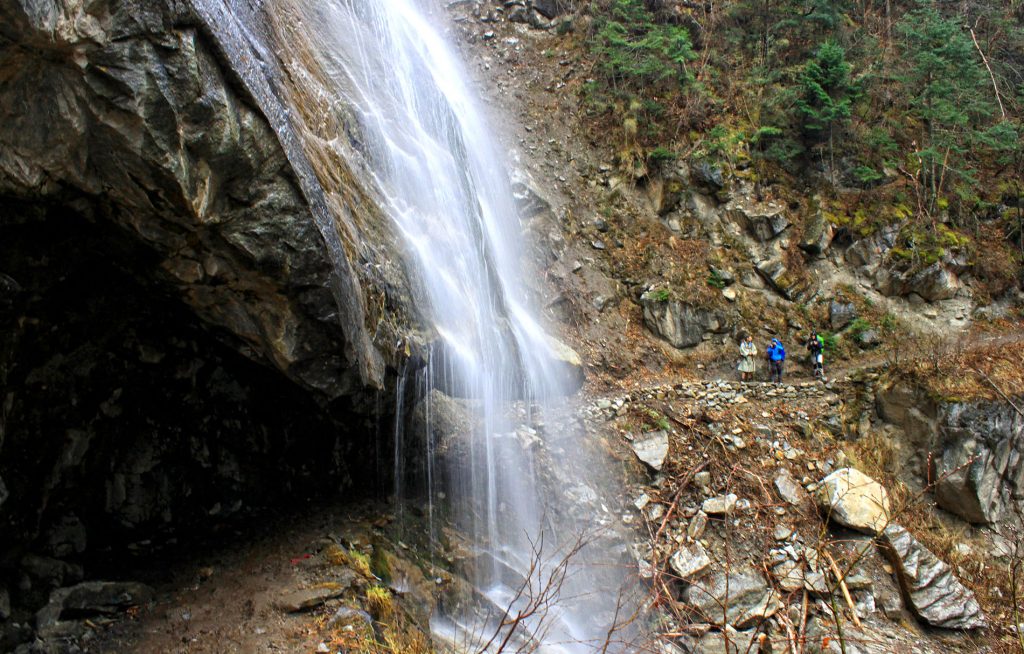
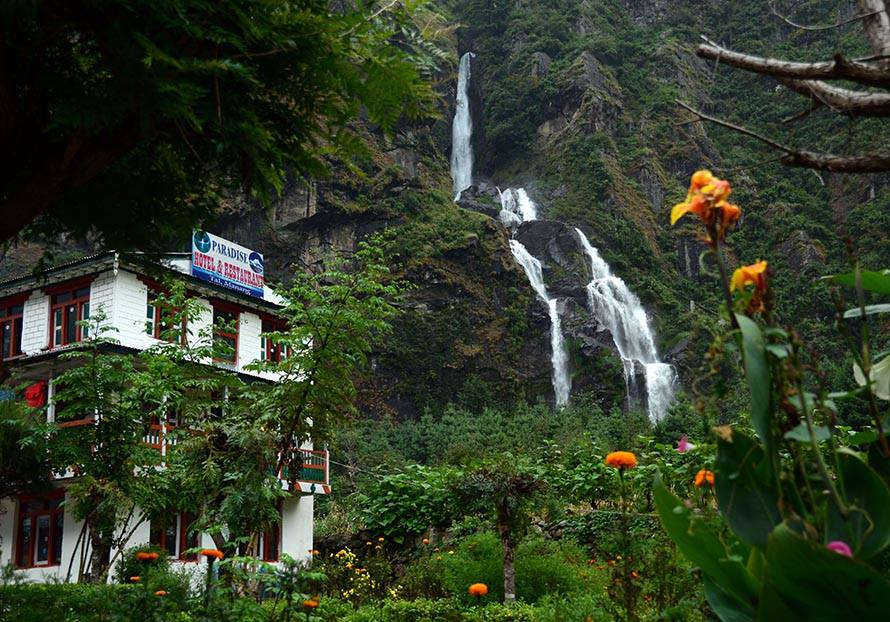
We start our journey with a drive to Chyamje, a small village in the main trail of the Annapurna Circuit trek, and then branch off from Koto to follow an off the beaten track to Nar Phu valley, following the deep narrow river gorge, North of the Annapurna range.
Nar Phu Valley
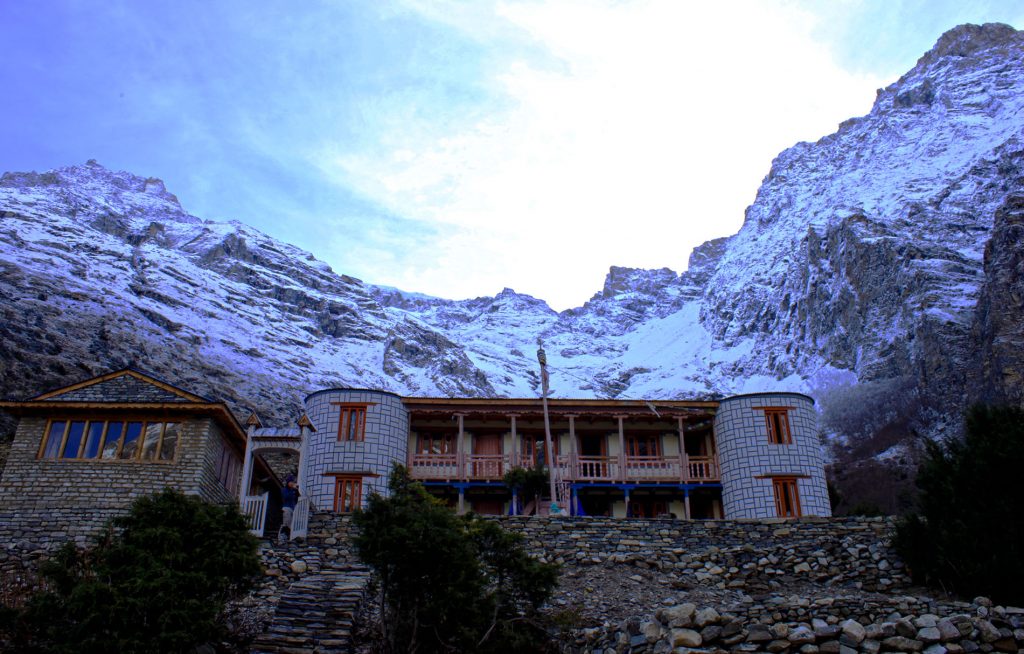
Nestled between Nepal’s legendary Annapurna Circuit and Manaslu regions, Nar Phu is a true hidden valley that offers trekkers a rare opportunity to explore one of Nepal’s most untouched, Tibetan-influenced quarters.
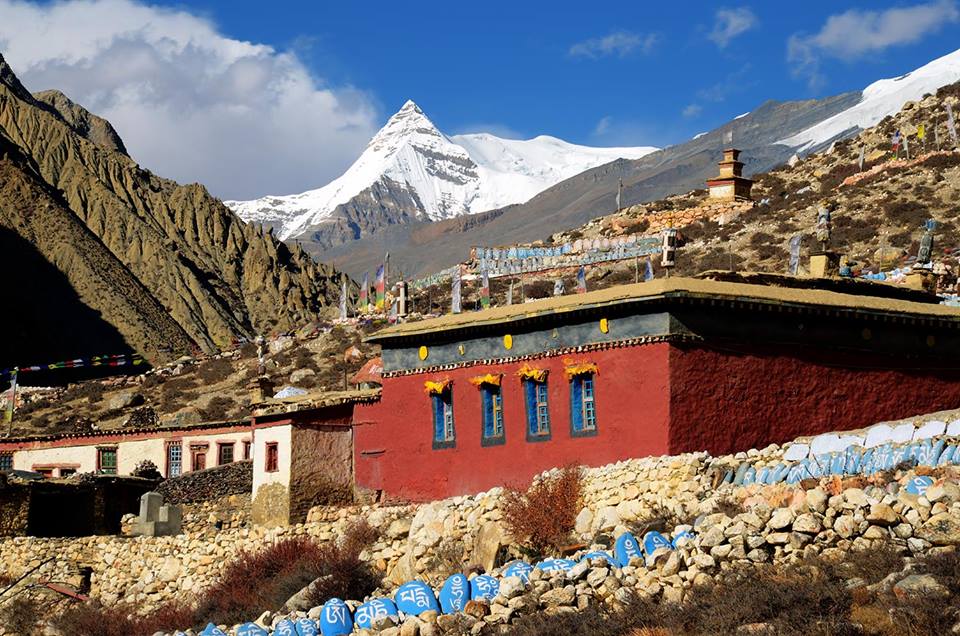
The narrow hidden valley is treasured with undisturbed religious sites and villages of Tibetan heritage. The local inhabitants continue traditions of yak herding, trading and harvesting indigenous herbs for medicine. Even though it is close to Manang and lies within its district, the inhabitants of Nar and Phu do not consider themselves to be a part of the region. The people and culture in this valley is so intriguing and elusive that they have even constructed a ‘secret language’ among themselves that is indecipherable to the other inhabitants of Manang.
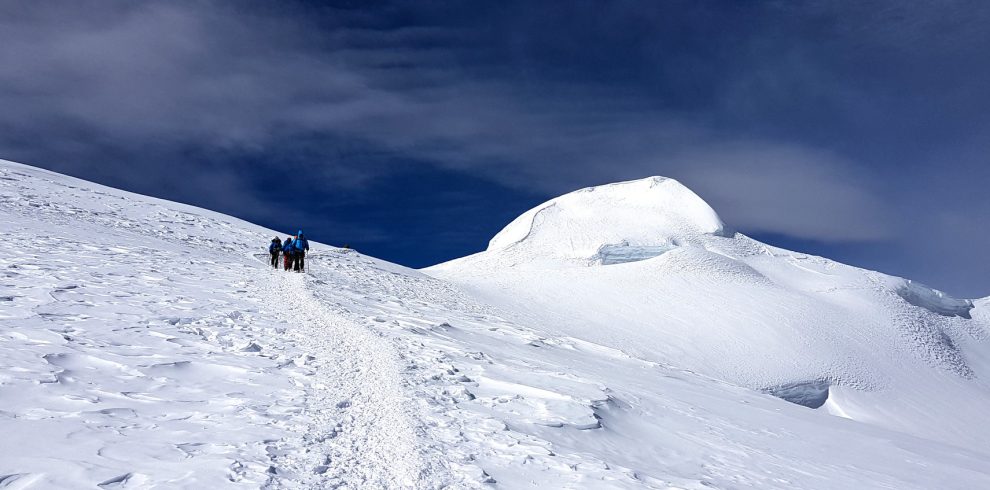
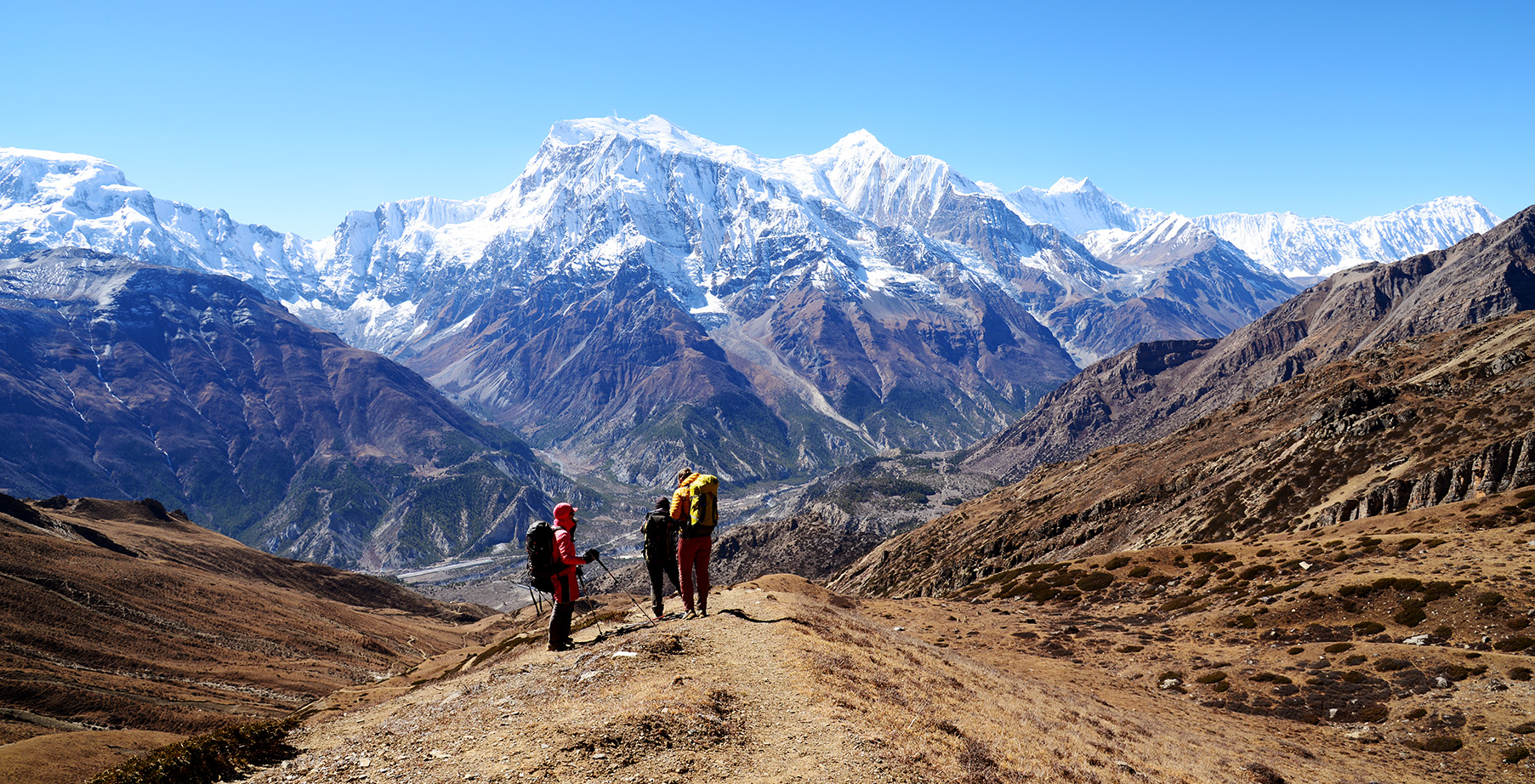
The Kang La Pass (5315m) is a particular highlight where trekkers will be able to get breath taking panorama of a myriad of peaks including Annapurna II (7937m), Gangapura (7455m) and Tilicho Peak (7134m).
After a week exploring and acclimatizing in these mysterious valleys with alpine forests, deep and Narrow River gorges, intriguing ancient Tibetan Buddhist culture and amazing wildlife with a possible chance of spotting the Snow Leopard (if you are lucky), we reach a village called Nar.
The trail then descends a steep terrain leading to Ngawal (3615m). Here we join the Annapurna Circuit trail and then retrace our trek back to Chyamje.
Highlights
- Discover the isolated settlements of Naar and Phu
- Superb “off-the-beaten-track” trekking
- Opened to trekkers only since 2003
- High snow-peaks, ancient Khampa settlements with intriguing cultures and traditions
- Exotic hidden villages of Nar and Phu
- Ancient monasteries
- Crossing the Kang La Pass with magnificent views of the Annapurna.
- Possible sighting of the Snow Leopard and blue sheep
Itinerary
Cost Includes
- All internal transportation in private vehicle.
- 4 nights in tourist class hotel on bed and breakfast basis while in Kathmandu.
- Welcome dinner.
- Half day guided city tour with lunch.
- Services of English or/and Swedish speaking guide.
- Sherpas and porters assistance.
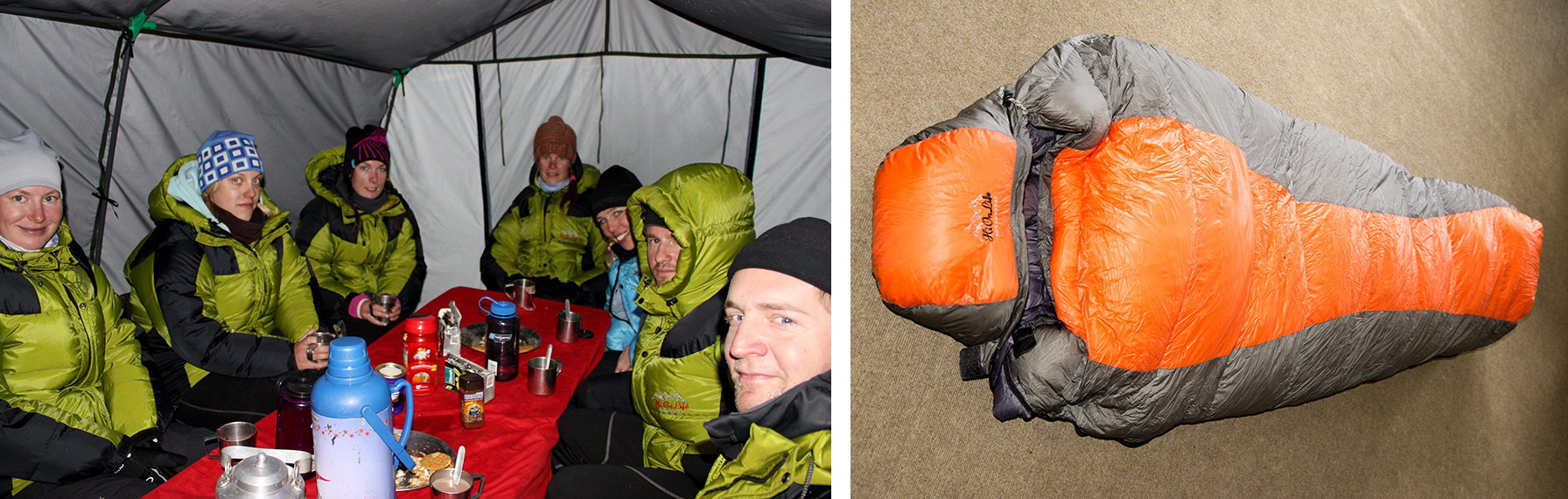
- Use of a personal trek pack consisting of a duffle bag, down jacket and sleeping bag with a fleece inner-liner.
- All meals and lodging while on trek with afternoon tea/coffee service.
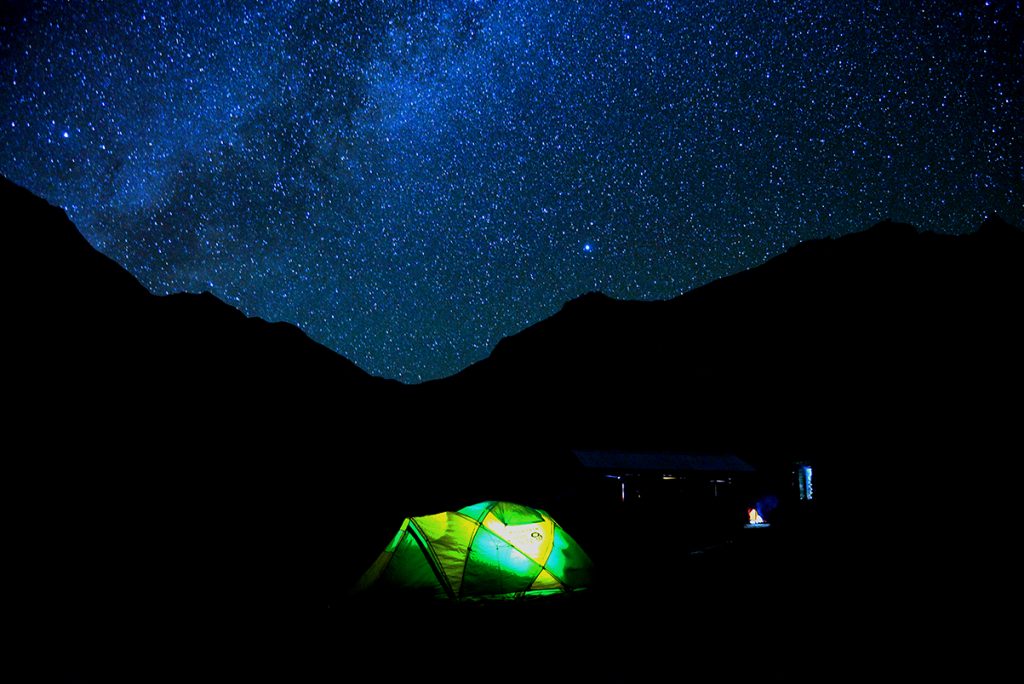
- 2 nights camping facilities with tents, food, mats etc.
- Restricted Area Permit.
- National Park fees.
- Staff insurance, tourist service fee and all taxes applicable as per state law.
Cost excludes
- Personal accident and rescue insurance. You must provide your own rescue insurance
- Mineral water, beer, soft drinks and extra tea/coffee outside of normal meal times.
- Private room accommodation in Kathmandu unless a single supplement is paid.
- Optional tips to guides and porters.
- International airport departure taxes.
- Visa costs.
- Helicopter evacuation in the unlikely situation, although we do arrange for it and make the necessary documents so that you can claim from your insurance.
The surreal view from the Kang La.
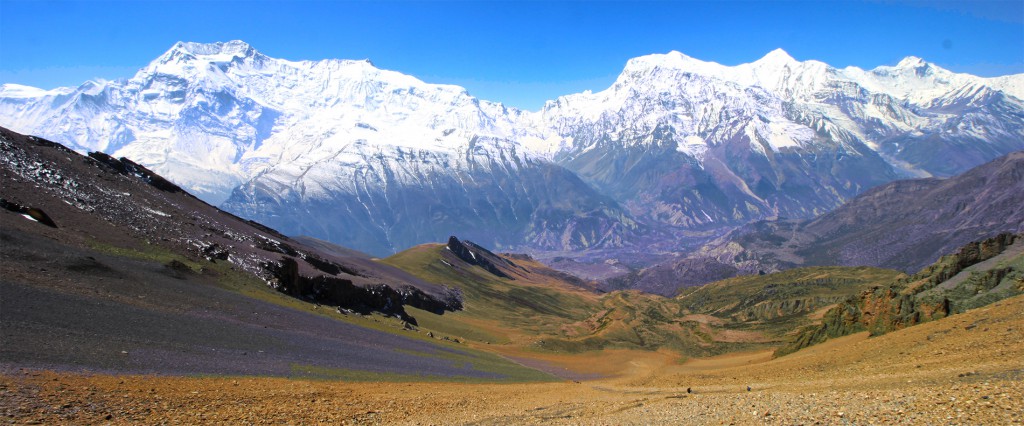
Kang La is 5320m, and it connects the wild, rarely-visited, valleys of Nar and Phu to the Annapurna Circuit. We can witness large panorama peaks right in front of us from Kang La Pass.
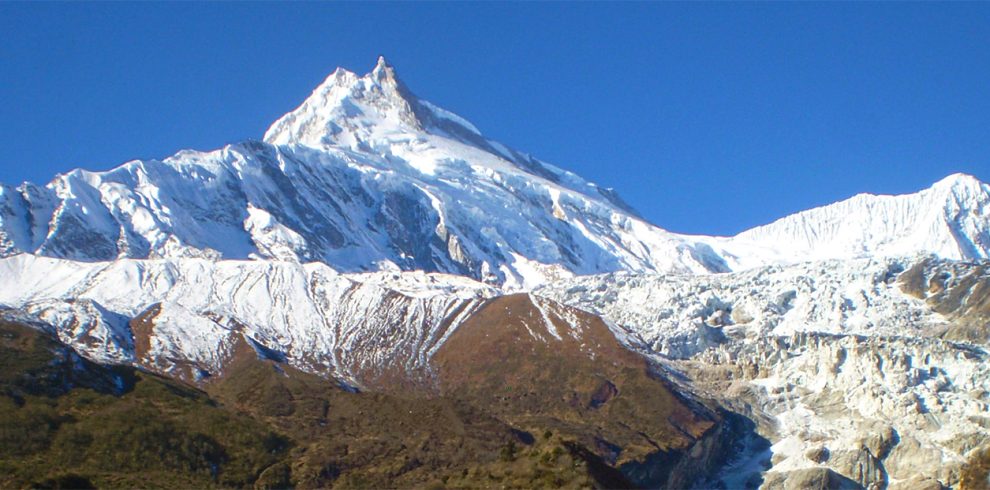
The ridge in front of you consists Lamjung Himal, Annapurna II, Annapurna IV, the summit of Macchapuchare (it peaks from behind the ridge), and Annapurna III, all of these will be your eye pleaser. The ridge then connects with Gangapurna and further down it connects with the highest of the Annapurna’s, the Annapurna II.
We can see the Annapurna range from the north. Usually, we see this range from the southern side, from the Pokhara side, the Annapurna Base camp, but from here we see the range from the North.
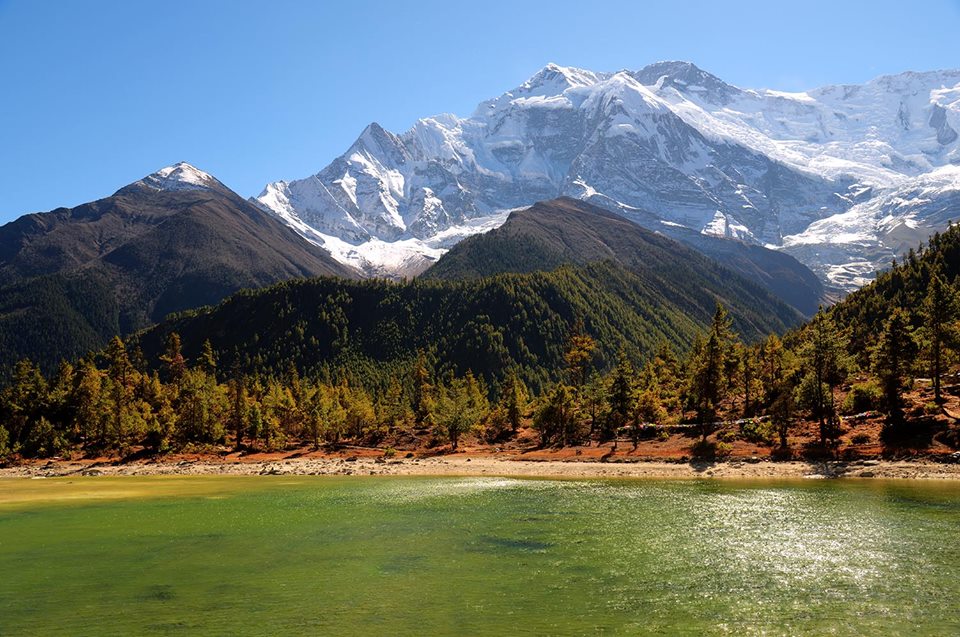
This place is called the Grand Barrier, and if you continue further down, you can also see Dhaulagiri near the end of the ridge. You can also find a lake below Kang La at 5220m.
Recommended preparation:
Stamina is essential, as walking days are long. We recommend previous trekking experience, preferably at altitude. Walking or jogging 45 mins to 1 hour for at least two times a week on undulating terrain or on a tread mill with inclined angle for at least 3 months prior to departure. Cycling is recommended. Long day hikes on weekends with a daypack in variable weather conditions is also recommended.
A Day On Your Trek
Although each day is different, considering the weather, general pace of the group and length of the days walk, in general your day begins with a wake up tea at around 6 to 6:30 in the morning. You will then be provided with a bowl of warm water for washing. Then you will need to pack your duffel bag and your daypack and come to the dining room for breakfast.
After breakfast we will hit the trail and usually walk for about 3 to 4 hrs before we stop for lunch. We will give you about an hour and a half rest during lunch, which will also give enough time for the staff to prepare lunch, wash dishes and have their lunch and pack. Usually after 3 to 4 hrs of walking we finish the days walk by 4 PM. Tea/ Coffee and snacks will be served on arrival to the camp. Your Group Leader will often organize side trips in the afternoon. Your dinner will be served around 7 PM.
Food and water
The cook and the kitchen crew prepares hot food which is normally a very balanced diet comprising of fresh vegetables and breads, to pastas and sandwiches and occasionally even cakes and pizzas. Breakfasts are usually bread eggs and cereals, and lunch and dinner are a three course meals. We make sure that you get the required amount of carbohydrates and proteins and vitamins as you burn a lot of calories walking uphills, so plenty of vegetables, canned meat and fish and eggs and cereals are carried.We provide boiled and treated water 4 times a day.
High Altitude
On this trek you will be going up to 5120m, so it is very important to understand the affects of altitude. The greatest provocation is going too high too fast. Hi On Life’s itinerary has been carefully designed to minimize the effects of altitude. We ascend slowly and surely allowing enough time for safe acclimatization.
Headaches and breathlessness are common at altitude which in itself is nothing to worry about. In rare cases, this may worsen to Acute Mountain Sickness (AMS), so a close watch is kept on all trekkers by the group leader who is trained to recognize the symptoms of AMS which are severe headaches, nausea, lethargy, loss of appetite serious breathlessness even at rest. If any trekkers show such signs they will be descended to relatively lower and safer altitude. The Group Leader’s decision on evacuating such person to a safe altitude is final. Do not medicate yourself without first informing your group leader. Going to altitude slowly with adequate rest and adequate intake of fluid (3 to 4 litres per day), you will most likely have no problems apart from breathlessness on hills which is completely normal as the percentage of Oxygen in the air is relatively lower to that at sea level. The most important thing is not to worry about altitude because our team is there to take care of you.
Staff
Group leader: your most important member of your staff. Our Group leaders are highly trained in all aspects of the trek, conservation, first aid specializing on altitude sickness, emergency procedures and have extensive knowledge of the natural history of the area.
Sirdar: His job is to manage and organize staff duties, select and organize campsites. He is responsible for the actual operation of the trek.
Sherpas: Their job is to lead your way and distribute equal loads to the porters and also help clients and other staff when need arises.
Porters: They are responsible to transport your duffle bags and their job finishes once they reach the designated lodge. Our porters are provided with Gore-Tex suits, trekking boots, gloves, hats, socks, snow gaiters and snow goggles. Most importantly, we regulate them on a 25 Kg carrying load. Our clients can therefore feel comfortable knowing that our porters are working in a good humane condition.
Weather
Oct/Nov and March/AprilOn the trek at lower altitude (1500m to 2500m) during daytime the Max temp can be around 22C to 25C and the Min temp can be 8C to 15C.At mid altitude (2500m to 3500m) during daytime the Max temp can be around 15C to 20C and the Min temp can be 2C to 8C.At higher altitude (3500m to 5500m) the daytime Max temp can be between 5C to 12C and Min temp can be between -4C to 2C
Recommendations for things you should bring:
- Water bottle: 3 bottles min 1 liter each, should be able to hold hot water)
- Day pack: medium size 35-40 liters
- Sunglasses: Poloroid/ UV protection 2-4
- Duct tape: Small roll for emergency fixing of torn jacket/ sleeping bags etc.
- Stuff bags: Small stuff bags or plastic bags to organize you duffle bag
- Money belt
- Toiletries: Your essentials. We provide toilet papers
- Towel: Quick dry travel towel
- Torch: Preferably head lamp
- Penknife
- Disposable lighter
- Sewing kit
- Medical kit: As per your prescriptions. It should be noted that the group leader will be carrying a first aid kit.
Optional
- Walking sticks ( highly recommended)
- Cameras
- Knee guard for those with bad knees.
- Daytime snack (chocolates/ dry fruit trail mix)
Clothing
- Trousers: 2 lightweight for easy walking and 1 warmer for colder days preferable wind/water proof, 1 stretchable running trousers
- Shorts: 1 (Not too high cut revealing ones)
- T-shirts: 2 light cotton or preferably polypropylene
- Full sleeves T- shirts: 2 preferably poly propylene or wool.
- Hats: 1 Sunhat and 1 woollen one for colder days
- Buff (cover for your mouth and keeps your neck warm)
- Gloves: 1 warm woollen/ fleece and 1 medium weight Gore-Tex
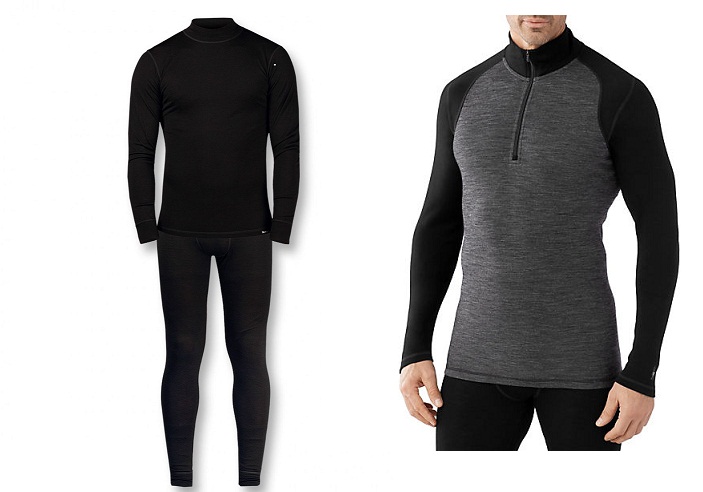
- Thermal underwear: 2 pair light weight tops and trousers, preferably woollen, and 1 pair medium weight
- Socks: At least 4 pairs (both thin and thick woollen ones)
- Jackets: 1 fleece/ wool and 1 Gore-Tex wind/waterproof. Please note that we provide down jackets.
- Walking boots: Preferably waterproof
- Gym shoes/sandals For evenings
Healthy and trouble free holiday
There are no compulsory vaccinations required for entering Nepal. However please consult a doctor for vaccination against Typhoid, Meningitis, polio, and hepatitis. If you have special dietary requirements or allergies, please through your agent, give us a list of what you can and can’t eat so that we can provide proper food for you. If you are undergoing a course of prescription medicine, please ensure that you have sufficient supplies for the entire holiday. Some types of drugs including antimalarias have side effects at high altitude; therefore please consult your doctors regarding these drugs. The places you trek are mosquito free and there has been no report on malaria in Kathmandu for the past couple of decades.
Insure yourself:
We highly recommend you to take a comprehensive Personal Travel Insurance before leaving home. This should cover for your loss of baggage, airline delays, sickness, and accidents. And it should also cover you for Emergency Helicopter Evacuation.
Money Matters
The ideal currency to bring with you is US$ or Euro. You can exchange them in Kathmandu. You can also draw money from ATM machines in Kathmandu.
In Kathmandu: Each meal will cost around 4 to 7 US$ + drinks. Plus 10 to 20 US $ for your taxis if you wish to go around the city.
On trek: you will need around 5 to 7 US$ per day. This money is for your hot showers, chocolates, soft drinks and beers etc and also for small donations in the monasteries.
Tipping
Although tipping is entirely optional and personal matter the following is recommended as a guideline
In Kathmandu: for bellboys, waiters and porters 50 to 100 Nepali Rupees
On the trek: At the end of the trek it is a customary to tip the field staff. The recommended amount is 80-100 US$ depending on group size. The Group leader will collect the tip and then split it between the staff and put it in envelops so that the trekkers can give it to the staff during the “Farwell Ceremonies”. Please note- the Group Leader is not included in this tip. Since your Group Leader is with you until the day of your departure, you can tip him/her in Kathmandu after the trek.
Some Do’s and Don’ts
Nepalese people treat visitors as special guests. Although they will never rebuke you publicly for unknowingly offending them, we must consider their culture.
While in Nepal please observe the following:
- Full or partial nudity is not accepted.
- Over display of affection between men and women, especially in temples and monasteries are discouraged.
- Please remove your shoes before entering monasteries and temples.
- Never point the soles of your feet at a person or shrine.
- Many Hindu temples are closed to non-Hindus. Please ask before entering.
- Locals walk around the Mani walls and Stupas in a clockwise direction as a respect and they expect you to do the same although it is not compulsory.
- Please ask before taking pics of a person or his/her child
“TODAY IS YOUR DAY! YOUR MOUNTAIN IS WAITING, SO… GET ON YOUR WAY!”
DR. SEUSS