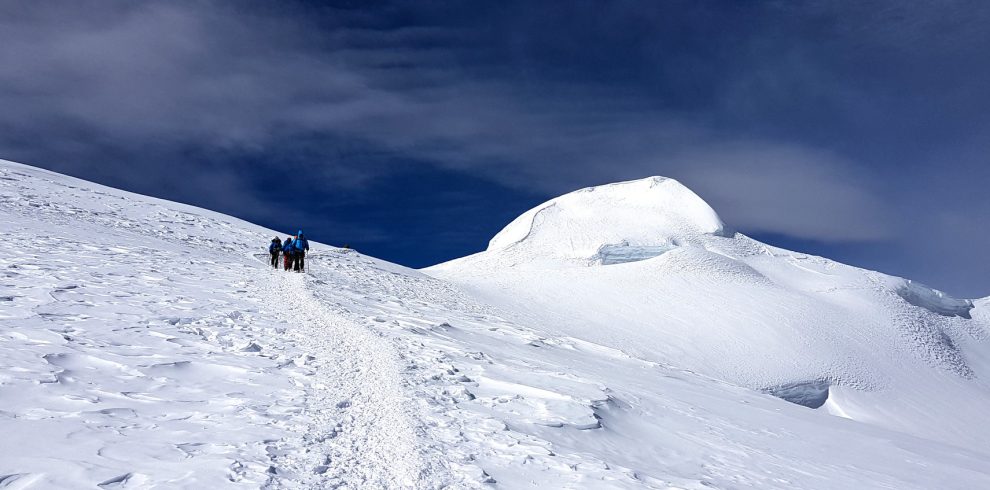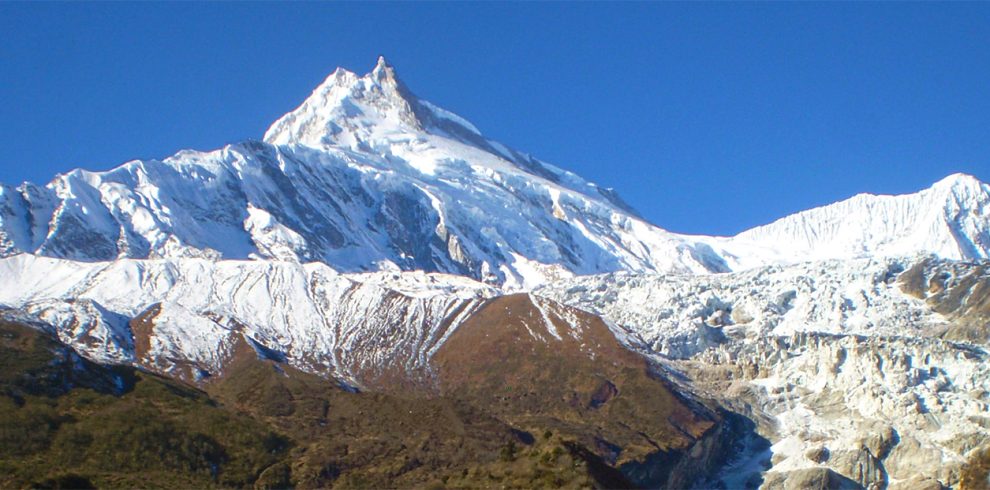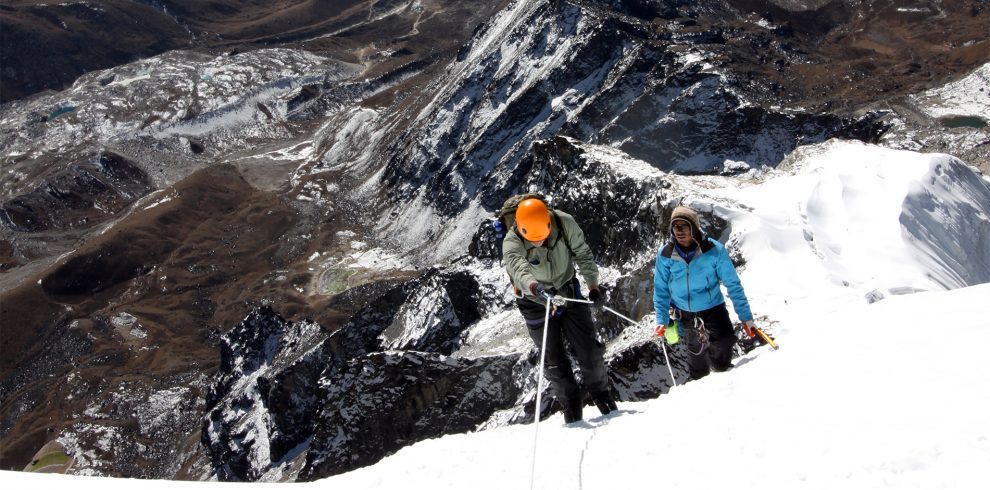
Mardi Himal trek- A subtle combination of Mountain, wilderness and culture
Explore one of the most beautiful regions in Nepal- the Annapurna! Most of the popular treks in this region lies on the busy touristic trails. However, Mardi Himal trek- officially opened in 2012, has yet to draw large crowds thus giving you a true sense of exploration.
Overview
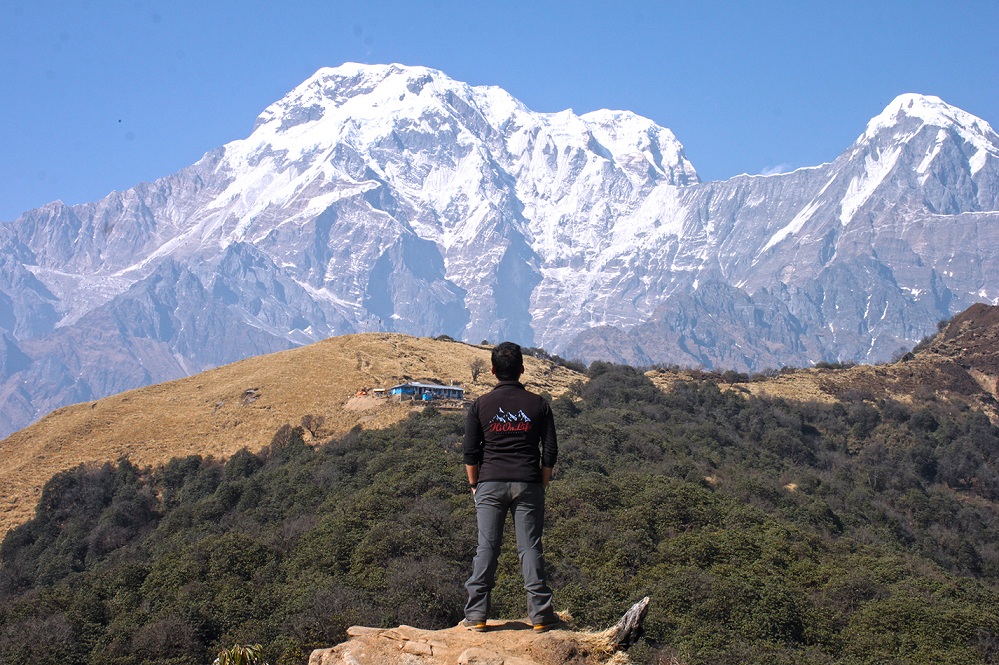
With remote trails through rhododendron forests, to sublime ridges, along with stupendous views of the dramatic Annapurna range, this trek offers an escape from the busy touristic trails with crowded lodges, thus providing a wilderness experience in the high alpine landscape.
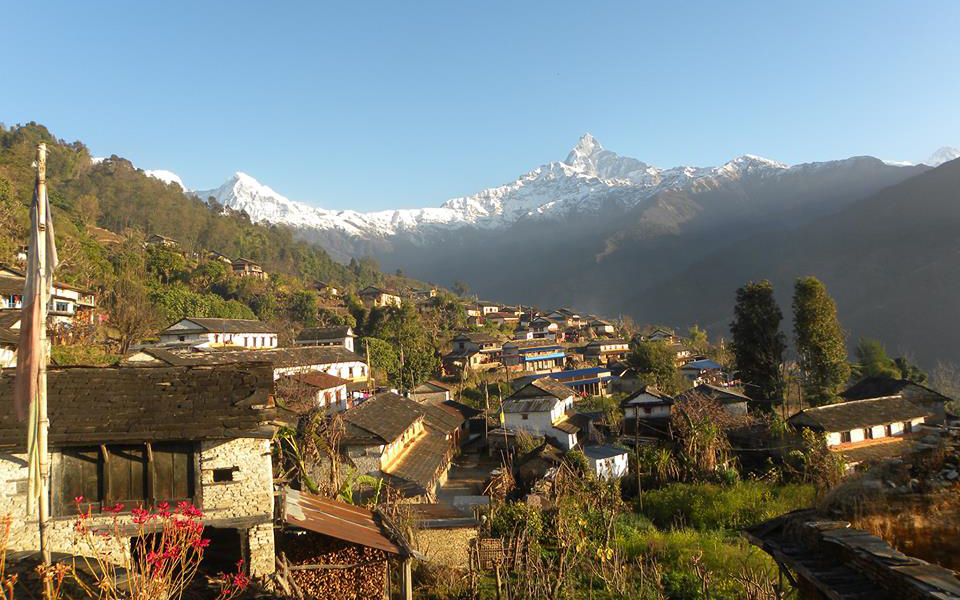
We end the trek with a two day trek through the charming villages of Siding and Lwang. These two welcome you right into their amazing culture with their friendliness. You get an opportunity to do a tea tour, witnessing the organic tea processing, making of ghee (dehydrated butter), and even get an opportunity to join a cooking class if you are interested.
After this amazing experience we have a couple of days in Pokhara, where you can experience the amazing paragliding over the Phewa lake with the majestic Annapurna views. There are many other activities available in Pokhara from kayaking to cycling and bunjee to zip lining.
After Pokhara we take a detour to Bandipur on the way to Kathmandu.
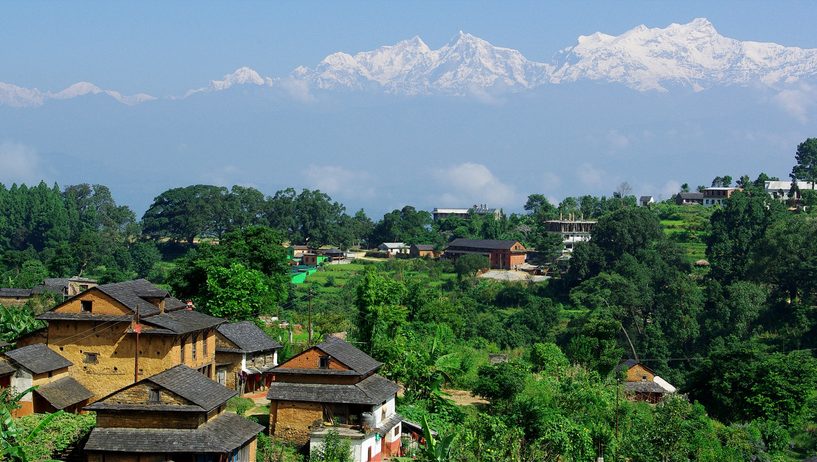
Bandipur is one of the new emerging destinations of Nepal in the form of community-based tourism. It is an ancient Newari mountain town, untouched by modernization, thus offering a splendid variety of natural and socio cultural diversity. charming and peaceful environment, and friendly locals.Bandipur is an ancient trading town along the India-Tibet trade route, established by the Newar traders from the Kathmandu valley. With them they brought their cultural heritage and architecture which basically has remained unchanged to this day. Time seems to have stood still here, although it has taken a lot of effort to preserve the magic while developing the town as a destination. There are charming cafes and lodges offering outdoor dining along the street of the main town which is pedestrian zone giving it delicate mix of its 18th century traditional experiences with a distinctly European feel. To the North, the skyline is dominated by the Majestic Dhaulagiri, Annapurna, Manaslu, and Langtang ranges.
This is the best trip we can offer for those who wants an off the beaten track experience in Nepal, in a short period of time and with moderate level of difficulty.
What Makes this trip Special
- Explore of one of the most beautiful region in Nepal- The Annapurna
- Opened only in 2012, this newly opened trail is less crowded than the main trails
- Off the beaten track with moderate difficulty
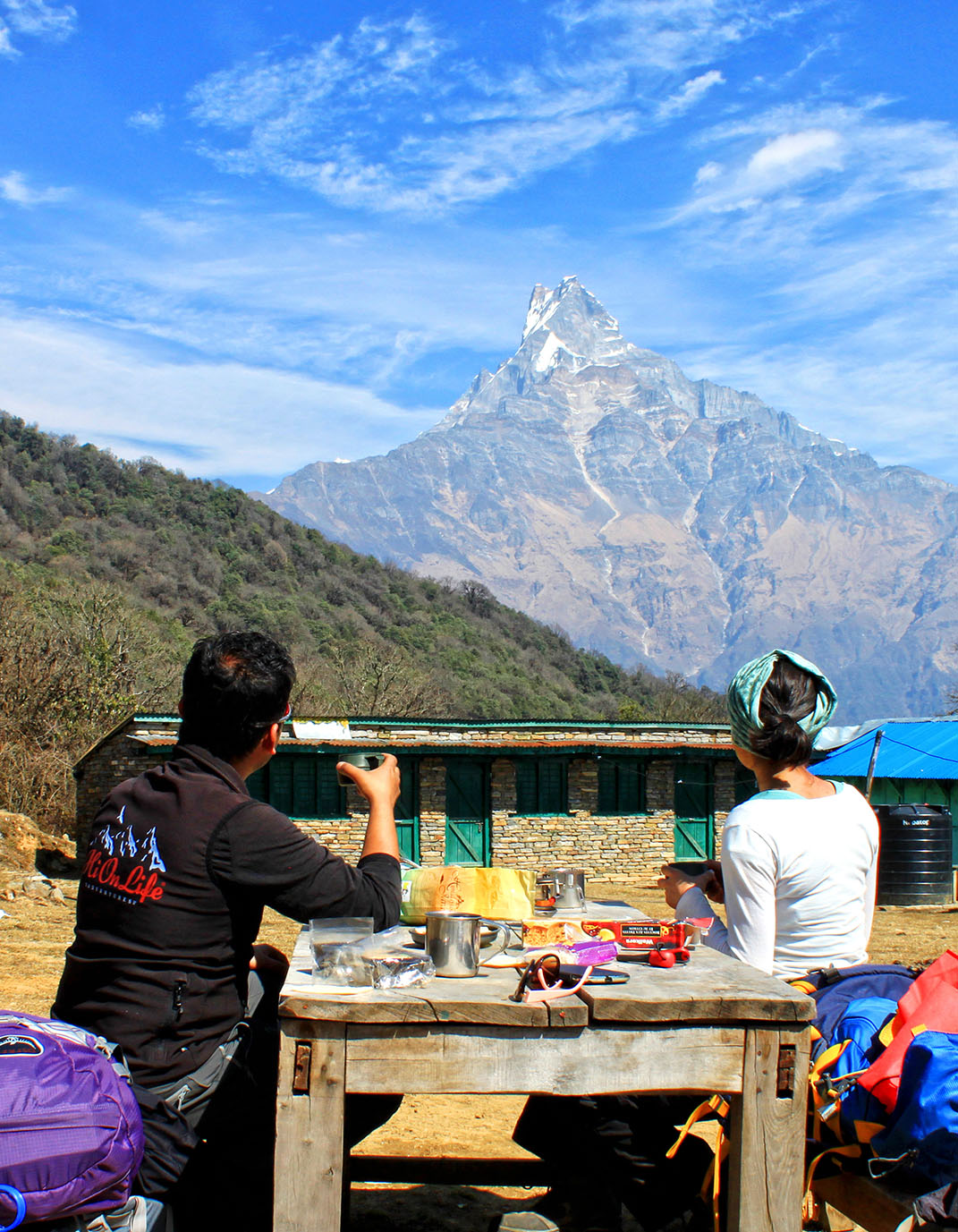
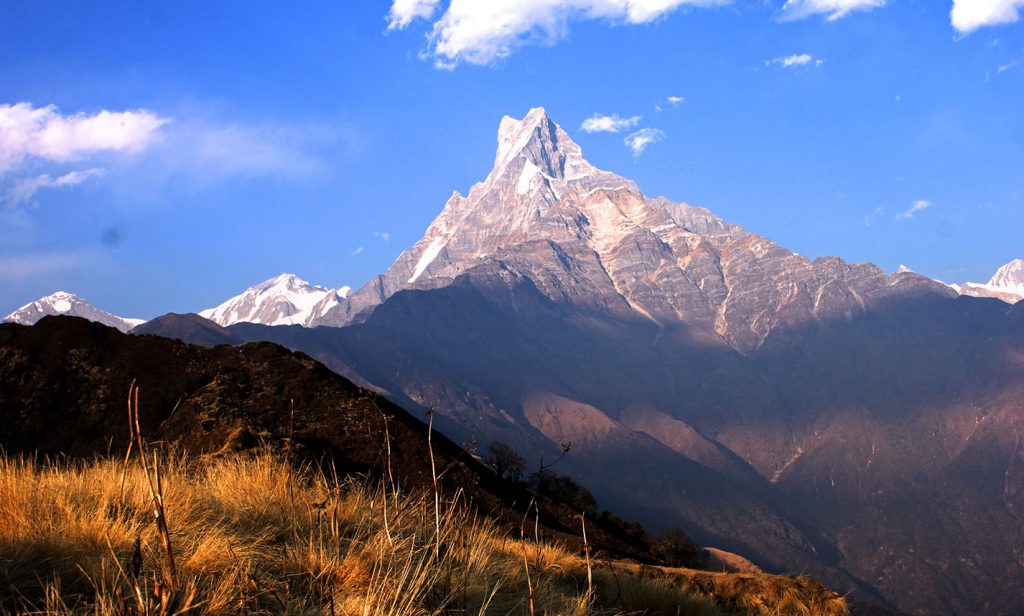
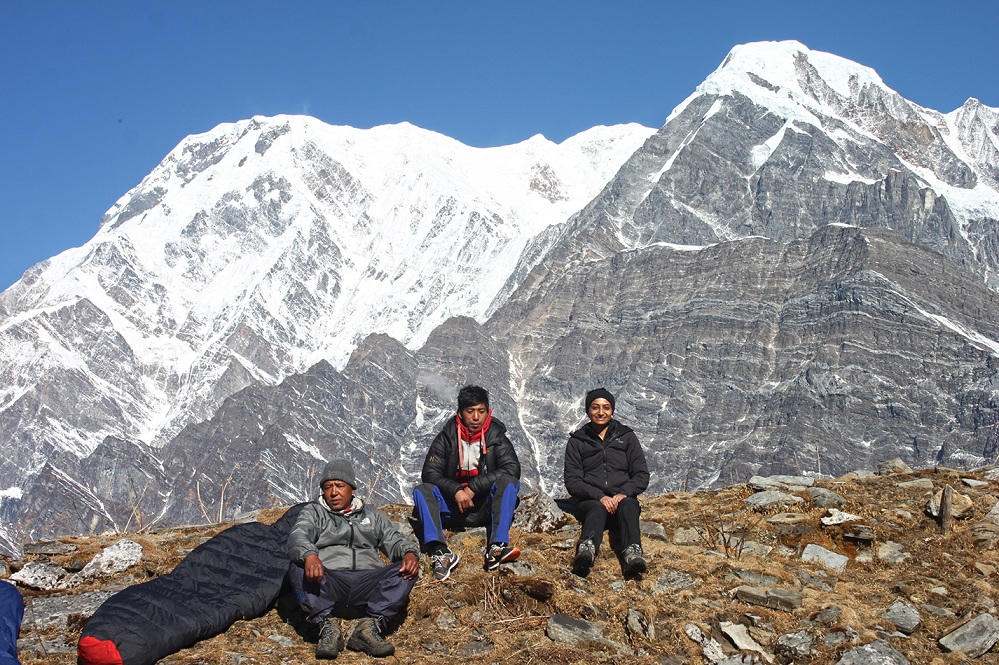
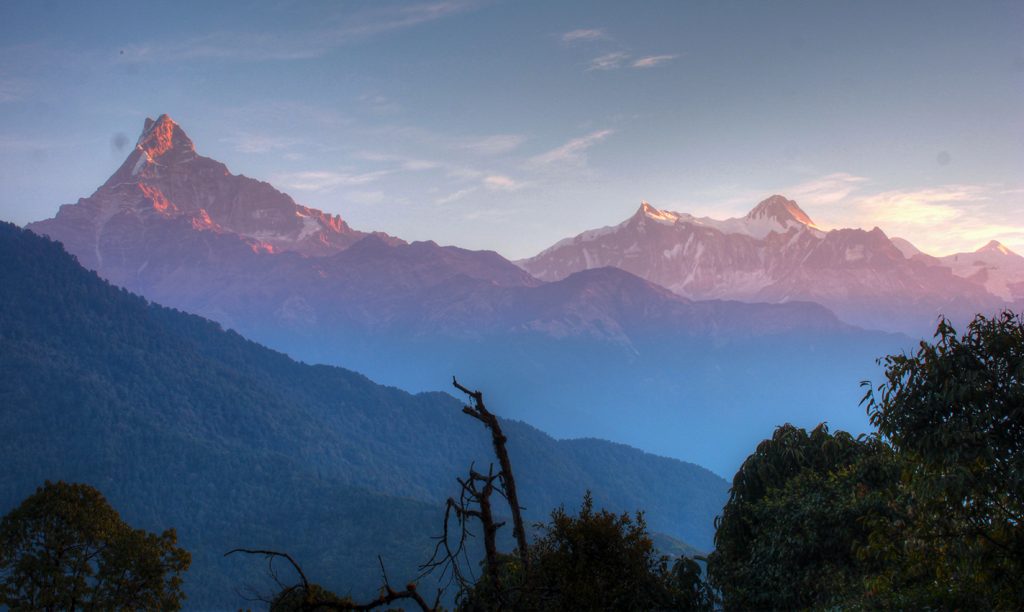
- Camp right beneath the majestic Fishtail Mountain at Mardi Himal Base Camp
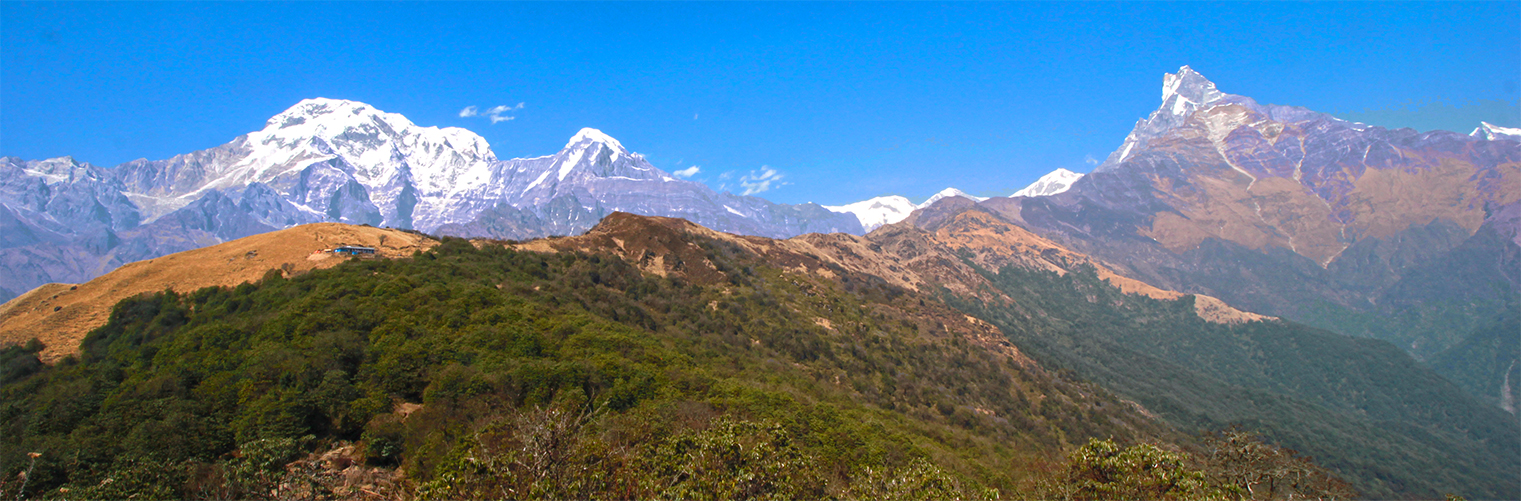
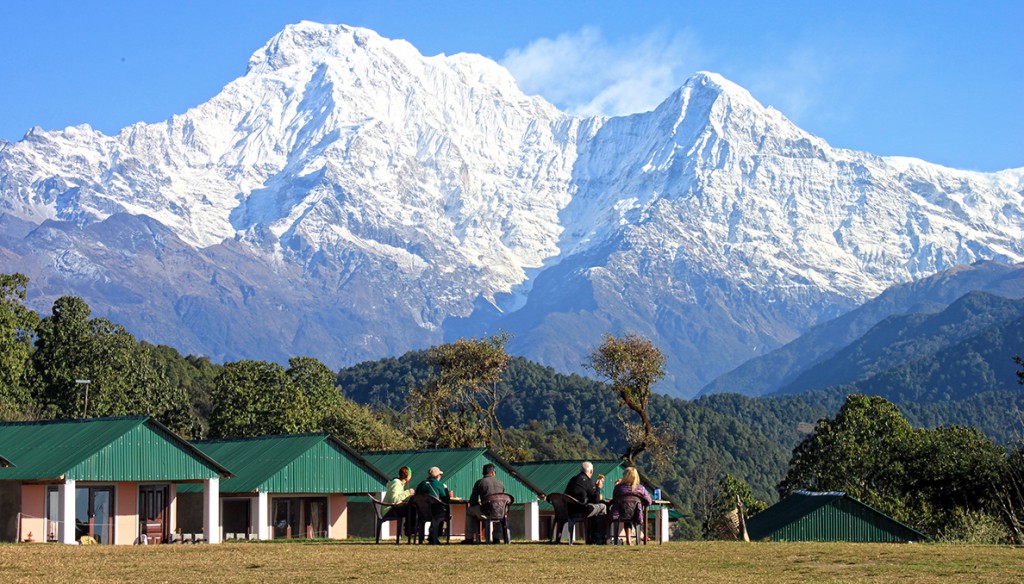
- Breathtaking views of Annapurna ranges, Dhaulagiri, Machhapuchre and Manaslu ranges.
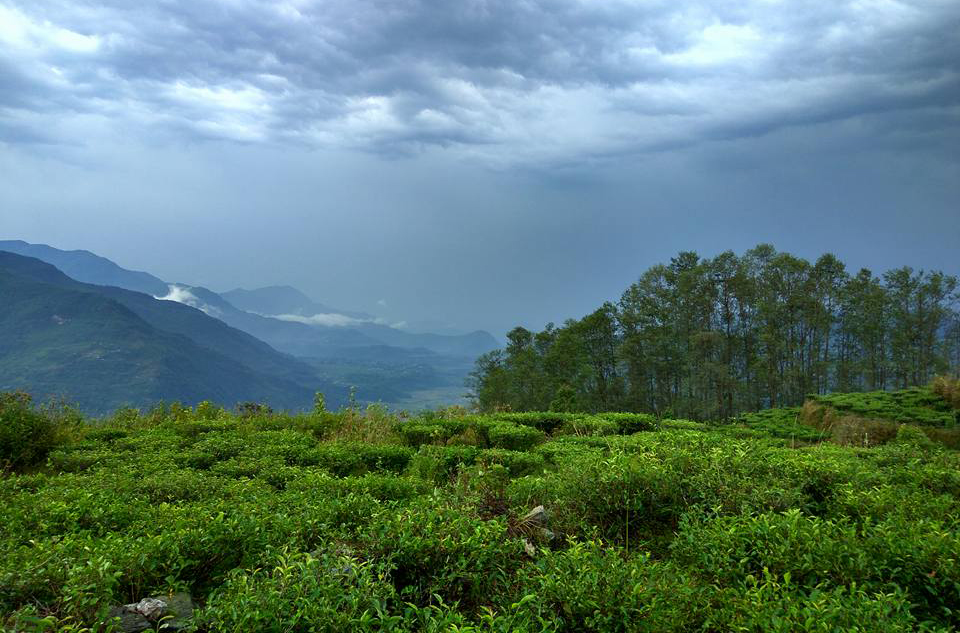
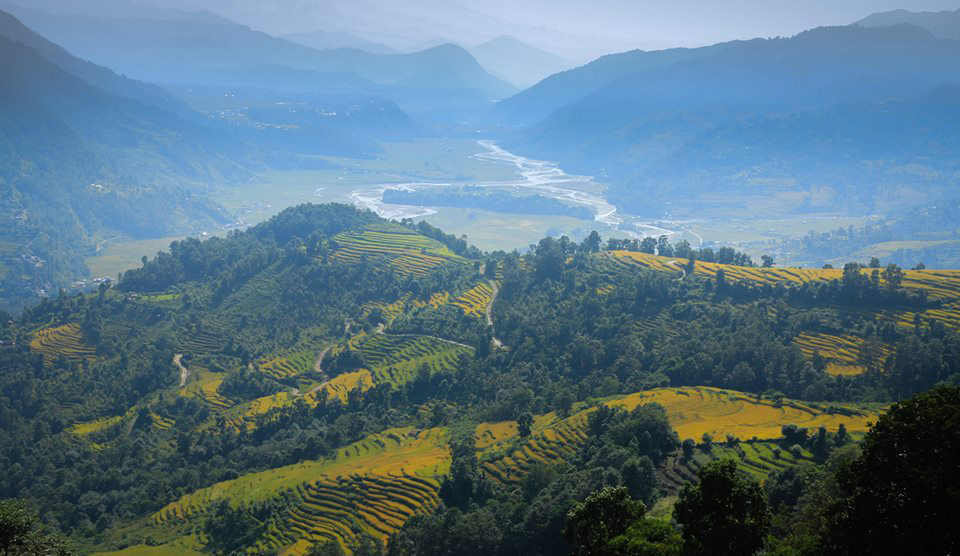
- Beautiful tea gardens and rice field with green terraced farmlands.
- Stay at local homes in the village of Lwang and experience their rich culture
- Cooking Classes and organic tea processing workshop
- Visit Pokhara with optional activities as paragliding/ biking/ or just relaxing
- Visit Bandipur- An amazingly charming village with breath taking views of Manaslu ranges
Itinerary
Price
Price Includes
- All internal transportation, in private vehicle.
- Welcome dinner.
- Half day guided city tour with lunch.
- Services of English or/and Swedish speaking guide.
- Porter’s and sherpa’s assistance.
- 3 nights in tourist class hotel on bed and breakfast basis while in Kathmandu.
- 2 nights in tourist class hotel on bed and breakfast basis while in Pokhara.
- 1 night in Gaun Ghau or Old Inn in Bandipur with all meals
- Use of a personal trek pack consisting of a duffle bag, down jacket and sleeping bag with a fleece inner-liner.
- All camping facilities
- All meals while on trek.
- Afternoon tea/coffee service on arrival at the lodge.
- Twin share accommodation in trekking lodges with shared bath and toilet facilities.
- National Park fees.
- Staff insurance, tourist service fee and all taxes applicable as per state law.
Price Excludes
- Personal accident and rescue insurance. You must provide your own rescue insurance
- Mineral water, beer, soft drinks and extra tea/coffee outside of normal meal times.
- Private room accommodation in Kathmandu unless a single supplement is paid.
- Optional tips to guides and porters.
- International airport departure taxes.
- Visa costs.
- Helicopter evacuation in the unlikely situation, although we do arrange for it and
- make the necessary documents so that you can claim from your insurance.
About Nepal
Nepal a tiny country, nestled in the Himalayas between India and China, is one of the most diverse and fascinating countries in the world. Covering an area of only 147,181 sq. km, Nepal encompasses the world’s highest mountains and the deepest valleys as well as low elevation rain forest.Although the width of the country is only 200 km North to South, Nepal has the highest altitude variation of any country on earth, from 20m above sea level to 8 848 meters above sea level (Top of Everest).
The country is divided in to 3 elevation Zones viz. the low Terrain, the Midhill region and the High Himalayas, which contains 1/3 of the Himalayan range with 9 of the world’s highest mountains. This wide diversity of landform gives Nepal an incredible wealth of flora and fauna.Nepal is not only famous for its landscape but also renowned for the friendliness of its people. The people of Nepal are as variable and intriguing as the country’s geography. There are more than 37 ethnic groups with their own language and culture.Hinduism is the official religion, which the majority of the people practice. Many people throughout the country are Buddhist and the two religions have co-existed in harmony over the ages. A small number of people practice Christianity and Islam.
Nepal at a glance:
- Longitude: 26’12’ and 30’27’ No
- Latitude: 80 degree 4′ and 88 degree 12′ East
- Population: 22 million
- Capitol: Kathmandu
- Area: 147,181 sq. km.
The Annapurna
The Annapurna is a mountain range in the Himalayas, which lies in the North- Central Nepal. It is 55 km long range and the surrounding area is protected within an area of 7,629 square km under Annapurna Conservation Area Project (ACAP). It is the first and largest conservation area in Nepal. This region is home to several world-class treks, including the Annapurna Circuit.
The Annapurna Range includes one peak over 8,000 meters (Annapurna I- 8091m), thirteen peaks over 7,000 meters, and sixteen more over 6,000 meters. It is bounded by the Kali Gandaki Gorge on the west, the Marshyangdi River on the north and east, and by Pokhara Valley on the south.
Annapurna is a Sanskrit name that means “abundance of food”, but is normally translated as Goddess of the Harvests. The foot hills of this majestic mountains has a rich agricultural fertile land where the local inhabitants grow plenty of food crops form rice, wheat, barley, corn, potatoes to apples, oranges and plenty of vegetable.
Recommended preparation:
Although it is an easy trek, average fitness is essential, as we walk along gravel/ dirt paths. The trails are easy but have some uphill climbs as well as down hills. Walking or jogging 45 mins to 1 hour for at least two times a week on undulating terrain or on a tread mill for at least 3 months prior to departure. Cycling is recommended. Easy hikes on weekends with a daypack in variable weather conditions are also recommended.
A Day On Your Trek
Although each day is different, considering the weather, general pace of the group and length of the days walk, in general your day begins with a wake up tea at around 6 to 6:30 in the morning. You will then be provided with a bowl of warm water for washing. Then you will need to pack your duffel bag and your daypack and come to the dining tent for breakfast. After breakfast we will hit the trail and usually walk for about 3 to 4 hrs before we stop for lunch. Lunches are usually picnic packed lunch. We allow you about an hour rest during lunch, which will also give enough time for the staff to prepare lunch, wash dishes and have their lunch and pack. Usually after 3 to 4 hrs of walking we finish the days walk by 4 PM. Tea/ Coffee and snacks will be served on arrival to the camp. Your Group Leader will often organize side trips in the afternoon.
Your dinner will be served around 6 PM.
Food and water
The cook and the kitchen crew prepares hot food which is normally a very balanced diet comprising of fresh vegetables and breads, to pastas and sandwiches and occasionally even cakes and pizzas. Breakfasts are usually bread eggs and cereals, and lunch and dinner are a three course meals. We make sure that you get the required amount of carbohydrates and proteins and vitamins as you burn a lot of calories walking uphills, so plenty of vegetables, canned meat and fish and eggs and cereals are carried.We provide boiled and treated water 4 times a day.

High Altitude
On this trek you will be going up to 4400m, so it is important to understand the affects of altitude. The greatest provocation is going too high too fast. Hi On Life Adventures’s itinerary has been carefully designed to minimize the effects of altitude. We ascend slowly and surely allowing enough time for safe acclimatization.Headaches and breathlessness are common at altitude which in itself is nothing to worry about. In rare cases, this may worsen to Acute Mountain Sickness (AMS), so a close watch is kept on all trekkers by the group leader who is trained to recognize the symptoms of AMS which are severe headaches, nausea, lethargy, loss of appetite serious breathlessness even at rest. If any trekkers show such signs they will be descended to relatively lower and safer altitude. The Group Leader’s decision on evacuating such person to a safe altitude is final. Do not medicate yourself without first informing your group leader. Going to altitude slowly with adequate rest and adequate intake of fluid (3 to 4 litres per day), you will most likely have no problems apart from breathlessness on hills which is completely normal as the percentage of Oxygen in the air is relatively lower to that at sea level. The most important thing is not to worry about altitude because our team is there to take care of you.
Staff
Group leader: your most important member of your staff. Our Group leaders are highly trained in all aspects of the trek, conservation, first aid specializing on
altitude sickness, emergency procedures and have extensive knowledge of the natural history of the area.
Cook: Responsible for your food. Hygiene of a high standard is taken into consideration in preparing the food.
Sirdar: His job is to manage and organize staff duties, select and organize campsites. He is responsible for the actual operation of the trek.
Sherpas: Their job is to lead your way and distribute equal loads to the porters and also help clients and other staff when need arises.
Porters: They are responsible to transport your duffle bags and their job finishes once they reach the designated lodge. Our porters are provided with Gore-Tex suits, trekking boots, gloves, hats, socks, snow gaiters and snow goggles. Most importantly, we regulate them on a 25 Kg carrying load. Our clients can therefore feel comfortable knowing that our porters are working in a good humane condition.
Weather
The best time for this trek is March till May and October till December. If you are comfortable camping at -10C then you can do this trek also in January and February when the air is cold and crispy with clear blue sky. From March till May the temperature is pleasant with clear skies andd occasional rains. The rhododendron are in full bloom and the valleys are covered like velvet. At the beginning of the trek and towards the end, that is at lower altitude the temperatures can be between 25C to 28C during the day and nighttime temperatures between 10C to 15C. As we reach higher altitude above 3000m the daytime temperatures will be between 5C to 10C during daytime and can drop to -5C at night in Base Camp.
Recommendations for things you should bring:
- Water bottle: 3 bottles min 1 liter each, should be able to hold hot water
- Day pack: medium size 30-40 liters
- Sunglasses: Poloroid/ UV protection 2-4
- Duct tape: Small roll for emergency fixing of torn jacket/ sleeping bags etc.
- Stuff bags: Small stuff bags or plastic bags to organize your duffle bag
- Money belt
- Toiletries: Your essentials. We provide toilet papers
- Towel: Quick dry travel towel
- Torch: Preferably head lamp
- Penknife
- Sewing kit
- Medical kit: As per your prescriptions. It should be noted that the group leader will be carrying a first aid kit.
Optional
- Walking sticks ( highly recommended)
- Cameras
- Knee guard for those with bad knees.
- Daytime snack (chocolates/ dry fruit trail mix)
Clothing
- Trousers: 1 lightweight for easy walking and 1 warmer for colder days preferable wind/water proof, 1 stretchable running trousers for evening wear
- Shorts: 1 (Not too high cut revealing ones)
- T-shirts: 2 light cotton or preferably polypropylene
- Full sleeves T- shirts: 2 preferably poly propylene or wool.
- Hats: 1 Sunhat and 1 woolen one for colder days
- Buff (cover for your mouth and keeps your neck warm)
- Gloves: 1 warm woolen/ fleece and 1 medium weight Gore-Tex
- Thermal underwear: 1 pair light weight tops and trousers, preferably woolen, and 1 pair medium weight woolen
- Socks: At least 4 pairs (both thin and thick woolen ones)
- Jackets: 1 fleece/ wool and 1 Gore-Tex wind/waterproof. Please note that we provide down jackets.
- Walking boots: Preferably waterproof
- Gym shoes/sandals For evenings
Please note: For every trek we provide these 1400 gm to 1800 gm down sleeping bags depending on altitude, and warm down jackets- you need not bring your own.
Healthy and trouble free holiday
Please consult a doctor for vaccination against Typhoid, Meningitis, polio, and hepatitis. If you have special dietary requirements or allergies, please give us a list of what you can and can’t eat so that we can provide proper food for you. If you are undergoing a course of prescription medicine, please ensure that you have sufficient supplies for the entire holiday. Some types of drugs including antimalarias have side effects at high altitude; therefore please consult your doctors regarding these drugs. The places you trek are mosquito free and there has been no report on malaria in Kathmandu and you do not spend time in the low land Terais.
Insure yourself:
We highly recommend you to take a comprehensive Personal Travel Insurance before leaving home. This should cover for your loss of baggage, airline delays, sickness, and accidents. It should cover all incurring costs for evacuations.
Money Matters
The ideal currency to bring with you is USD or Euro. You can exchange them in Kathmandu or Pokhara. You can also draw money from ATM machines in Kathmandu or Pokhara.The exchange rate is 1 USD = 112 Nepalese Rupees approx. (subject to change)
In Kathmandu and Pokhara: During the entire trip the only meals that you need to pay for are 3 dinners and 2 to 3 lunches depending on your time of departure flight. Kathmandu and Pokhara have a wide variety of restaurants with a very wide range of price. Depending on where you eat, each meal will cost anything between 5 to 10 USD + drinks. Plus 20 to 30 USD for your taxis if you wish to go around the city.
On trek: Basically there are no place where you can spend money on the trek. However, in few places you might find small tea shops that sells cold drinks, chocolates etc. It is recomended to bring around 5 to 7 USD per day. This money is chocolates, soft drinks and beers etc and also for small donations in the monasteries.
While in Pokhara if you wish to do extra activities you need to pay it yourself.
- Mountain flights and Ultra light flights: 120 to 200 USD depending on duration
- Paragliding: 60 to 90 USD depending on duration
- Kayaking, boating or biking: 2 to 5 USD depending on duration
- Hiring scooter or motorbikes: 5 to 10 USD depending on duration
Tipping
Although tipping is entirely optional and personal matter the following is recommended as a guideline
In Kathmandu and Delhi: for bellboys, waiters and porters 50 to 100 Rupees
On the trek: At the end of the trek it is a customary to tip the field staff. The recommended amount is 80-120 USD depending on group size. The Group leader will collect the tip and then split it between the staff and put it in envelops so that the trekkers can give it to the staff during the “Farwell Ceremonies”.
Please note– the Group Leader is not included in this tip. If you want to tip the Group Leader, you can do it separately at the end of the entire trip coming back to Kathmandu.
Some Do’s and Don’ts
Nepalese people treat visitors as special guests. Although they will never rebuke you publicly for unknowingly offending them, we must consider their culture.
While in Nepal please observe the following:
- Full or partial nudity is not accepted.
- Over display of affection between men and women, especially in temples and monasteries are discouraged.
- Please remove your shoes before entering monasteries and temples.
- Never point the soles of your feet at a person or shrine.
- Locals walk around the Mani walls and Stupas in a clockwise direction as a respect and they expect you to do the same although it is not compulsory.
- Please ask before taking pics of a person or his/her child
“TODAY IS YOUR DAY! YOUR MOUNTAIN IS WAITING, SO… GET ON YOUR WAY!”
DR. SEUSS