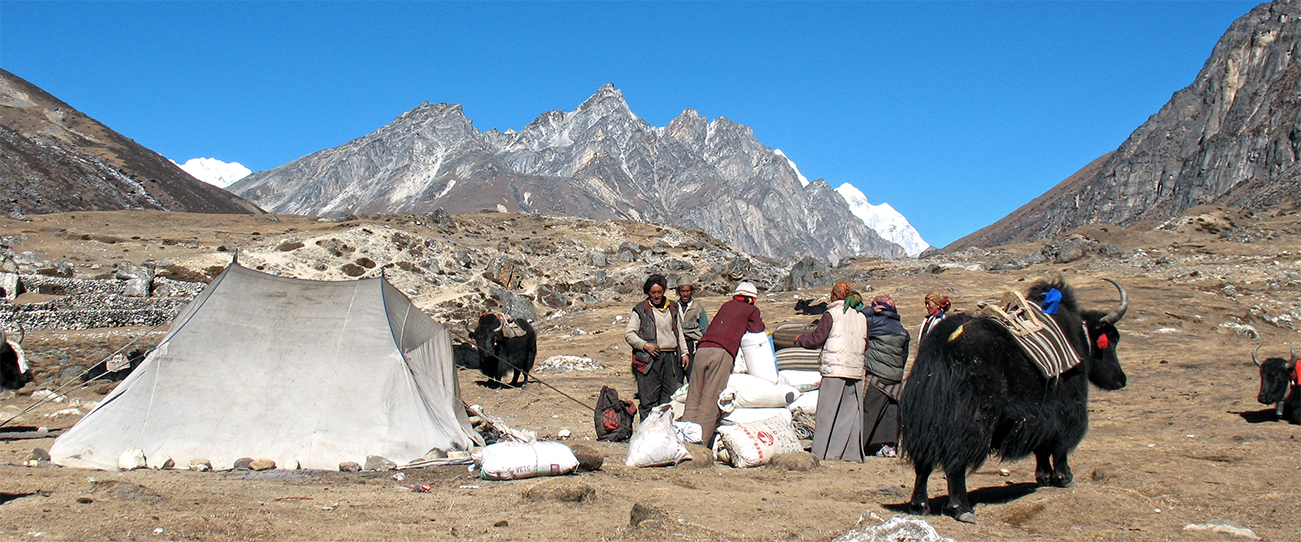
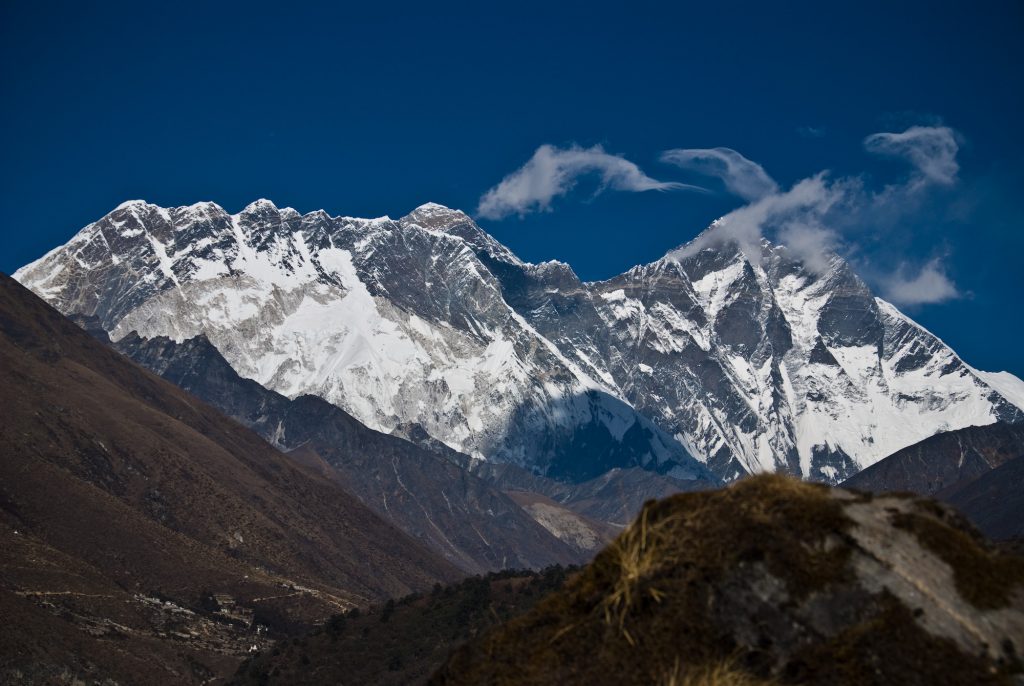
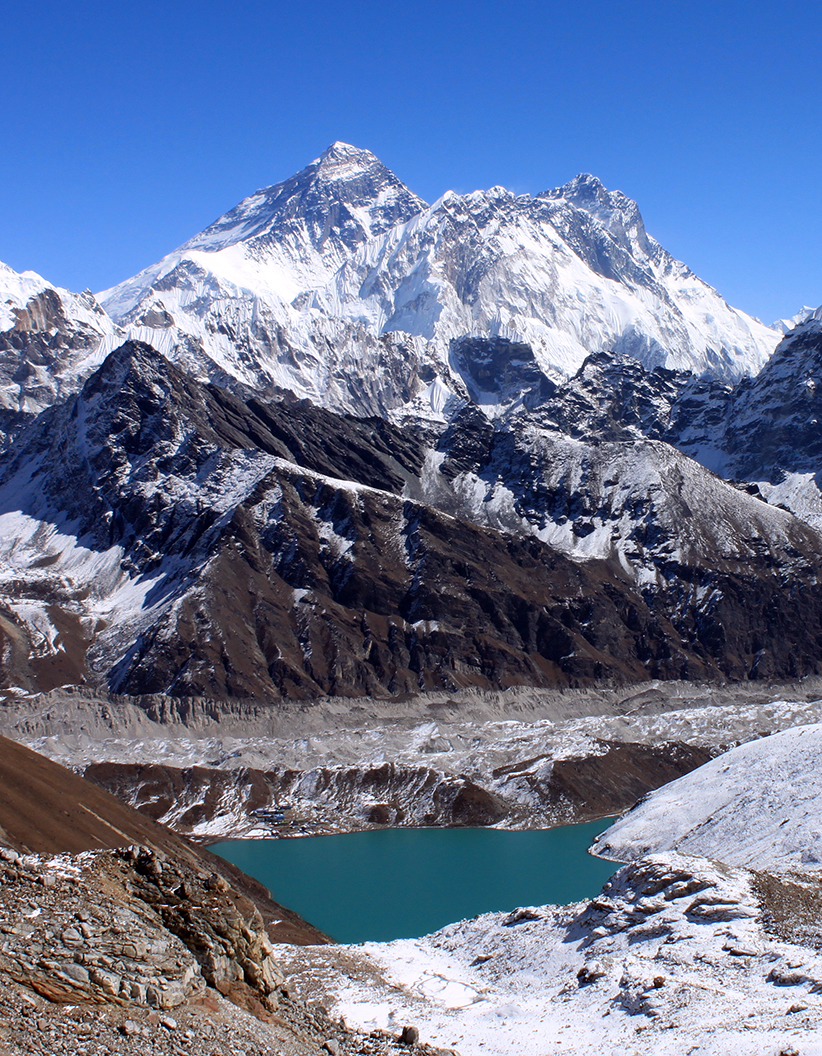
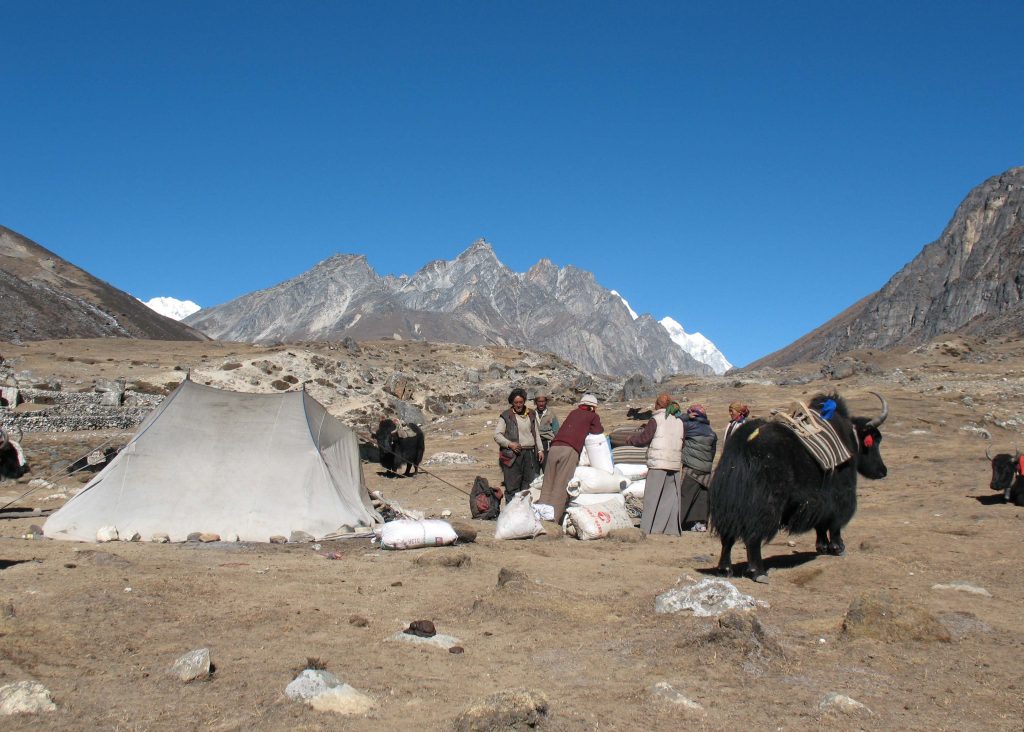
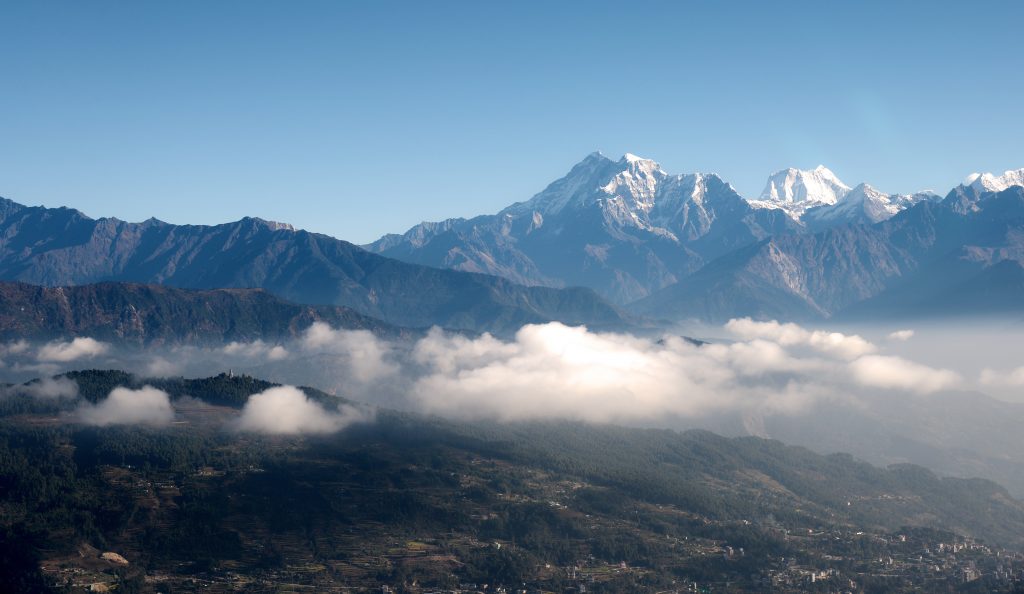
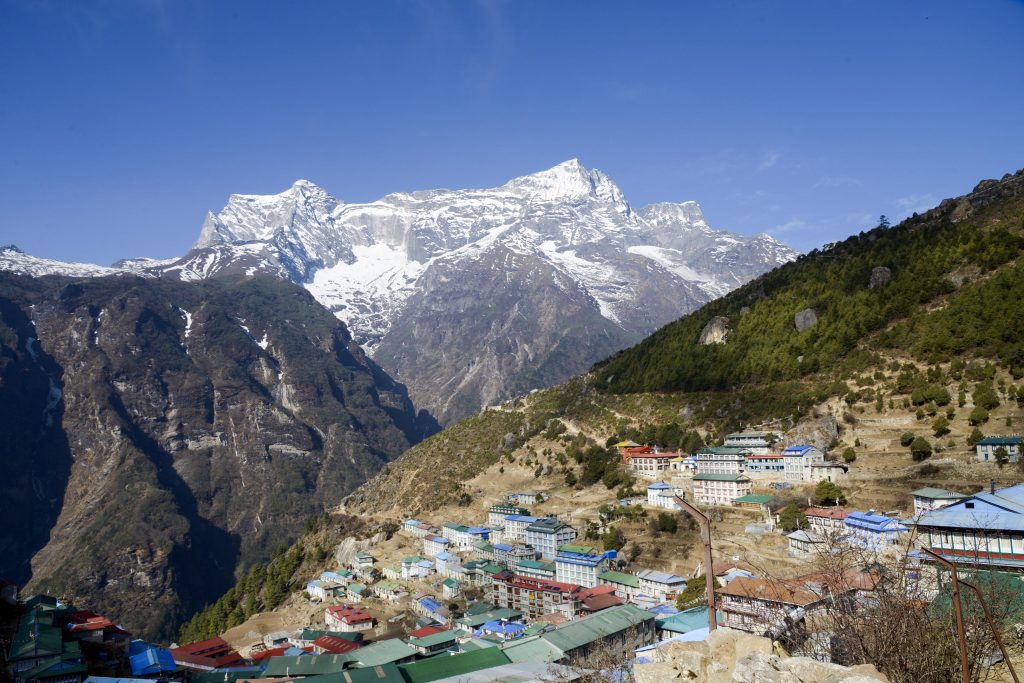
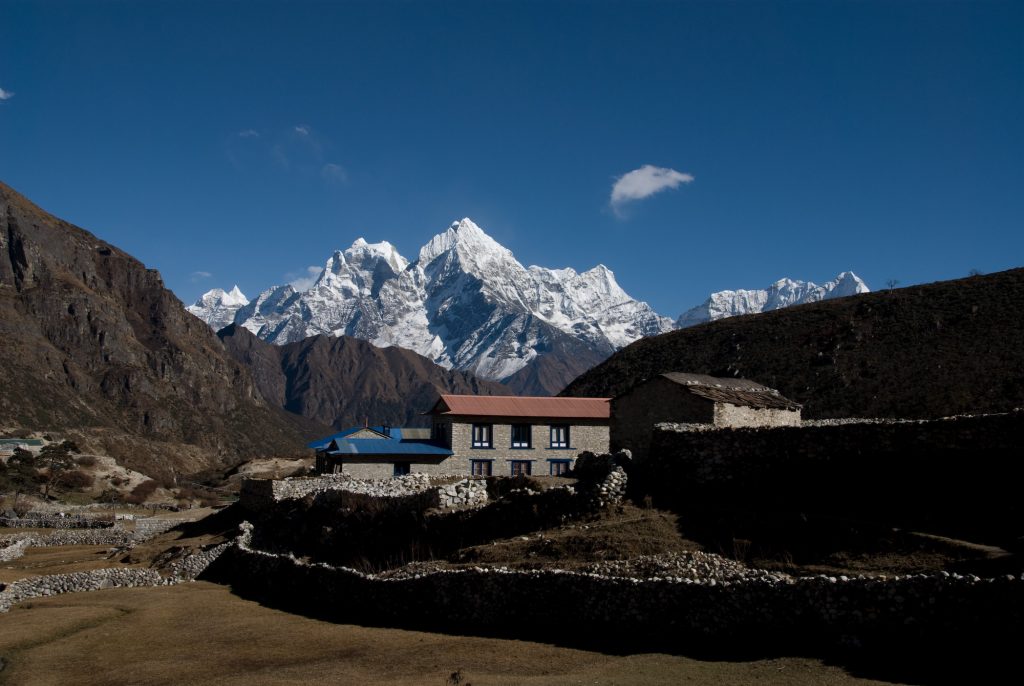
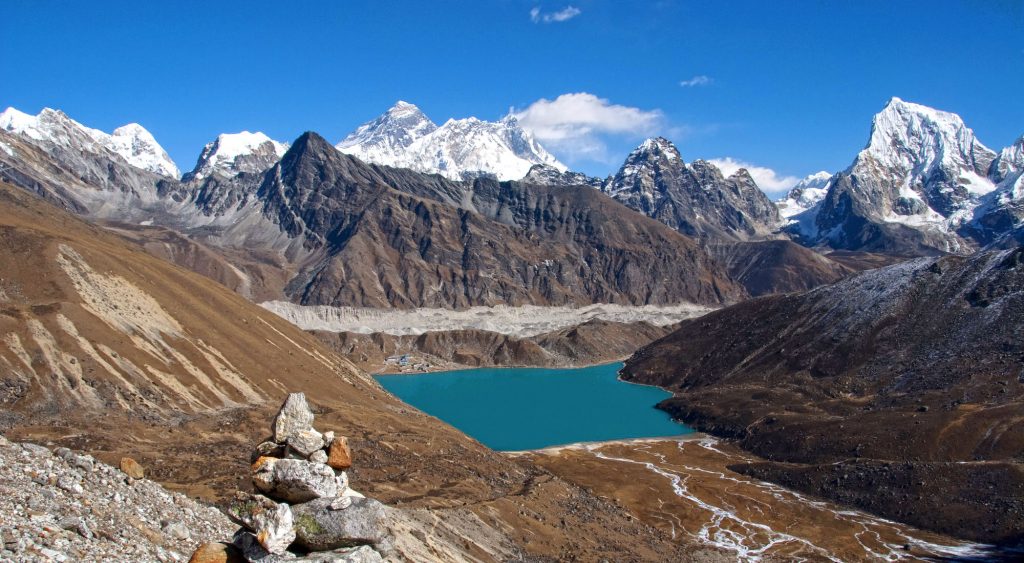
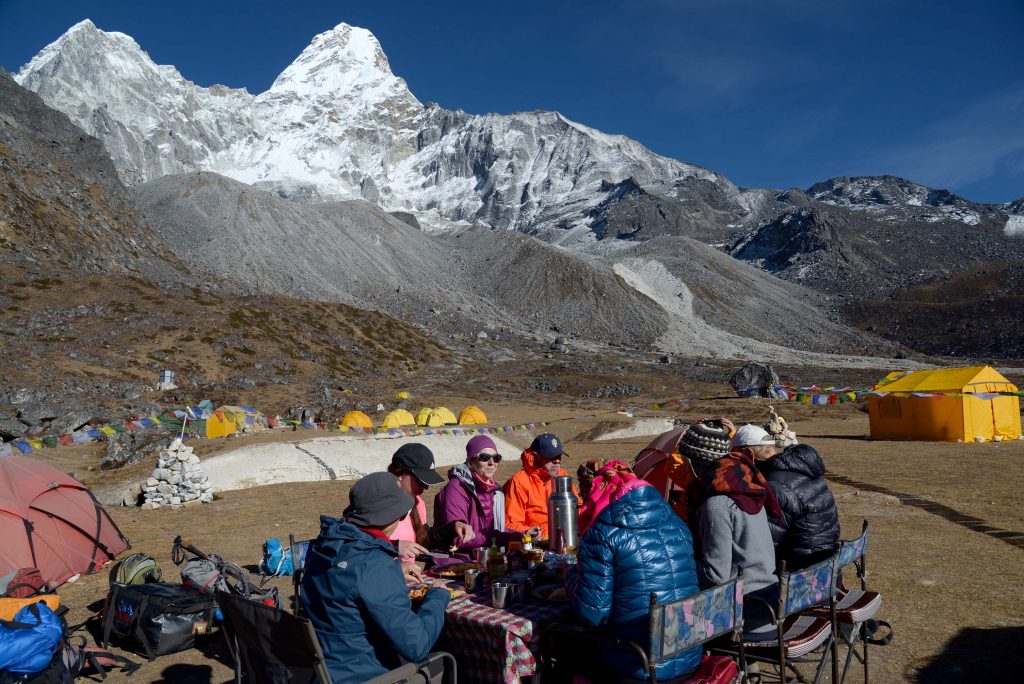
Everest three passes, also called the Everest Circuit is a complete exploration of the Everest region. It includes the popular Everest Base Camp trek along with off beat treks which crosses over the three passes that connects the four main valleys on the region- Thame valley, Gokyo valley, Khumbu valley and Imja valley. These passes offers superb vistas of the different valleys and their mountains.
Overview
A spectacular flight to Lukla begins your adventure in the Everest region. Trekking through high alpine valleys following the milky white rivers, you ascend to the astonishing pass Renjo La, famous for being one of the best vantage point in the region with breathtaking views of Mt. Everest and the surrounding Himalayan giants. We continue to Gokyo, where you can see high alpine lakes and glaciers. From here we cross the Cho La and trek towards Everest Base Camp and climb Kala Pathar where you are surrounded 360 degrees by peaks over 7000 m tall along with 8000 m+ massifs of Everest and Lhotse, towering on the eastern side. After Everest Base Camp we cross over Kongma La to descend to the Imja valley and join the Everest Base Camp main trail to end this fantastic trek at Lukla. With its alpine valleys and lakes, rugged mountainous landscape, glaciers and scores of gigantic mountains, this region is rated among the ‘five best’ region for trekking in the world. Your return back journey brings you past the Tyangboche Monastery, considered as a photographer’s favorite place.
Highlights
- Mountain flight to Lukla
- Namche Bazaar- the Sherpa capital of the Khumbu
- Tyangboche monastery- a 200 year old monastery situated on a ridge surrounded by massive mountains.
- Renjo la- the best vantage point of the Everest massif and its surrounding peaks
- Gokyo Ri- Views of 4 of the 6 highest mountains- Mt. Everest (8848 m), Mt. Lhotse (8510 m), Mt. Makalu (8467 m) and Mt. Cho Oyu (8201 m)
- Cho la and Kongma la passes- Challenging and rewarding!
- Everest Base Camp- the base for climbing expeditions from the South side.
- Kalapathar- spectacular views of Mt. Everest and its surrounding peaks along with the Khumbu glacier and Khumbu Ice fall.
- Amadablam Base Camp- most beautiful base camp of probably the most beautiful mountain in the world!
- Tyangboche monastery- Most important monastery for the Sherpas in a picturesque location- A photographer's dream place!
- Sagarmatha National Park, listed as a World Heritage Site by UNESCO
Itinerary
Price Includes
- All internal transportation, in private vehicle.
- Services of English-speaking guide, porter‟s and sherpa‟s assistance
- 4 nights in tourist class hotel on bed and breakfast basis while in Kathmandu.
- Welcome dinner.
- Half day guided city tour with lunch.
- Use of a personal trek pack consisting of a duffle bag, Tshirt, down jacket and sleeping bag.
- Both way air fare to Lukla and back to Kathmandu with domestic terminal taxes.
- All meals while on trek.
- Afternoon tea/coffee service on arrival at the lodge
- Twin share accommodation in trekking lodges with shared bath and toilet facilities
- National Park fees,
- Staff insurance, tourist service fee and all taxes applicable as per state law.
Price Excludes
- Personal accident and rescue insurance. You must provide your own rescue insurance
- Mineral water, beer, soft drinks and extra tea/coffee outside of normal meal times
- Private room accommodation in Kathmandu unless a single supplement is paid
- Optional tips to guides & porters
- International airport departure taxes
- Visa costs
- Helicopter evacuation in the unlikely situation, although we do arrange for it and make the necessary
- documents so that you can claim from your insurance.
Map
This is the ultimate in the Everest region! This trek not only covers all major valleys that constitutes the region, but also includes all the major landmarks with the most beautiful views. There are four major valleys in the Everest region viz. Thame Valley, Gokyo Valley, Khumbu Valley and Imja Valley. these valleys are connected by three passes viz. Reno La, Cho La and Kong La. Everest Three passes trek, or what many people call the Everest Circuit trek, takes you through all these valleys crossing the three amazingly beautiful passes.
We begin our adventure with a spectacular flight to Lukla. The first couple of days we trek through alpine forests along the Dudh Koshi river to reach Namche. We take a couple of days halt here to acclimatise by walking in and around Namche as acclimatisation cannot be done in a hurry. A hike to Everest View Hotel, which is a 400m climb from Namche Bazaar will compliment our acclimatisation and also provide us with breathtaking vistas of Mt. Everest and the surrounding peaks.
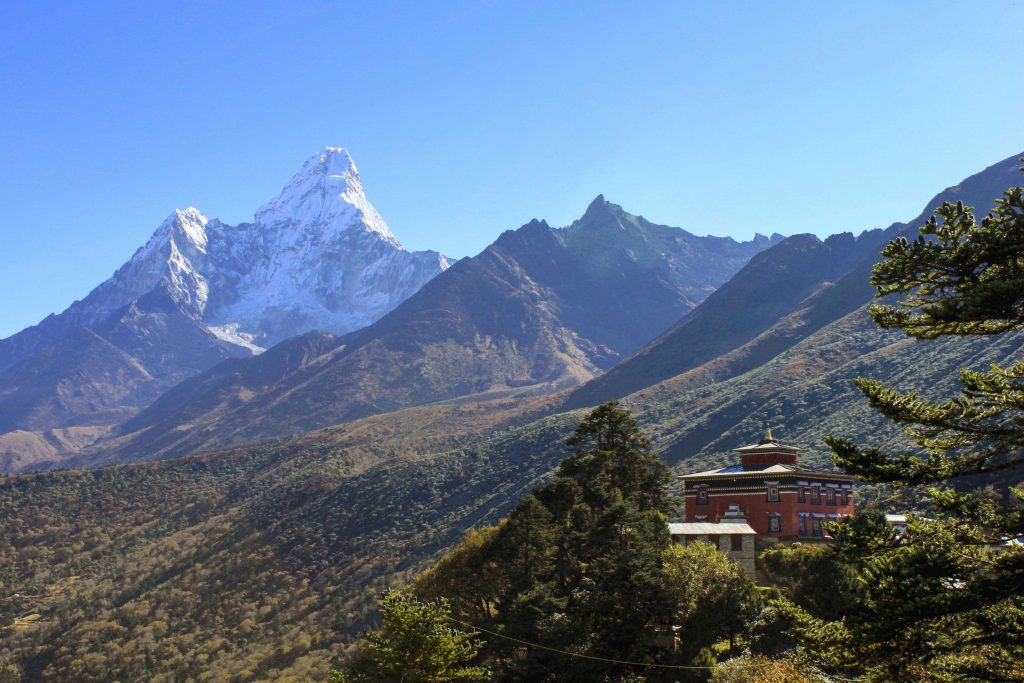
After Namche we leave the main “Everest Highway” and head west towards Thame valley. After a few days trek through this beautiful valley and fascinating villages we cross the Renjo La, form where you get the best view of Mt. Everest with Mt. Makalu, Mt. Lhotse and dozens of surrounding mountains. From Renjo La, you descend to Gokyo where you will stay near the beautiful turquoise glacial lakes, which along with the Ngozumpa glacier are the source of the Dudh Koshi. The next morning climb Gokyo Ri. You will trek along the three lakes of Gokyo and turn east to cross over the Ngozumpa glacier. We leave the Gokyo valley and enter the Khumbu valley via Cho La to meet the popular Everest Base Camp trek. You will visit the historic landmark of Everest Base Camp and climb Kalapathar for a fantastic view of Mount Everest and the surrounding mountains. Next, we cross over the Khumbu Glacier and leave the Khumbu valley behind to enter the Chukung valley via Kongma La. This valley offer fantastic views of the famous South face of mighty Lhotse. We walk down this valley to meet the Everest Base Camp trail at Dingboche. A side walk to Amadablam Base Camp is well rewarding as Amadablam is one of the most beautiful mountains in the world its base camp is the most beautiful base camp in the Himalaya. On our return journey we will visit Tyangboche which is famous for its beautiful monastery, the most important monastery for the Sherpas. Tyangboche is also called a photographer’s favourite place as the surrounding views are just awe inspiring.
Grading: This expedition is graded Grade D which is equivalent to physically demanding and challenging.
Stamina is essential, as walking days are long. We recommend previous trekking experience, preferably at altitude. Walking or jogging 45 mins to 1 hour for at least two times a week on undulating terrain or on a tread mill with inclined angle for at least 3 months prior to departure. Cycling is recommended. Long day hikes on weekends with a daypack in variable weather conditions is also recommended.
Summary
- Trek Distance: Approx. 210 km
- Maximum altitude: 5545m (18,192ft)
- In / Out: Kathmandu
A Day on Your Trek
Although each day is different, considering the weather, general pace of the group and length of the days walk, in general your day begins with a wake up tea at around 6 to 6:30 in the morning. You will then be provided with a bowl of warm water for washing. Then you will need to pack your duffel bag and your daypack and come to the lodge’s diner for breakfast.
After breakfast we will hit the trail and usually walk for about 3 to 4 hours before we stop for lunch. We will give you about an hour and a half rest during lunch, which will also give enough time for the staff to have their lunch and pack. Usually after 3 to 4 hours of walking we finish the days walk by 4 PM. Tea/ Coffee and snacks will be served on arrival to the lodge. Your group Leader will often organize side trips in the afternoon. Your dinner will be served around 7 PM.
High Altitude
On this trek you will be going up to 5545m, so it is very important to understand the affects of altitude. The greatest provocation is going too high too fast. Hi On Life’s itinerary has been carefully designed to minimize the effects of altitude. We ascend slowly and surely allowing enough time for safe acclimatization.
Headaches and breathlessness are common at altitude which in itself is nothing to worry about. In rare cases, this may worsen to Acute Mountain sickness (AMS), so a close watch is kept on all trekkers by the group leader who is trained to recognize the symptoms of AMS which are severe headaches, nausea, lethargy, loss of appetite serious breathlessness even at rest. If any trekkers show such signs they will be descended to relatively lower and safer altitude. The Group Leader’s decision on evacuating such person to a safe altitude is final. Do not medicate yourself without first informing your group leader. Going to altitude slowly with adequate rest and adequate intake of fluid (3 to 4 litres per day), you will most likely have no problems apart from breathlessness on hills which is completely normal as the percentage of Oxygen in the air is relatively lower to that at sea level. The most important thing is not to worry about altitude because our team is there to take care of you.
Staff
Group leader: your most important member of your staff. Our Group leaders are highly trained in all aspects of the trek, conservation, first aid specializing on altitude sickness, emergency procedures and have extensive knowledge of the natural history of the area.
Sirdar: His job is to manage and organize staff duties. He is responsible for the actual operation of the trek.
Sherpas: Their job is to lead your way and distribute equal loads to the porters.
Porters: They are responsible to transport your duffle bags and their job finishes once they reach the designated lodge. Our porters are provided with Gore-Tex suits, trekking boots, gloves, hats, socks, snow gaiters and snow goggles. Most importantly, we regulate them on a 25 Kg carrying which no other company does. Our clients can therefore feel comfortable knowing that our porters are working in a good humane condition. During the trek you can see porters carrying 60-70 kg and sometimes even more than 100 kg!!)
Weather:
Oct/Nov and March/April
On the trek at lower altitude (2500m to 3500m) during daytime the Max temp can be around 15C to 20C and the Min temp can be 0C to 5C
At higher altitude (3500m to 5000m) the daytime Max temp can be between 5C to 10C and Min temp can be between -6C to OC
Please note: when there is an overcast sky, the day time temperature can get down to -2C during day time at altitudes above 4500m. Also the wind makes a big difference in the real feel of temperature.
Dec to end of Feb
On the trek at lower altitude (2500m to 3500m) during daytime the Max temp can be around 2C to 7C and the Min temp can be – 5C to 2C
At higher altitude (3500m to 5000m) the daytime Max temp can be between -5C to 5 C and Min temp can be between -8 C to -20C
Please note: when there is an overcast sky, the day time temperature can get down to -5C during day time at altitudes above 4500m. Also the wind makes a big difference in the real feel of temperature.
This is just general information and it could vary.
Recommendations for things you should bring:
Clothing:
Head:
- Warm hat wool or synthetic that covers your ears
- Sunhat
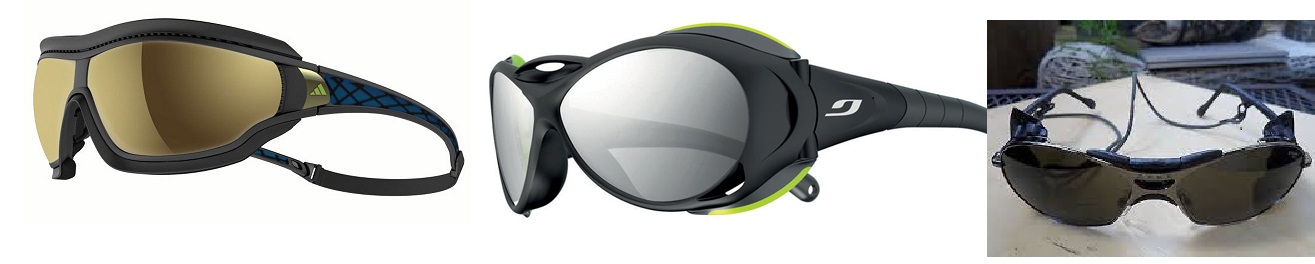
- UV shield/ Category 2 sunglasses
- Headlamp with extra batteries
- Bandana or head scarf, also useful for dusty conditions
Upper Body: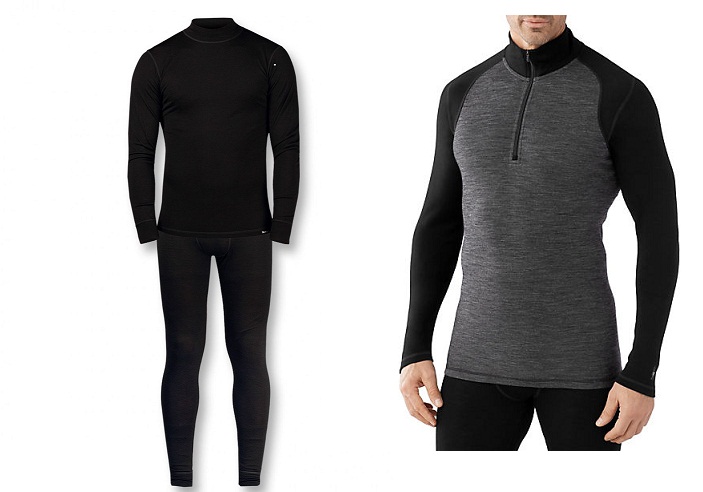
- 2 polypropylene or wool mix t-shirts
- 2 polypropylene or wool mix long sleeve t-shirts
- 2 long sleeve thermal underwear shirts, lightweight preferably woolen
- 1 polar fleece pullovers medium weight
- 1 polar fleece jacket, OR Primaloft/ Down light weight jacket
- Gore-Tex jacket with hood, waterproof and breathable
- For high altitude use, 1 very warm goose-down jacket with hood (we provide this)
Hands:
- 1 pair medium weight wind stopper gloves
- 1 pr. lightweight poly-liner gloves
Lower Body:
- 1 pair walking shorts
- 1 to 2 pair walking trousers for trekking
- 1 pair stretchable running trouser for evening wear at lodges
- 2 pair lightweight thermal bottoms
- 1 pair Gore-Tex trousers, wind stopper
Feet:
1 pair trekking /walking boots with good ankle support
1 pair trainers, running shoes and/or sandals for Kathmandu and in lodges;
2 pair med weight preferably wool socks
2 to 3 pair of liner socks. Polypropylene or wool
2 pair lightweight trekking socks, poly or wool
Sleeping:
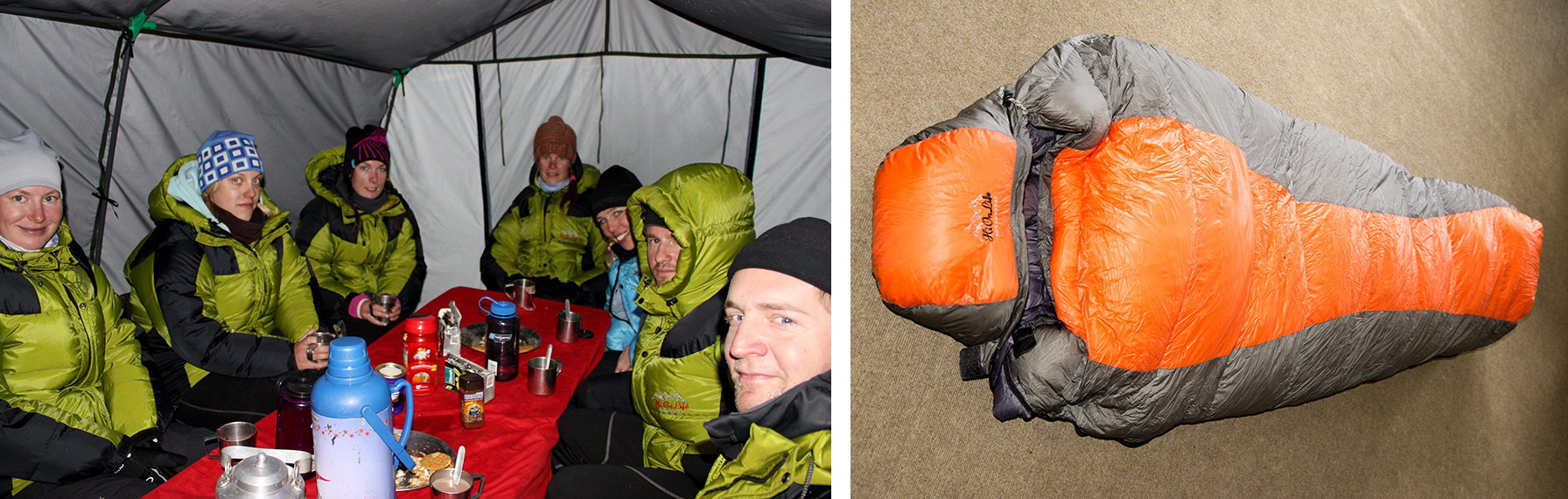
We provide:
- 1 down sleeping bag (rated to – 20 Centigrade or -0 F )
- 1 polar fleece liner
Rucksack and Travel Bags:
- 1 medium rucksack (30-35 litres)
- We provide you 1 big duffle bags.
- Small padlocks for duffel kit bags.
Assesories:
- 1 small roll of repair tape, 1 sewing repair kit
- Camera
- Nylon stuff sacks for food and gear storage, large Ziplocs are useful also
- 2 Water bottles (1 litre)
- 1 small folding knife
- Books, playing cards, ipod/mp3 player, games, small musical intruments
- Adequate amount of batteries, etc.
Health and trouble free holiday
There are no compulsory vaccinations required for entering Nepal. However please consult a doctor for vaccination against Typhoid, Meningitis, polio, and hepatitis. If you have special dietary requirements or allergies, please through your agent, give us a list of what you can and can’t eat so that we can provide proper food for you.
If you are undergoing a course of prescription medicine, please ensure that you have sufficient supplies for the entire holiday. Some types of drugs including antimalarials have side effects at high altitude; therefore please consult your doctors regarding these drugs. The places you trek are mosquito free and there has been no report on malaria in Kathmandu for the past couple of decades.
Insure yourself
We highly recommend you to take a comprehensive Personal Travel Insurance before leaving home. This should cover for your loss of baggage, airline delays, sickness and accidents. And it should also cover you for Emergency Helicopter Evacuation.
In case of Lukla flight cancellation: Sometimes due to bad weather Lukla flights get cancelled. This may make it difficult for you to connect with international flights. In such an event and if the group as a whole wishes to charter a helicopter, which is an ideal solution to Lukla flight delays, we can arrange for it. Your will need to pay about 400 USD per person.
Money Matters
The ideal currency to bring with you is USD.
In Kathmandu: Each meal will cost around 4 to 6 USD. Plus 10 to 20 USD for your taxis if you wish to go around the city.
On trek: You will need around 6 to 10 USD per day. This money is for your hot showers, chocolates, soft drinks and beers etc and also for small donations in the monasteries.
Tipping
Although tipping is entirely optional and personal matter the following is recommended as a guideline
In Kathmandu: for bellboys, waiters and porters 30 to 50 Nepali Rupees
On the trek: At the end of the trek it is a customary to tip the field staff.
- For Staff: 100-120 USD depending on group size. The group leader will collect the tip and then split it between the staff and put it in envelops so that the trekkers can give it to the staff during the “Farwell Ceremonies”. Your Group Leader is not included in this tip.
- For Group Leader: 30 to 50 USD per person
Some Do’s and Don’ts
Nepalese people treat visitors as special guests. Although they will never rebuke you publicly for unknowingly offending them, we must consider their culture.
While in Nepal please observe the following:
- Full or partial nudity is not accepted
- Over display of affection between men and women, especially in temples and monasteries are discouraged
- Please remove your shoes before entering monasteries and temples
- Never point the soles of your feet at a person or shrine
- Many Hindu temples are closed to non-Hindus. Please ask before entering
- Locals walk around the Mani walls and Stupas in a clockwise direction as a respect and they expect you to do the same although it is not compulsory
“TODAY IS YOUR DAY! YOUR MOUNTAIN IS WAITING, SO… GET ON YOUR WAY!”
DR. SEUSS