Tibet
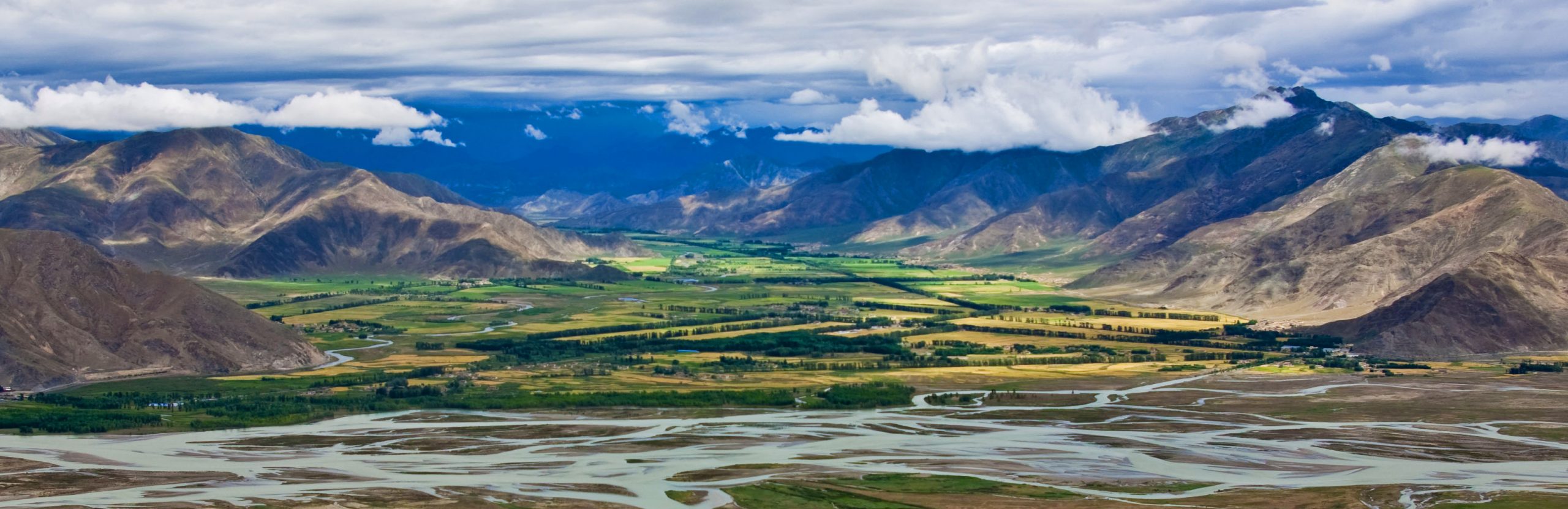
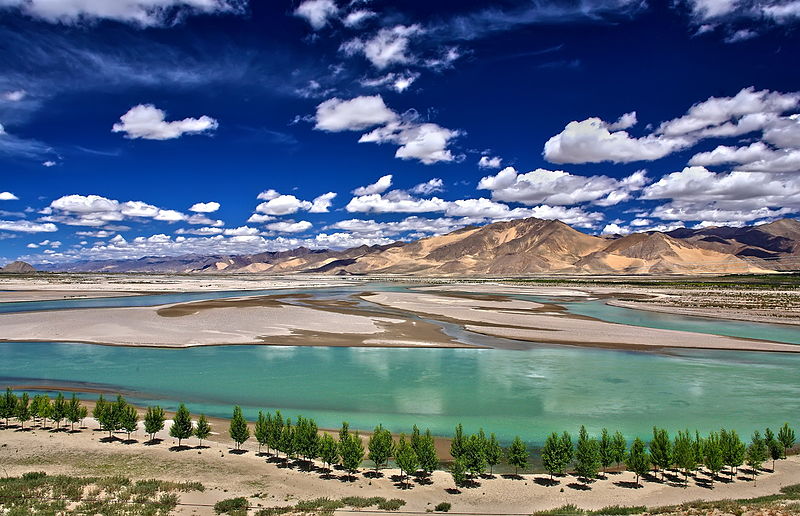
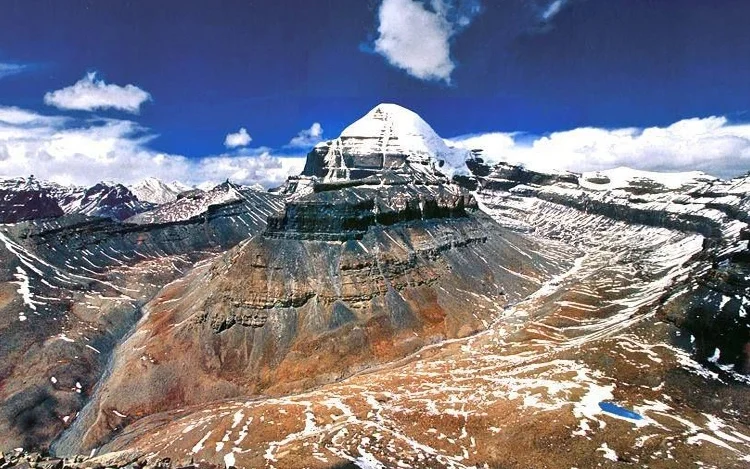
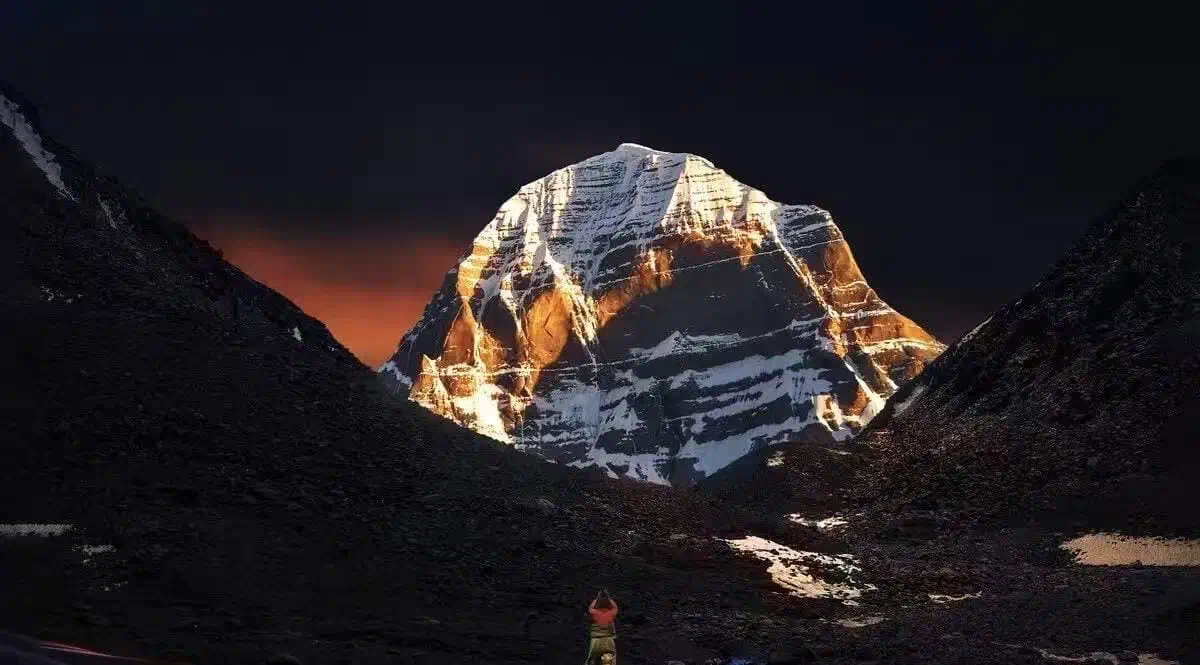
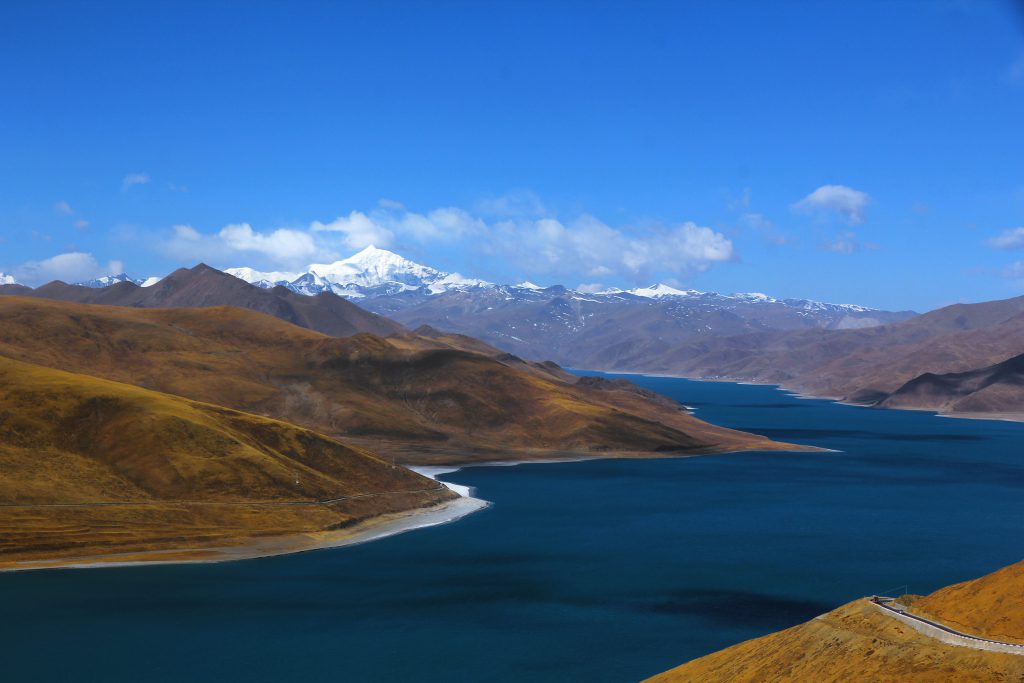
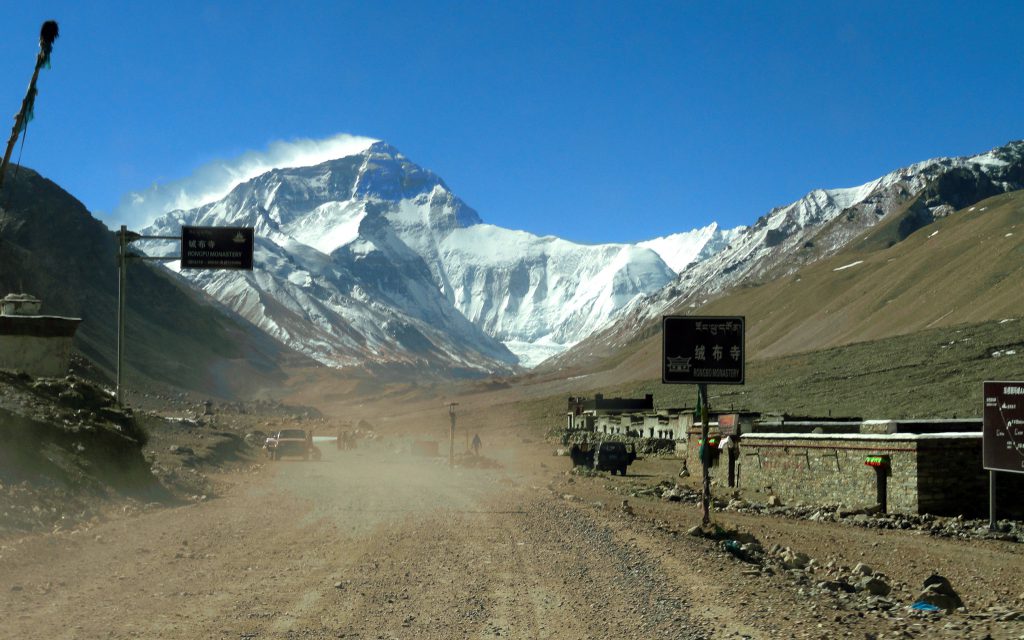
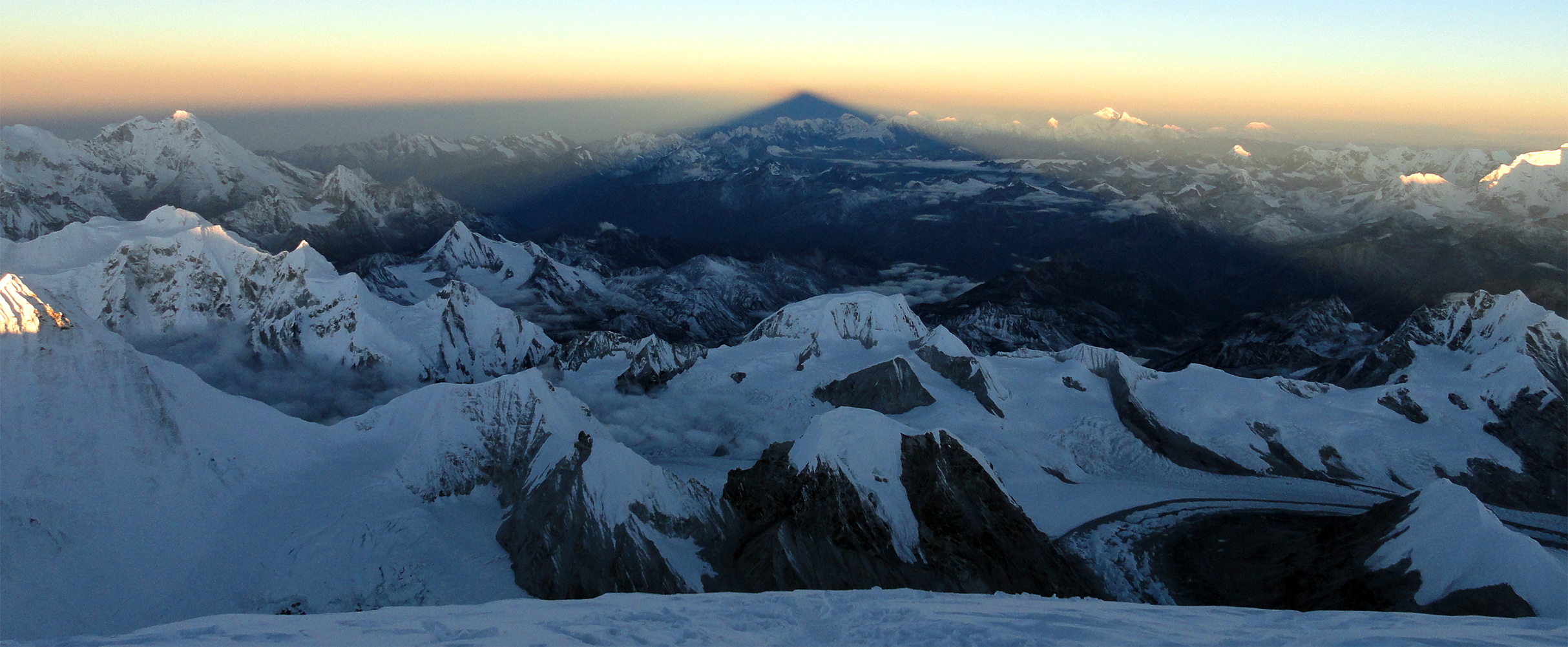
Tibet is a historic region that spans much of the vast Tibetan Plateau in Central Asia. It serves as the traditional homeland of the Tibetan people, along with several other ethnic groups, including the Monpa, Qiang, and Lhoba. Over time, significant numbers of Han Chinese and Hui people have also settled in the region. Tibet stands as the highest region on Earth, with an average elevation of about 4,900 meters (16,000 feet). It is also home to Mount Everest, the world’s tallest mountain, which rises 8,848 meters (29,029 feet) above sea level.
The Tibetan Empire emerged in the 7th century and grew into a powerful state across the plateau. After the empire collapsed, the region fragmented into multiple territories. Western and central Tibet often came under the nominal authority of successive Tibetan governments based in Lhasa, Shigatse, or nearby centers. At various times, these governments operated under the overlordship of Mongol and later Chinese rulers, while still retaining a considerable degree of local autonomy. In this way, Tibet functioned as a suzerain territory under Mongol and then Chinese courts in Nanjing and Beijing.
In contrast, the eastern regions of Kham and Amdo followed a more decentralized path. Numerous small principalities and tribal groups governed these areas, and they frequently fell under more direct Chinese influence, especially after the Battle of Chamdo. Eventually, much of Kham and Amdo became part of the Chinese provinces of Sichuan and Qinghai.
The borders that largely define Tibet today took shape during the 18th century, reflecting a long and complex history shaped by geography, culture, and shifting political authority.
Cultural Discovery – Walking Through Living Traditions
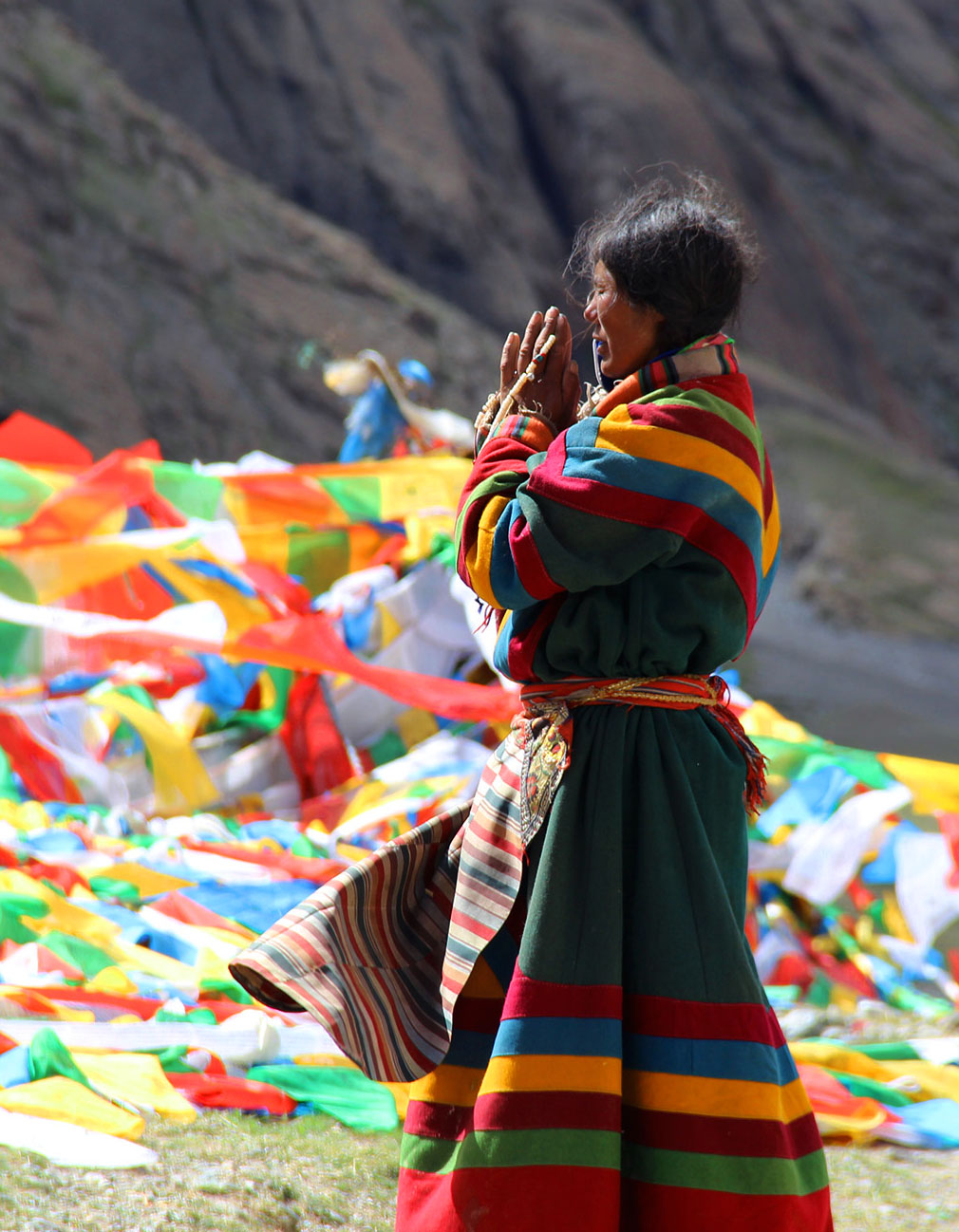
Our cultural tours are curated journeys offering a deep immersion into the living heritage of Nepal, Tibet, Bhutan, and India. From the spiritual heights of the Himalayas to the vibrant landscapes of the plains of India, we invite you to step beyond the lens of a tourist and into the heart of the home as a welcomed friend.
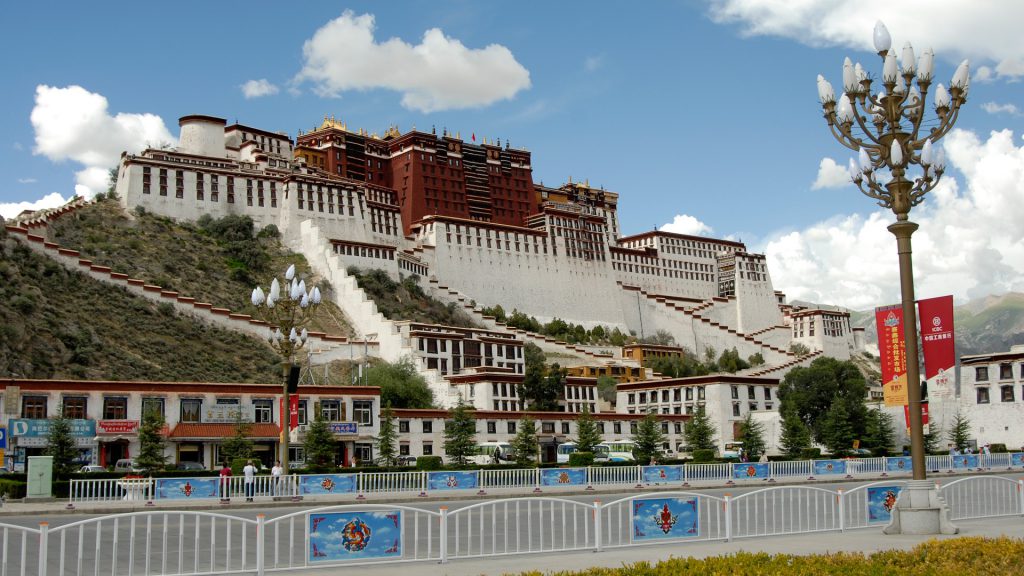
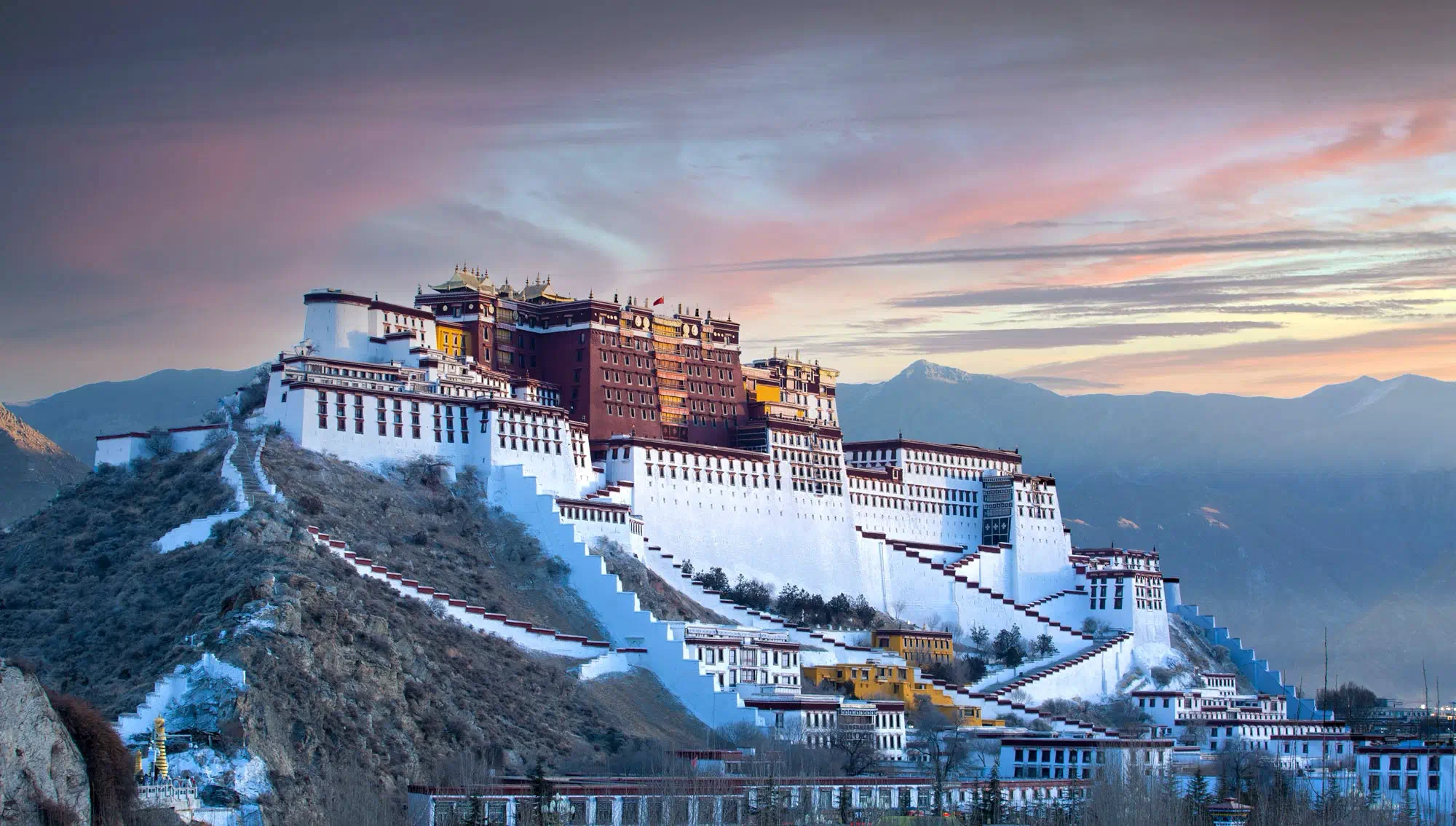
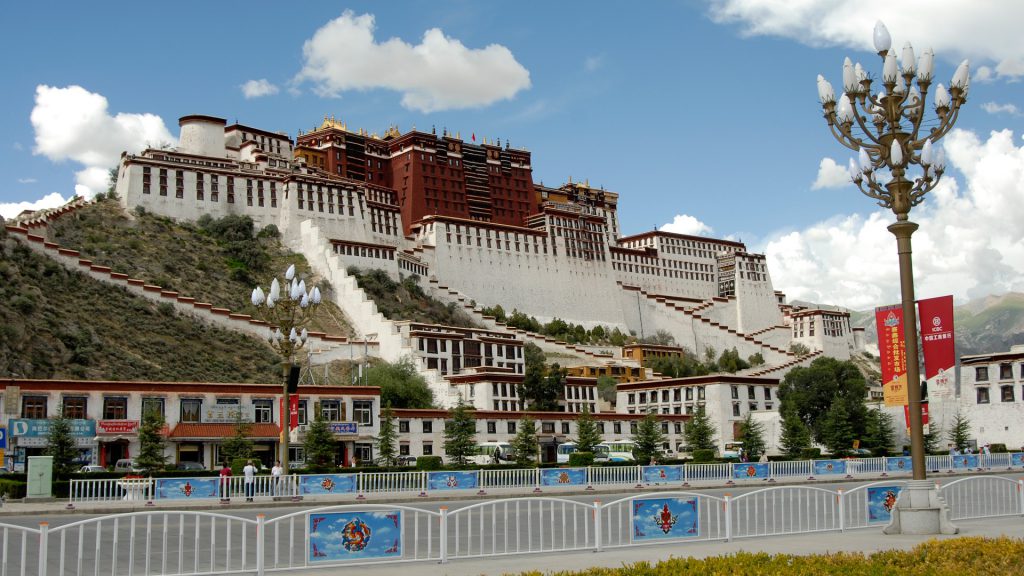
Explore the majestic heights of the Himalayas on our curated tours. Wander through the hidden valleys of Nepal. Visit the sacred and timeless monasteries of Tibet. Discover the pristine beauty of Bhutan, the Land of the Thunder Dragon. In India, we shift the lens to the majestic forts and desert colors of Rajasthan, the timeless spiritual energy of Varanasi, and the coastal serenity of South India. Each journey is designed for comfort and deep discovery.
Mountaineering Expeditions
Elevate Your Ascent: Personalized Mountaineering & Mentorship
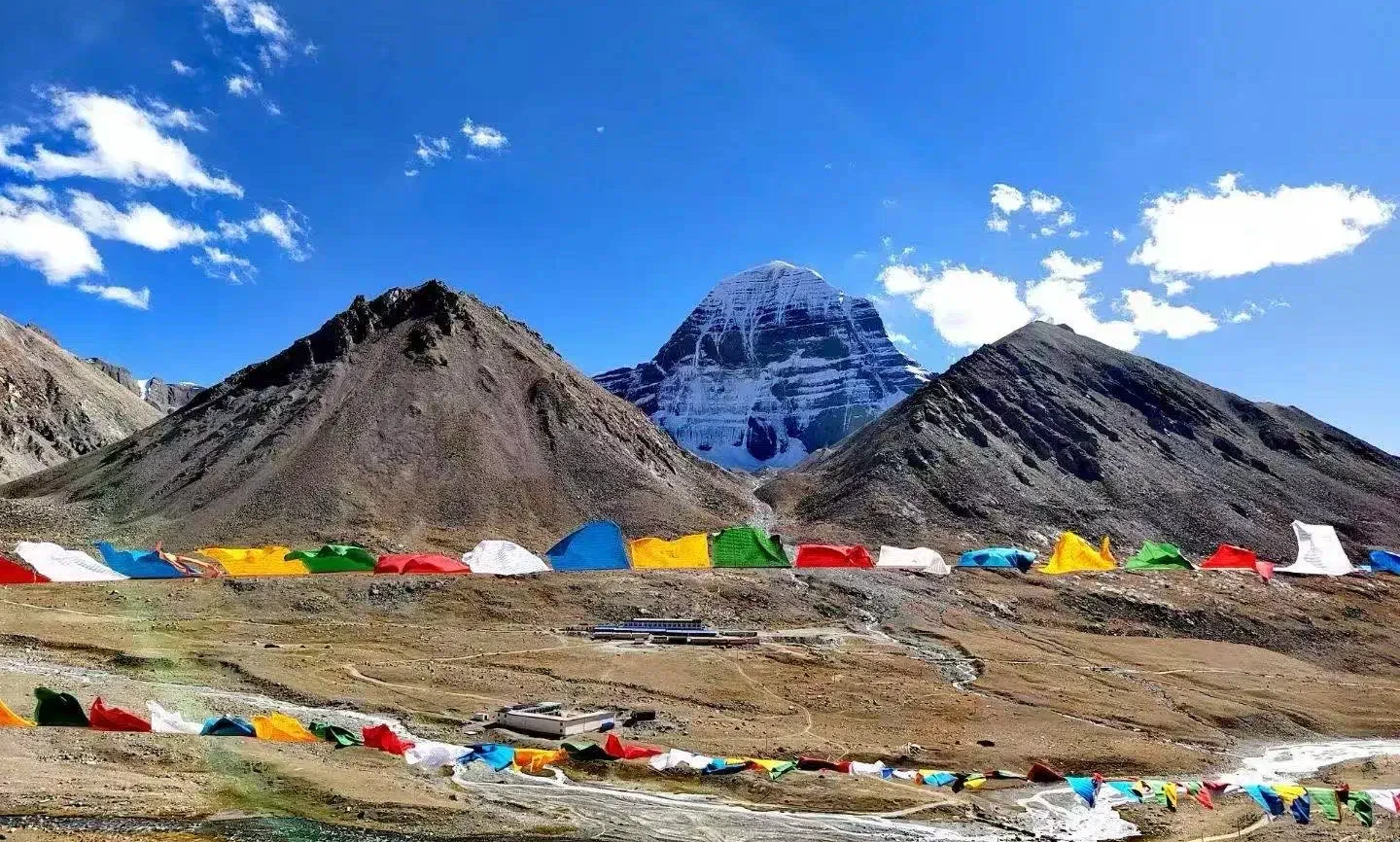
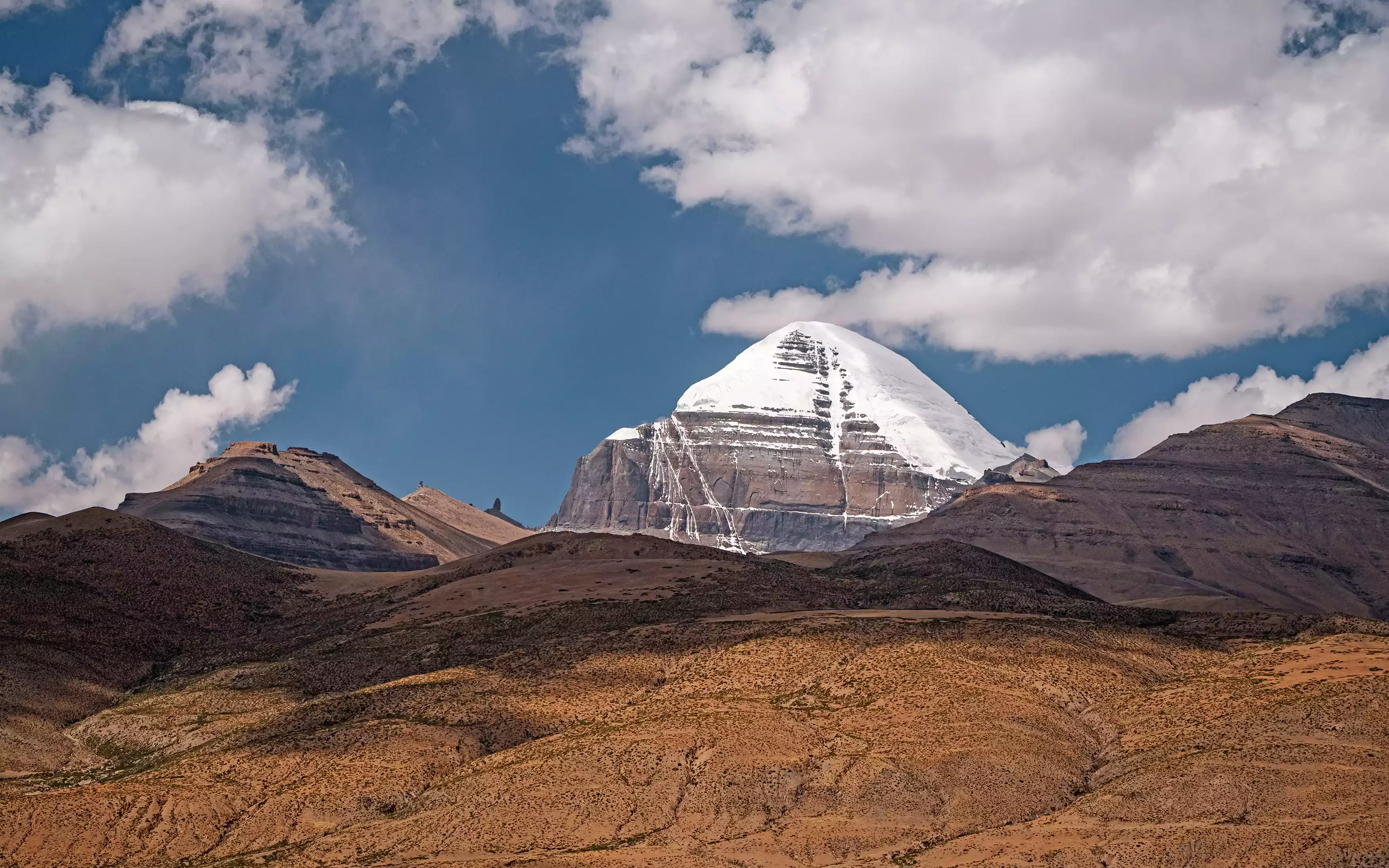
Mountaineering expeditions demands more than just grit; it requires a combination of physical strength and technical precision.
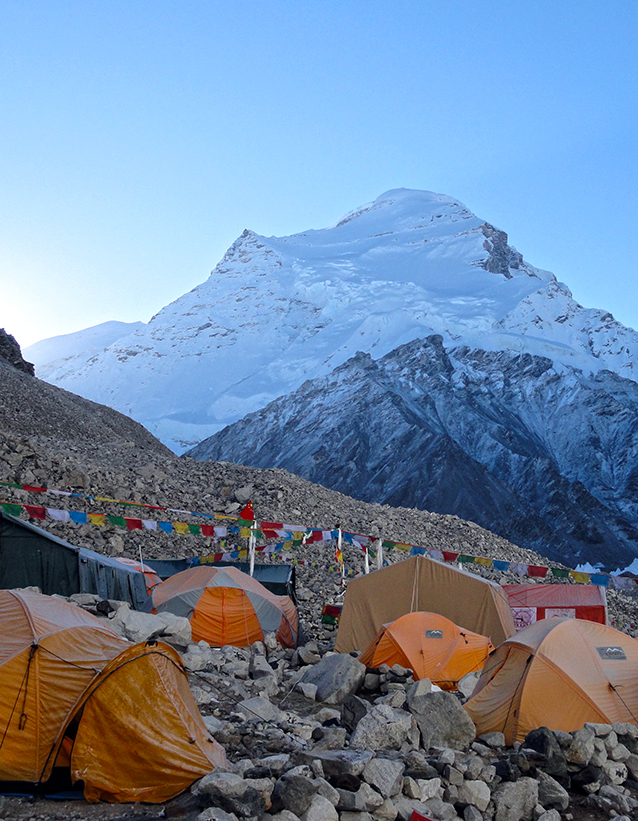
Standard expeditions often feel like a race to the top, but we believe the most profound mountain experiences happen when you’re in rhythm with the terrain—not a schedule. Our small-group expeditions are built around a mentorship model, providing the space to climb at your own pace while refining the technical ability required for the world’s most challenging peaks.


Yoga Treks/Retreats
The Himalaya has a quiet way of slowing you down. The mountains don’t rush, the trails unfold gently, and life moves at a more natural rhythm. Yoga treks and retreats in the Himalaya grow from this simplicity—where walking, breathing, and awareness naturally come together.
Here, yoga is not something you do. It is something you live. Morning practice begins as light touches the Himalayan peaks. The day continues with mindful walking through forests, villages, and ancient paths. Evenings settle into stillness, reflection, and rest.
Whether you join a gentle yoga trek in Nepal, or choose a peaceful yoga retreat in Bhutan and Tibet, the experience invites you to reconnect—with your body, your breath, and the quiet voice within.
You don’t need to be flexible.
You don’t need trekking experience.
You only need a willingness to slow down.