Nepal
Nepal officially the Federal Democratic Republic of Nepal is a landlocked central Himalayan country in South Asia. Nepal is divided into 7 states and 75 districts and 744 local units including 4 metropolises, 13 sub-metropolises, 246 municipal councils and 481 villages. It has a population of 26.4 million and is the 93rd largest country by area. Bordering China in the north and India in the south, east, and west, it is the largest sovereign Himalayan state.
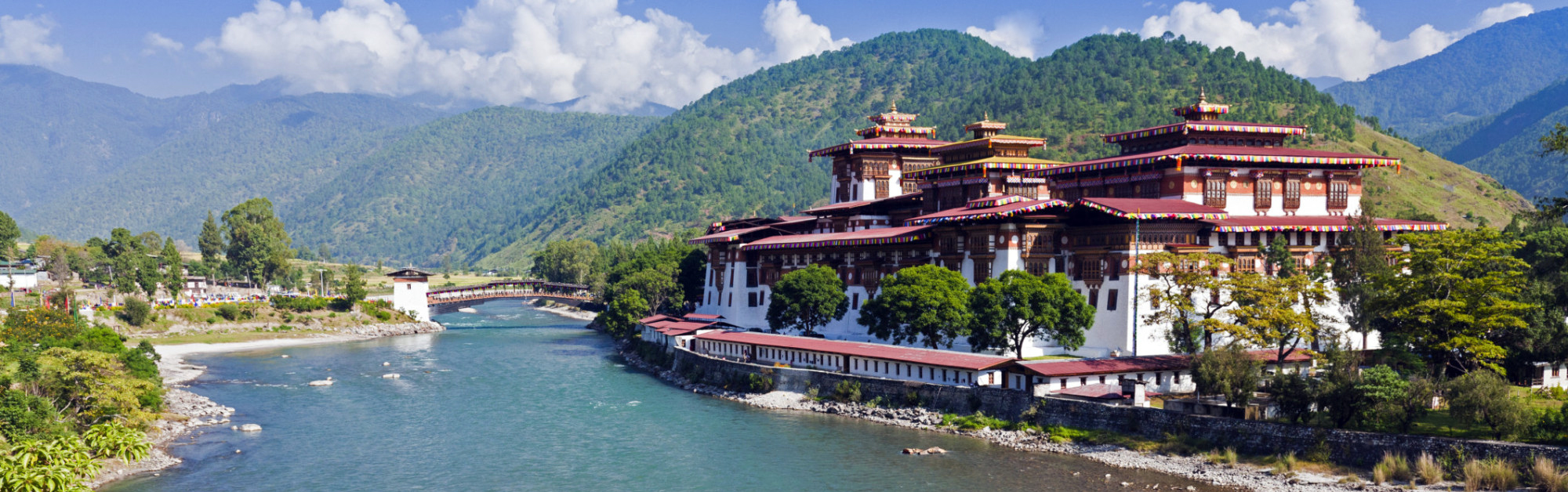
Nepal does not border Bangladesh, which is located within only 27 km (17 mi) of its southeastern tip. Neither does it border Bhutan due to the Indian state of Sikkim being located in between.
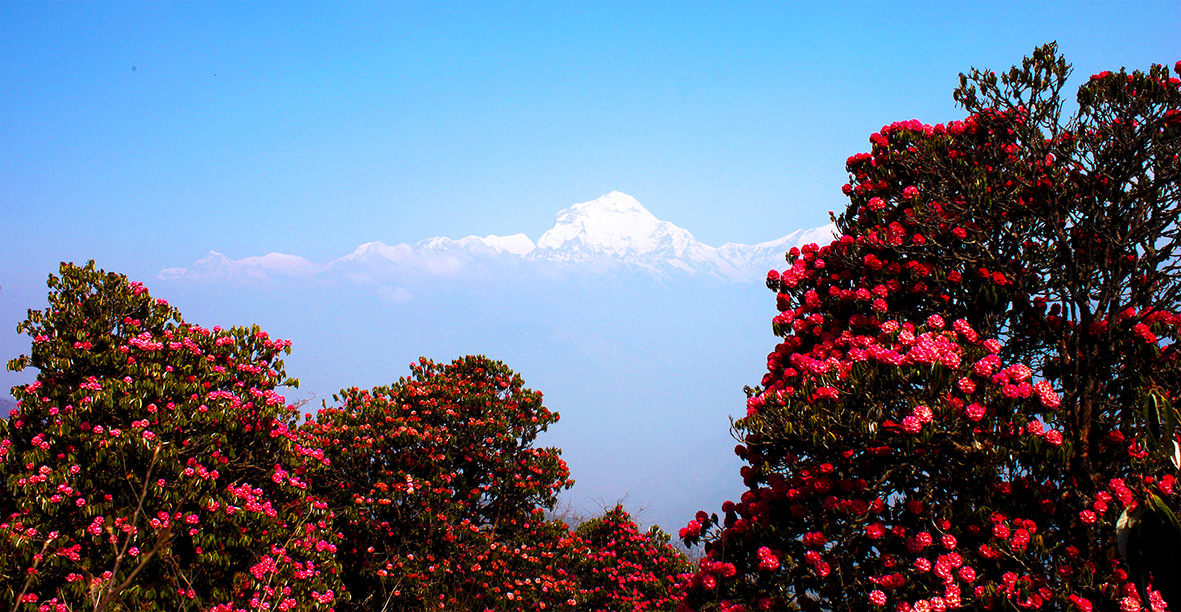
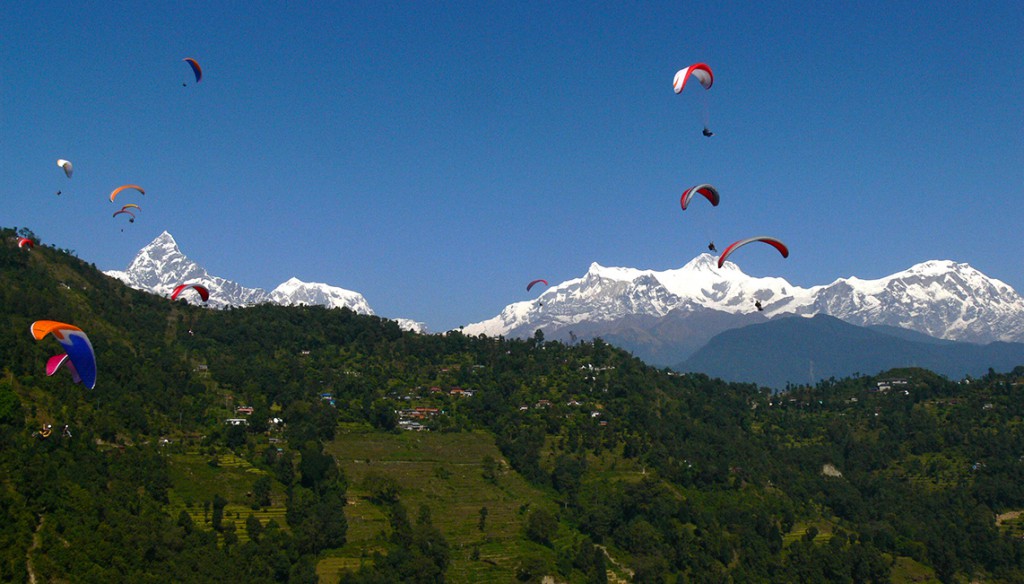
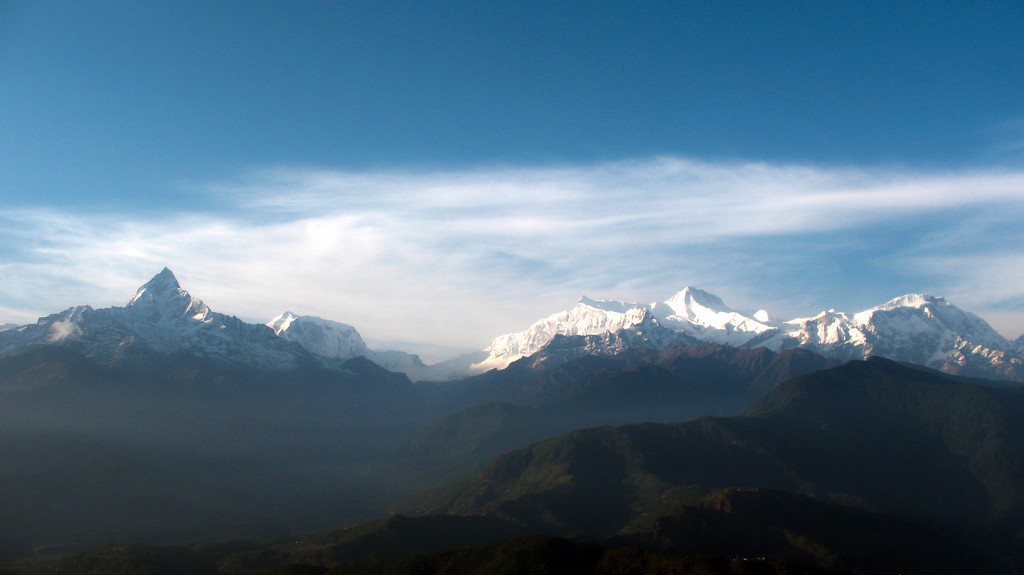
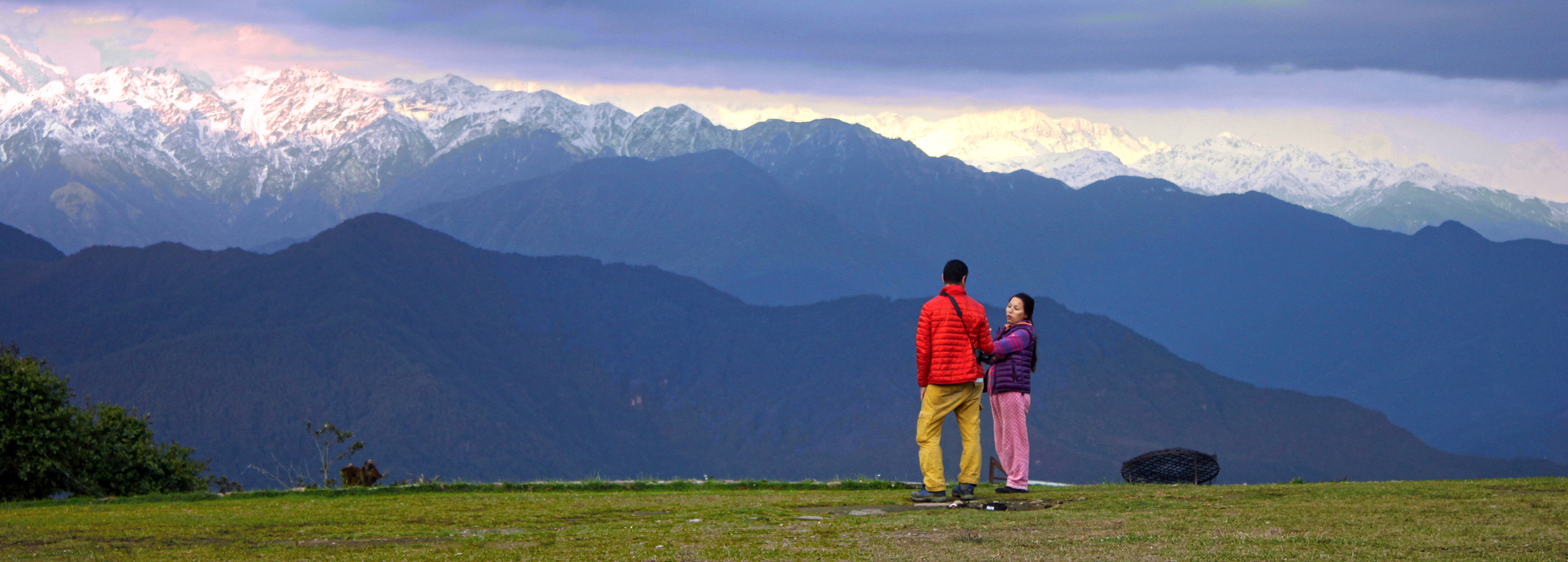
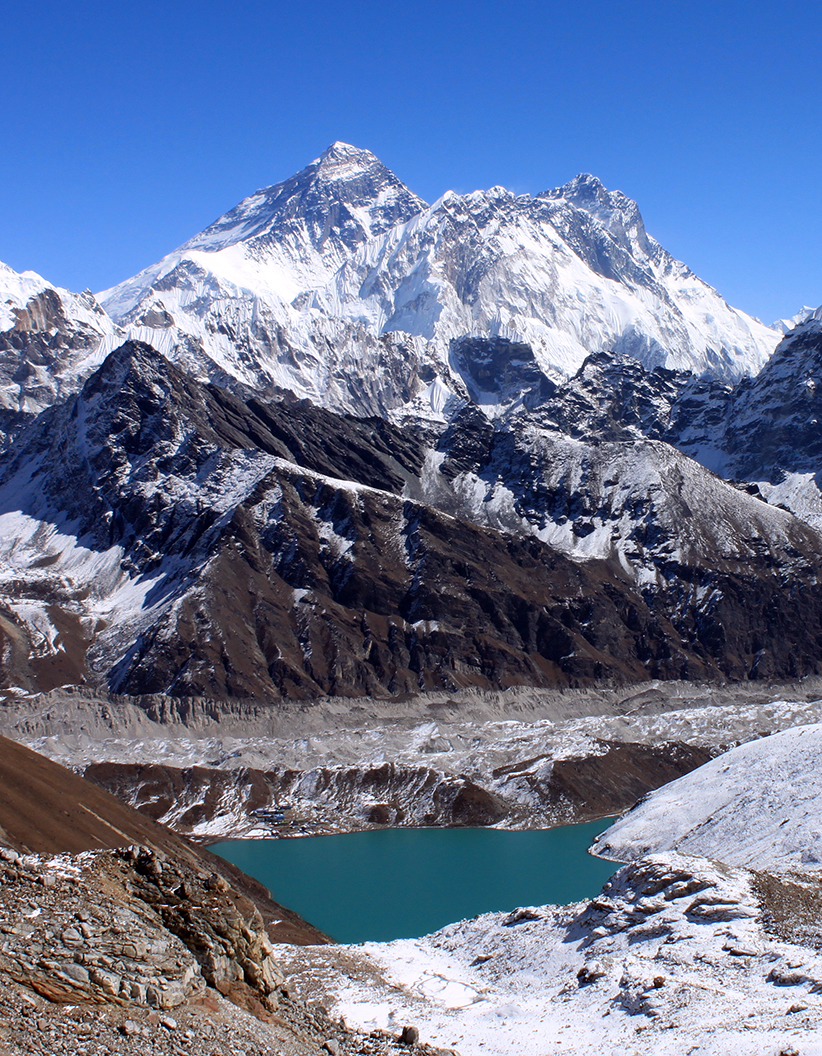
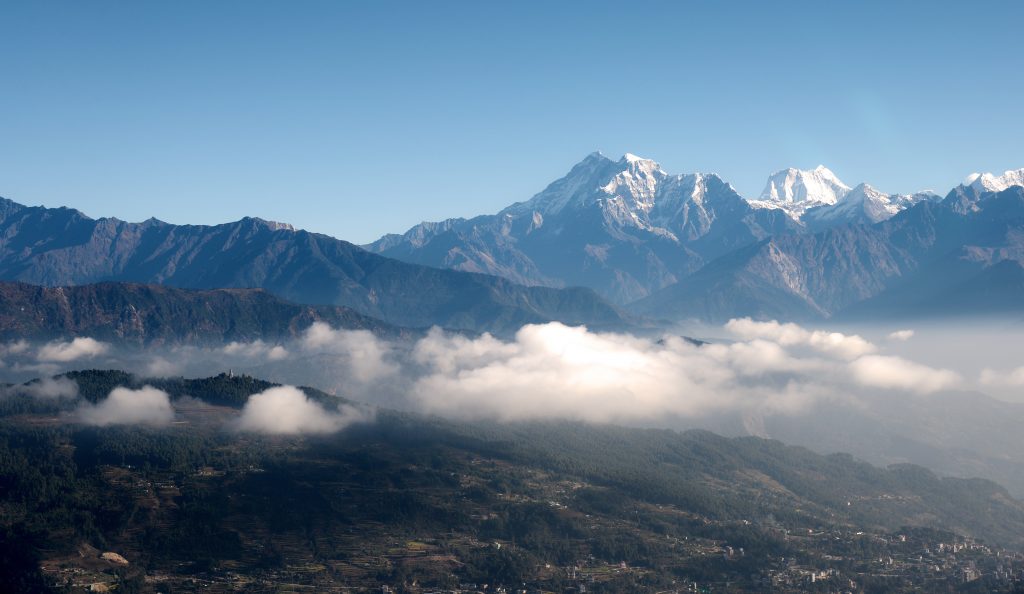
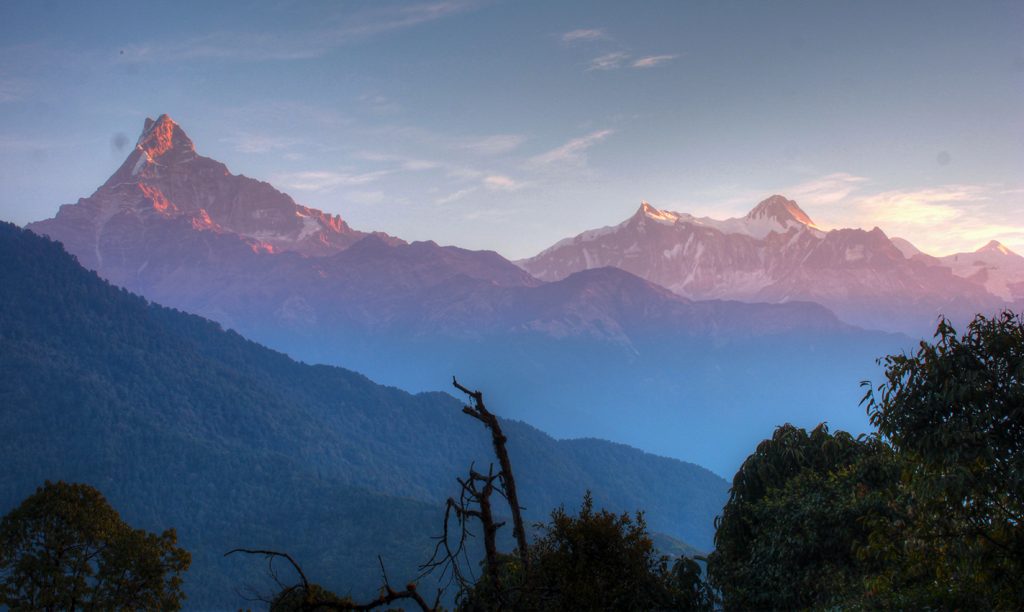
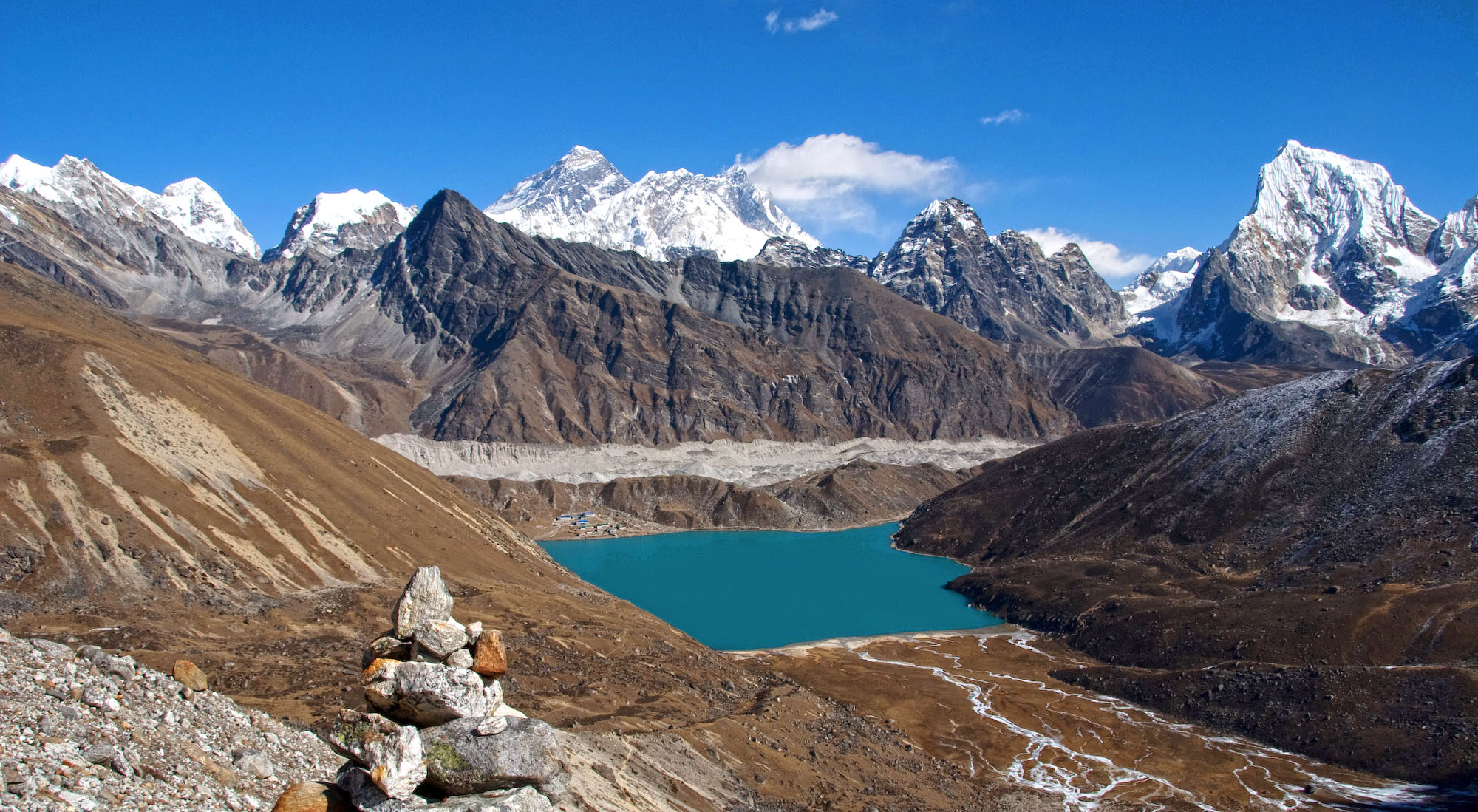
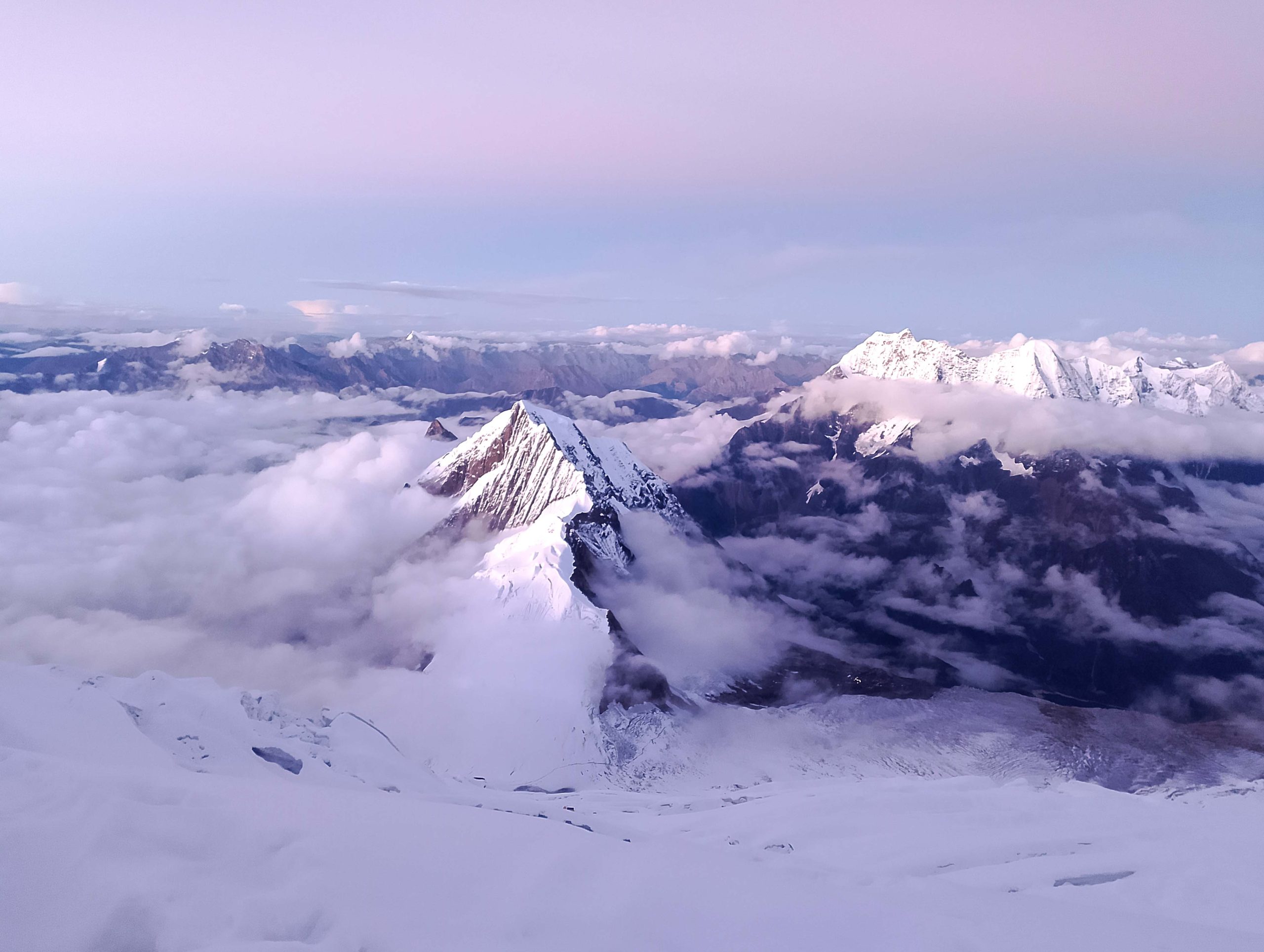
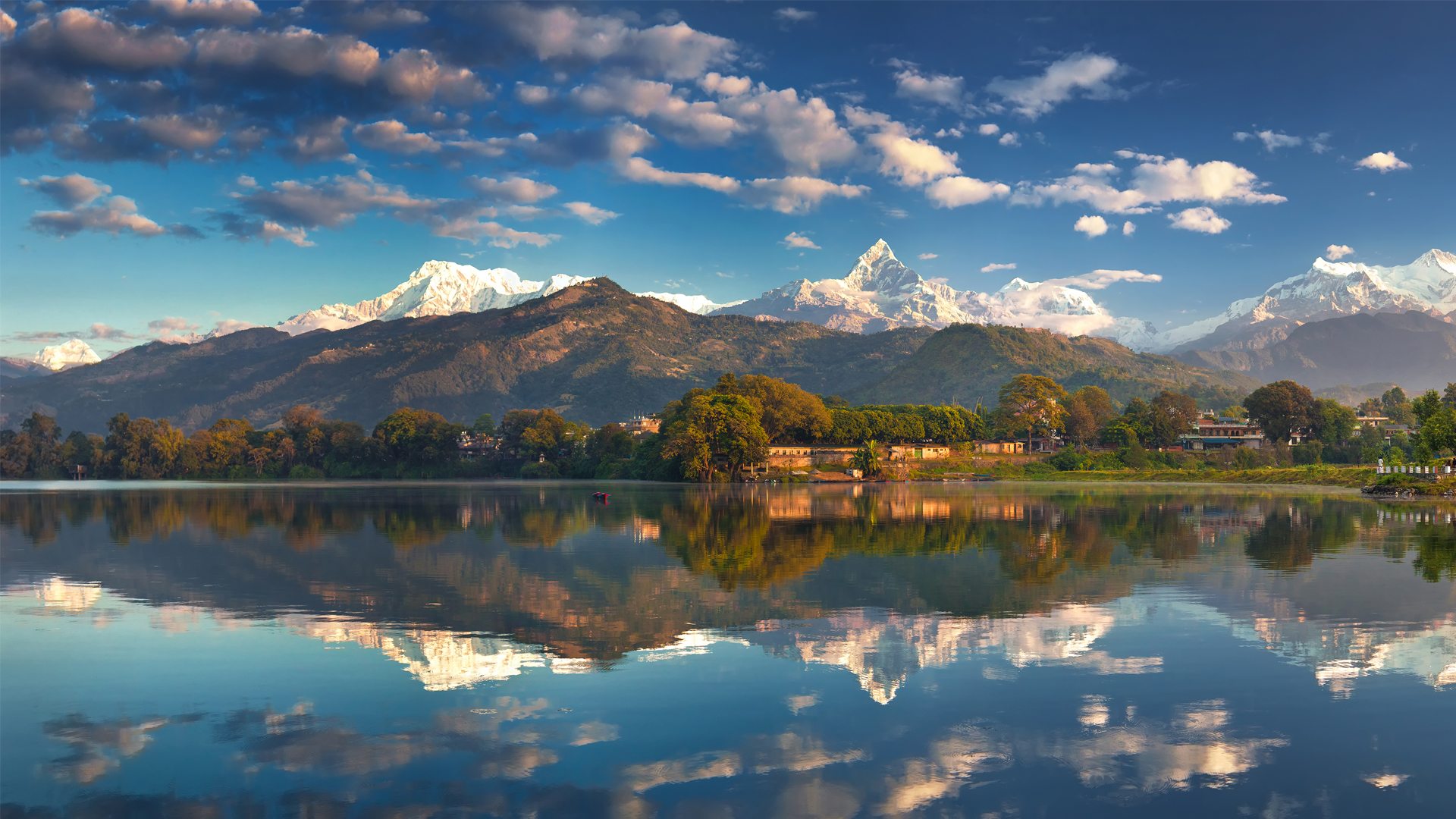
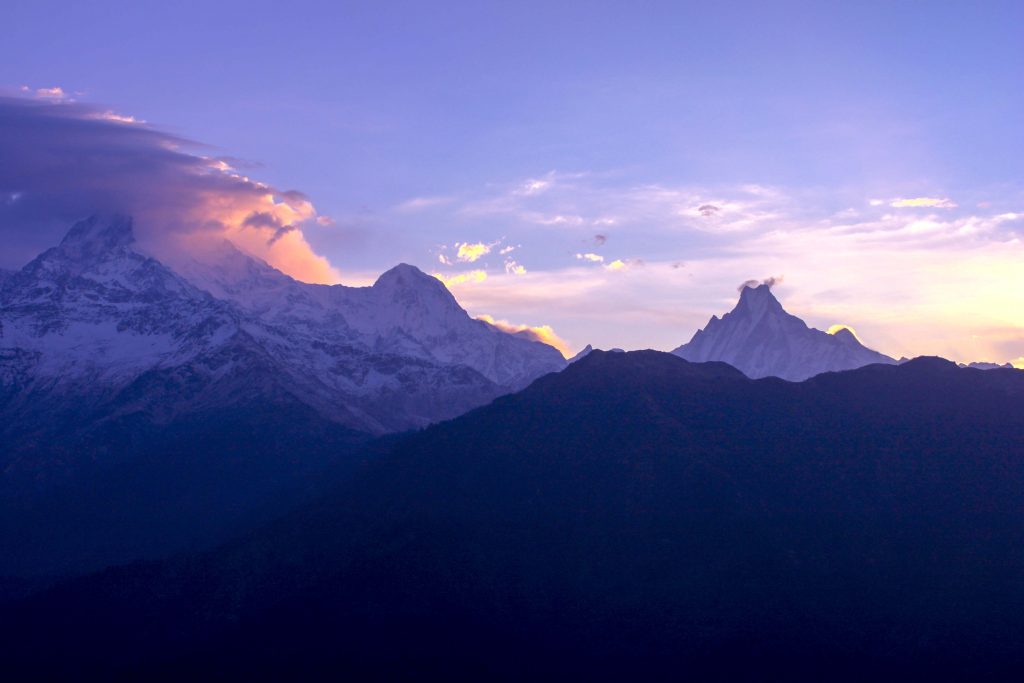
Nepal has a diverse geography, including fertile plains, subalpine forested hills, and eight of the world’s ten tallest mountains, including Mount Everest, the highest point on Earth. Kathmandu is the nation’s capital and largest city. Nepal is a multiethnic nation with Nepali as the official language.
Trek – Walking Deep into the Himalayas
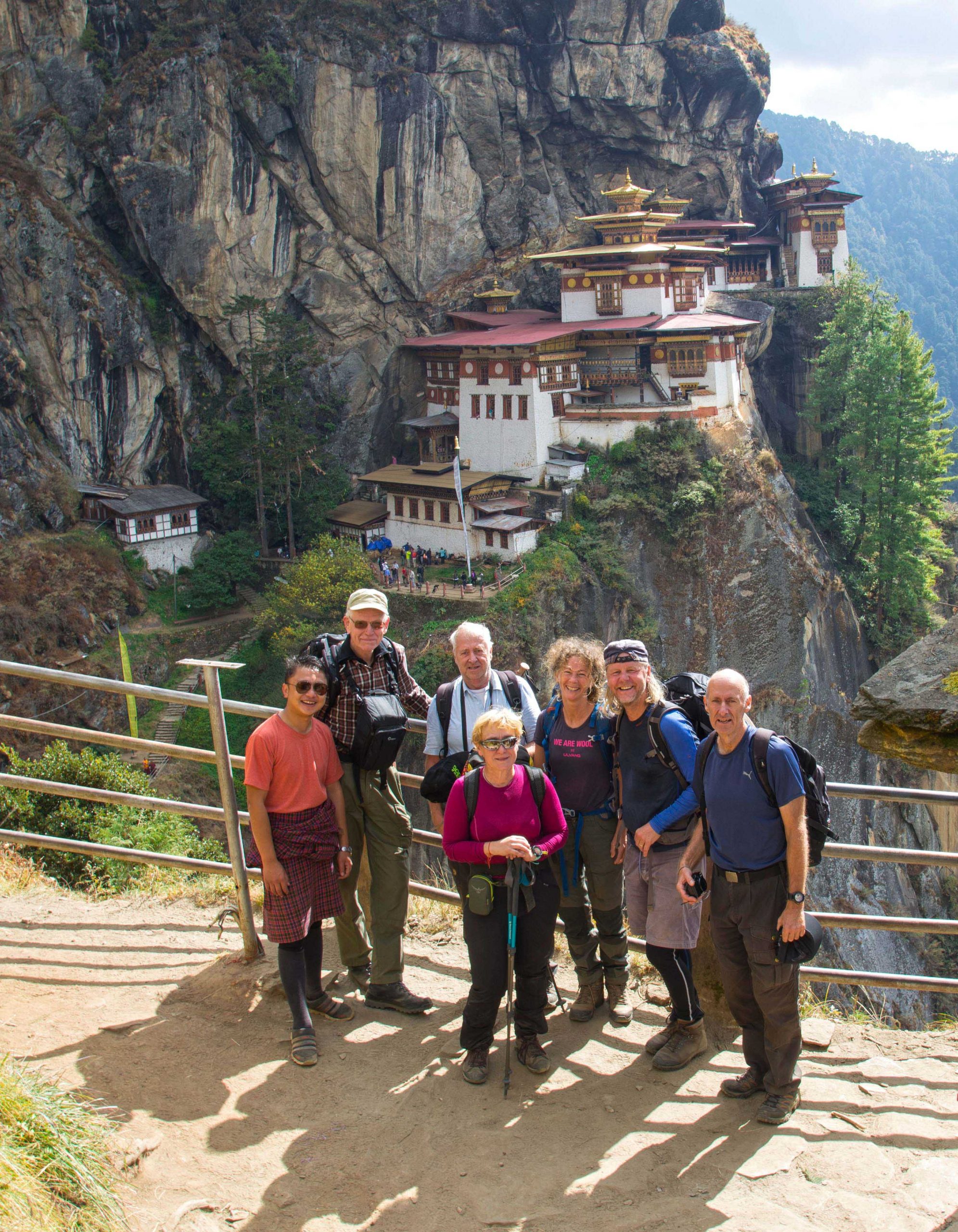
Trekking is more than walking through mountains—it is a journey into nature, culture, and self-discovery. A trek in Nepal invites you to slow down, breathe deeply, and reconnect with the rhythm of the Himalayas. Every step opens a new view, a new village, and a new perspective.
Nepal remains one of the world’s most inspiring trekking destinations. From classic routes to remote valleys, a Nepal trek offers diversity, depth, and meaning that goes far beyond scenery.
Trekking in Nepal: Where the Journey Begins
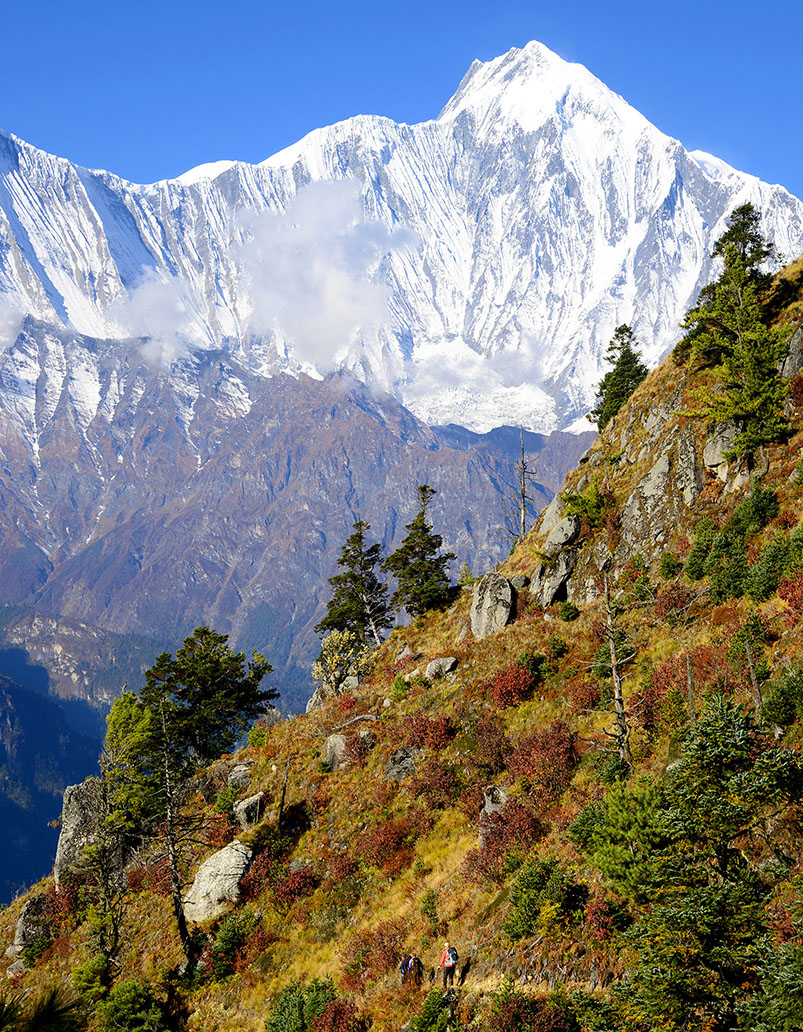
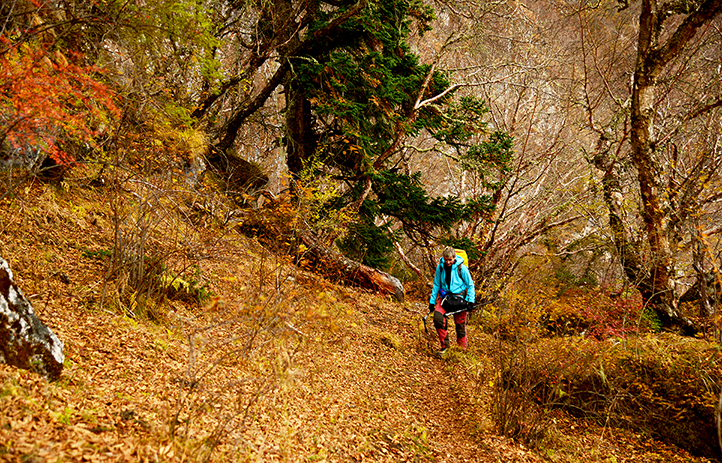
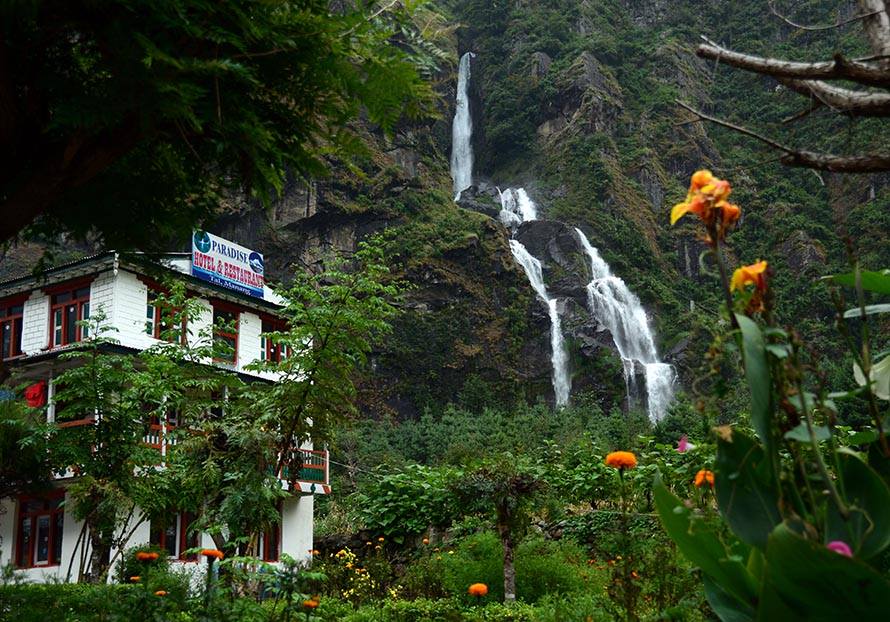
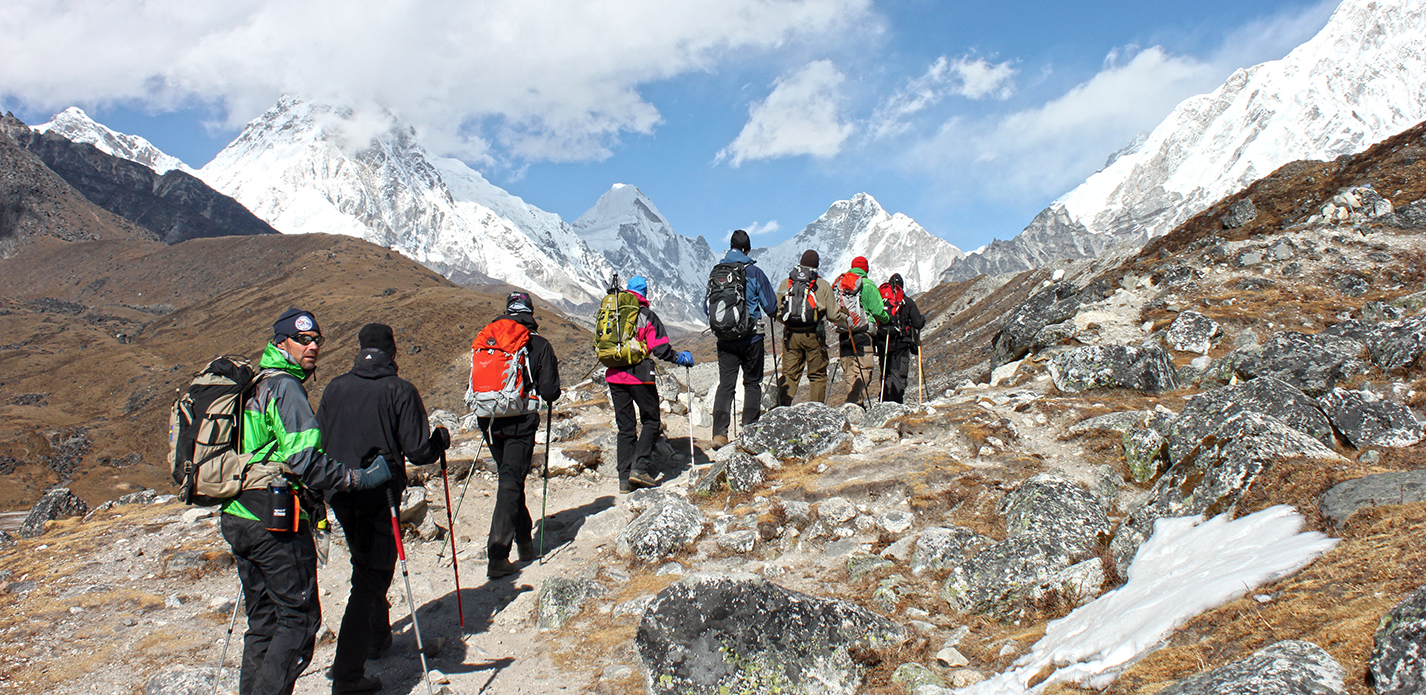
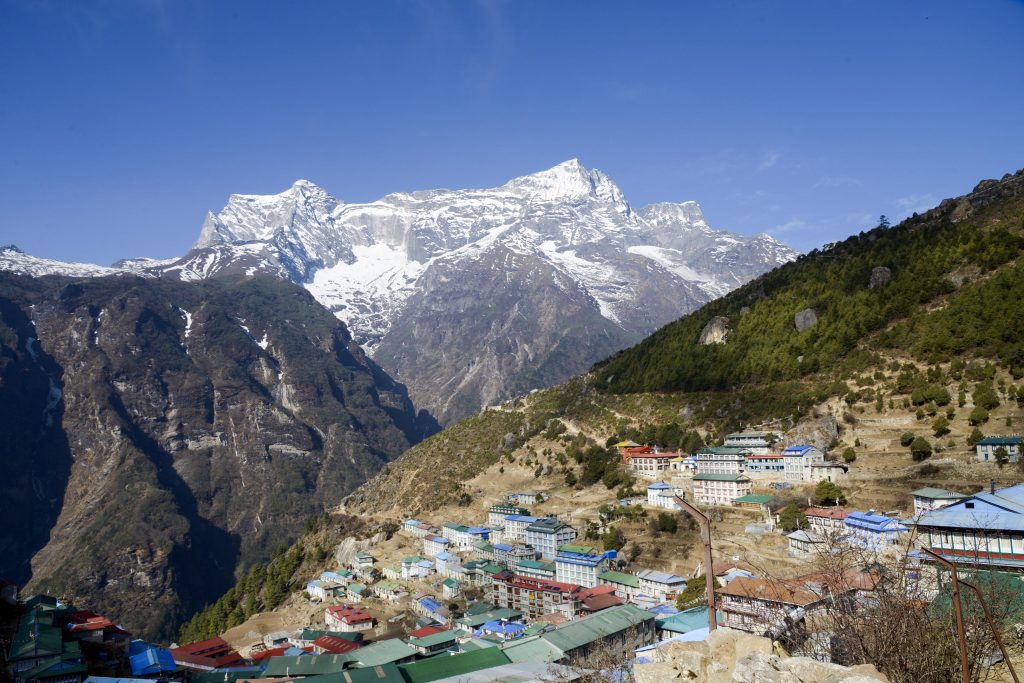
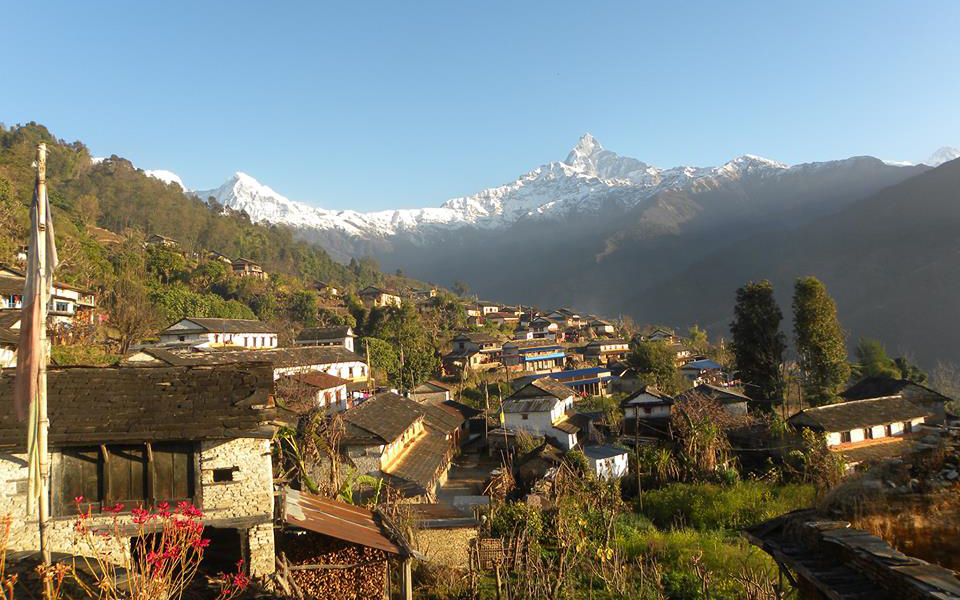
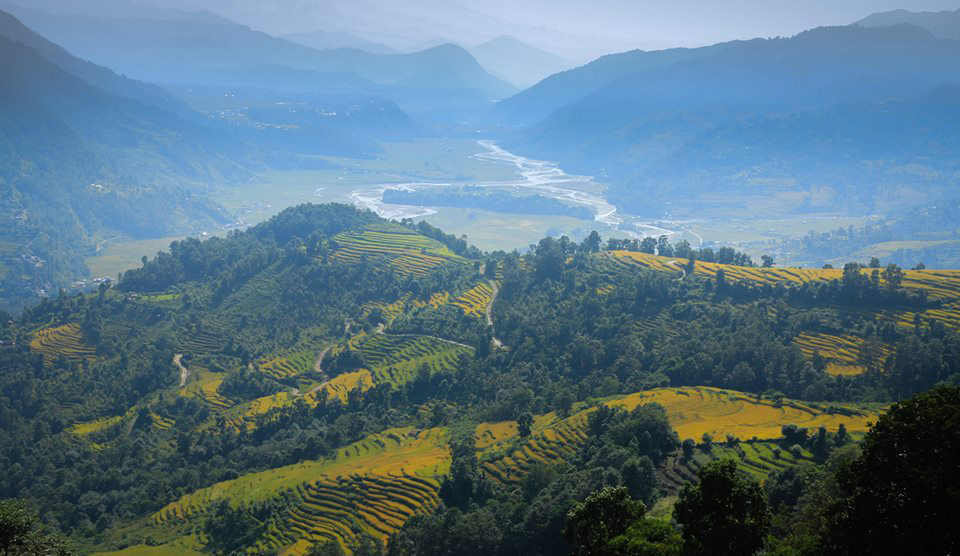
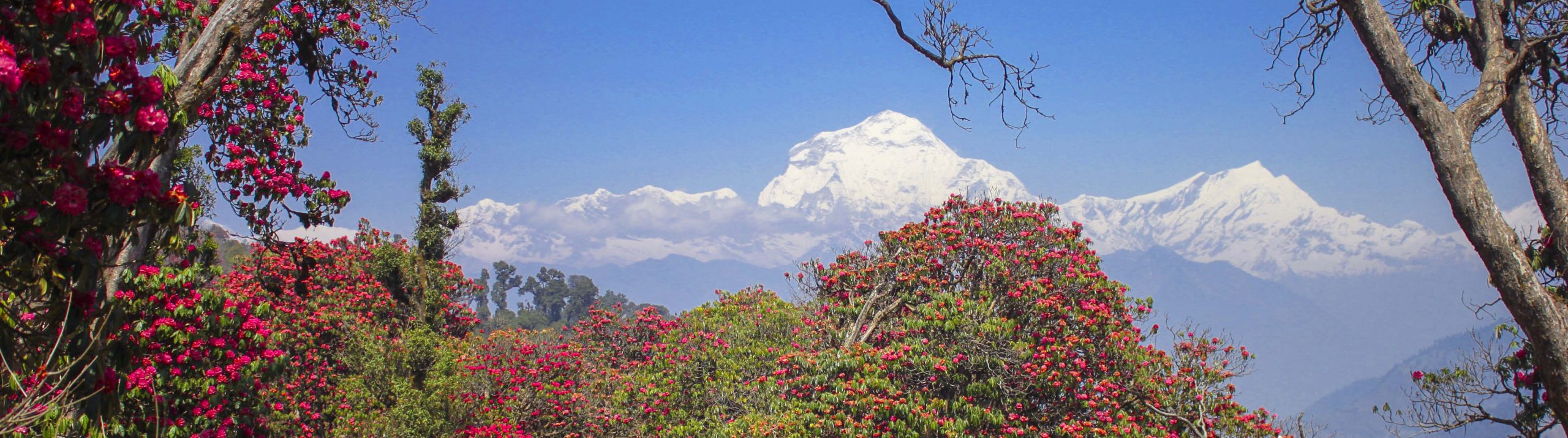
Trekking in Nepal takes you through dramatic landscapes shaped by time and tradition. Along the trail, you pass terraced fields, alpine forests, glacial rivers, and snow-covered peaks. At the same time, you walk through living cultures where hospitality feels natural and unforced.
Moreover, trekking in the Himalaya is not only about altitude. It is about balance—between effort and rest, movement and stillness, challenge and reward. Each day unfolds gradually, allowing both body and mind to adapt.
From Base Camp Treks to Off-Beaten Paths
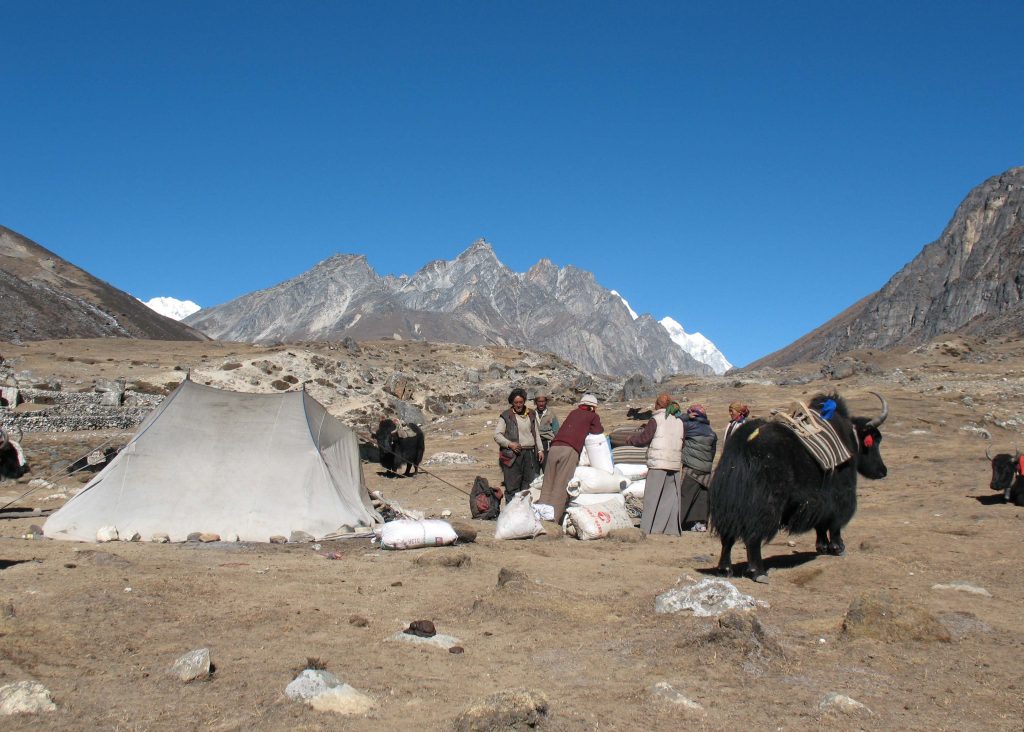
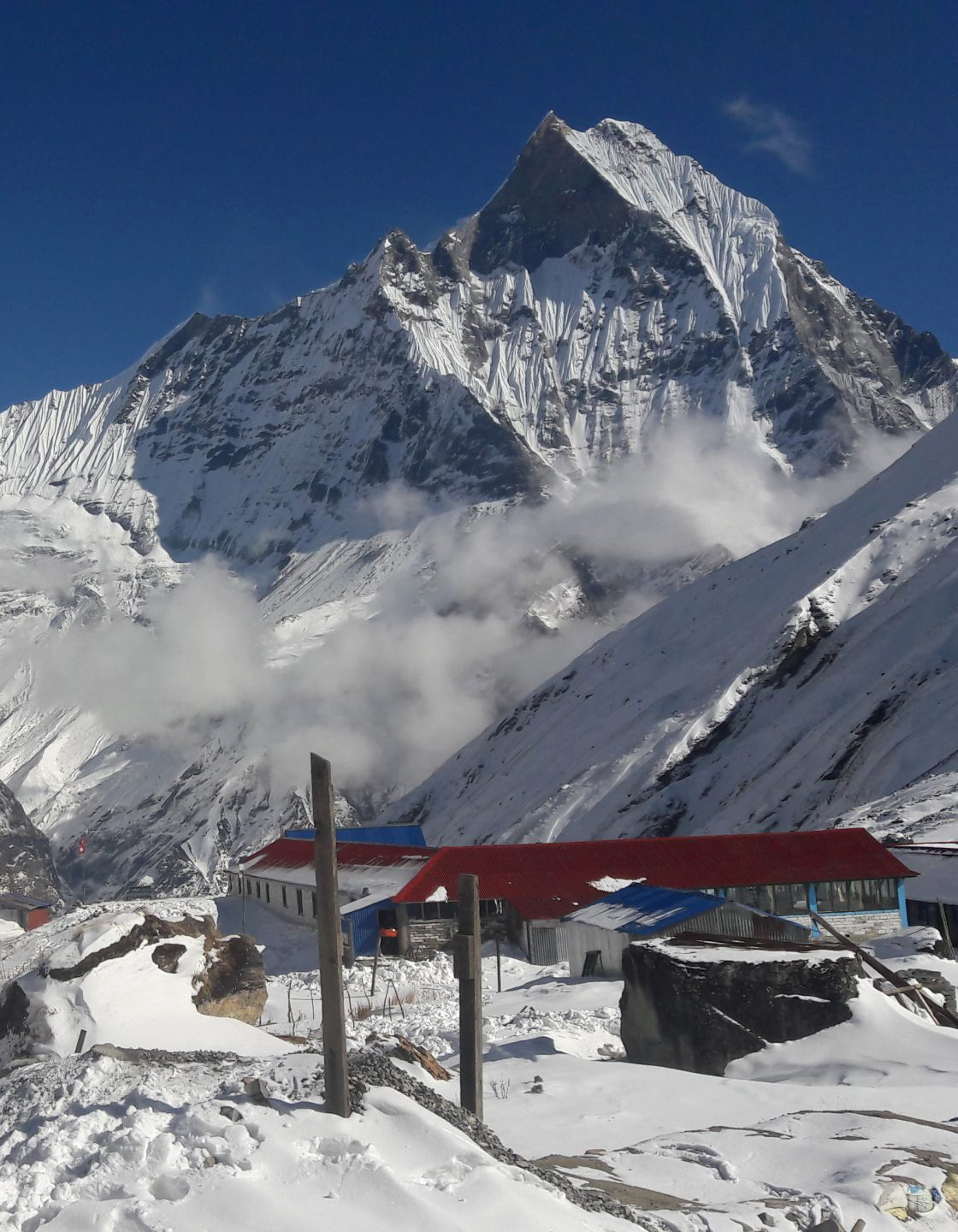
Nepal offers a wide range of trekking experiences. Popular routes like a base camp trek bring you close to iconic peaks, while quieter trails lead you far from the crowds. These off-beaten paths offer solitude, raw landscapes, and deeper cultural encounters.
In contrast to busy trails, remote treks allow you to truly encounter the Himalaya—not as a visitor, but as a participant in the journey. As a result, the experience feels more personal and grounding.
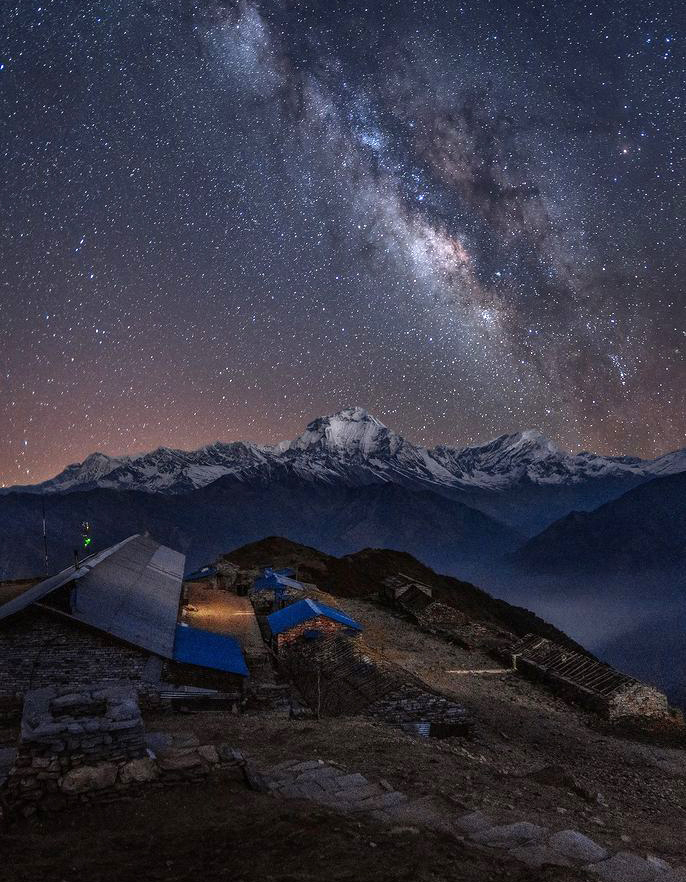
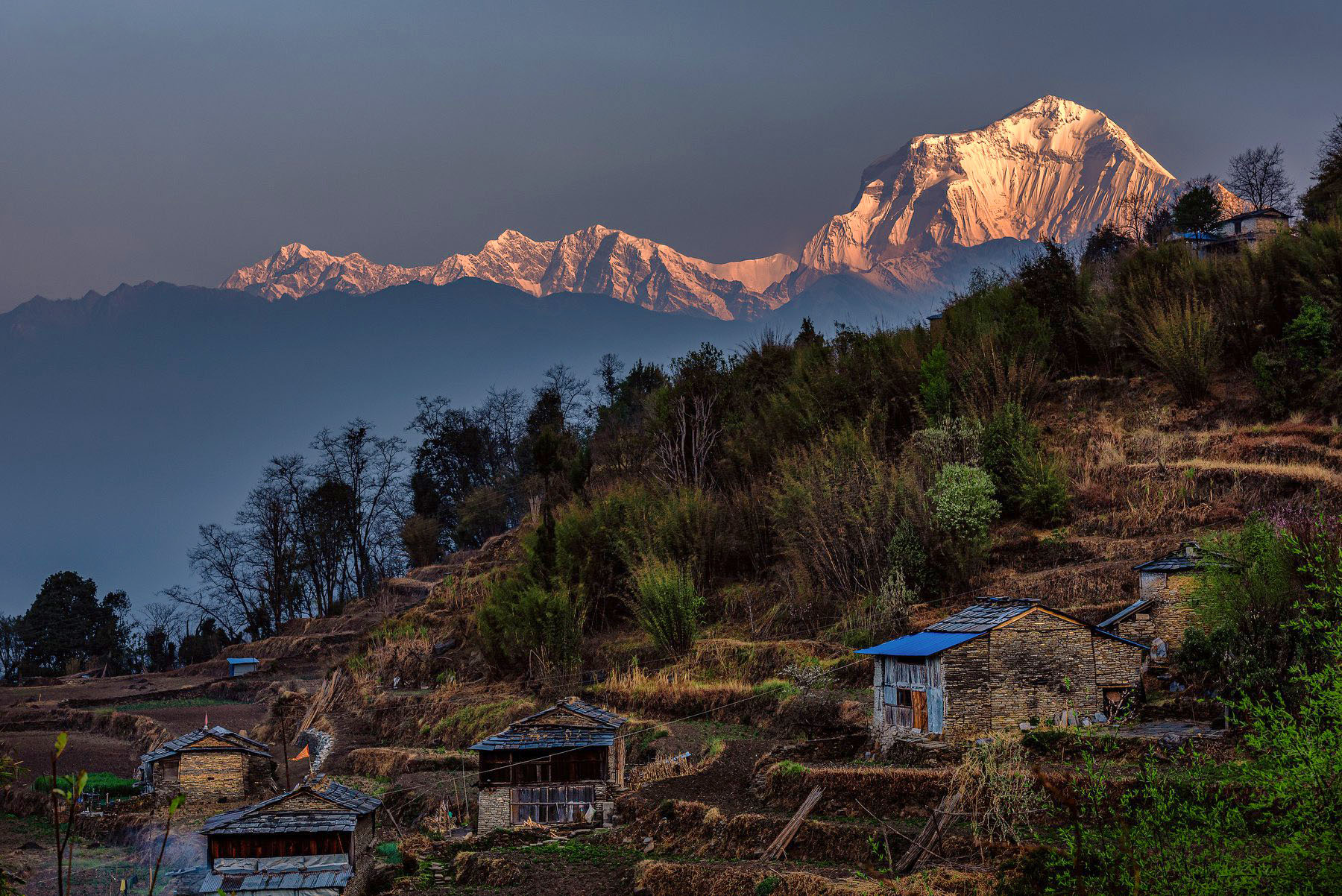
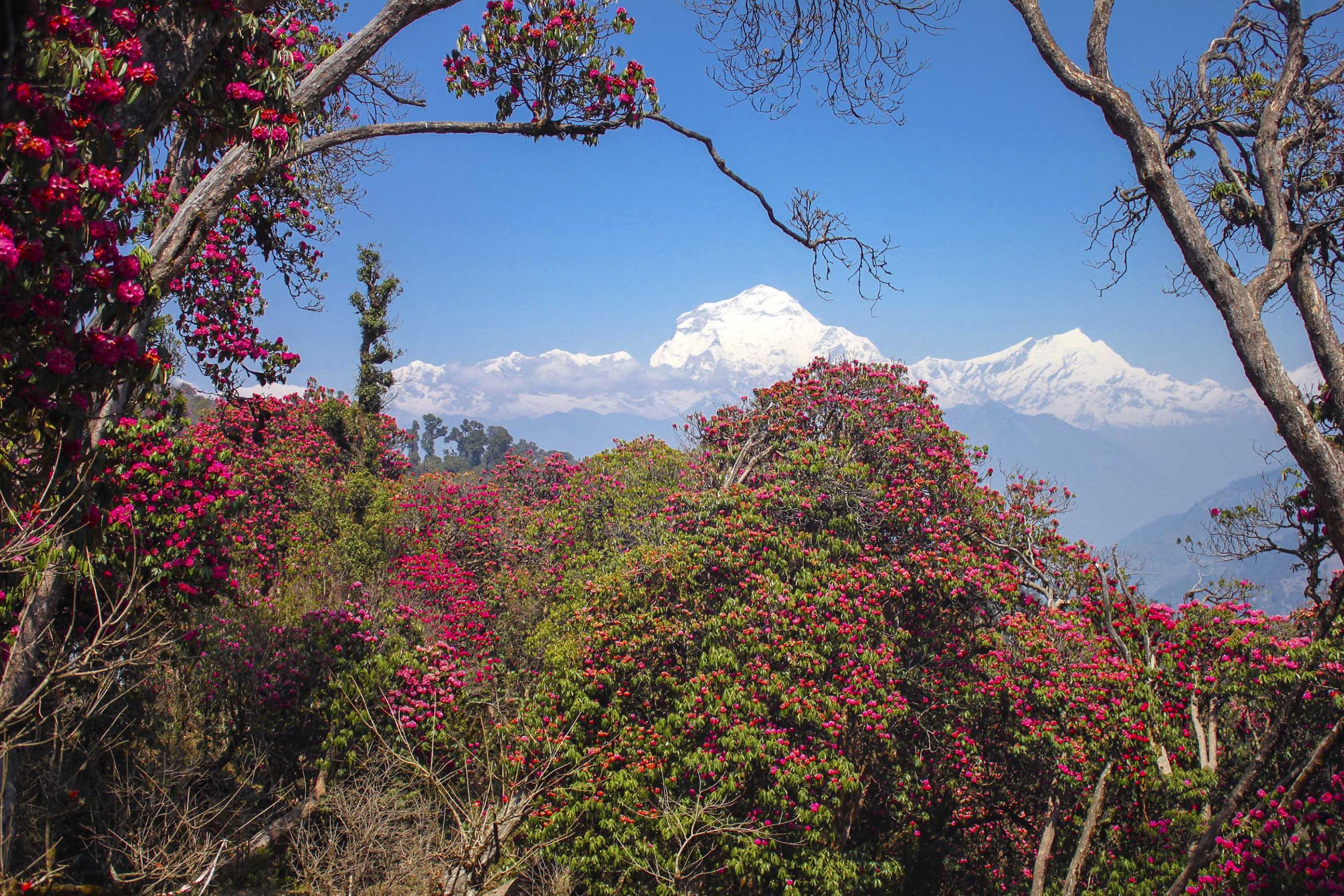
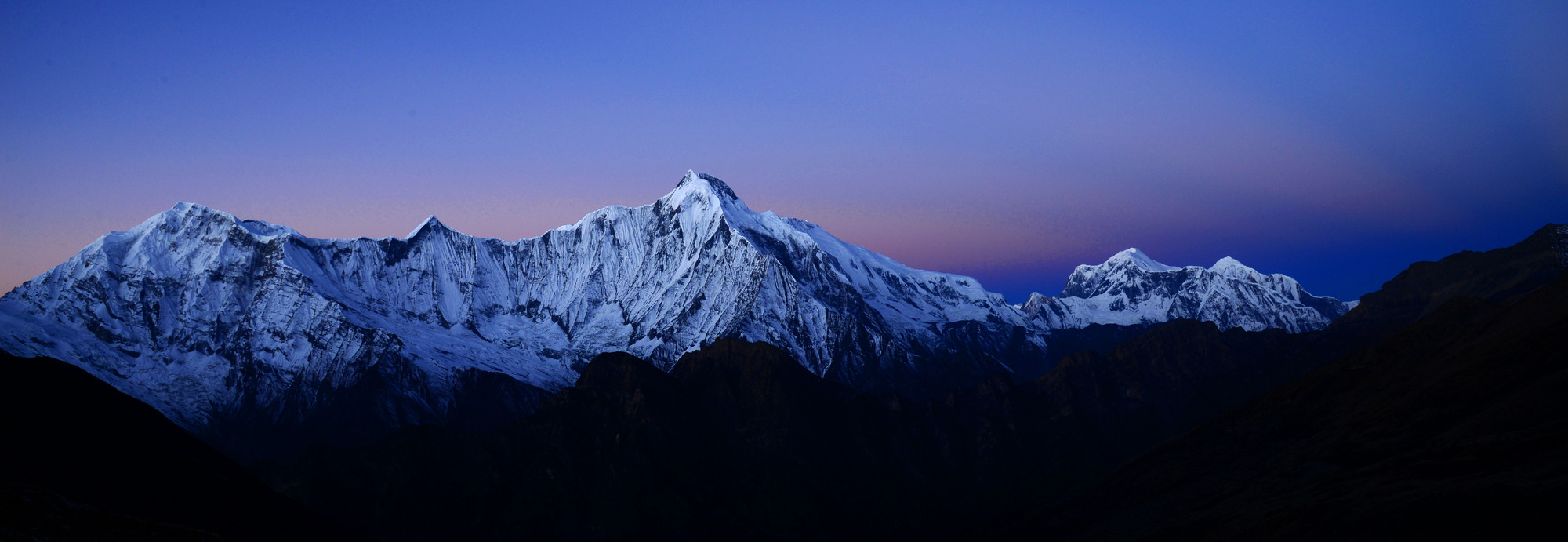
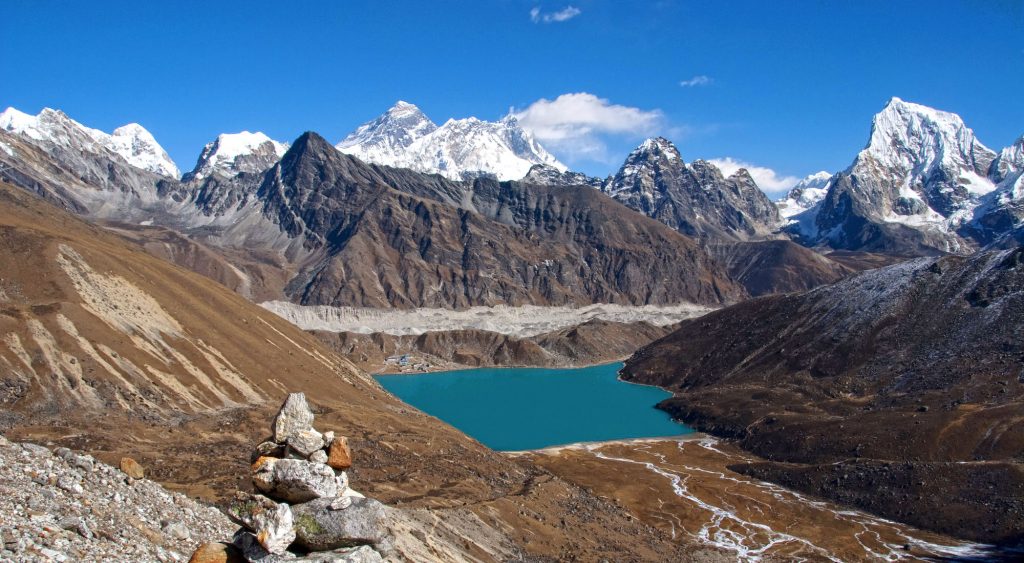
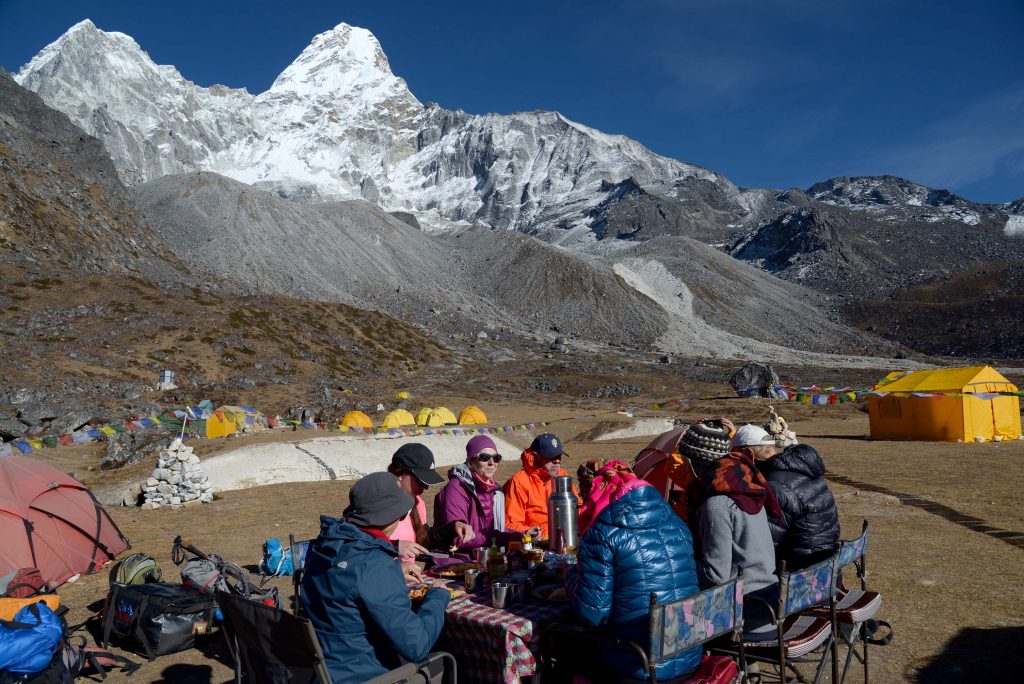
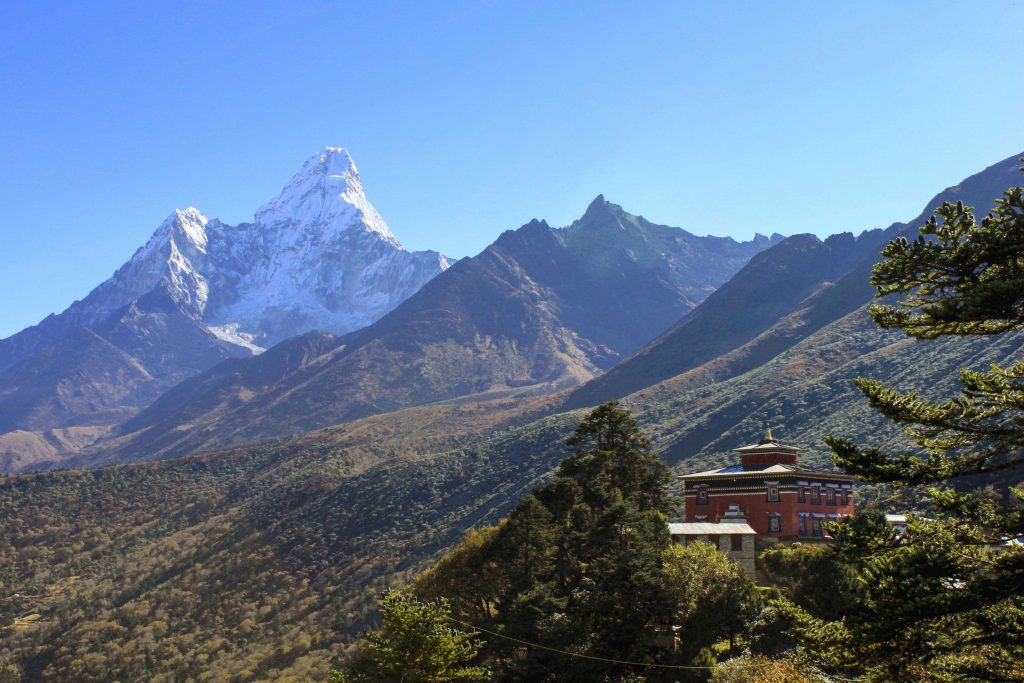
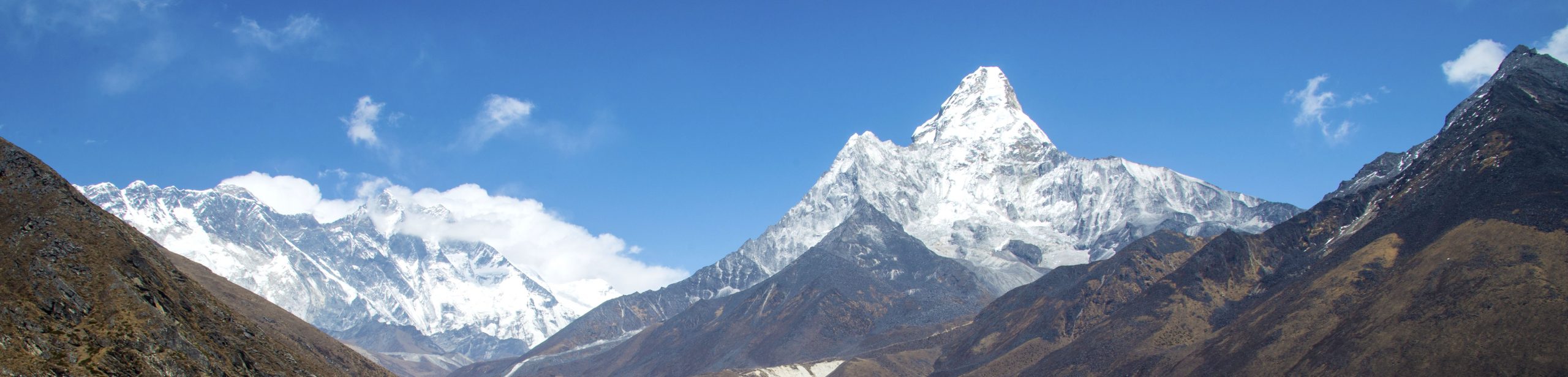
Trekking Peaks
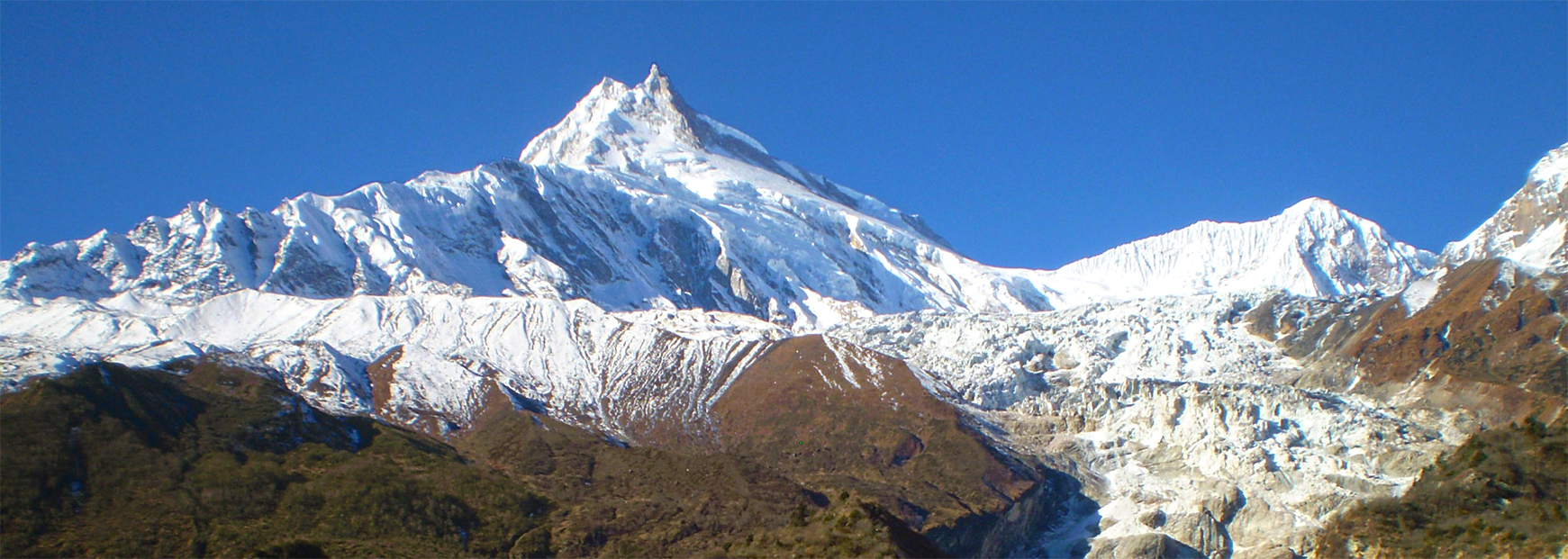
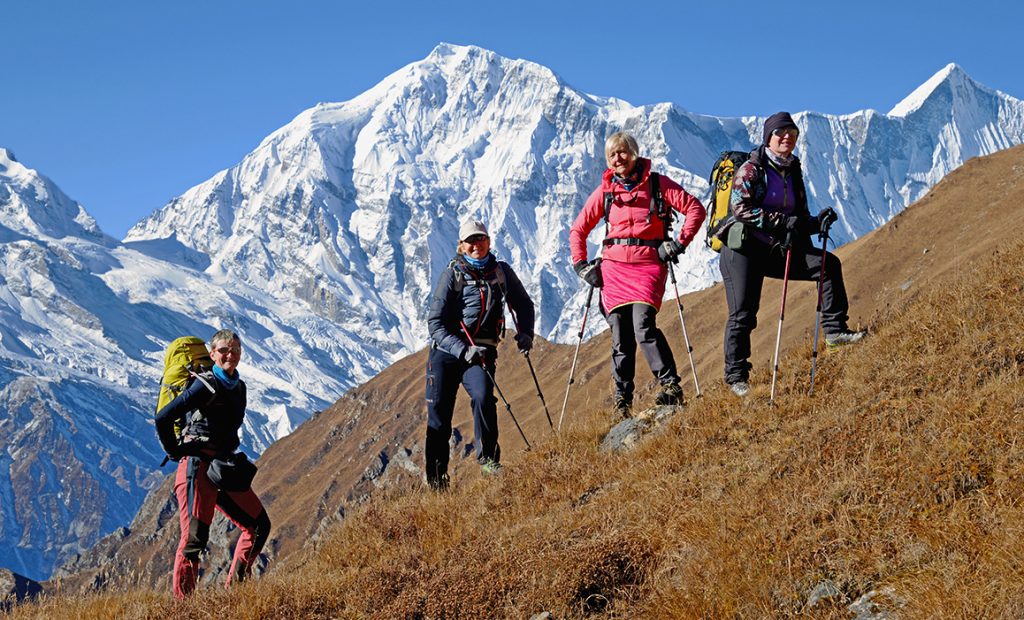
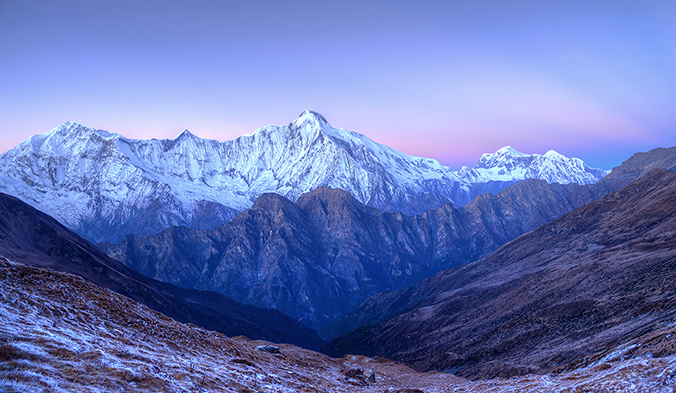
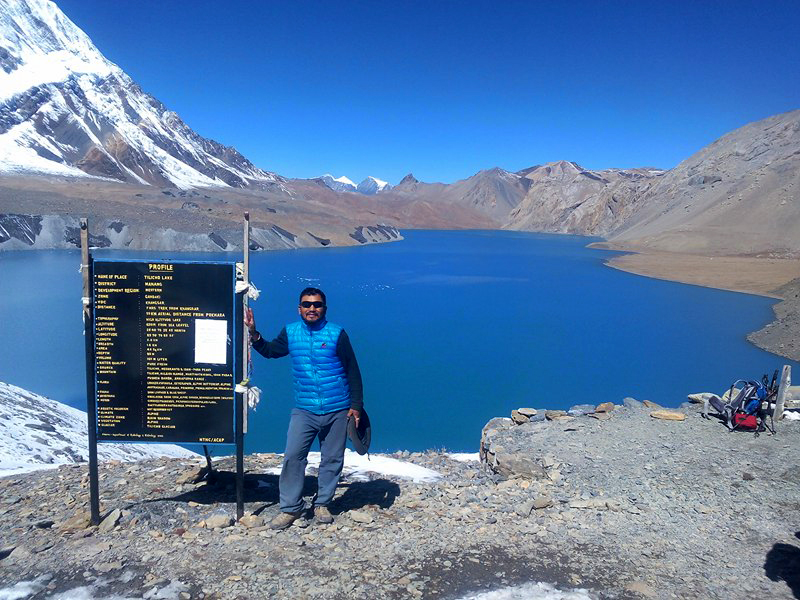
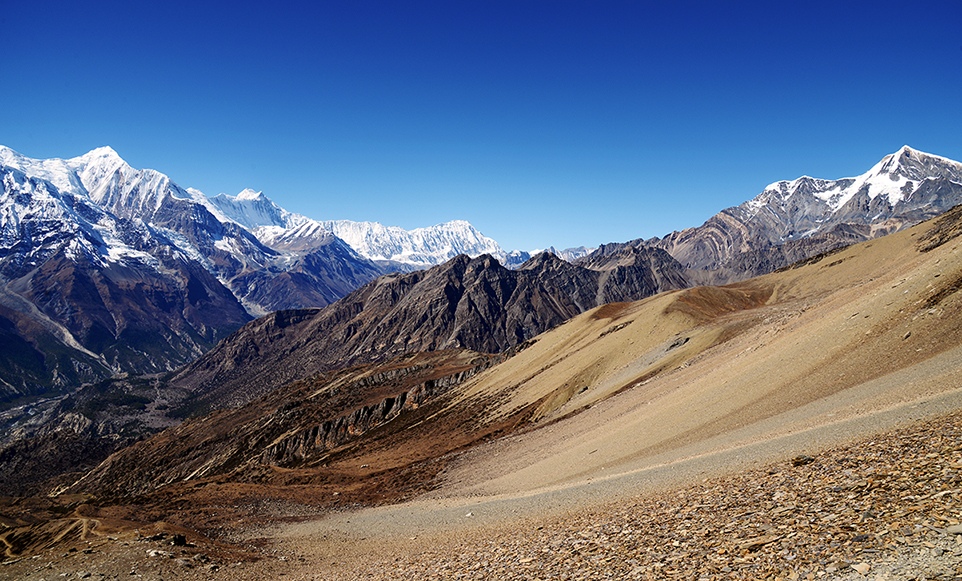
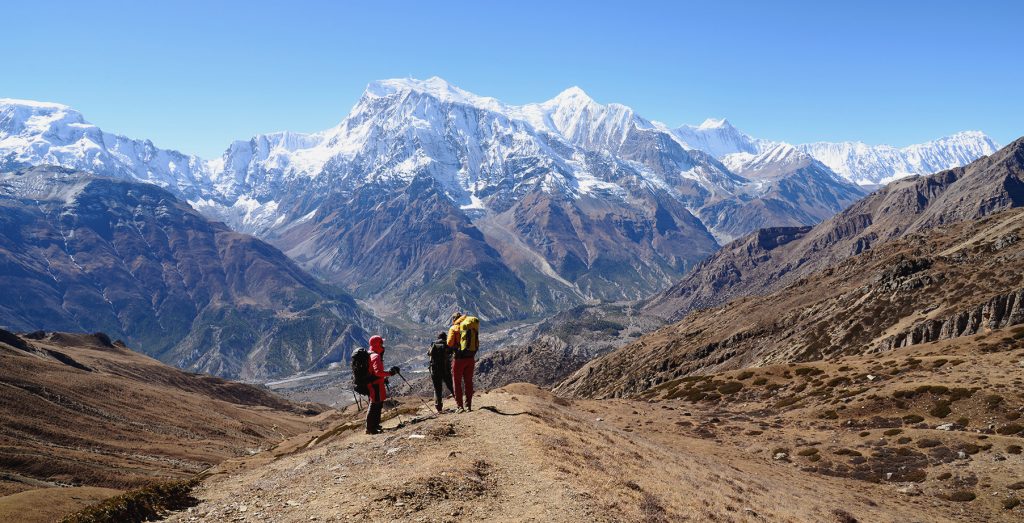
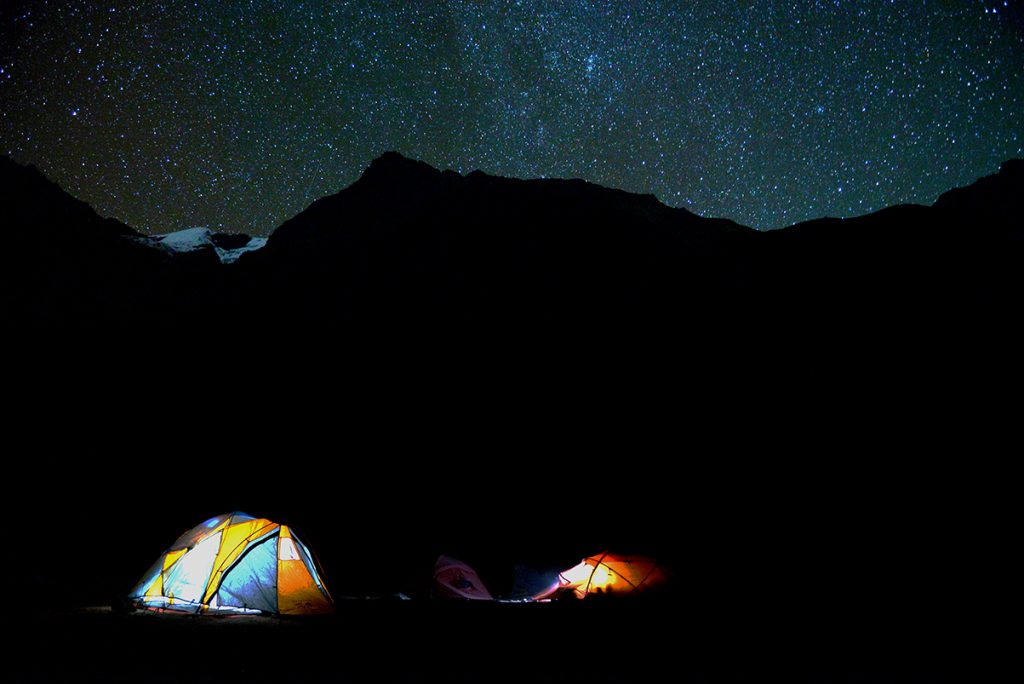
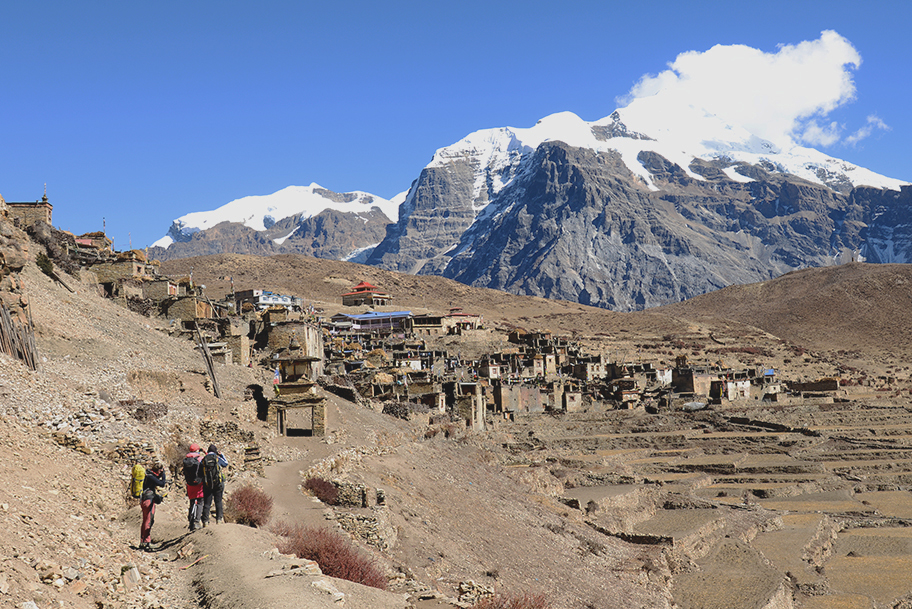
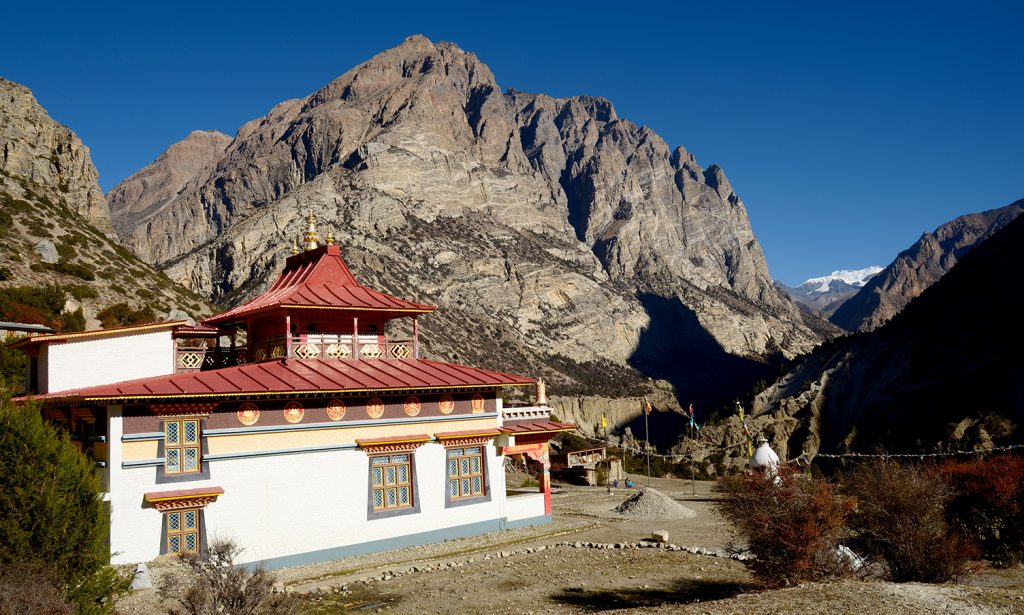
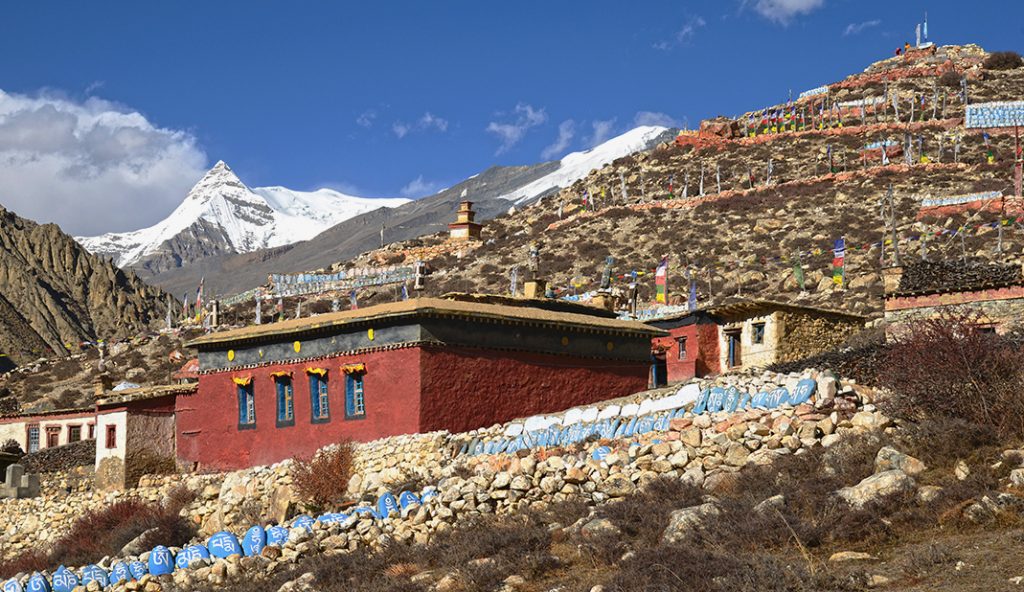
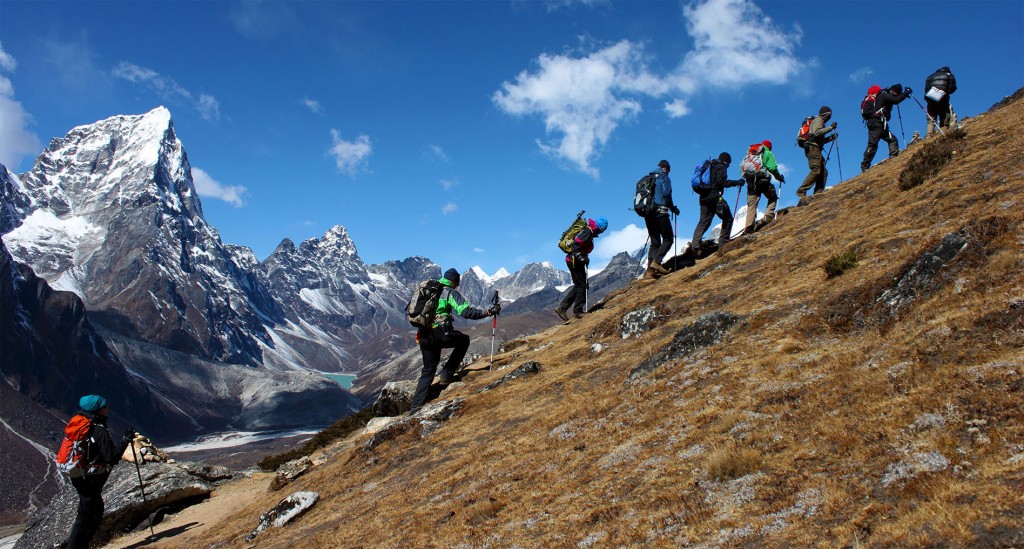
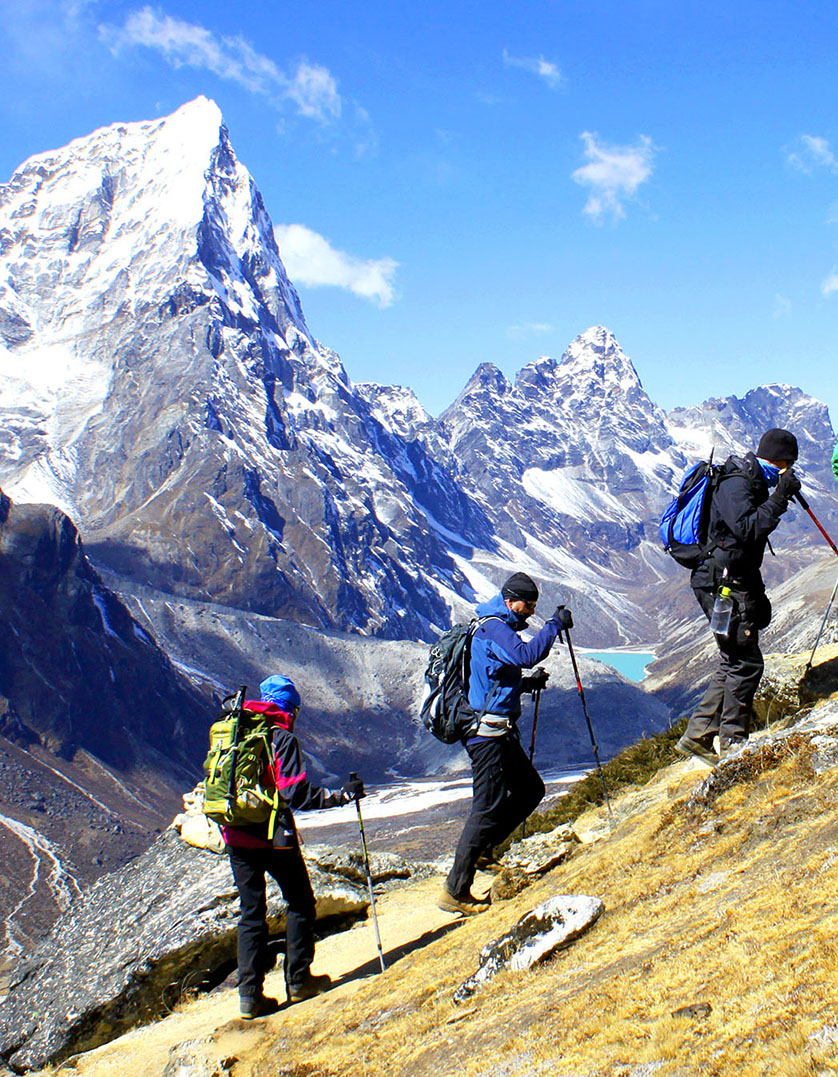
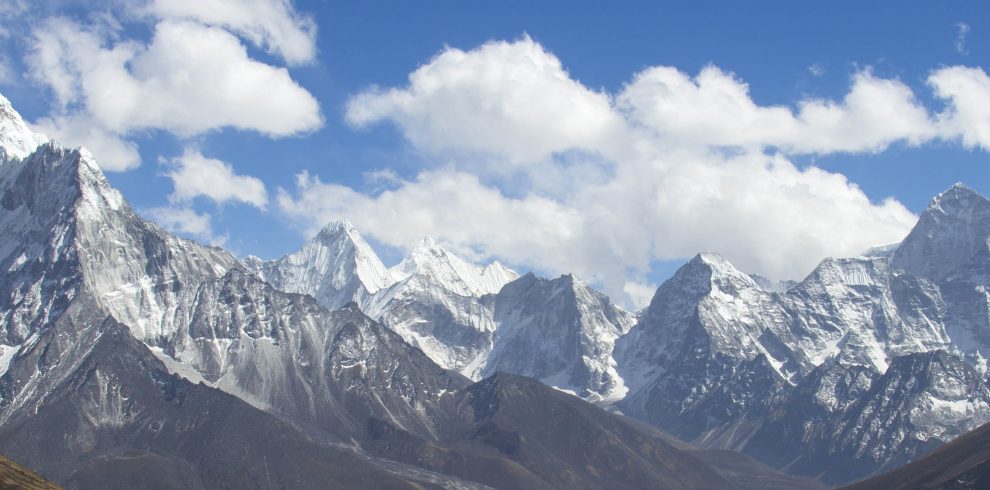
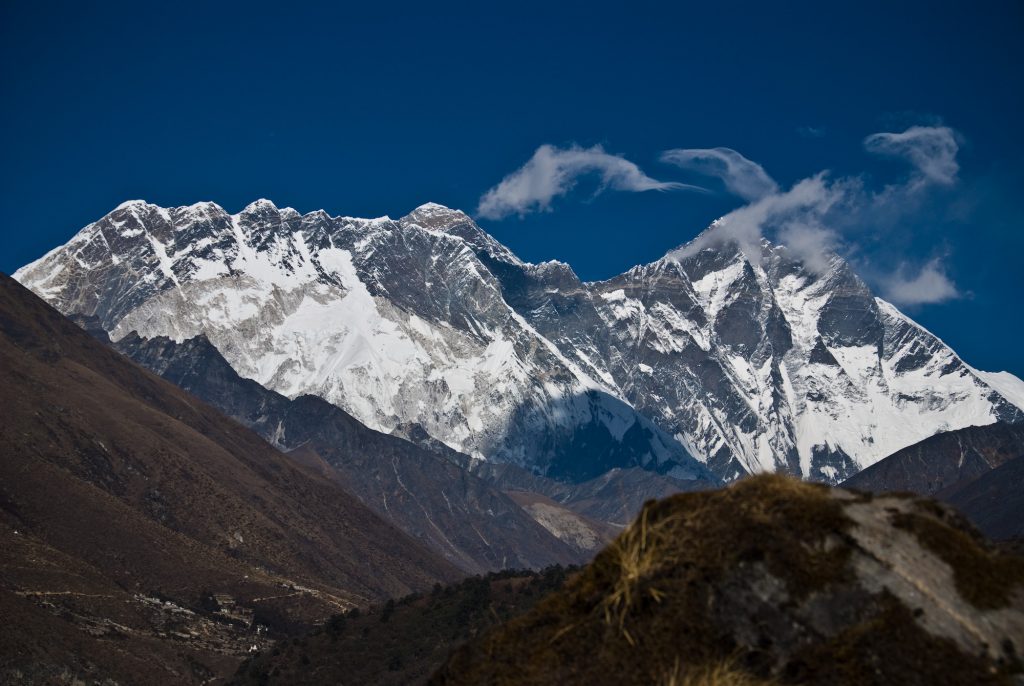
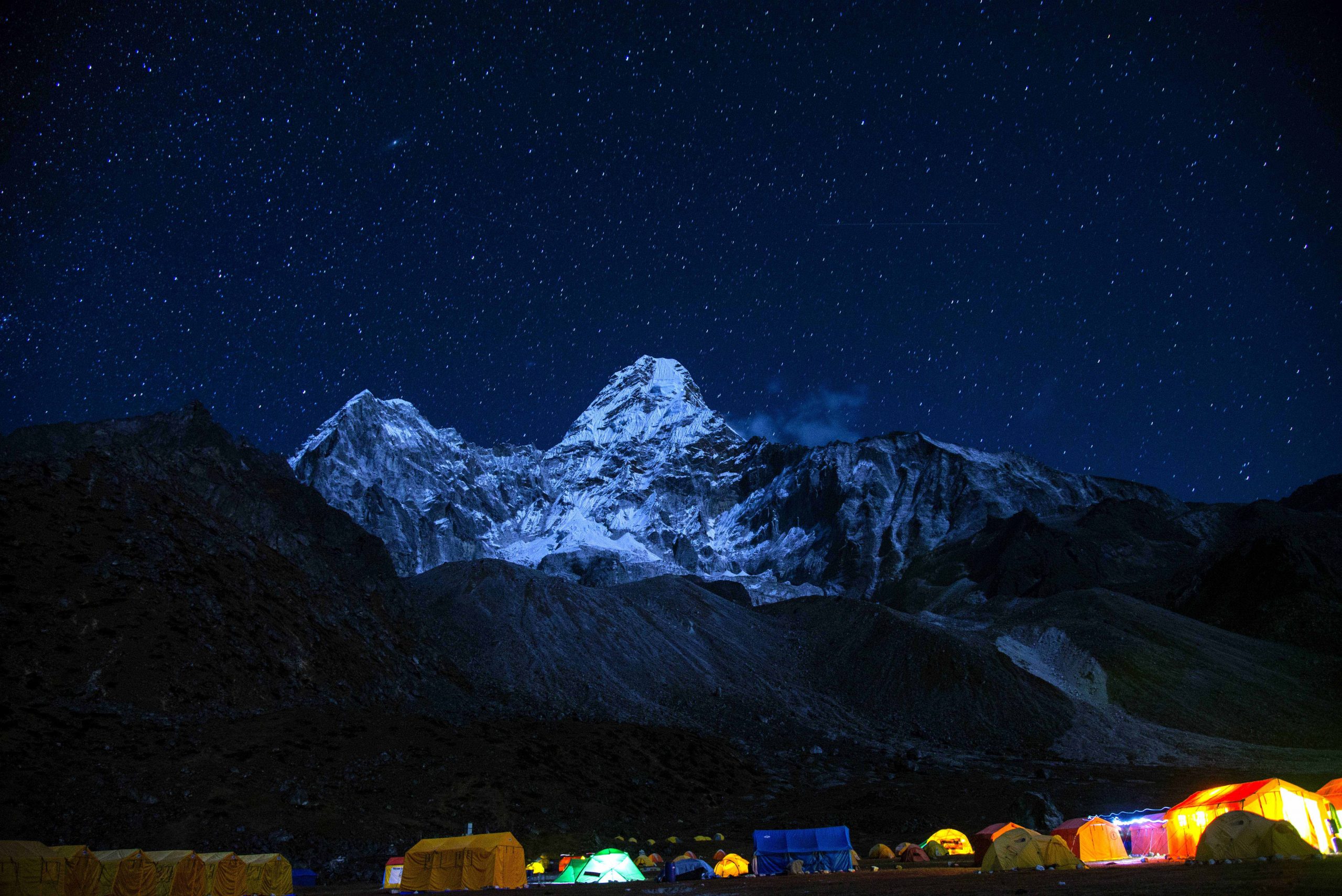
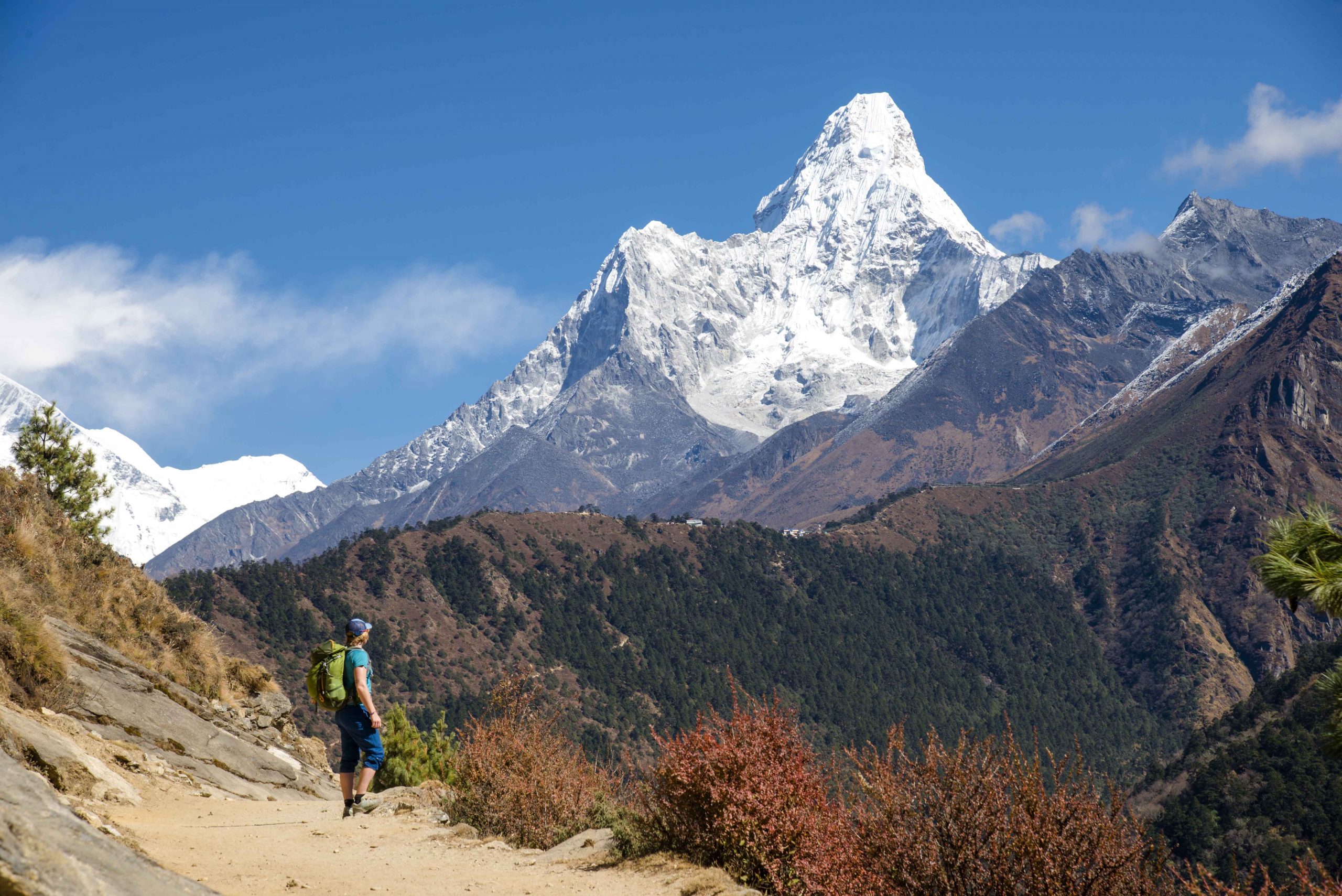
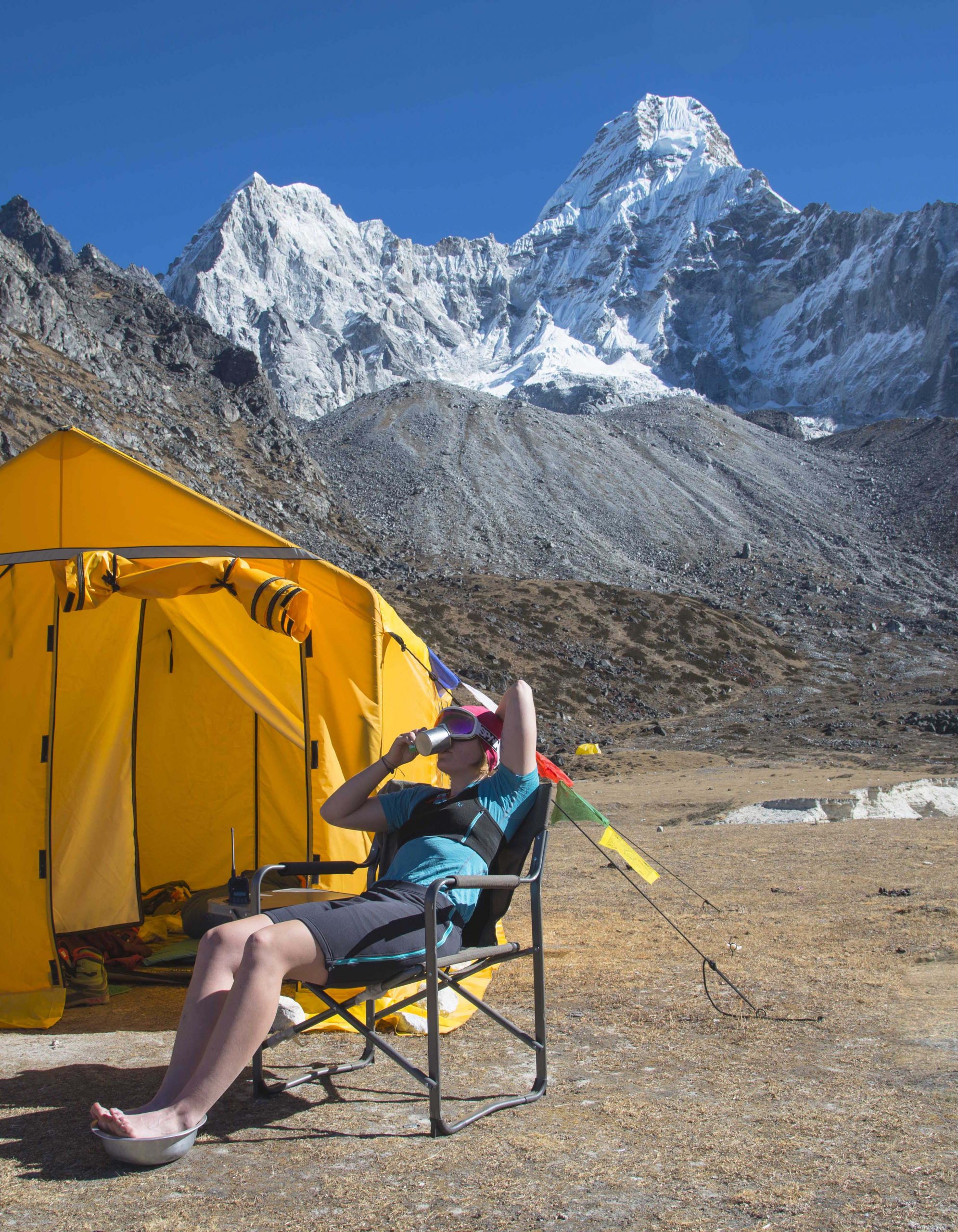
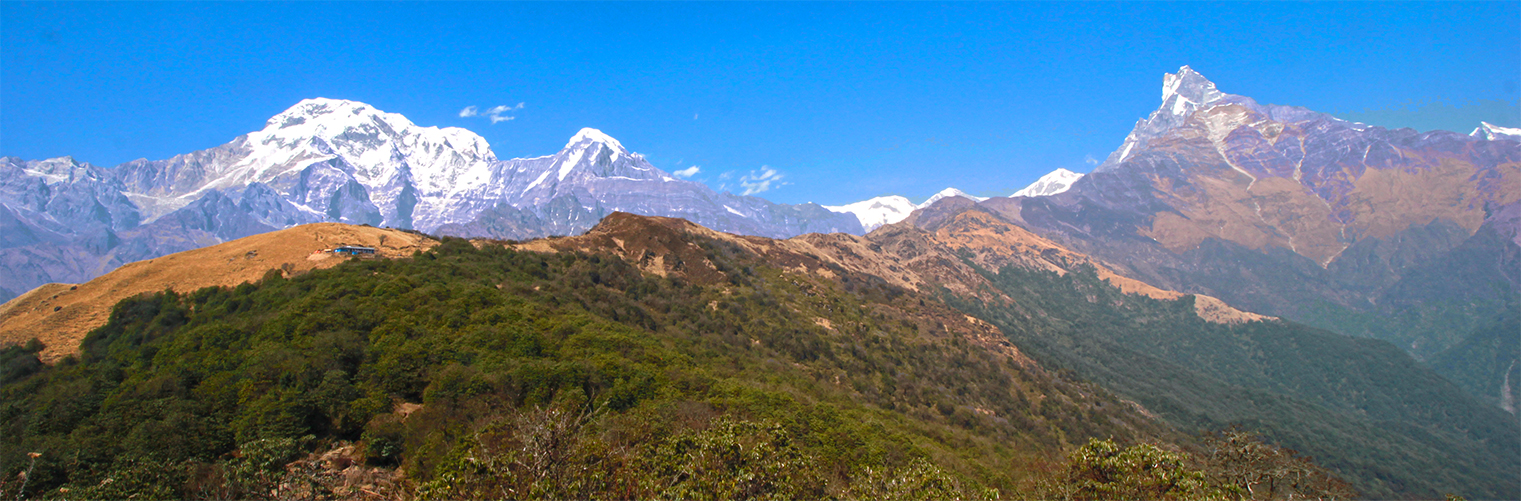
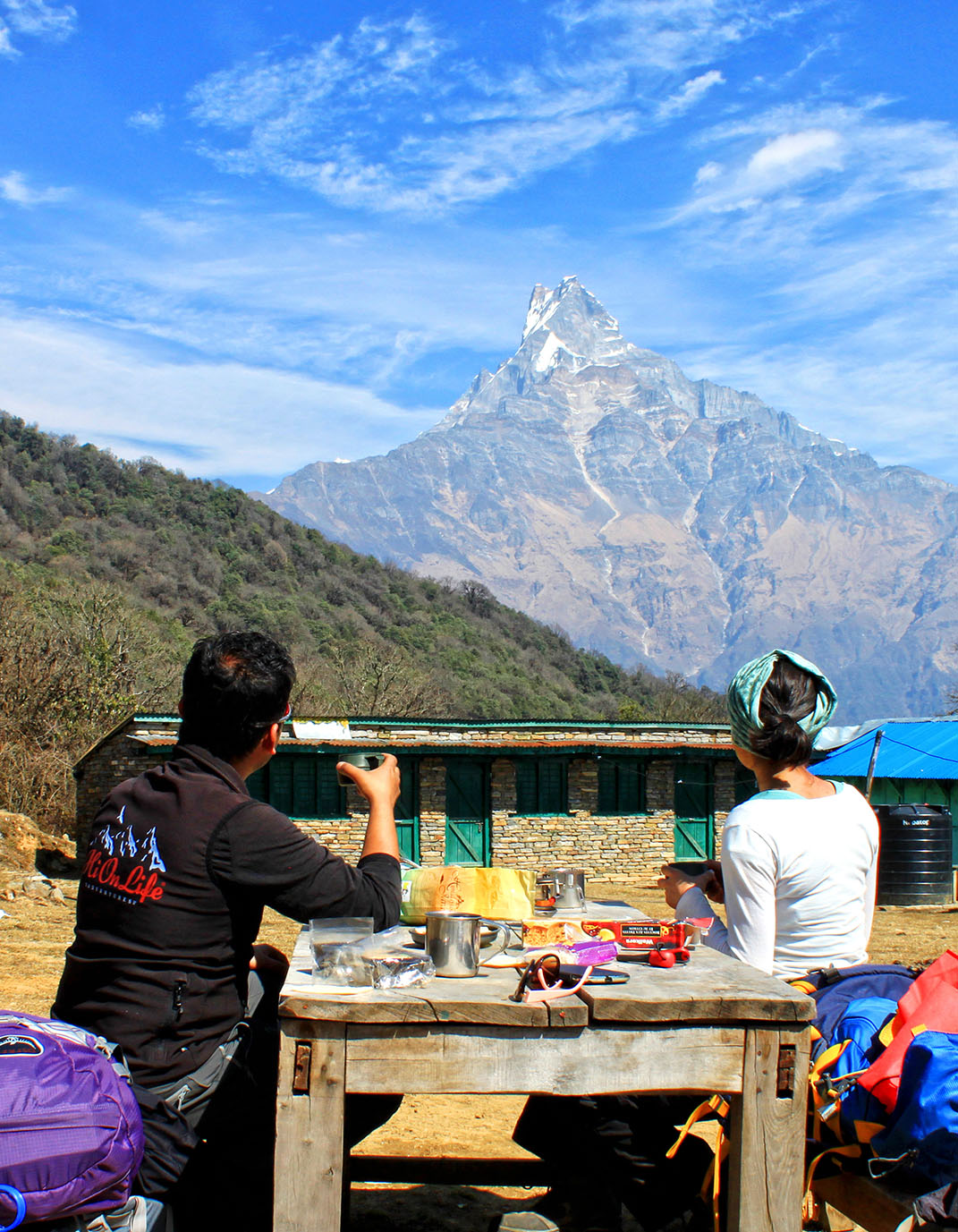
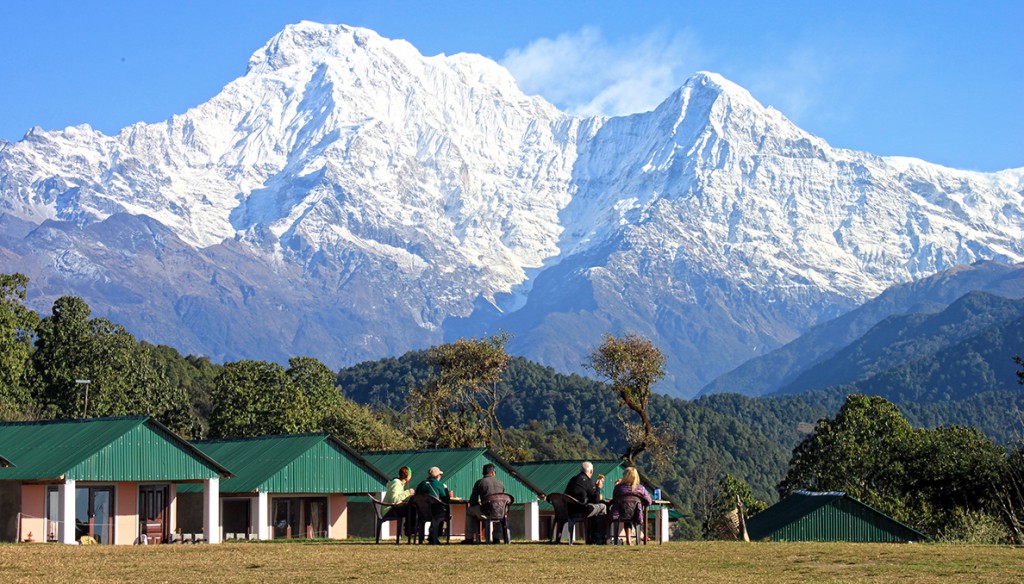
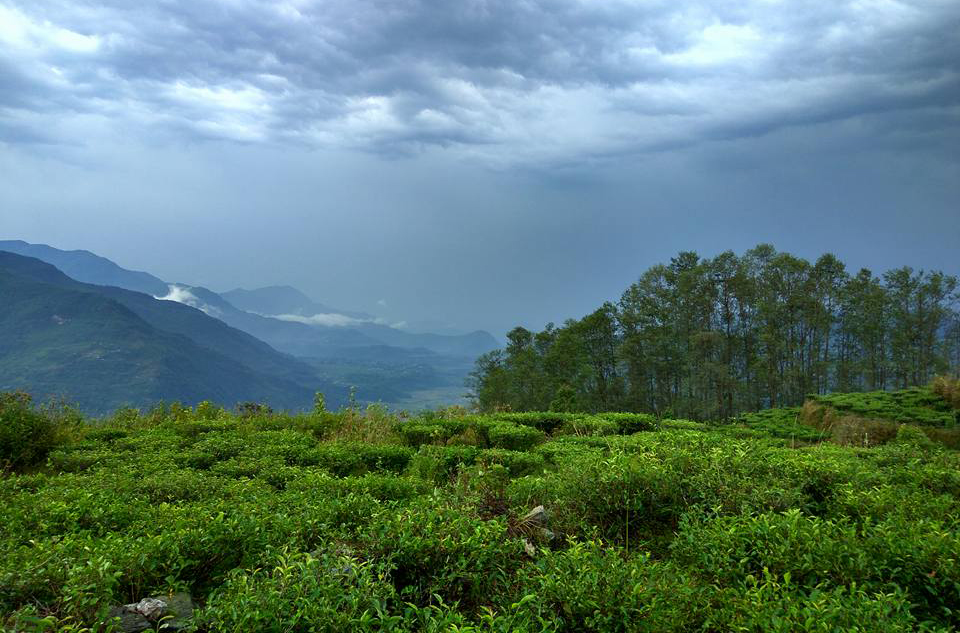
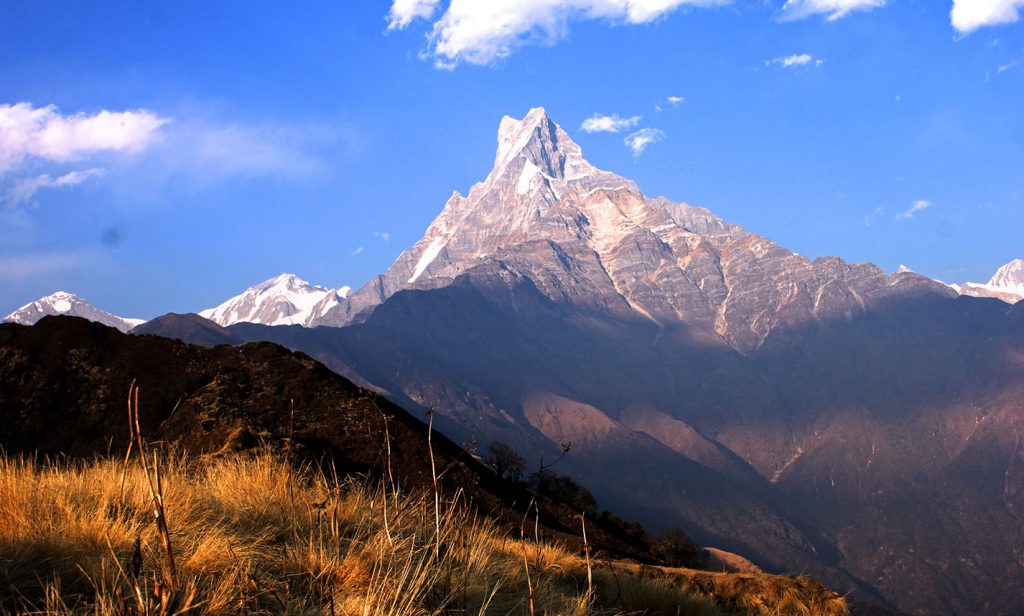
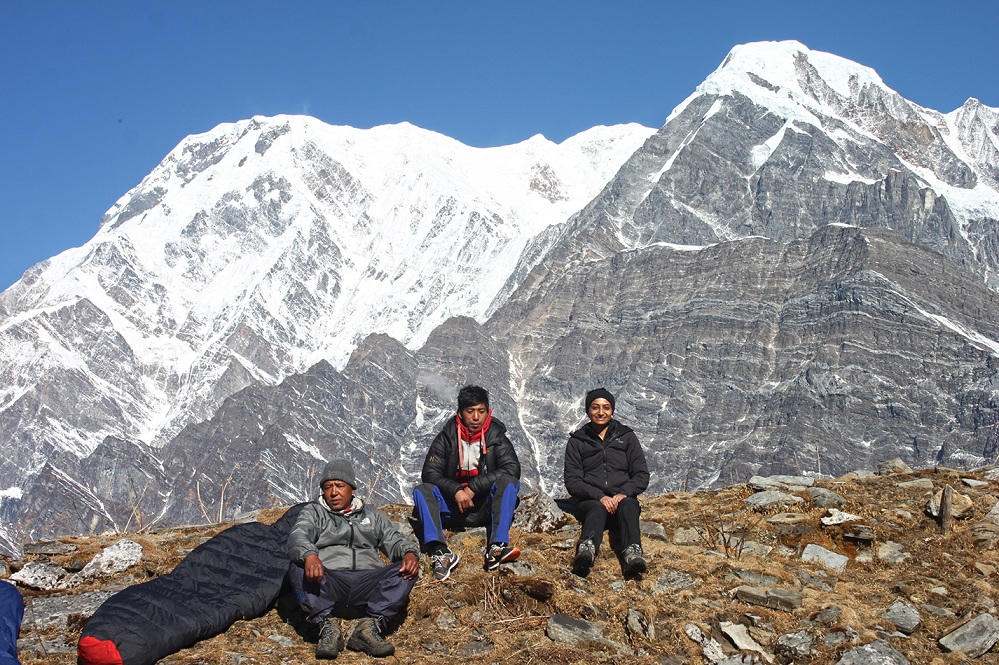
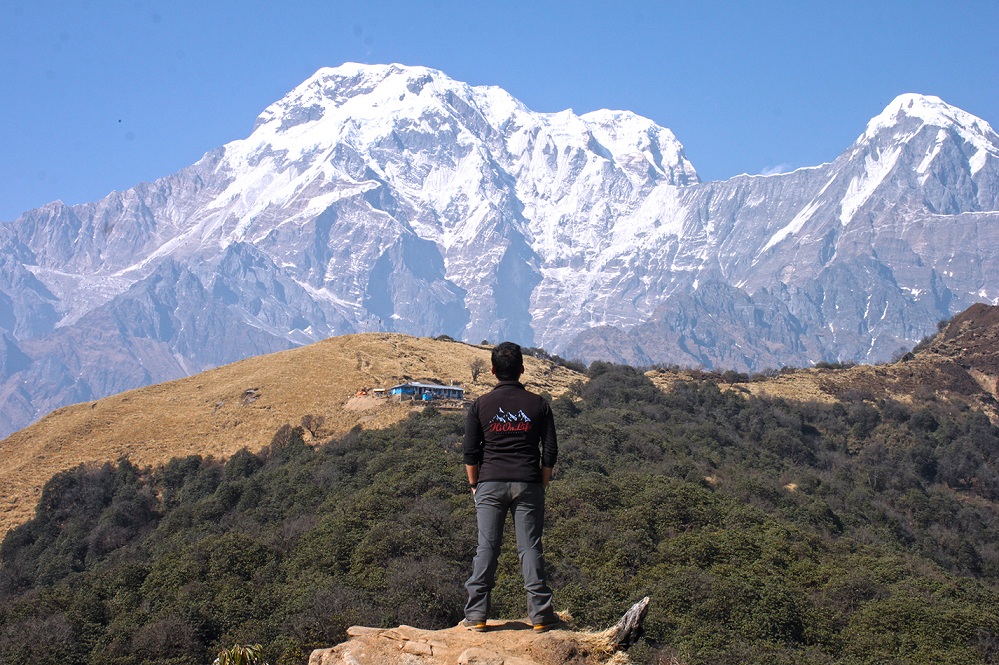
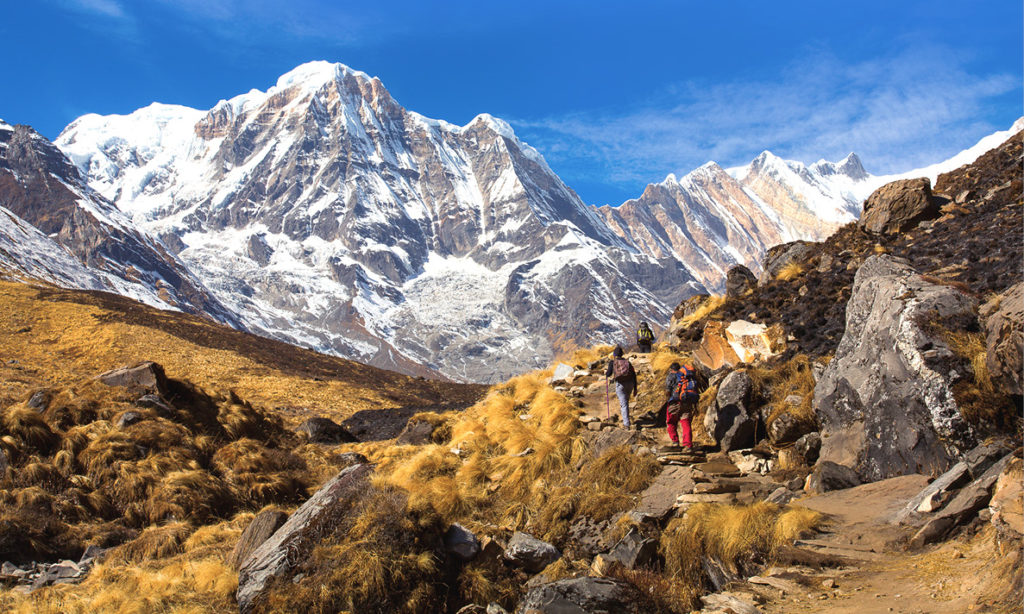
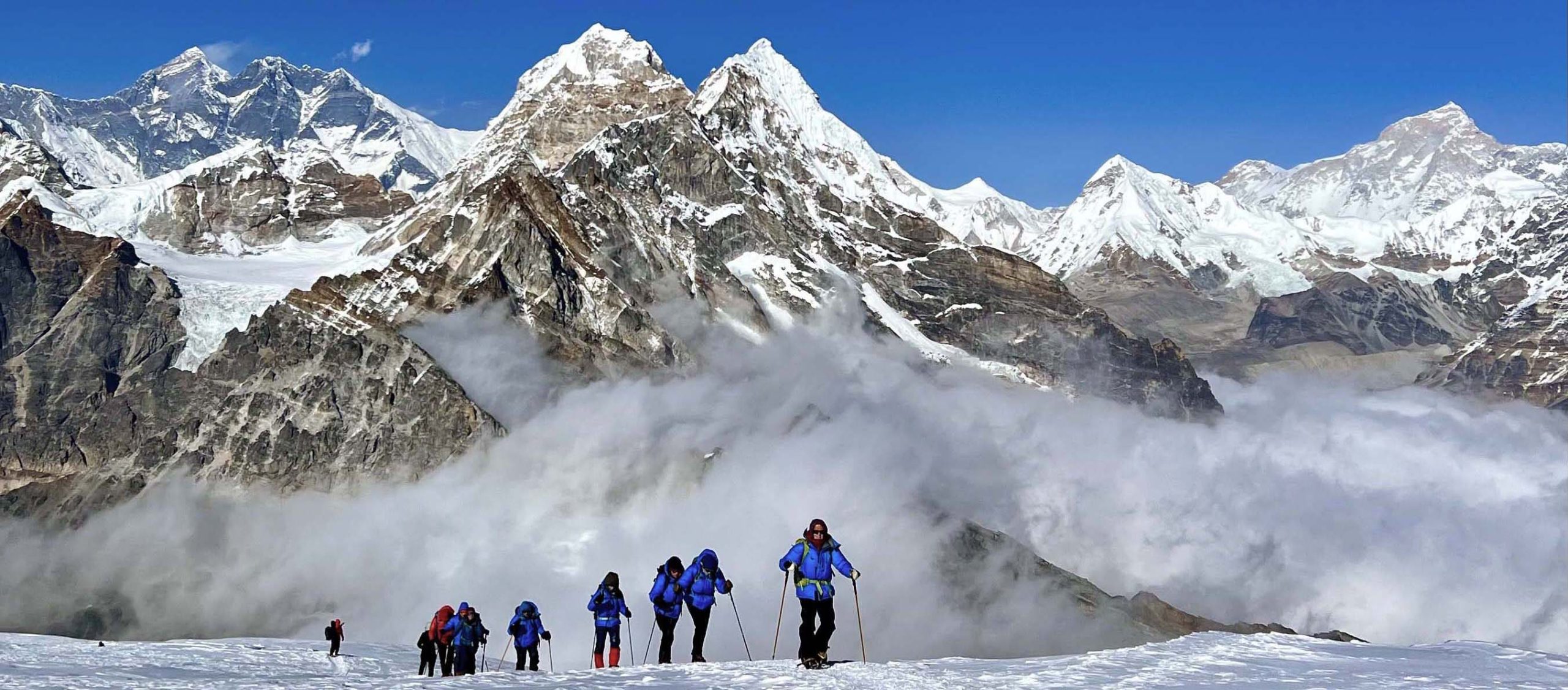
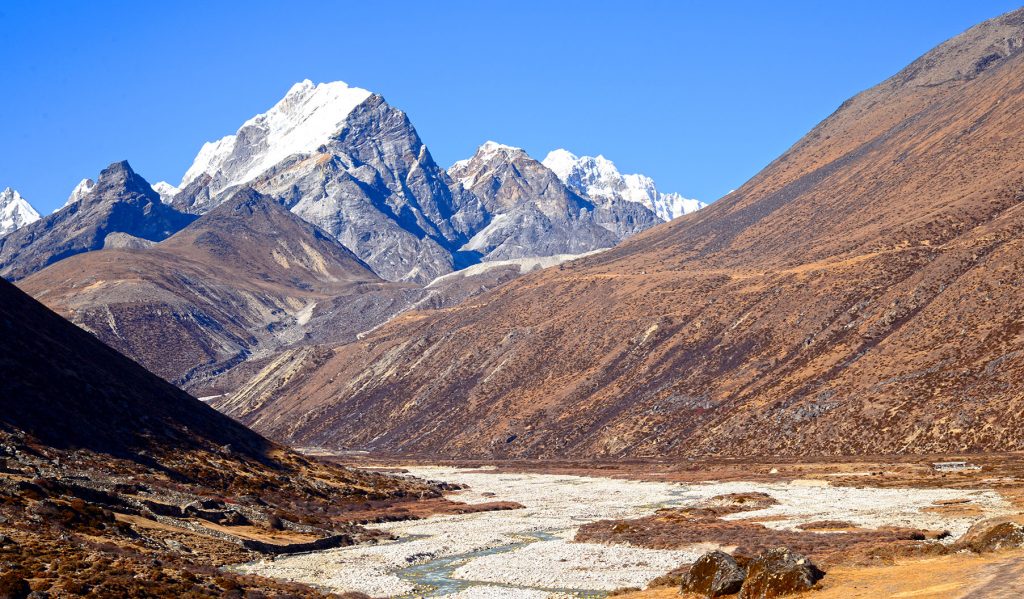
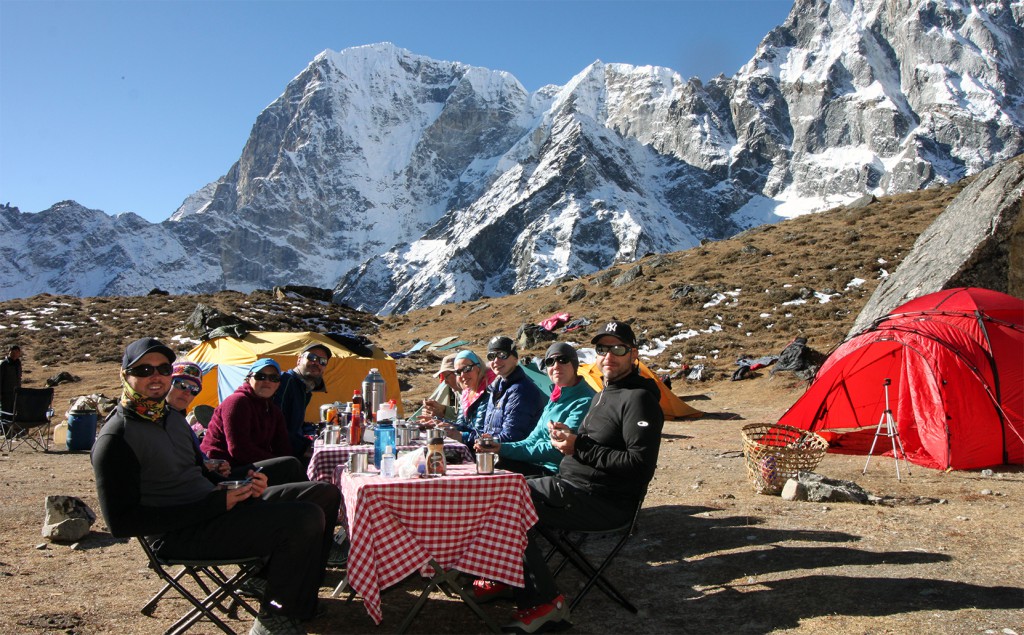
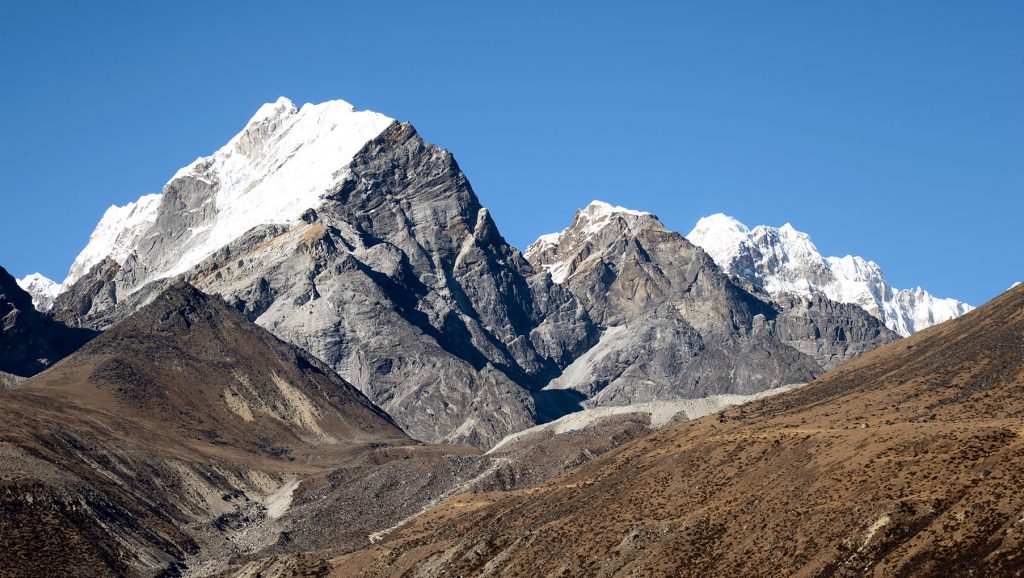
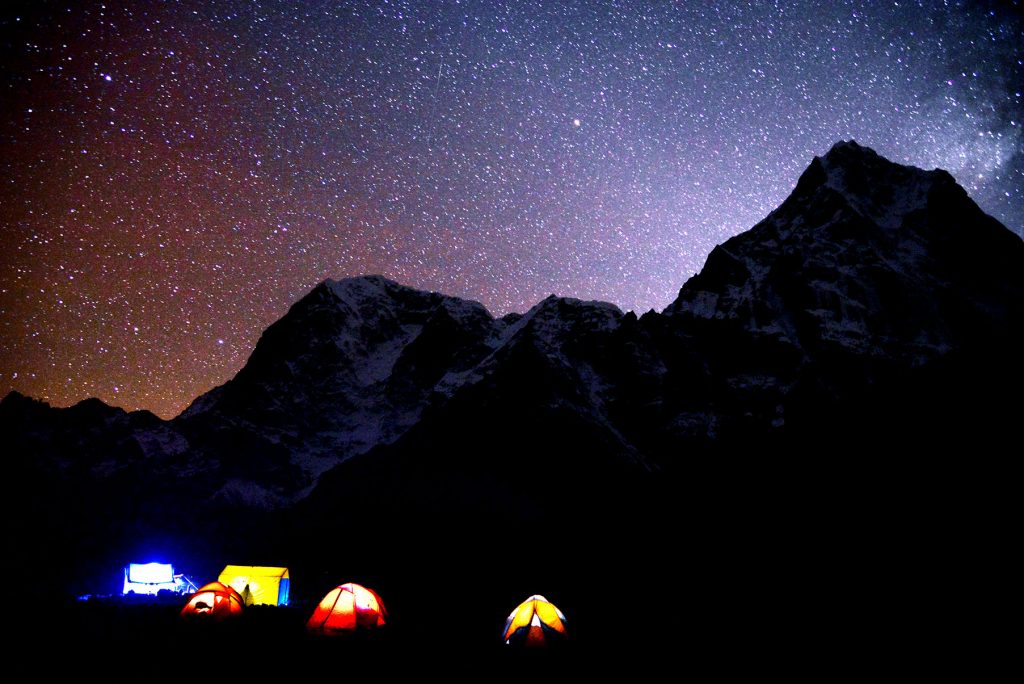
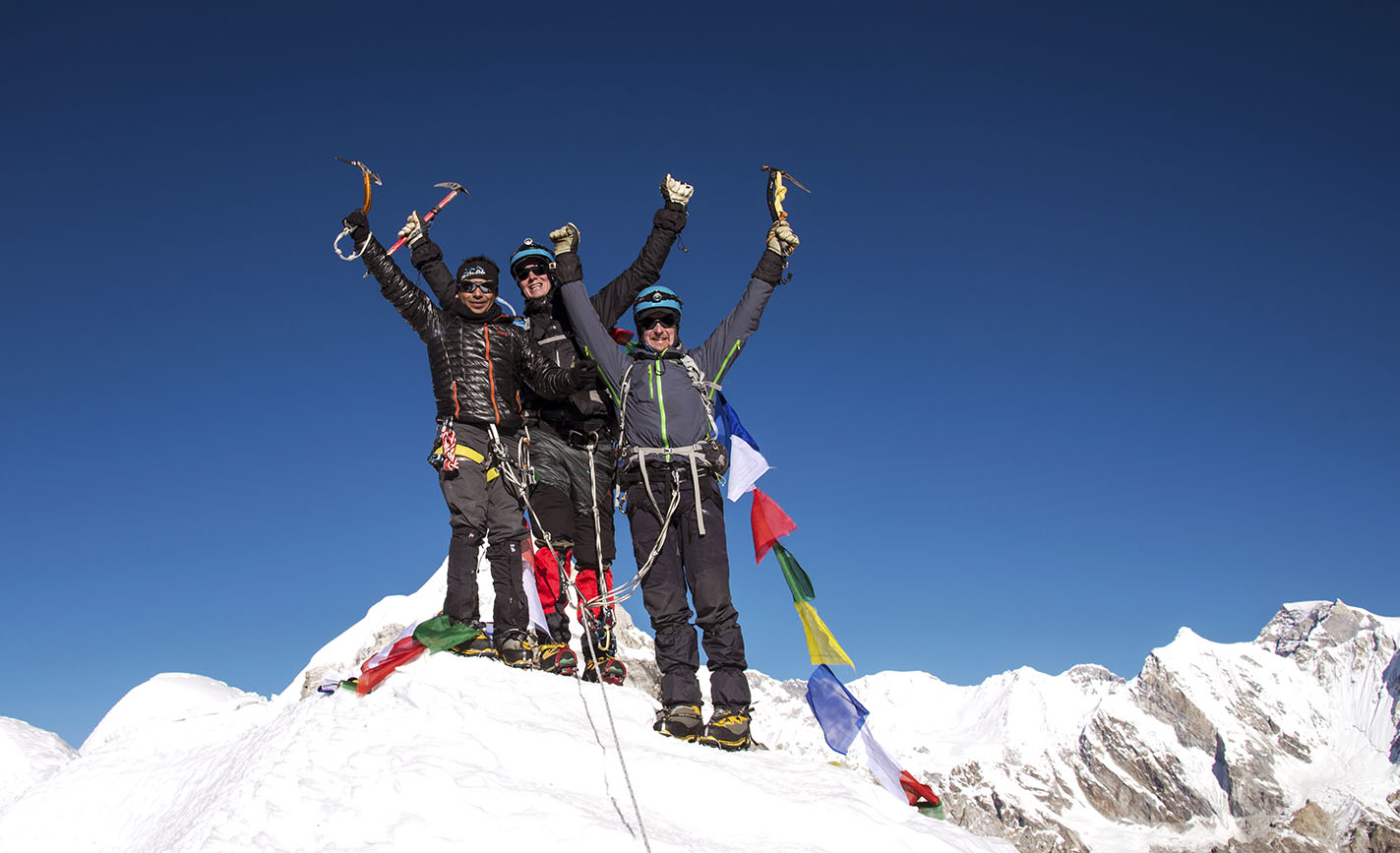
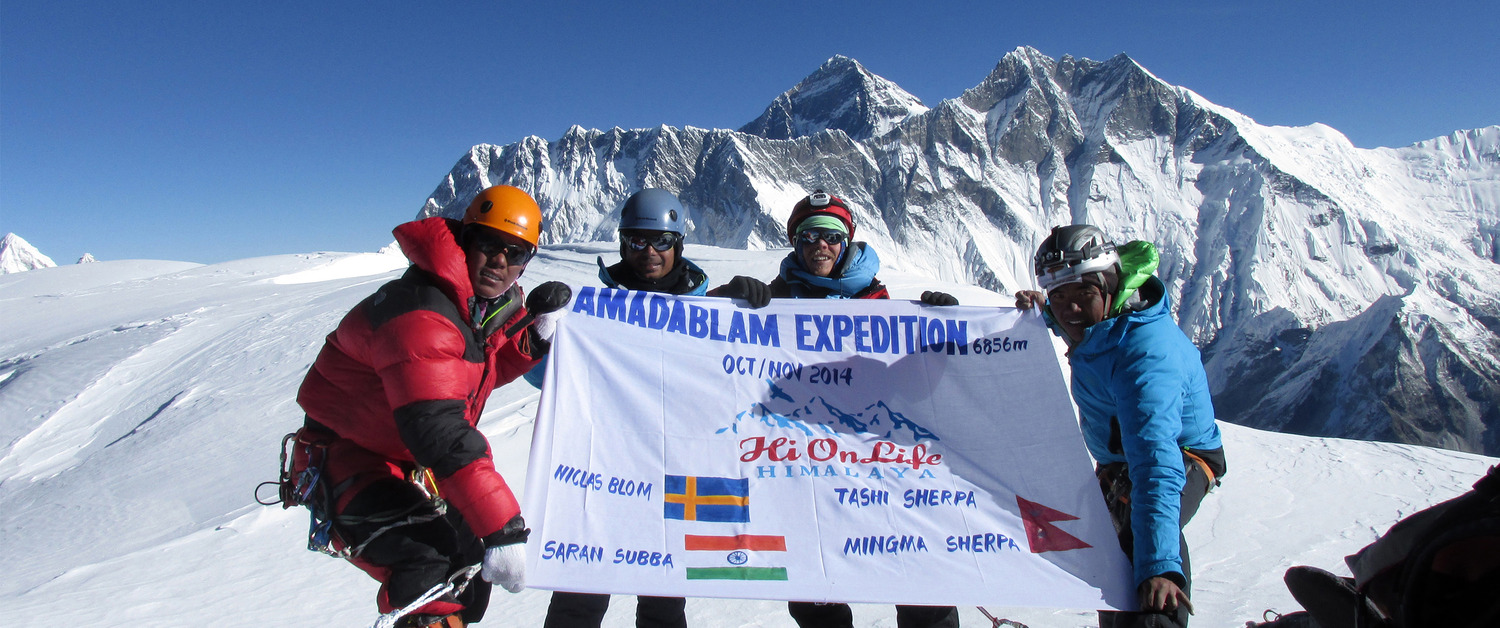
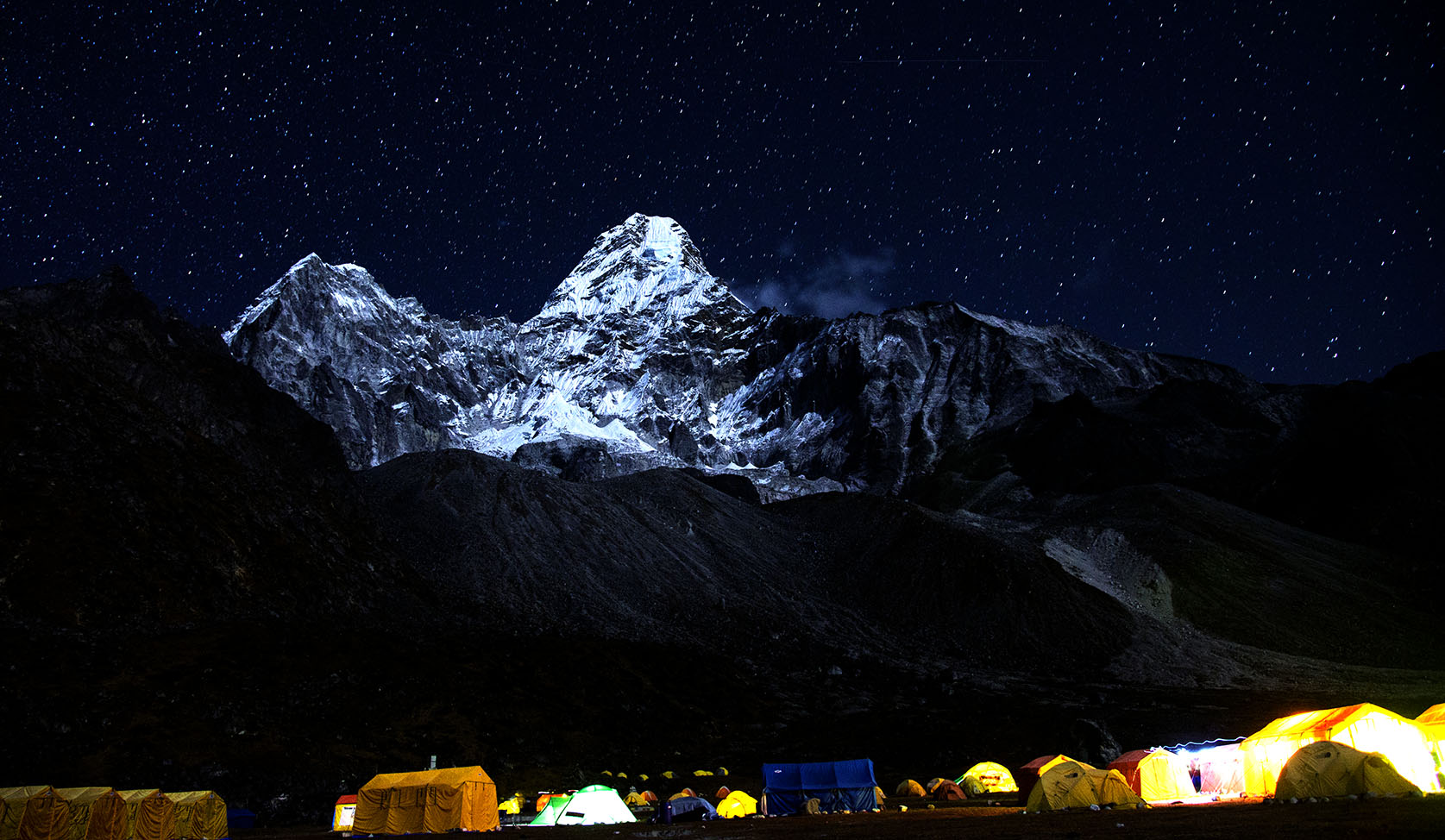
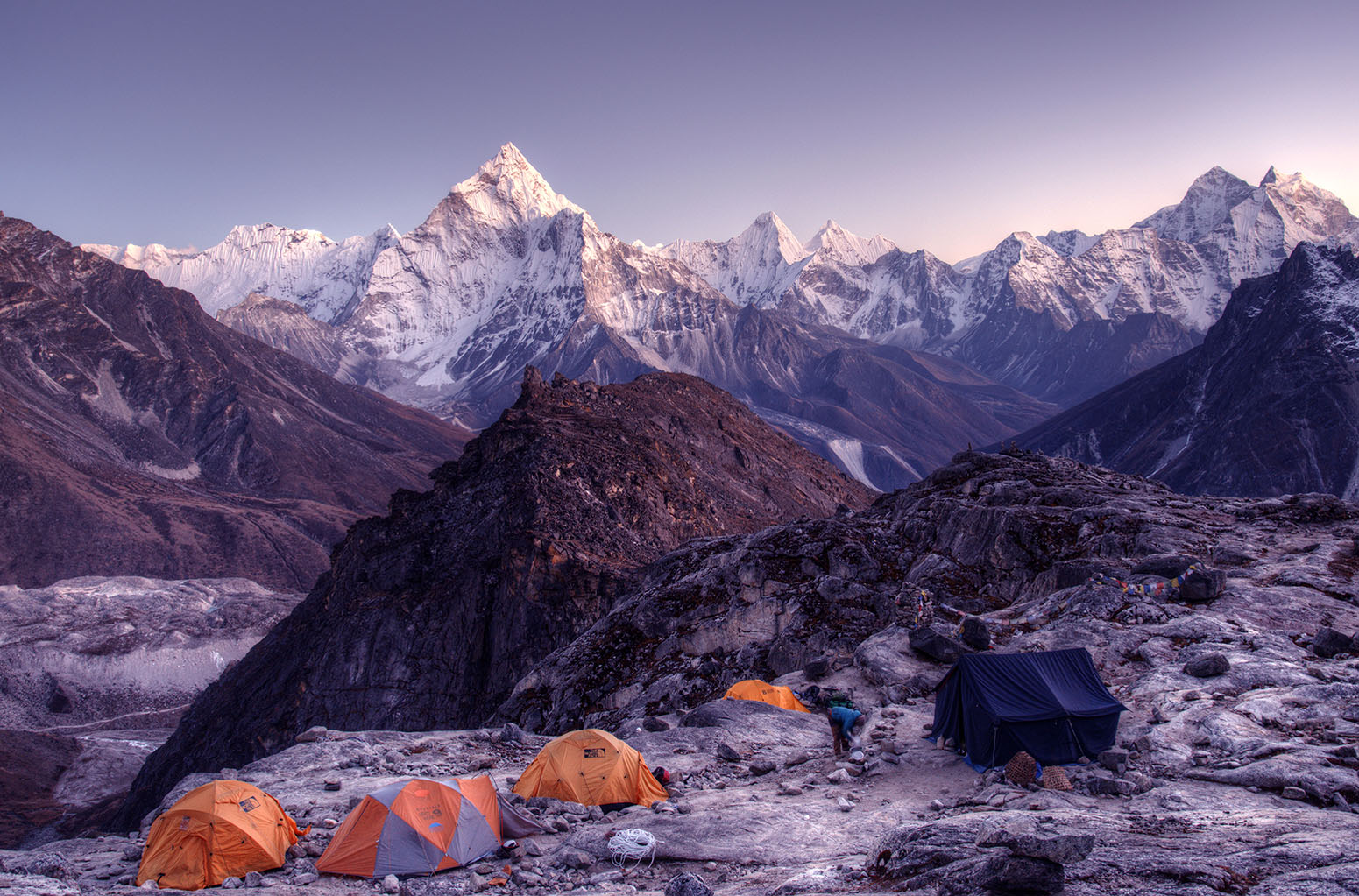
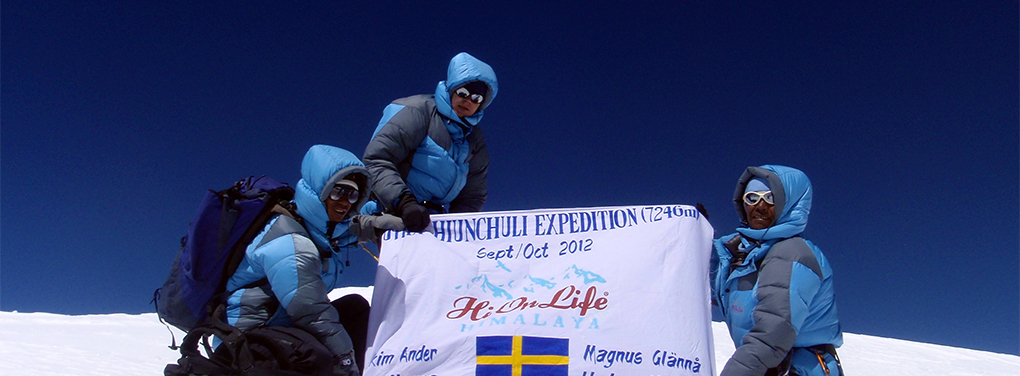
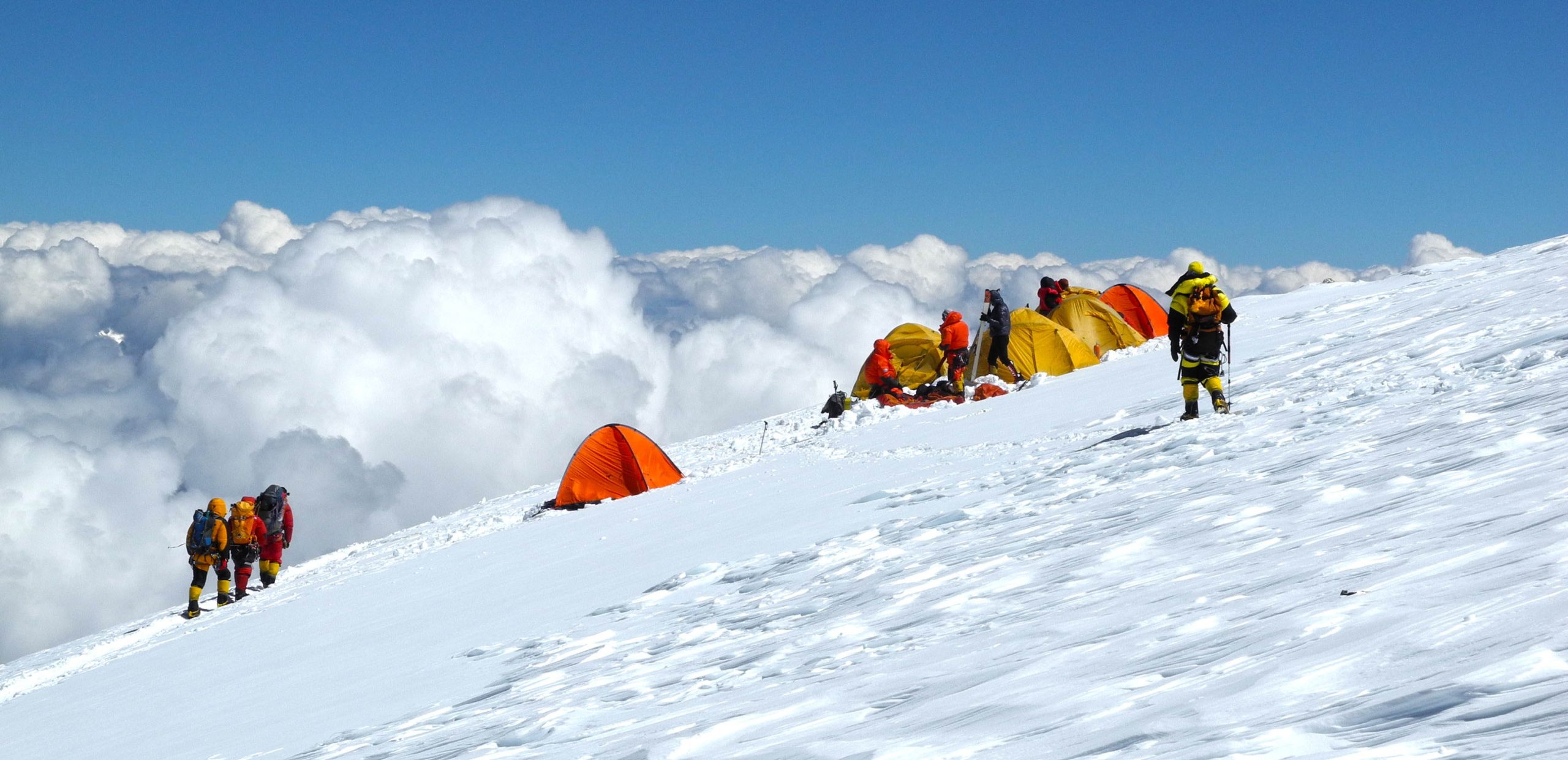
At HiOnLife Adventures, our trekking peaks expeditions offer more than climbing—they provide a journey into the heart of the Himalayas. Each trek balances challenge, adventure, and mindful pacing, making it suitable for both beginners and experienced climbers. As you ascend Nepal’s mountains, you witness breathtaking views, pristine alpine landscapes, and the serene rhythm of high-altitude life.
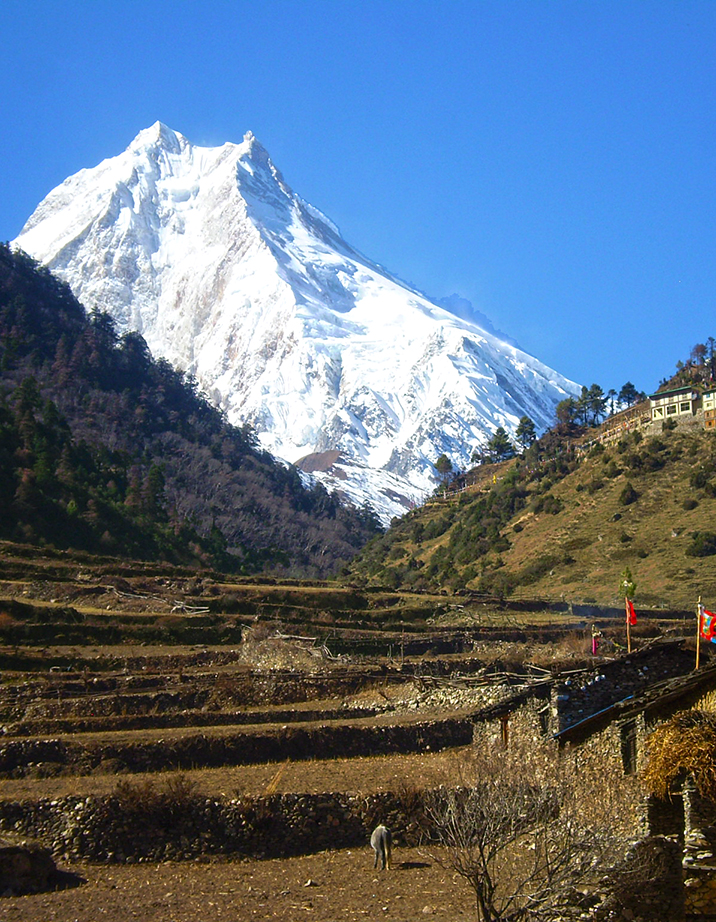
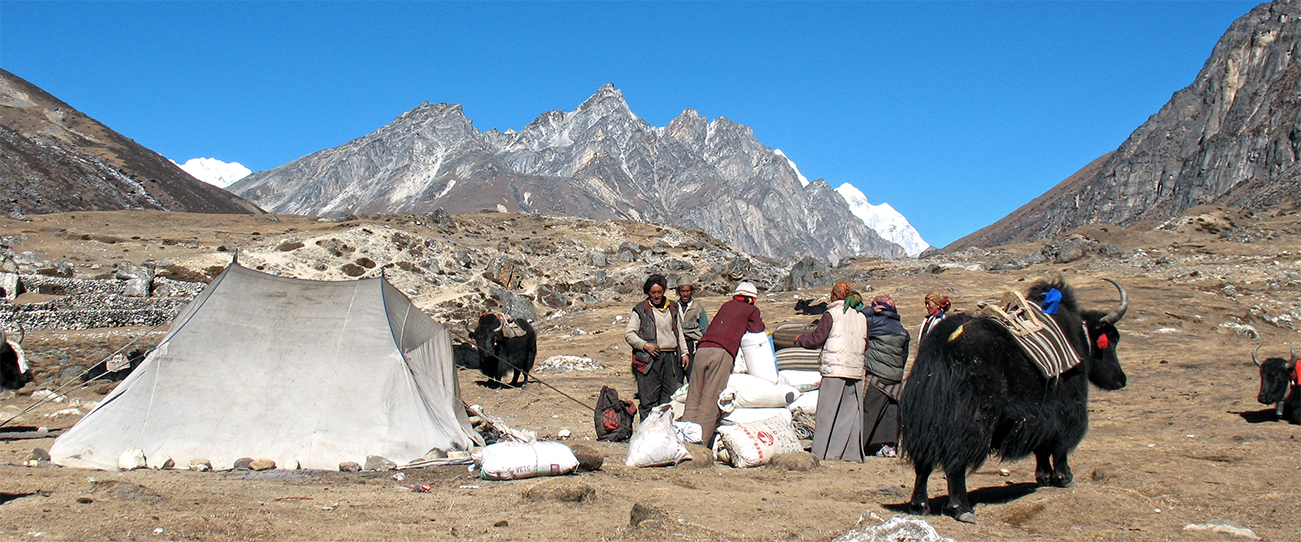
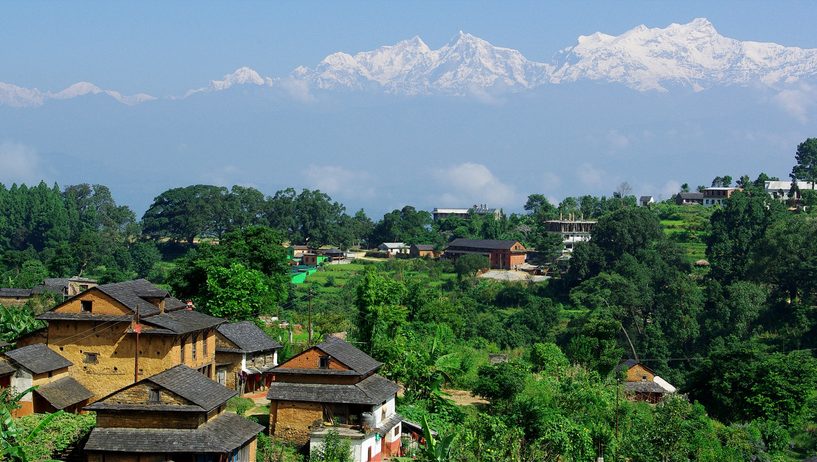
We guide you through carefully planned routes that combine trekking peaks with cultural encounters in remote villages. Along the trails, you meet local communities, observe traditional lifestyles, and share simple moments that leave lasting impressions. Every step on these trails is an opportunity to connect—with nature, with the mountains, and with yourself.
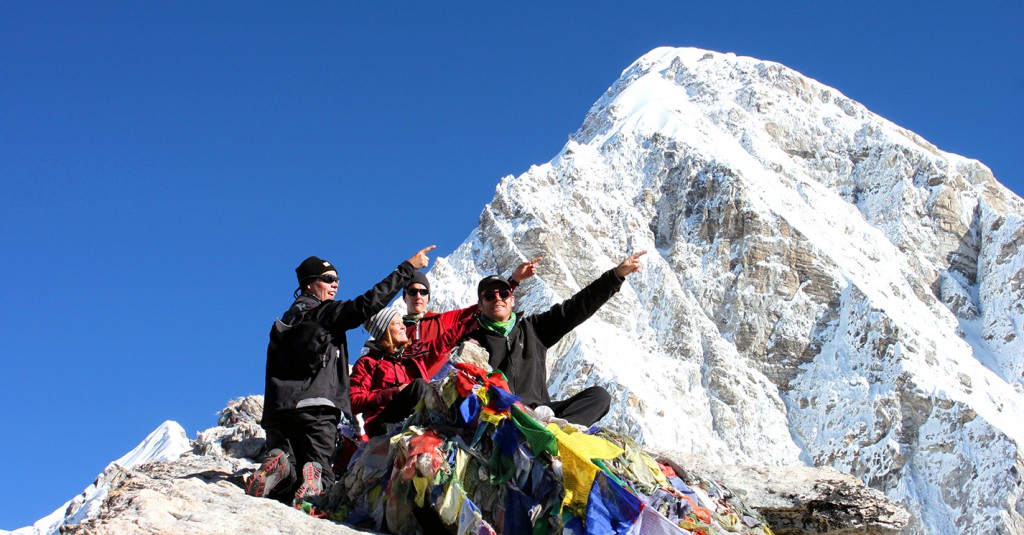
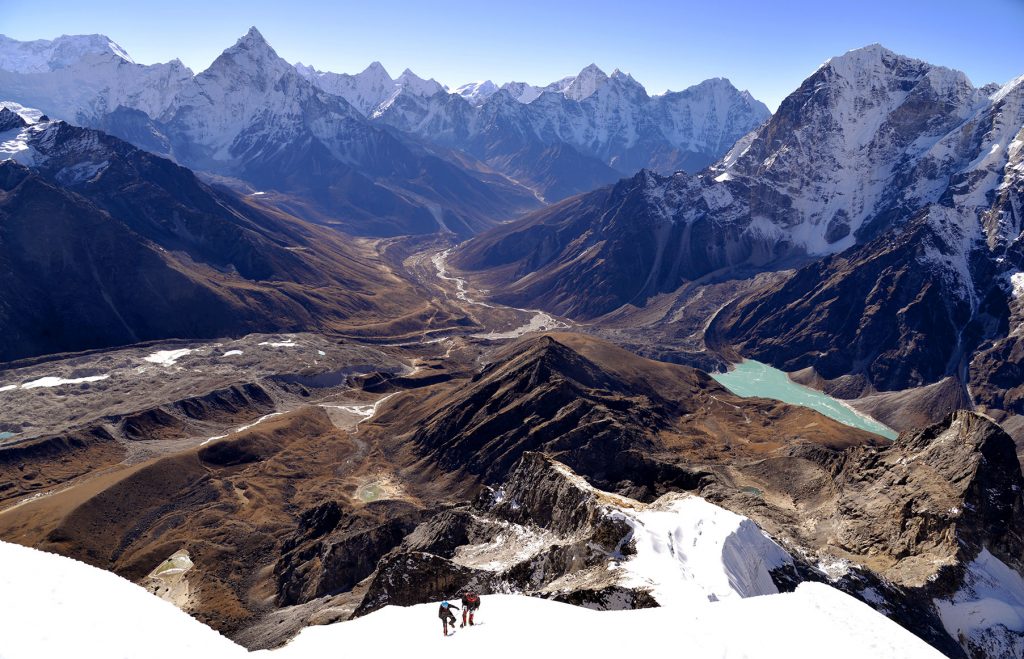
Our expeditions emphasize safety, acclimatization, and gradual progress. You experience the satisfaction of reaching summits like Mera Peak, Island Peak, or Lobuche while enjoying quiet trails away from crowded paths. Along the way, you practice mindful trekking, rest adequately, and immerse yourself in the Himalayan environment.
At HiOnLife Adventures, trekking peaks is not just about the summit—it’s about the journey. The mountains teach patience, resilience, and wonder. Each trek leaves you inspired, grounded, and connected to the extraordinary landscapes and cultures of Nepal.
Advanced Mountaineering
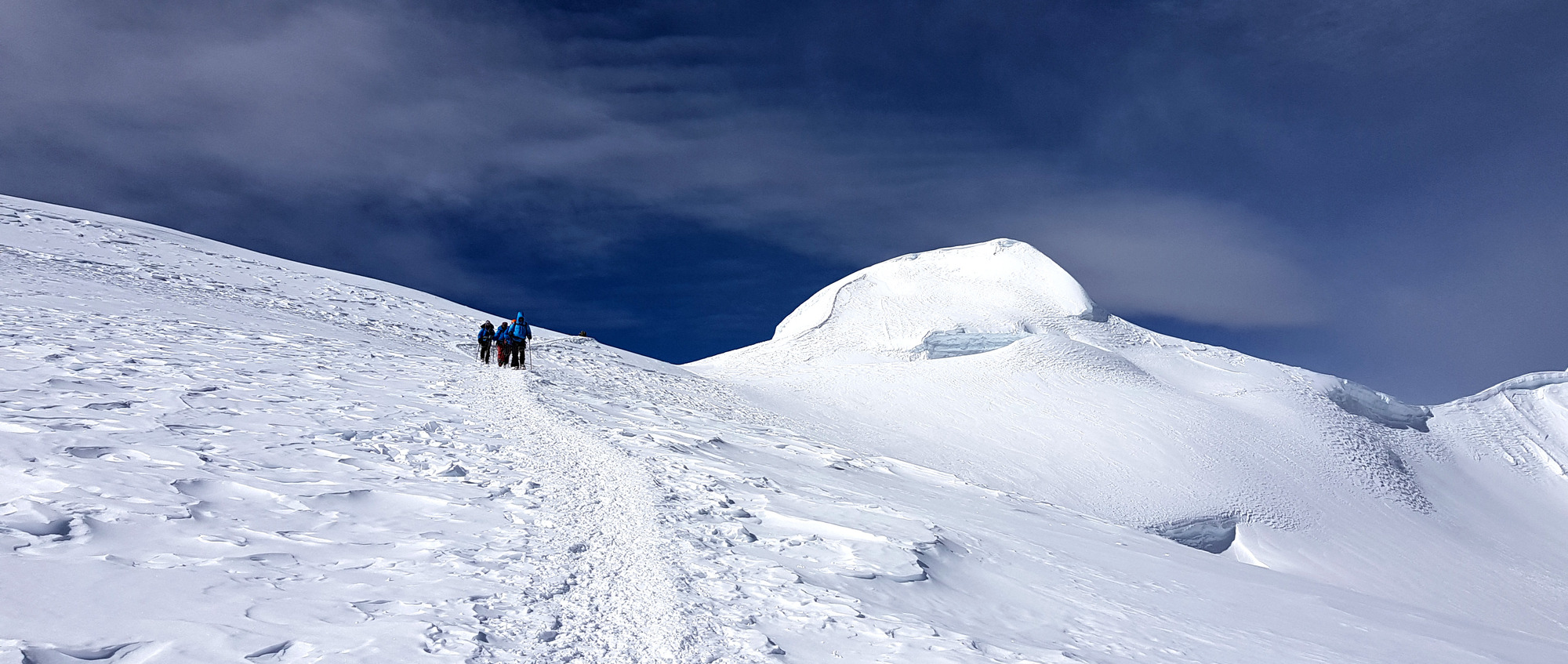
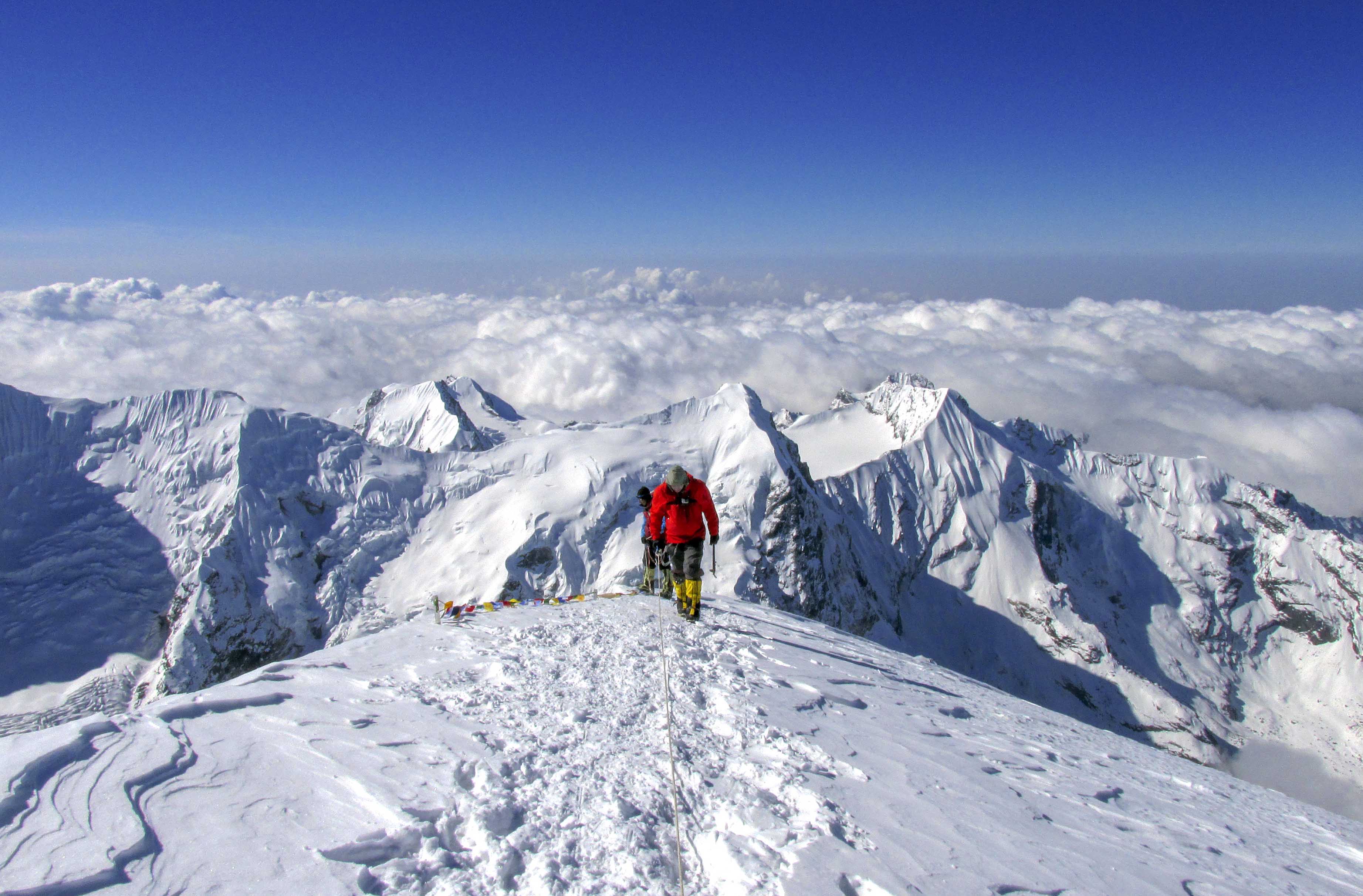
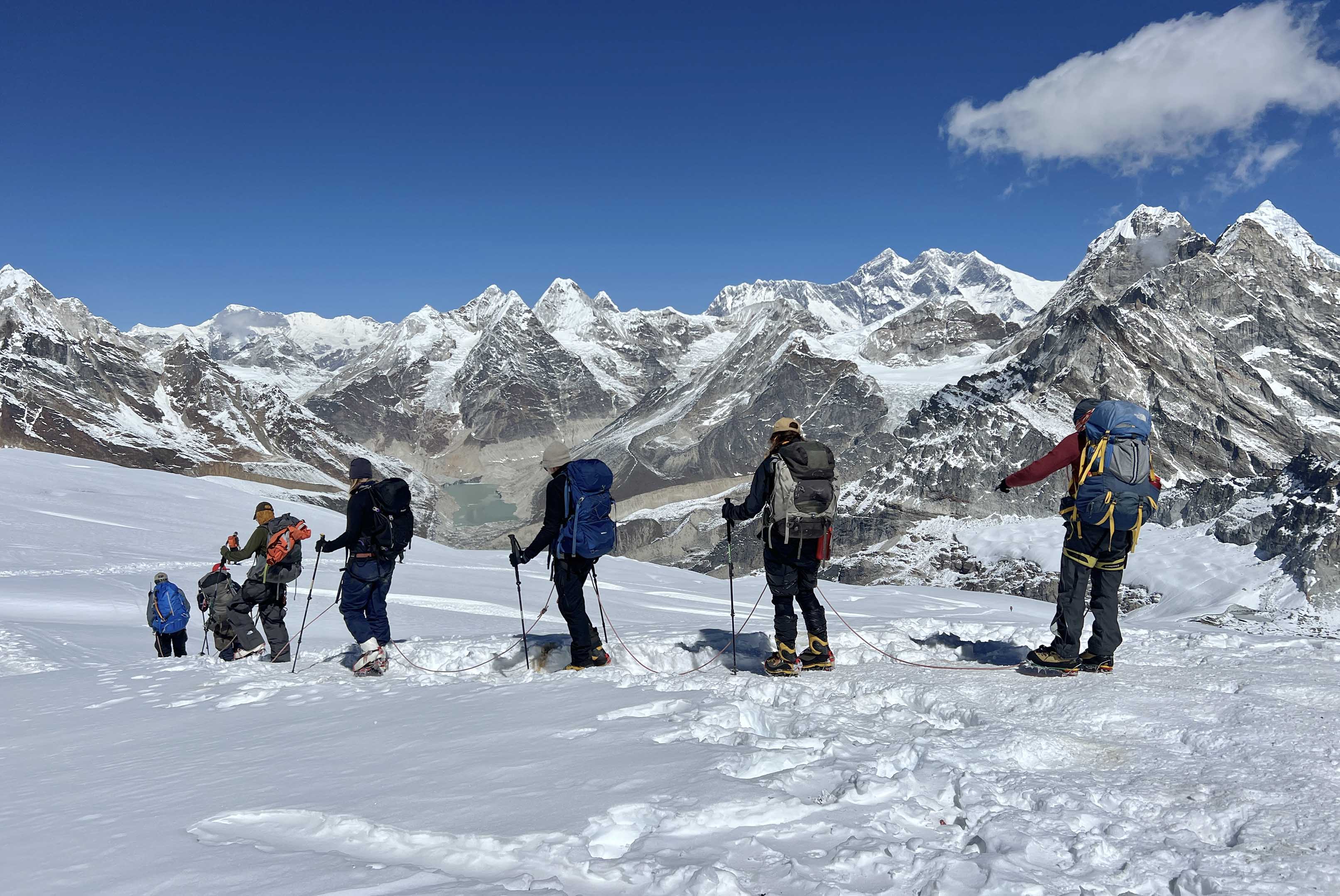
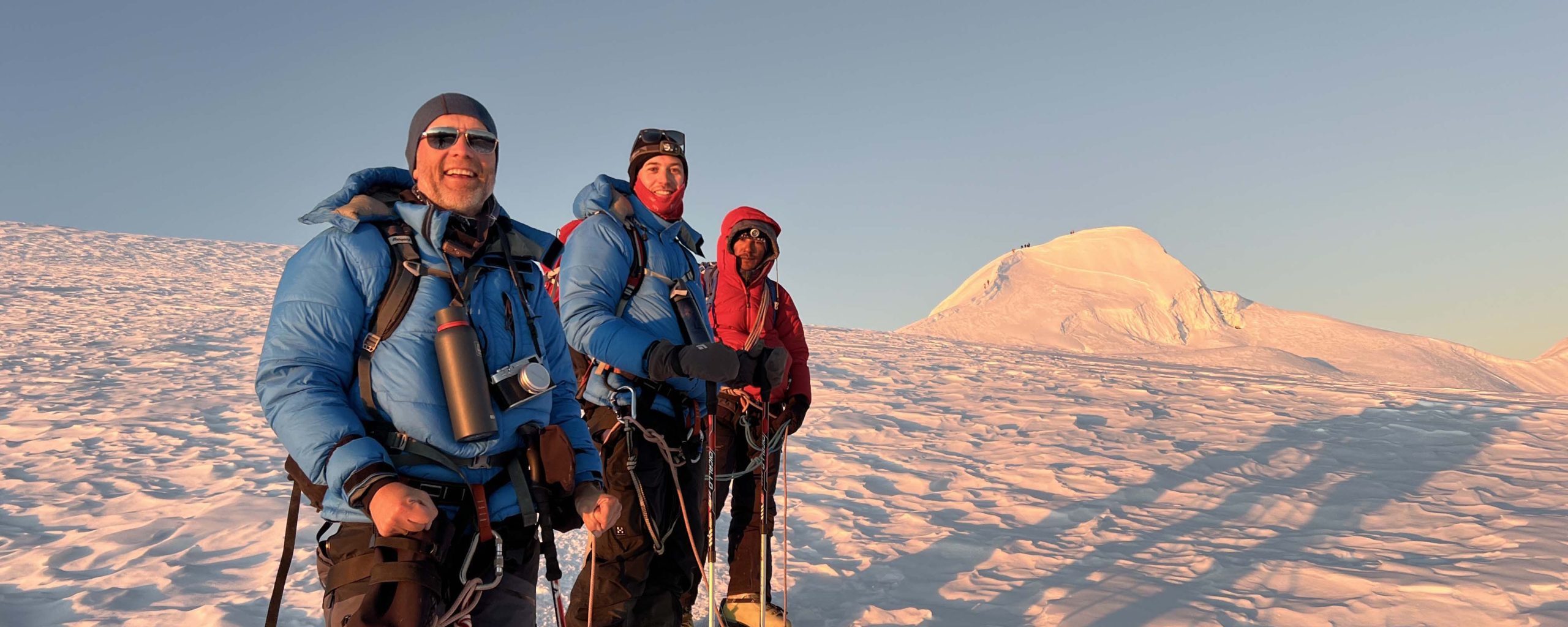
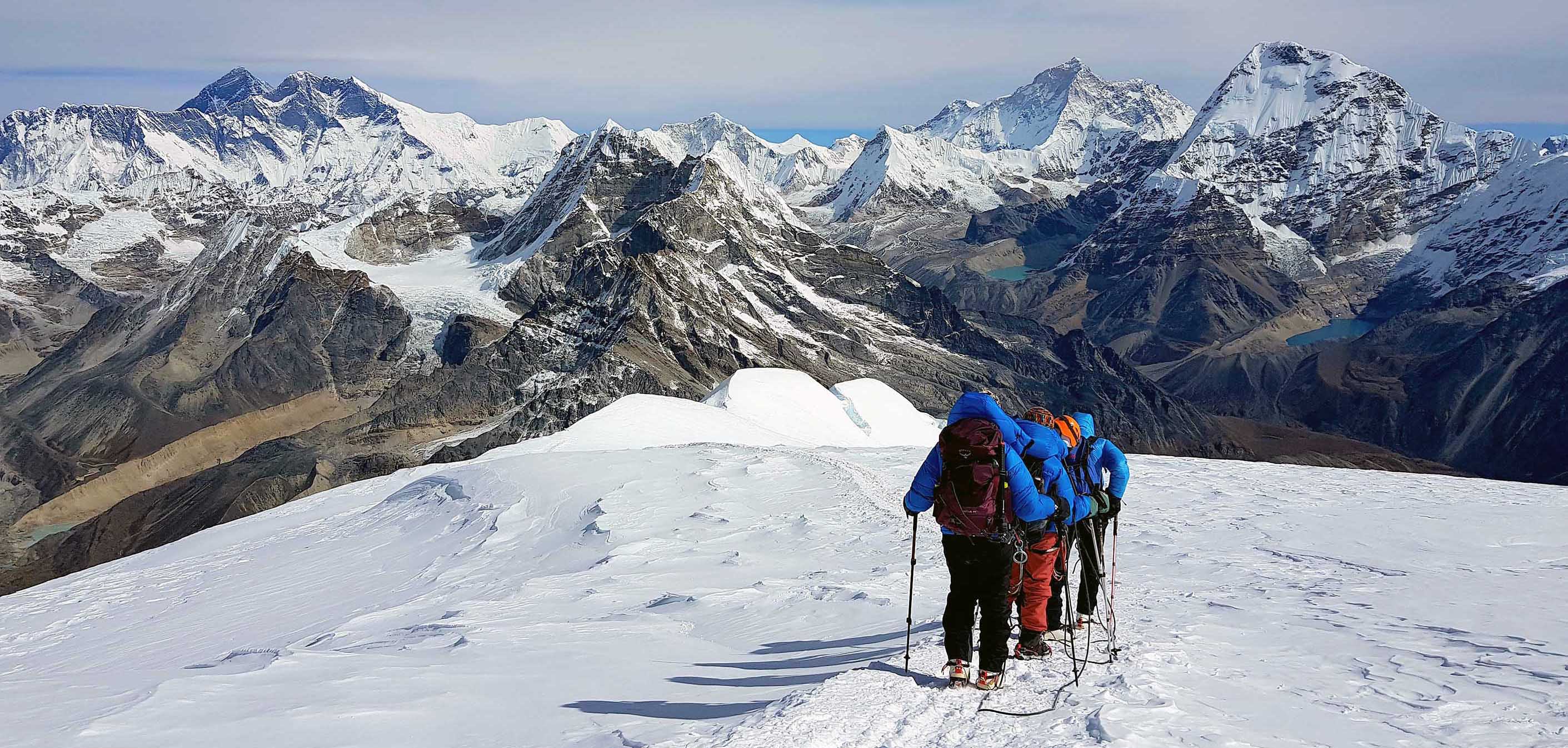
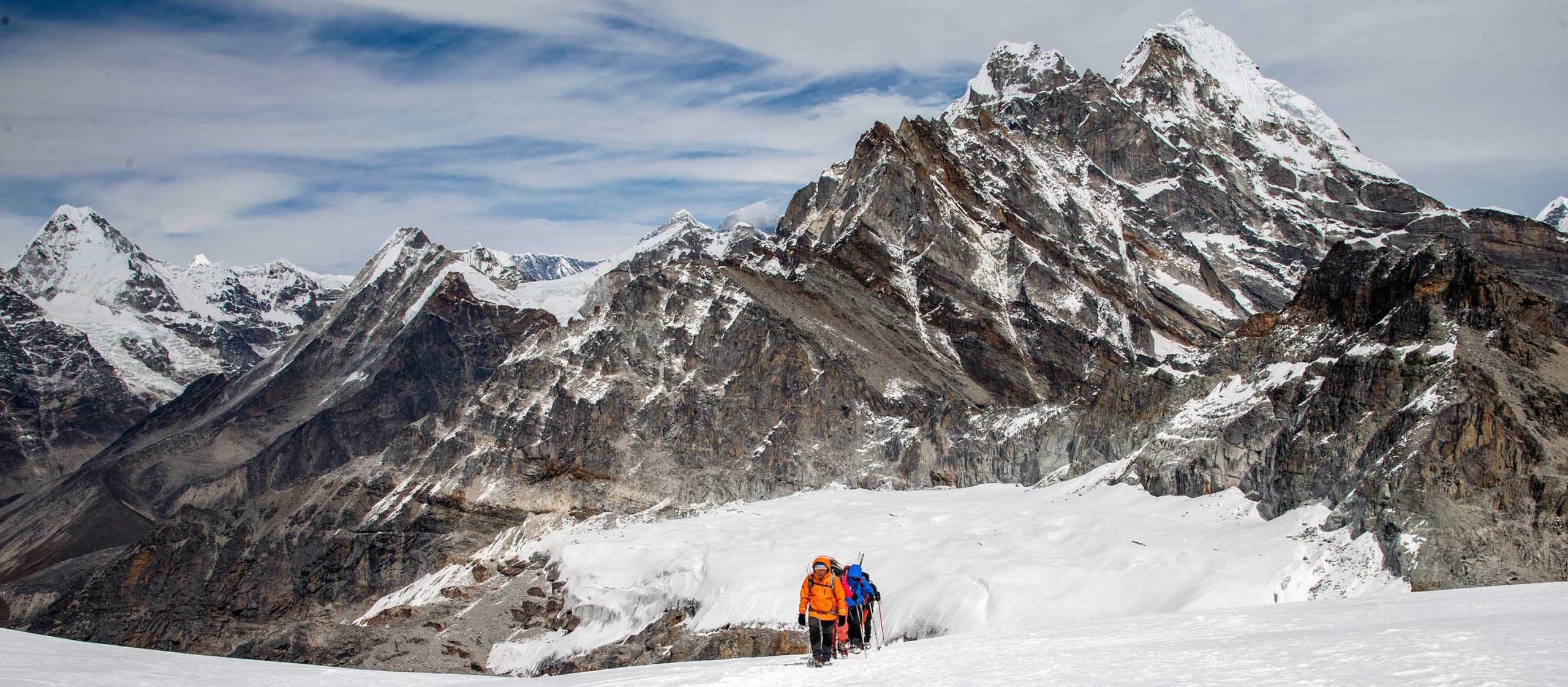
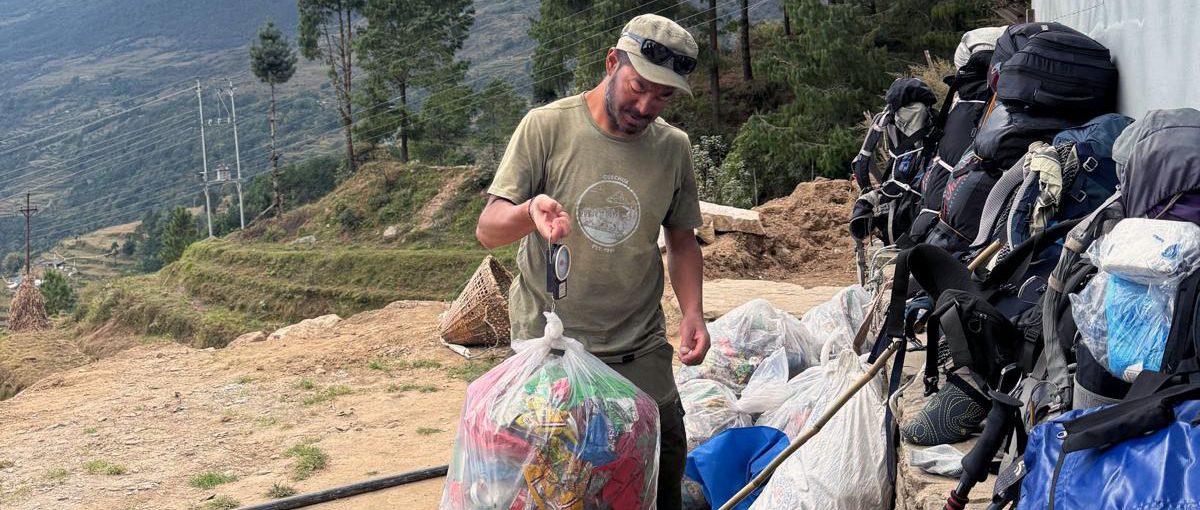
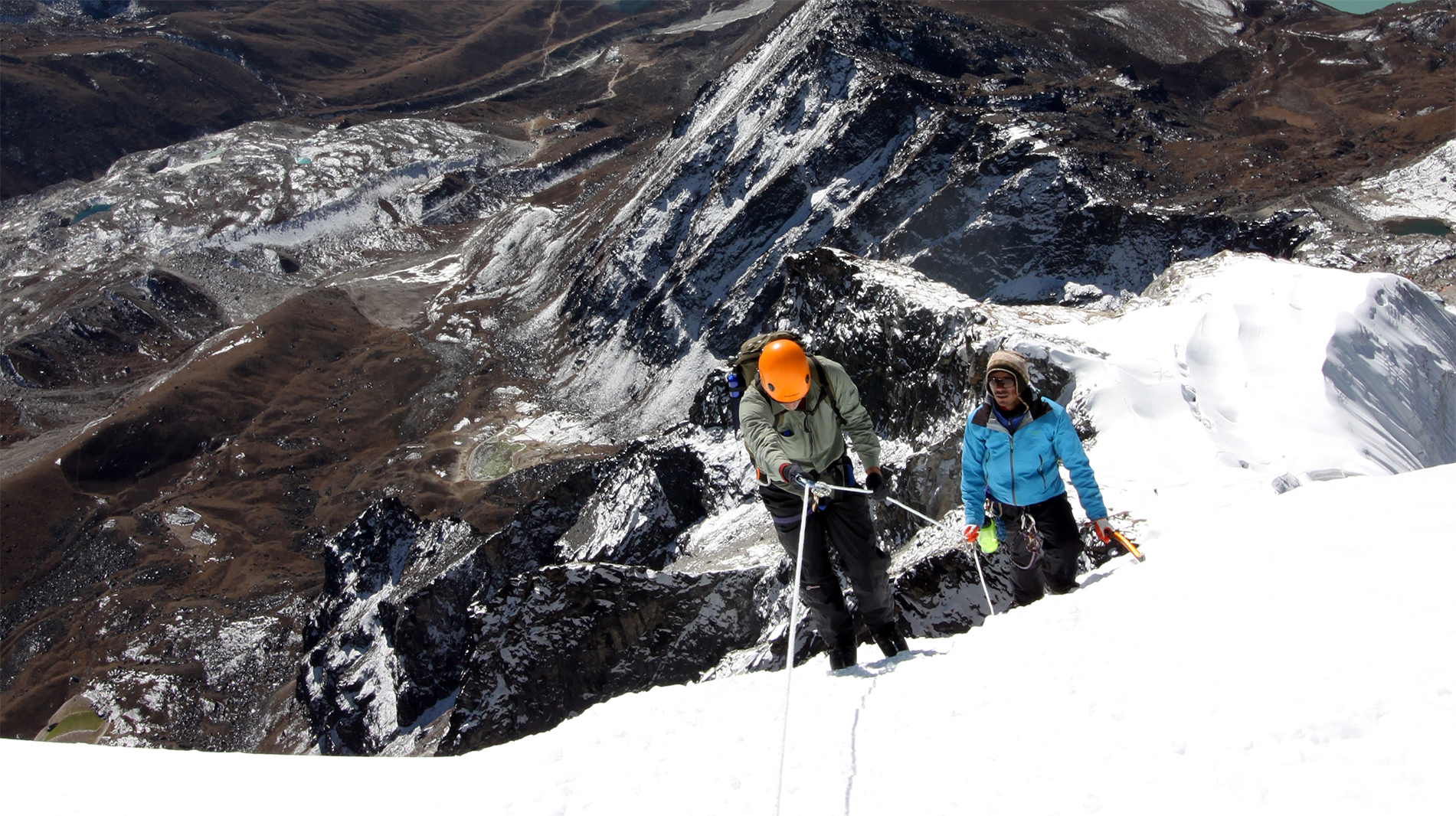
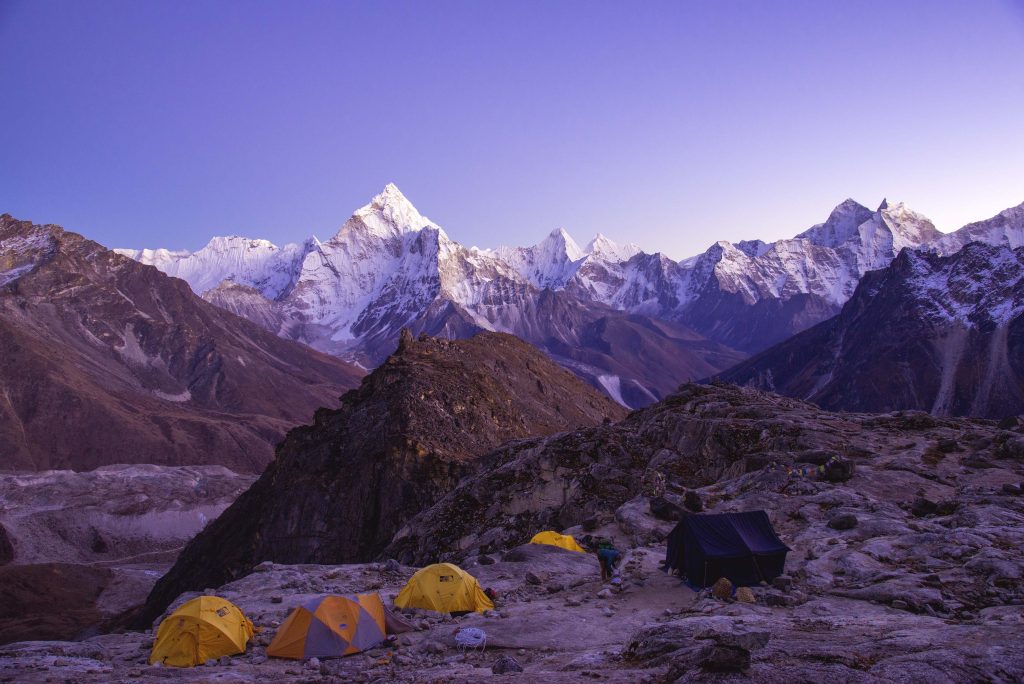
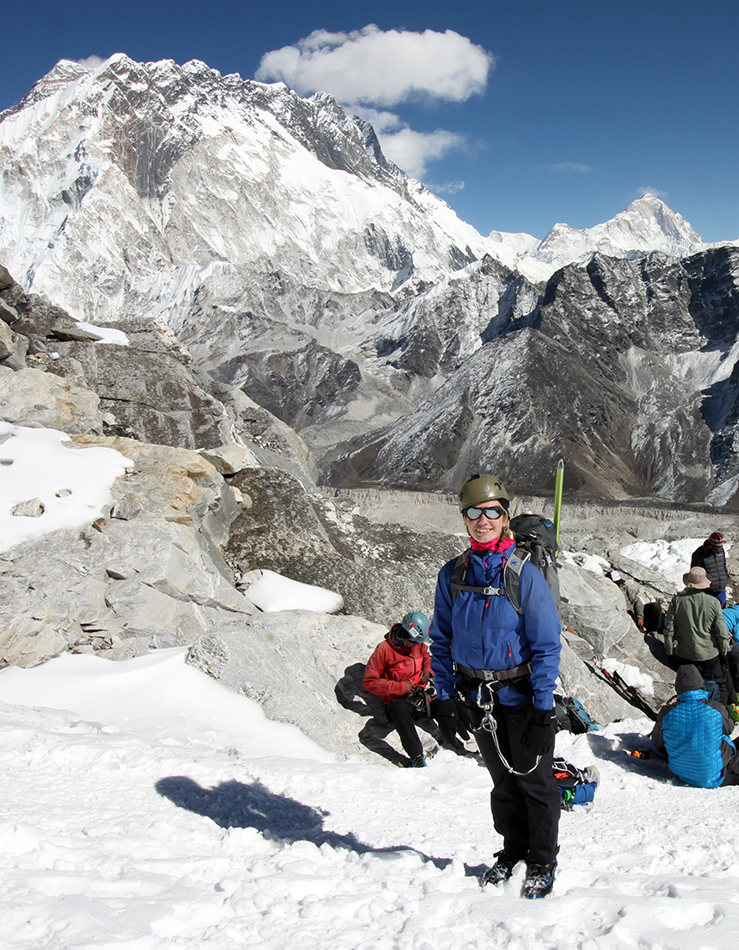
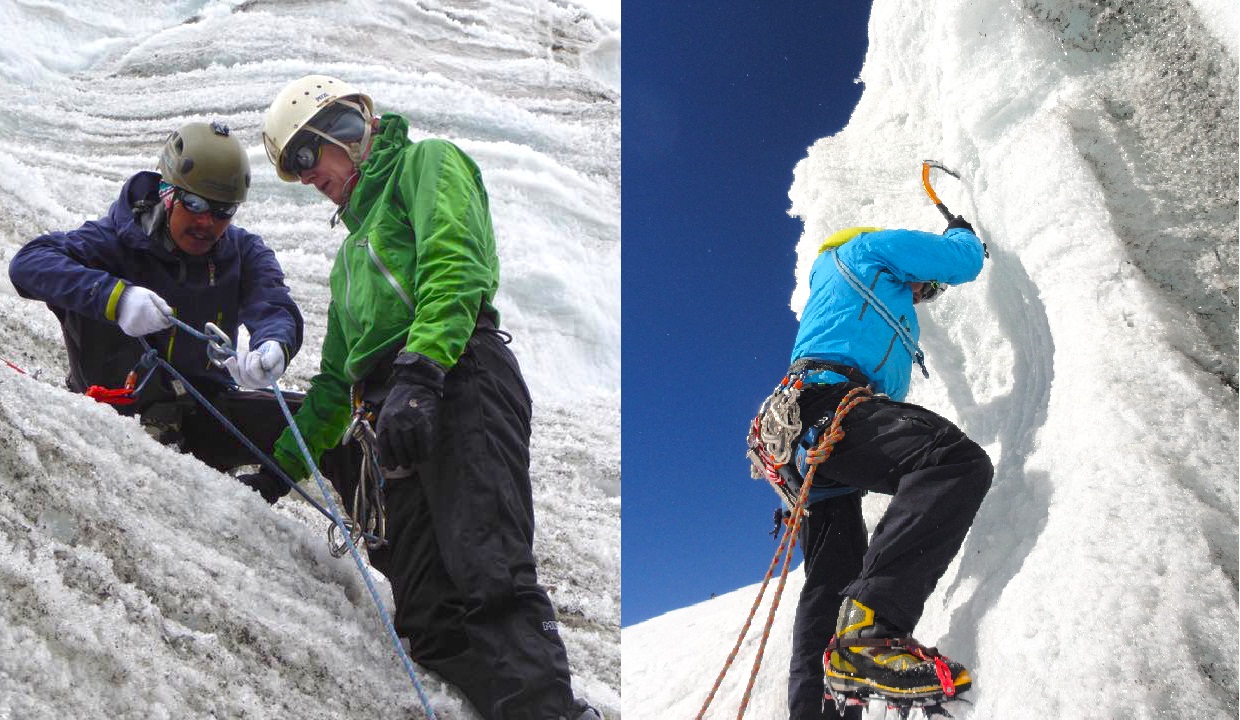
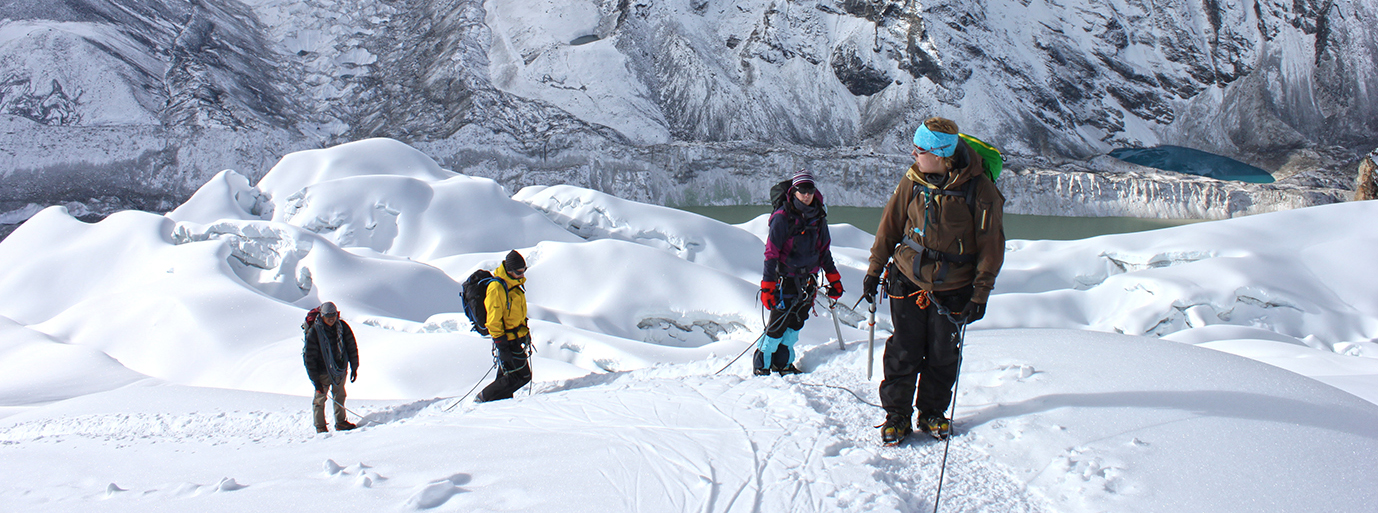
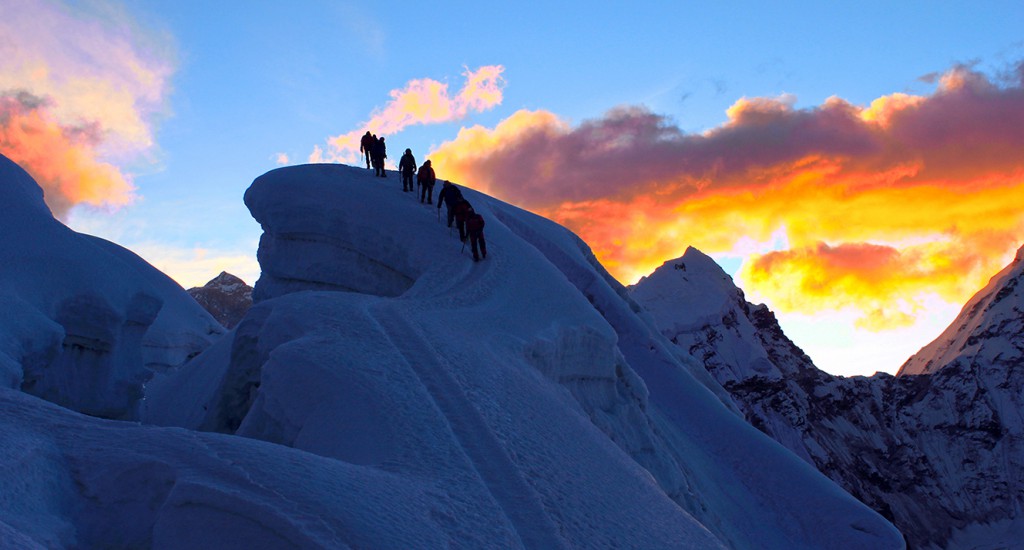
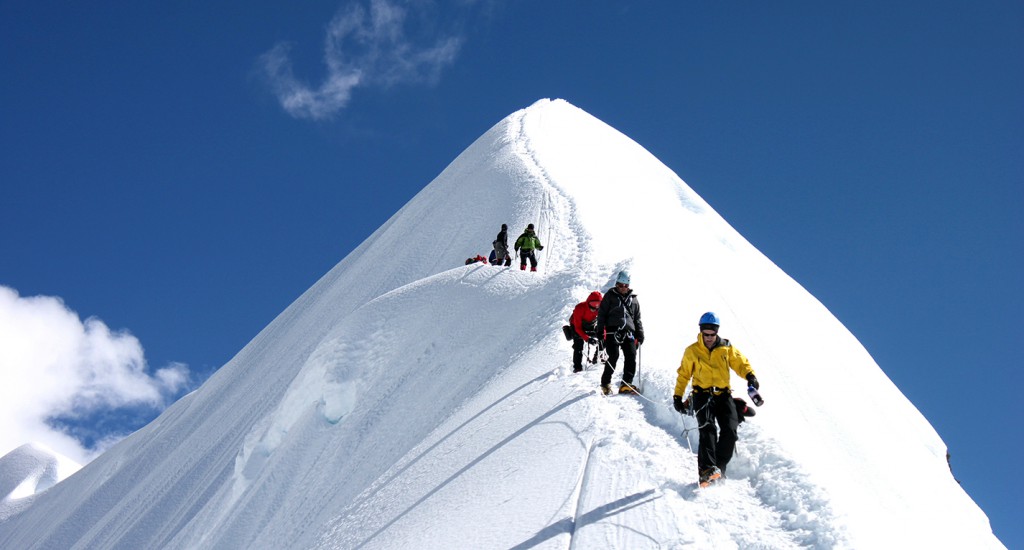
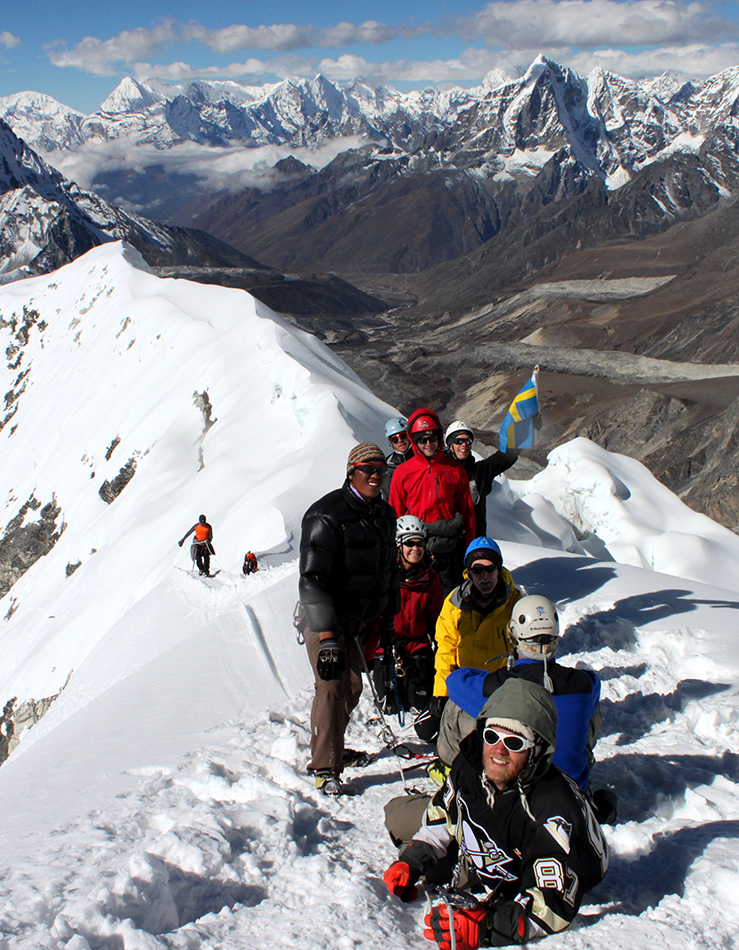
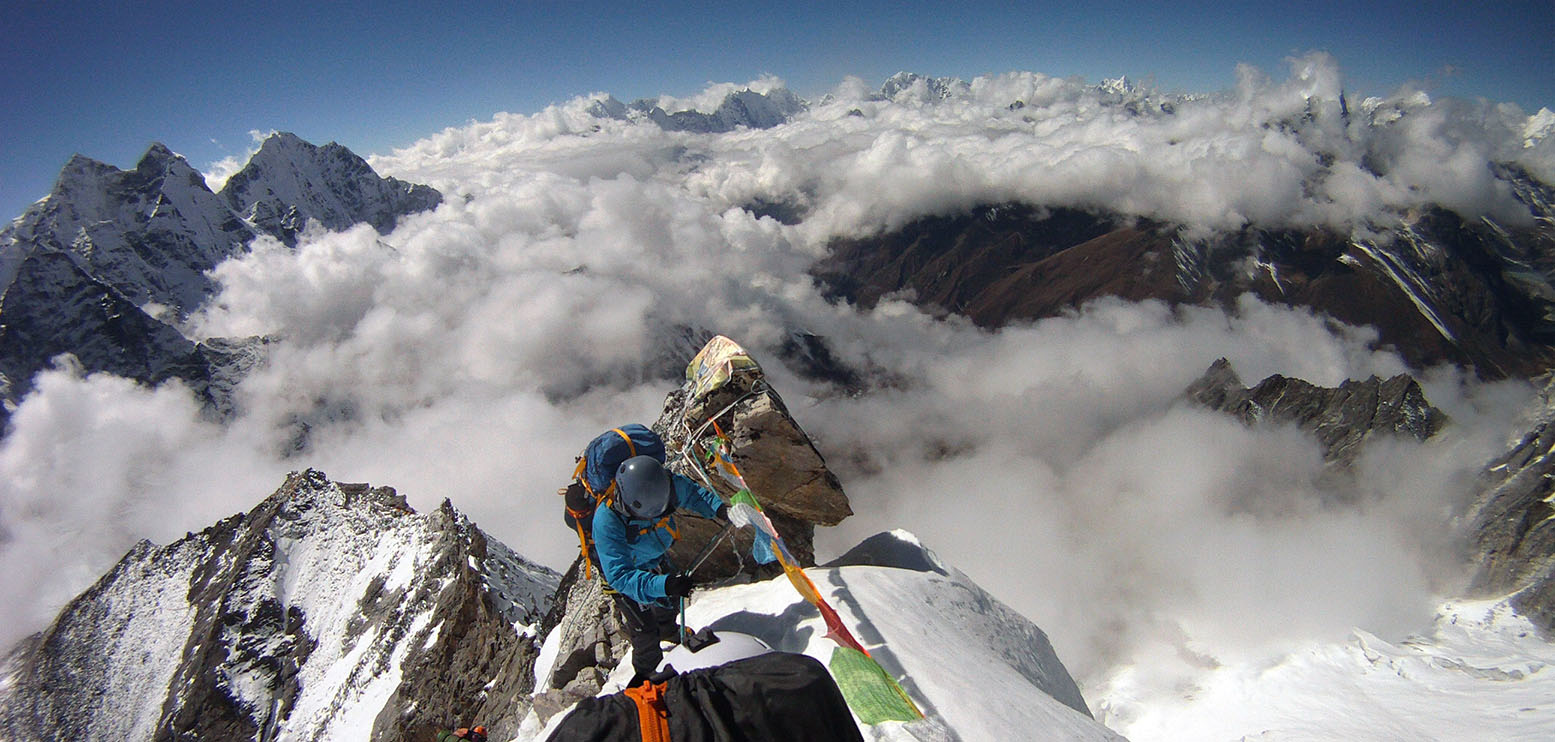
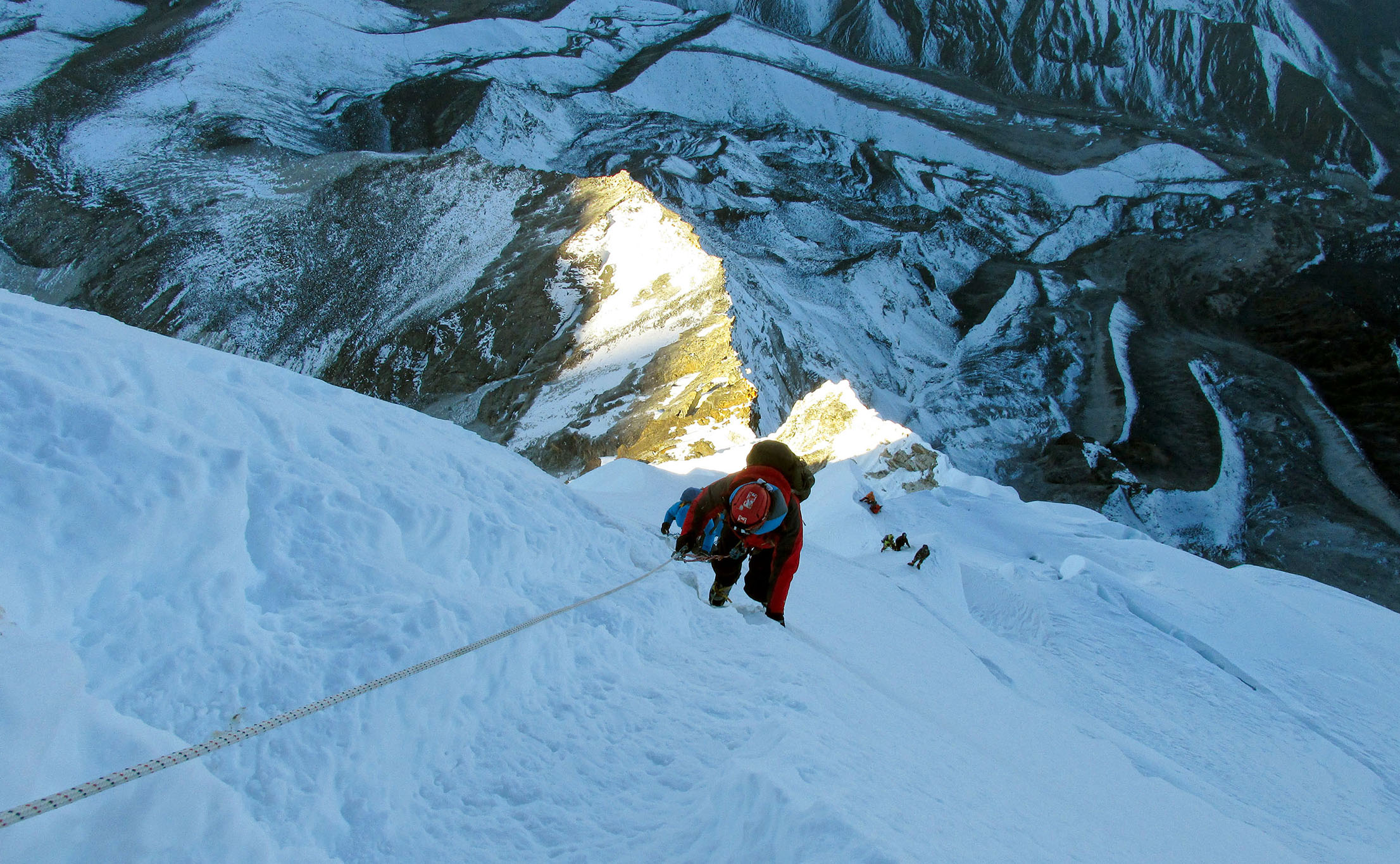
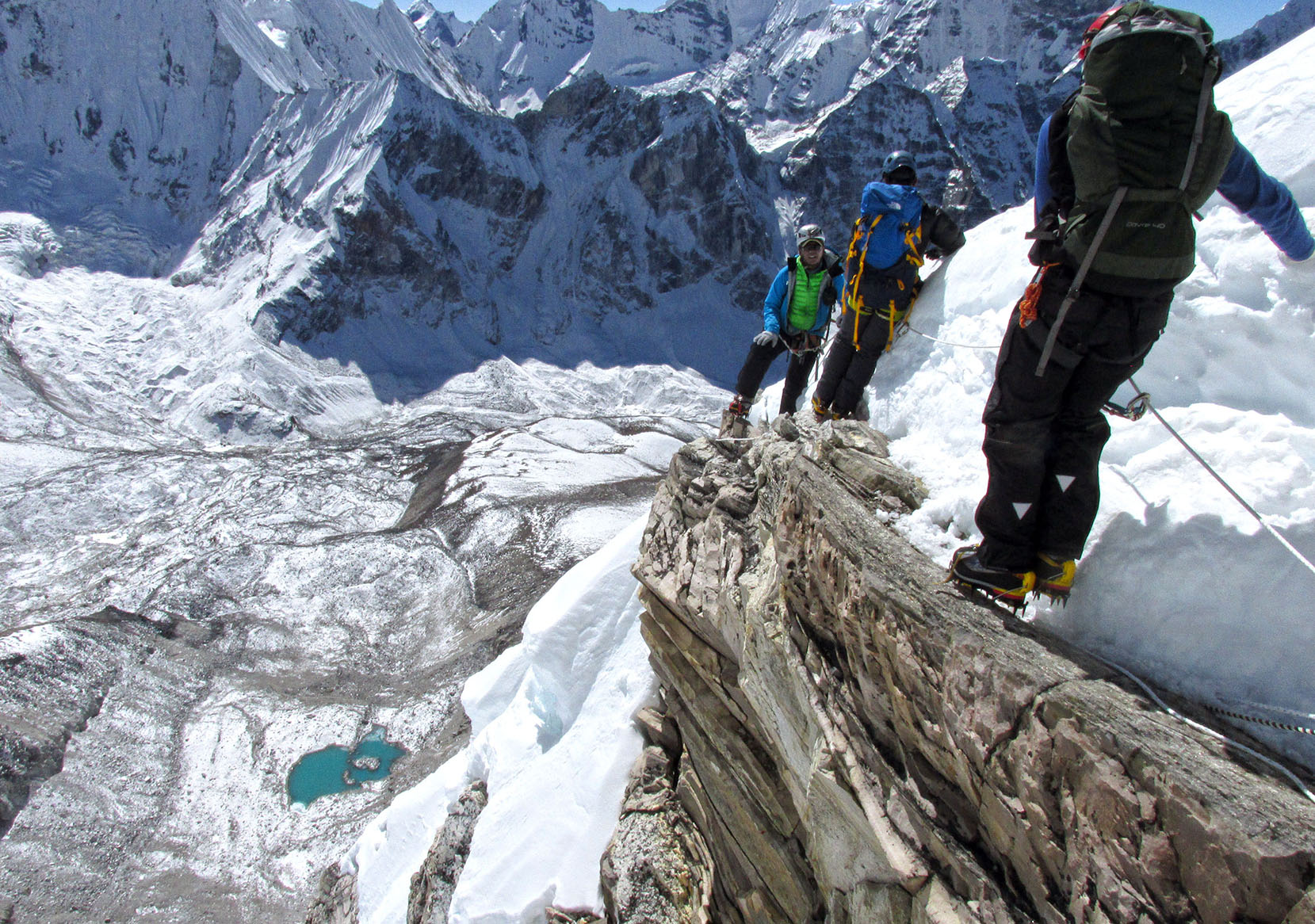
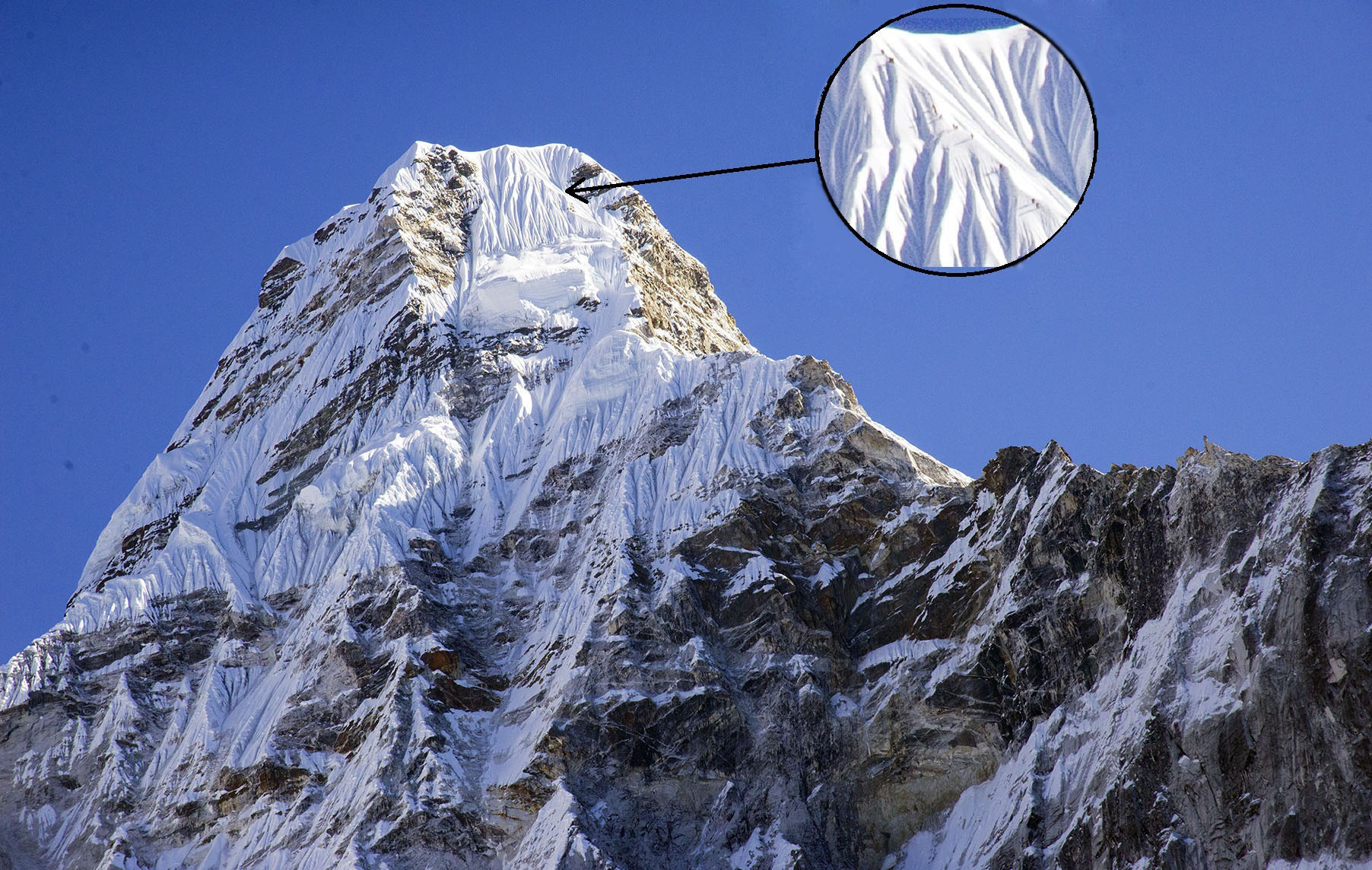
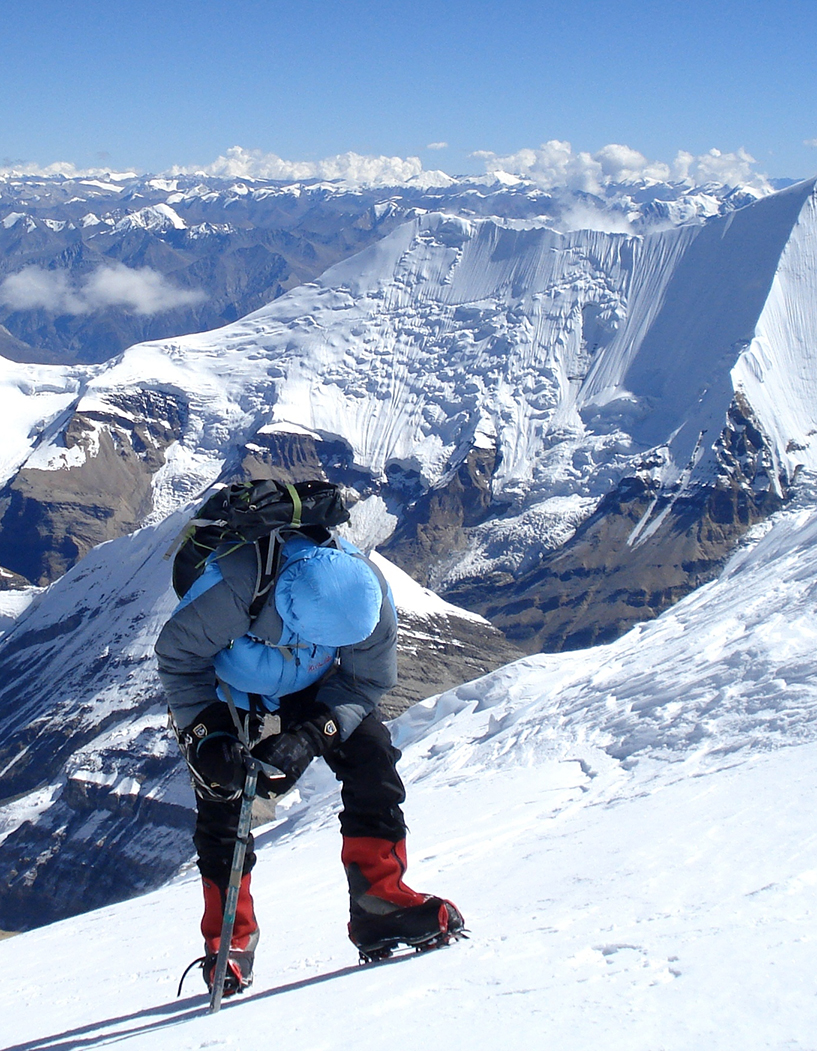
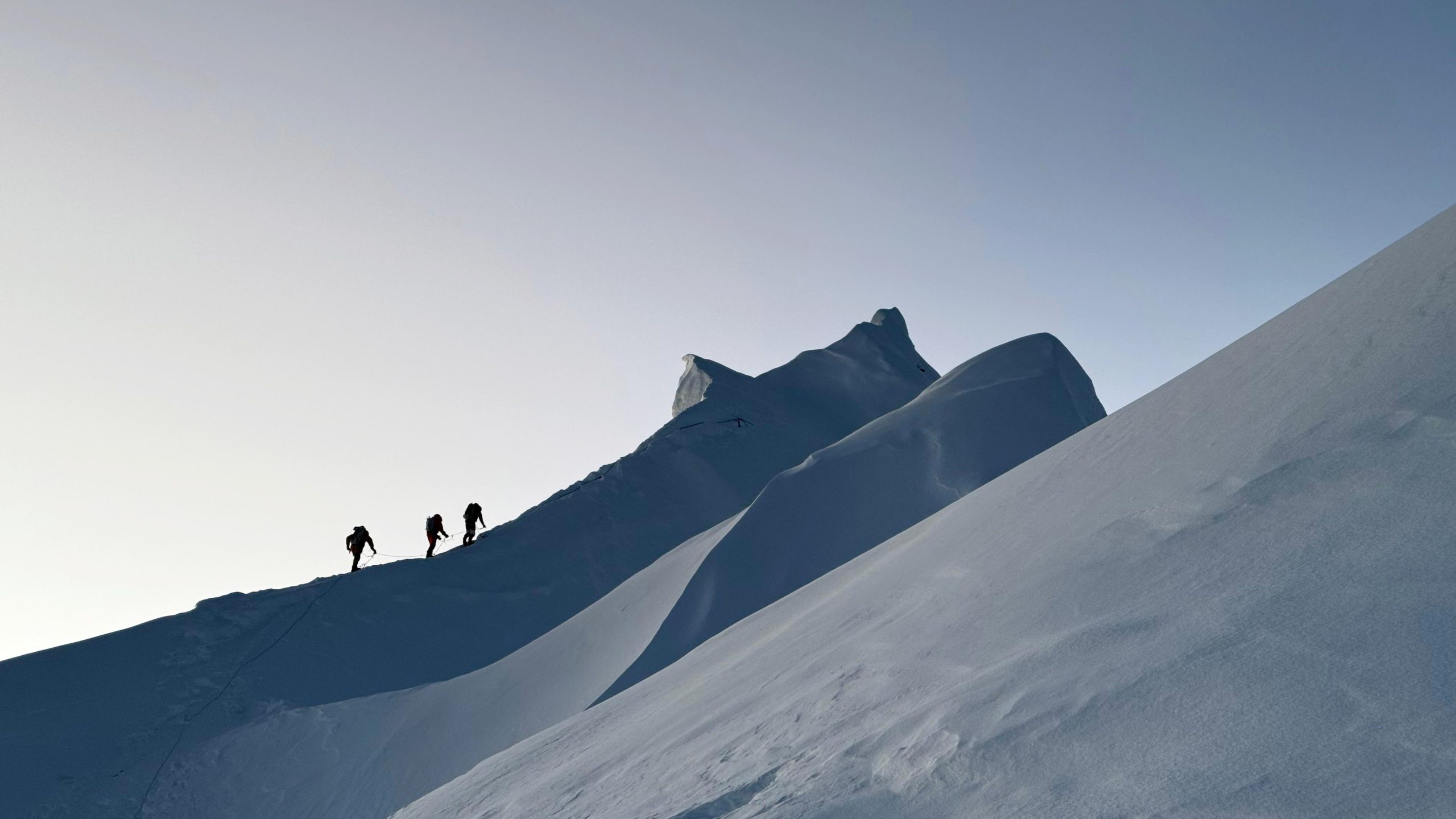
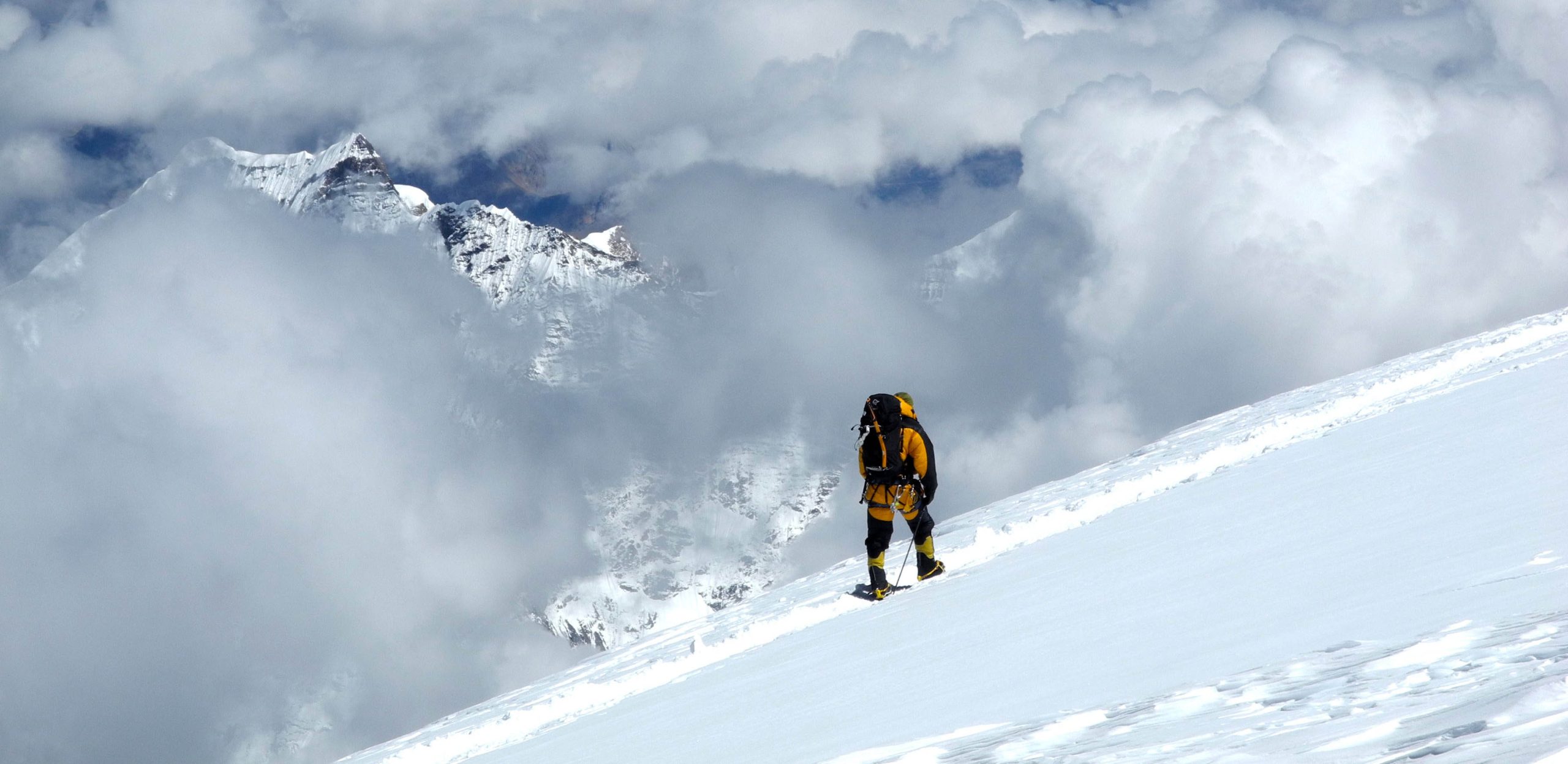
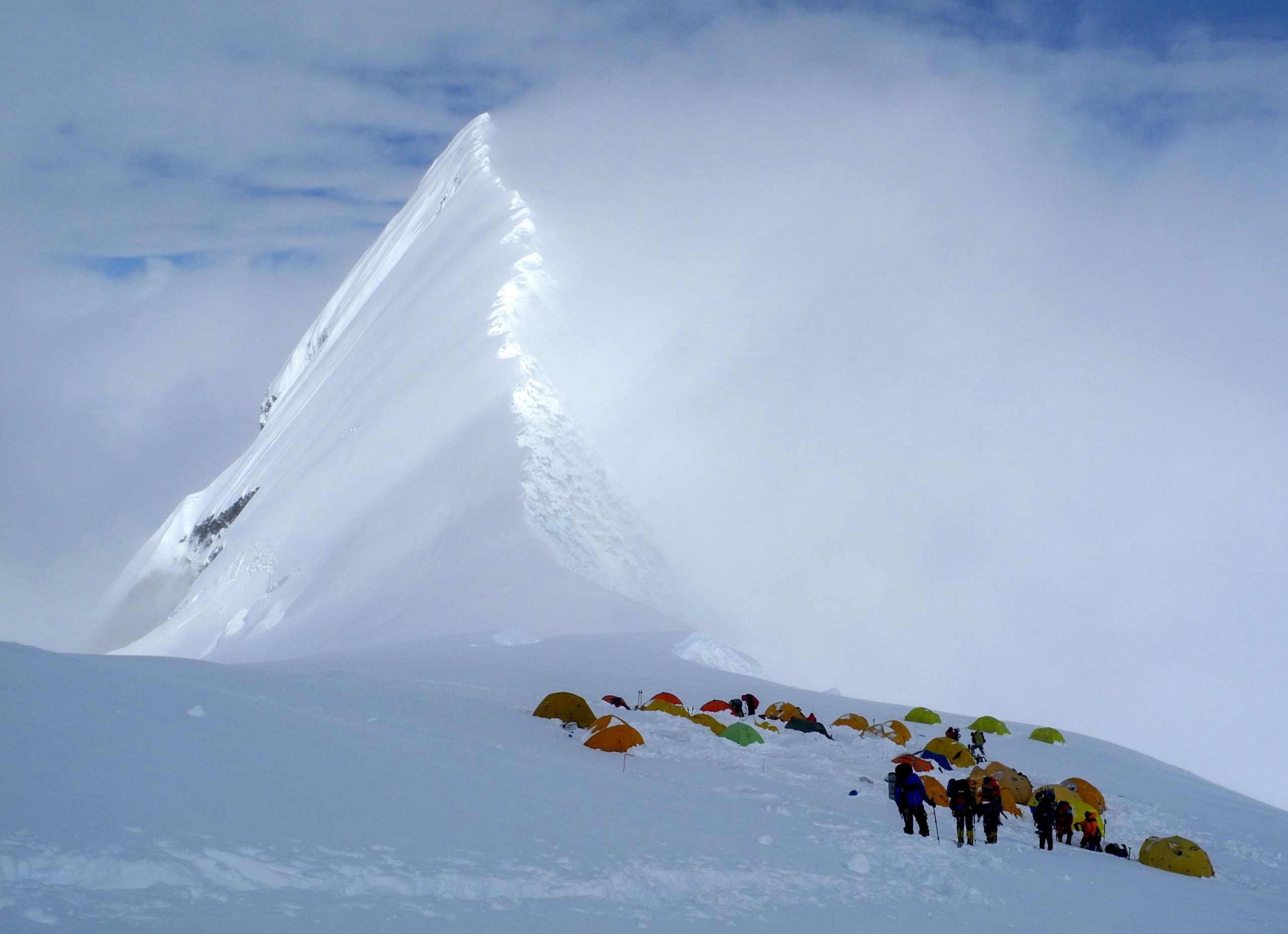
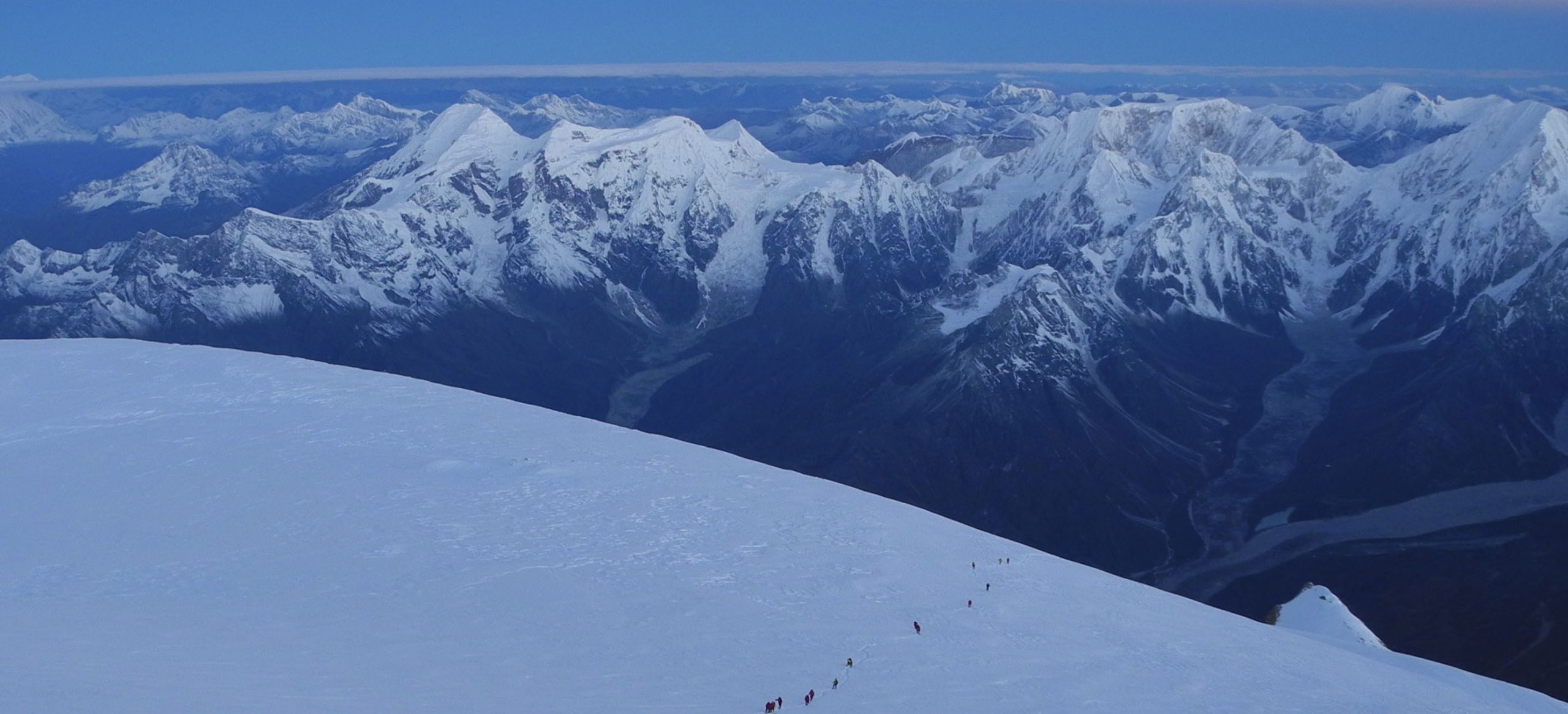
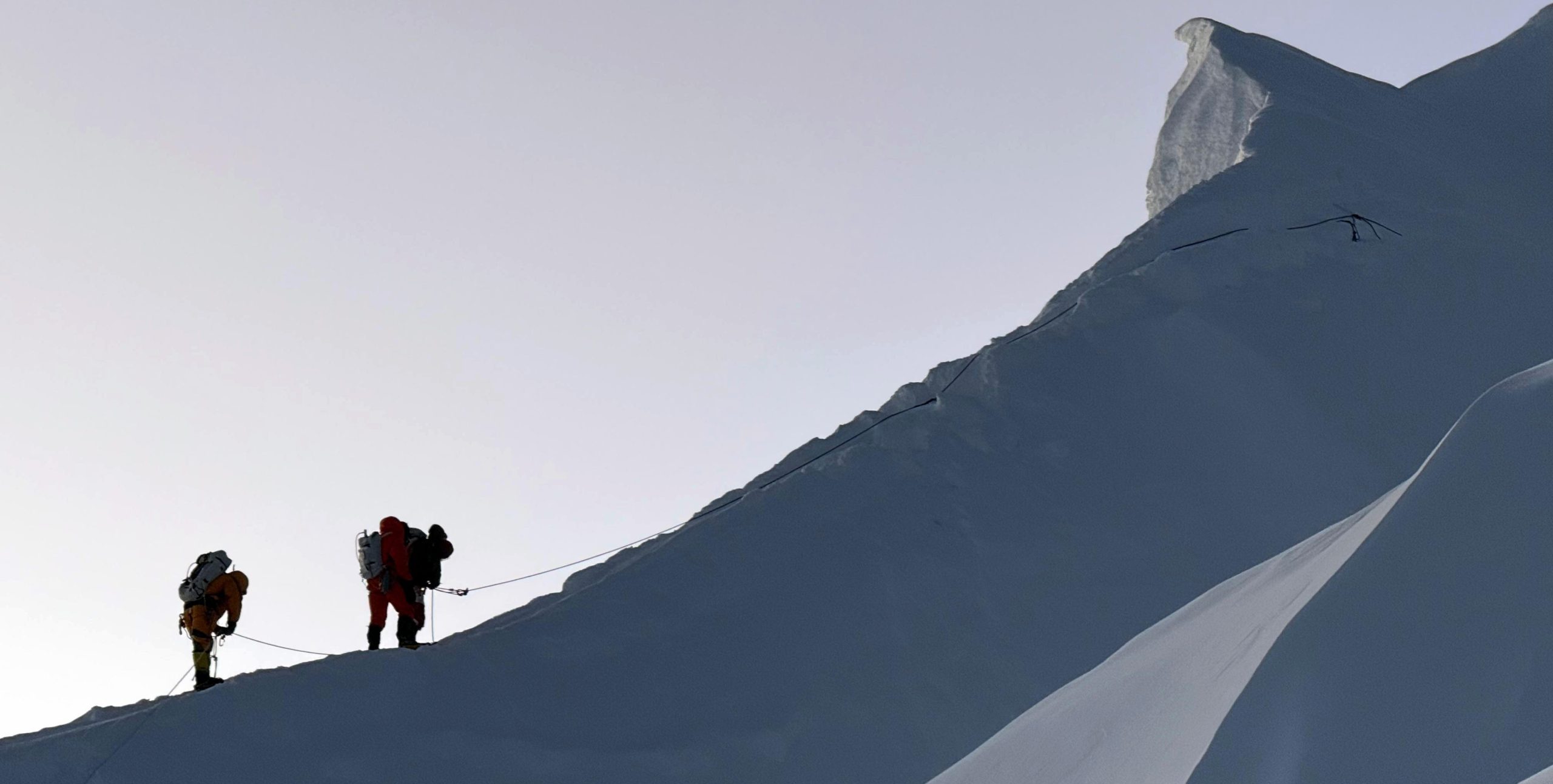
Advanced mountaineering takes climbers beyond basic trekking and into the heart of high-altitude adventure. It combines physical strength, mental resilience, and technical skill to navigate steep ice walls, rocky ridges, crevasses, and unpredictable weather. Climbers use ropes, harnesses, crampons, ice axes, and advanced safety systems to move across glaciers and exposed terrain with confidence and control.
This level of mountaineering demands strong endurance, precise footwork, and sound decision-making under pressure. Climbers train in altitude acclimatization, rescue techniques, and route planning to manage risks and protect both themselves and their team. Each ascent tests patience, focus, and teamwork while rewarding climbers with unmatched views and a deep sense of personal achievement.
Advanced mountaineering is not just about reaching a summit. It is about mastering the mountains with respect, discipline, and a spirit of exploration.
Yoga Treks/Retreats
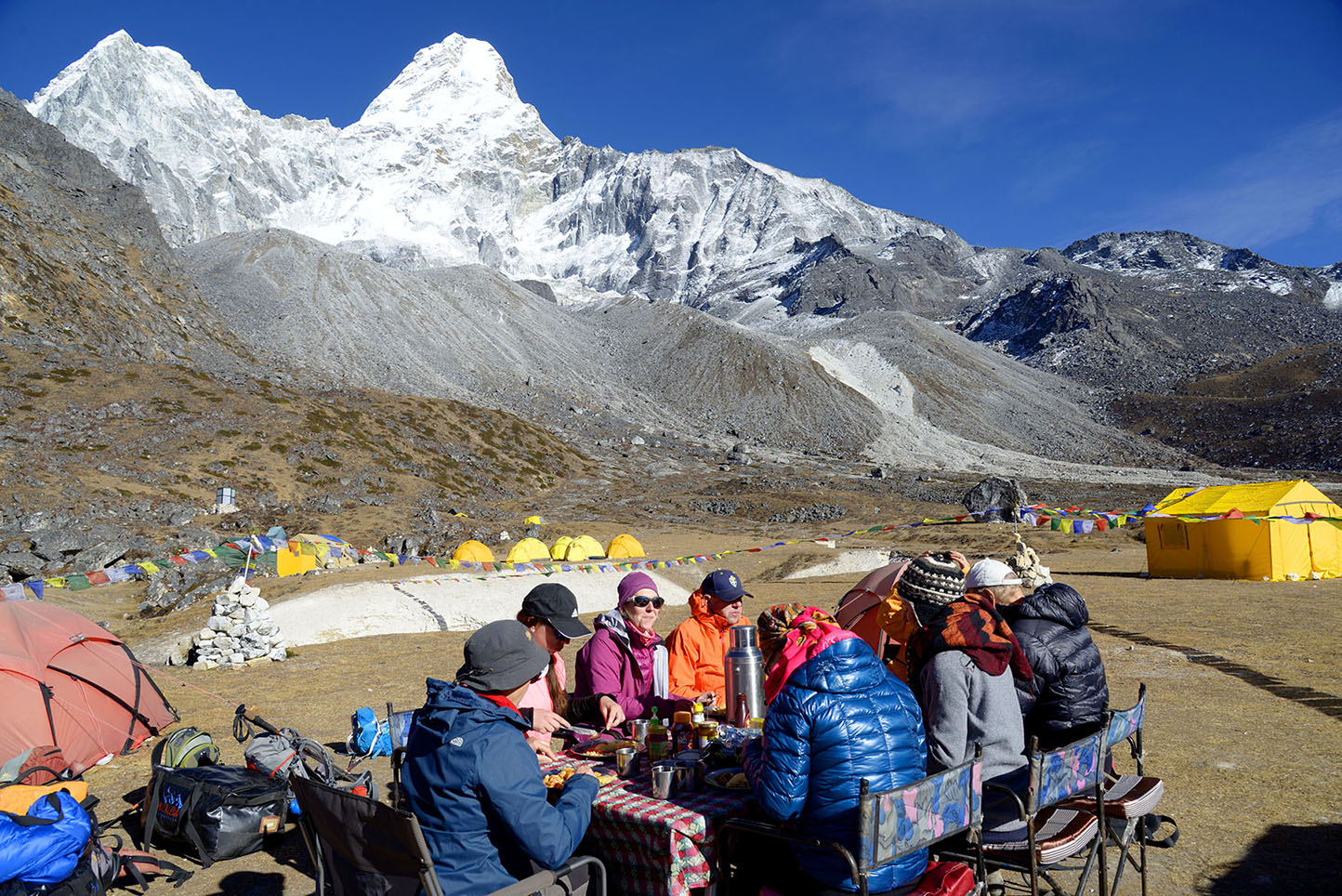
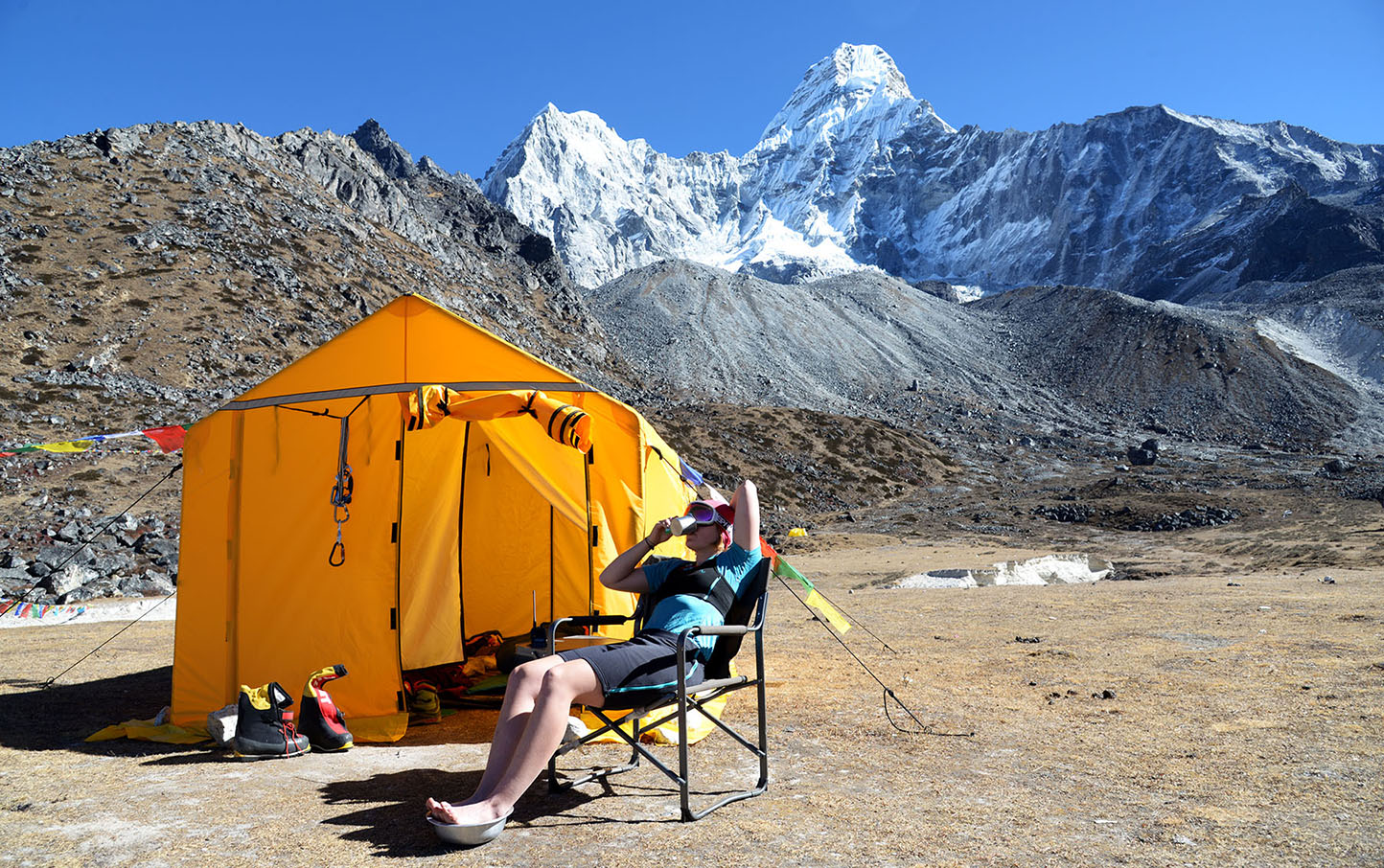
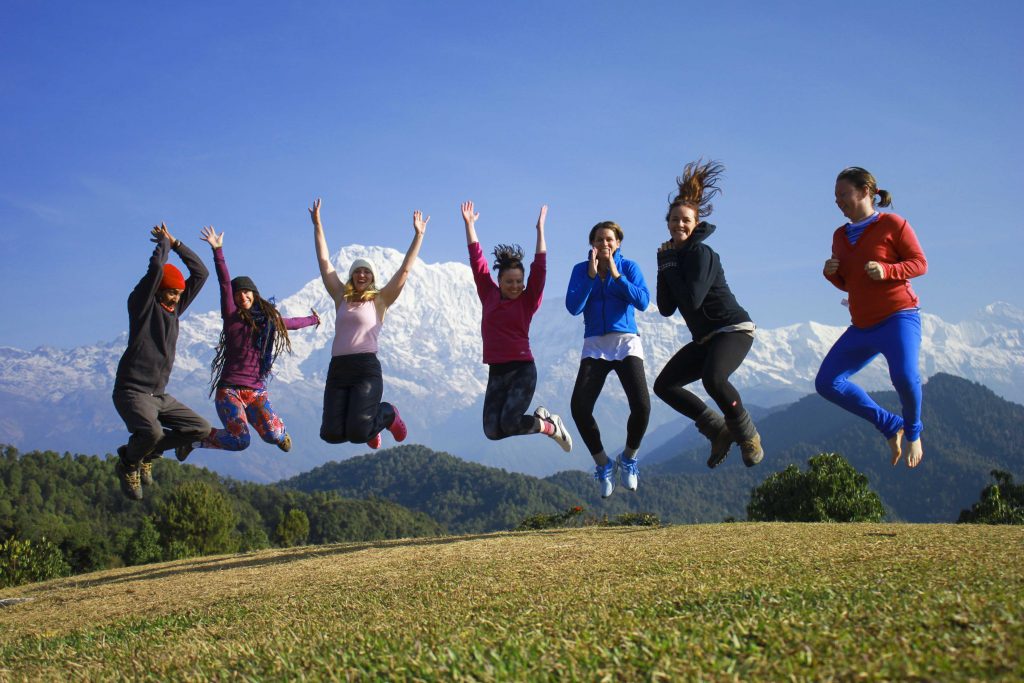
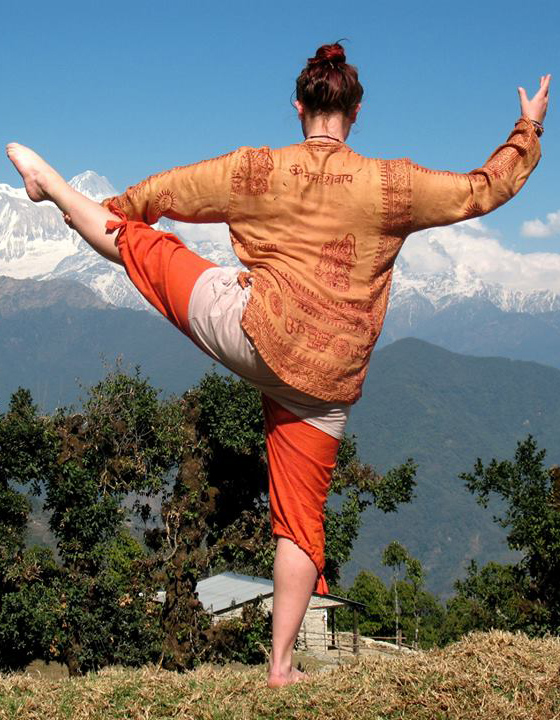
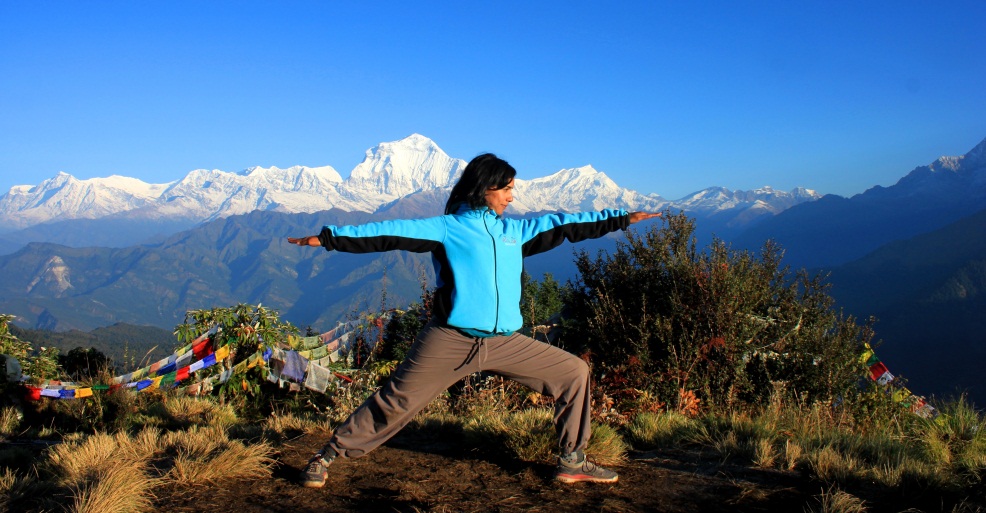
Nepal has a quiet way of slowing you down. The mountains don’t rush, the trails unfold gently, and life moves at a more natural rhythm. Yoga treks and retreats in Nepal grow from this simplicity—where walking, breathing, and awareness naturally come together.
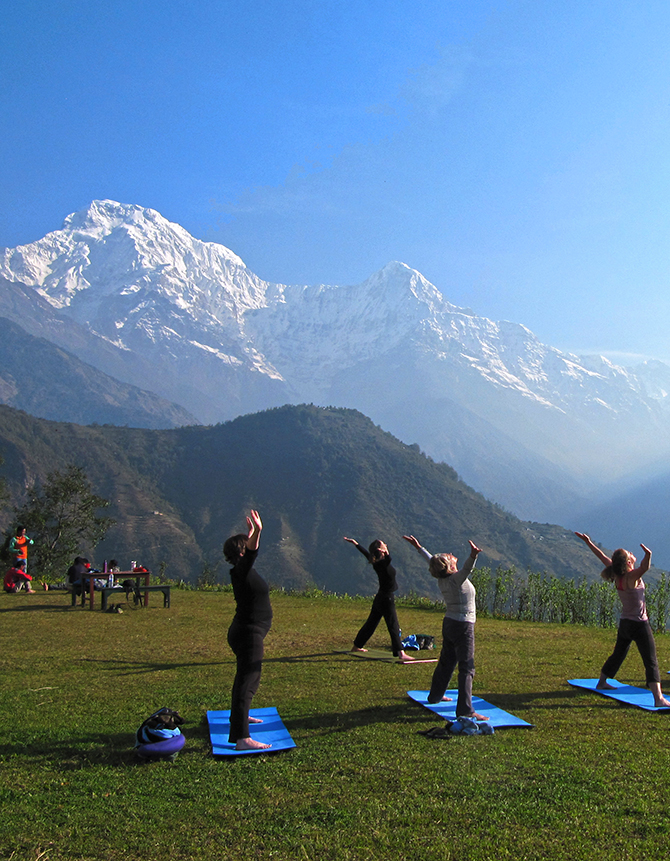
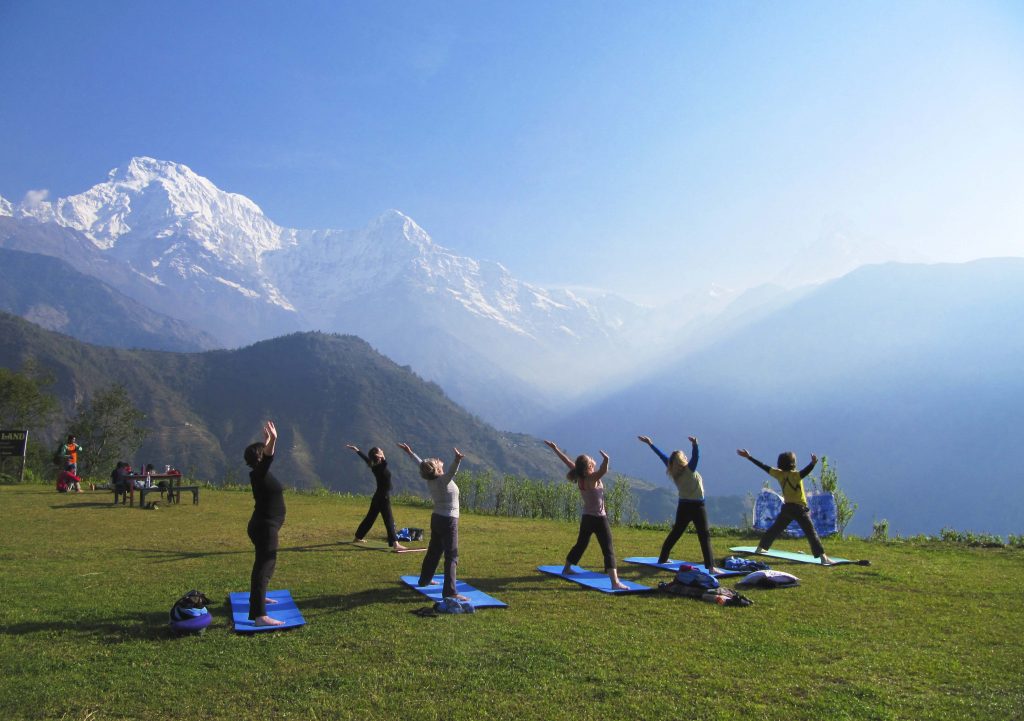
Here, yoga is not something you do. It is something you live. Morning practice begins as light touches the Himalayan peaks. The day continues with mindful walking through forests, villages, and ancient paths. Evenings settle into stillness, reflection, and rest.
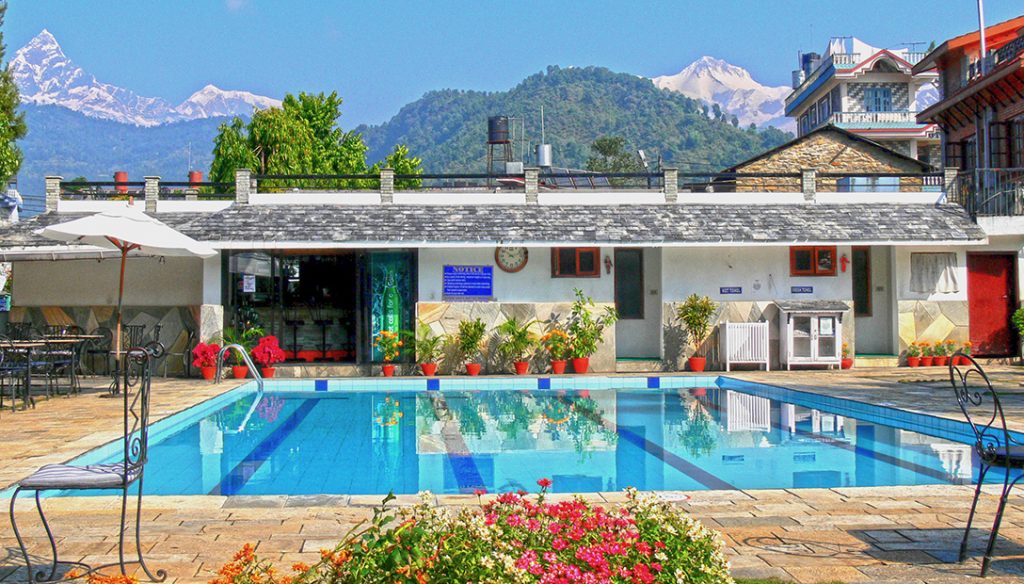
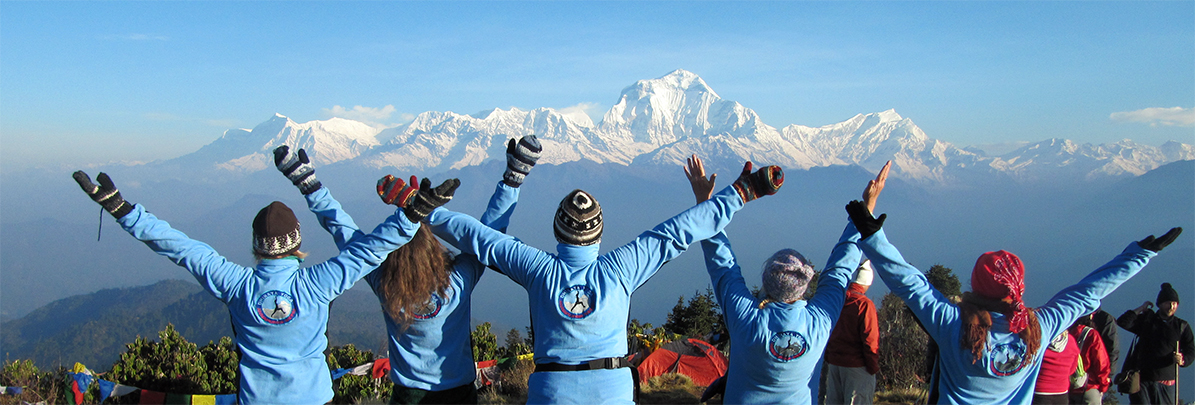
Whether you join a gentle yoga trek in the Annapurna or Everest region or choose a peaceful yoga retreat near Pokhara or the Kathmandu Valley, the experience invites you to reconnect—with your body, your breath, and the quiet voice within.
You don’t need to be flexible.
You don’t need trekking experience.
You only need a willingness to slow down.
Family Adventures
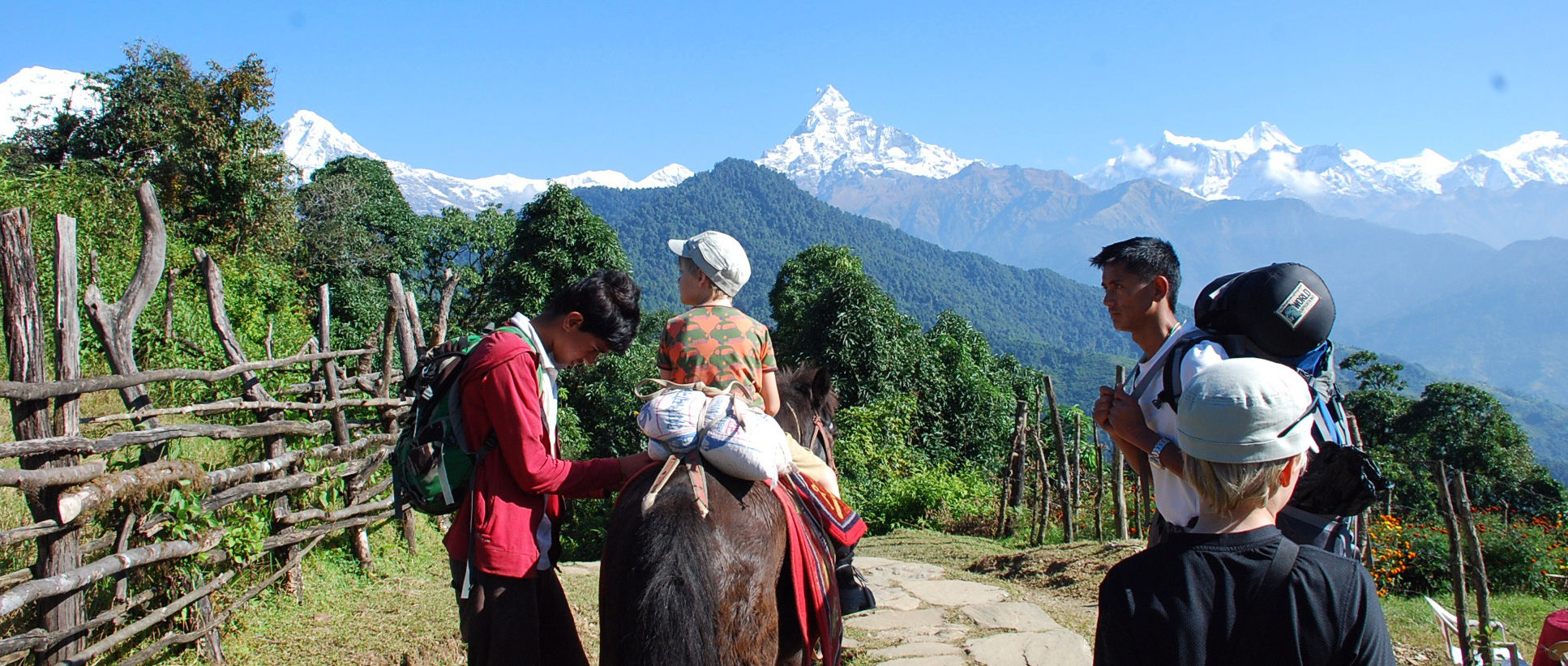
A Family Adventure Trek in Nepal offers more than a holiday. It creates a shared journey that builds confidence, connection, and inner strength for every family member.
Nepal welcomes families with gentle trails, warm villages, and inspiring Himalayan views. Parents and children walk together through forests, rivers, and terraced hills. Each step brings discovery, laughter, and a sense of teamwork.
A family holiday trek also introduces families to higher elevations in a safe and gradual way. Carefully planned routes allow the body to adapt to thinner air. Slow pacing and rest days support comfort and health. Families learn patience, resilience, and self-awareness along the trail.
Trekking at altitude challenges both body and mind. Children and adults grow stronger with every climb. They gain confidence by overcoming small daily goals. They discover inner strength through effort, encouragement, and shared success.
A trek for families teaches valuable life lessons. Families learn cooperation, empathy, and gratitude. Simple mountain living brings deeper appreciation for nature and togetherness. These lessons remain long after the trek ends.
Families can customize their journey with Hi on Life Expedition. They can choose from ongoing treks that match age, fitness, and time limits. Options include scenic short treks, cultural valley walks, and moderate Himalayan routes. Each itinerary balances adventure, safety, and enjoyment.
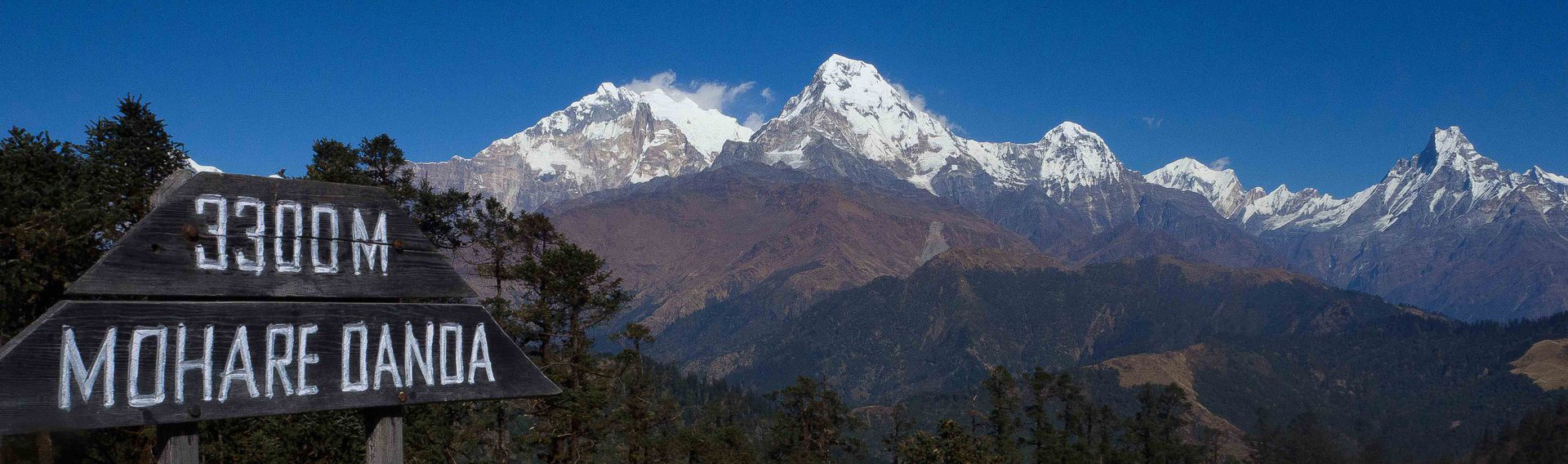
Popular choices include Poon Hill, Langtang Valley, and Everest Panorama. These routes offer breathtaking views without being overly difficult. They suit both first-time trekkers and active families.
A family trekking holiday in Nepal becomes a powerful shared memory. It strengthens bonds and builds lifelong confidence. It transforms a simple vacation into a meaningful life experience.

Cultural Discovery – Walking Through Living Traditions
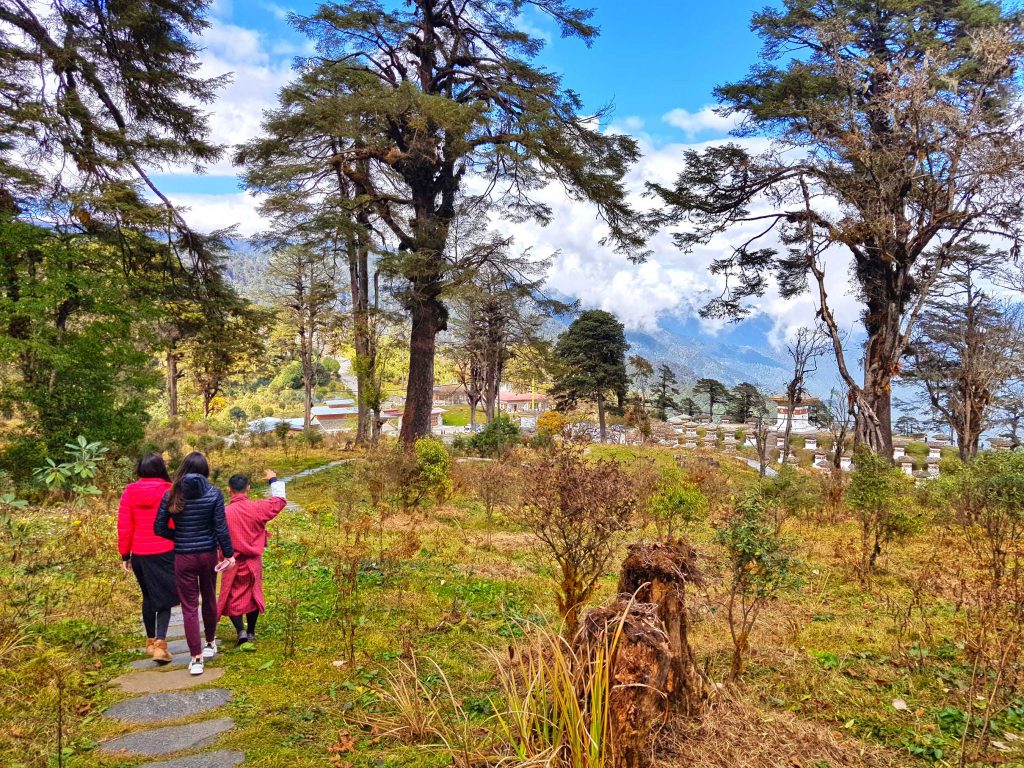
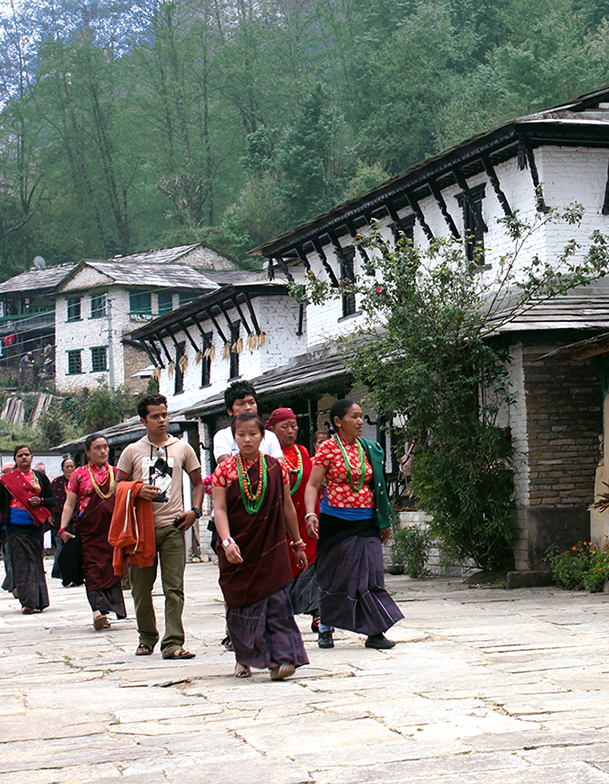
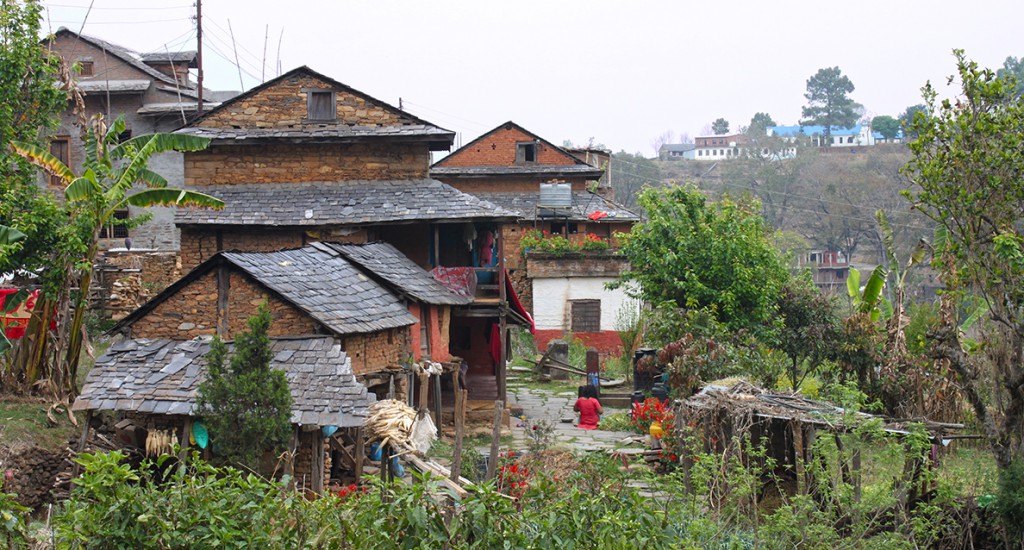
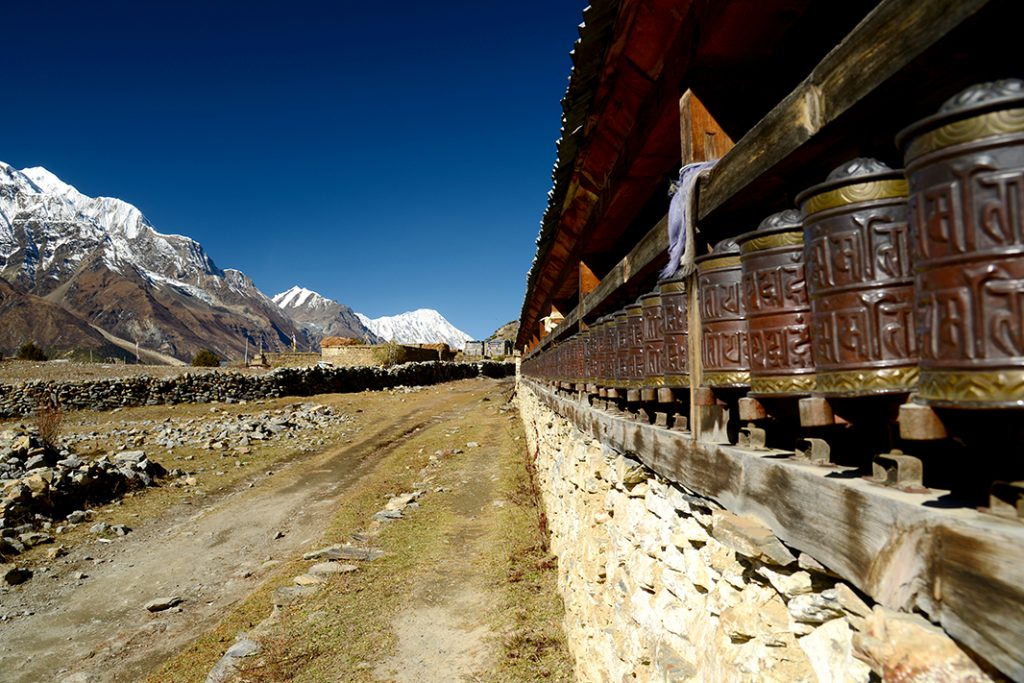
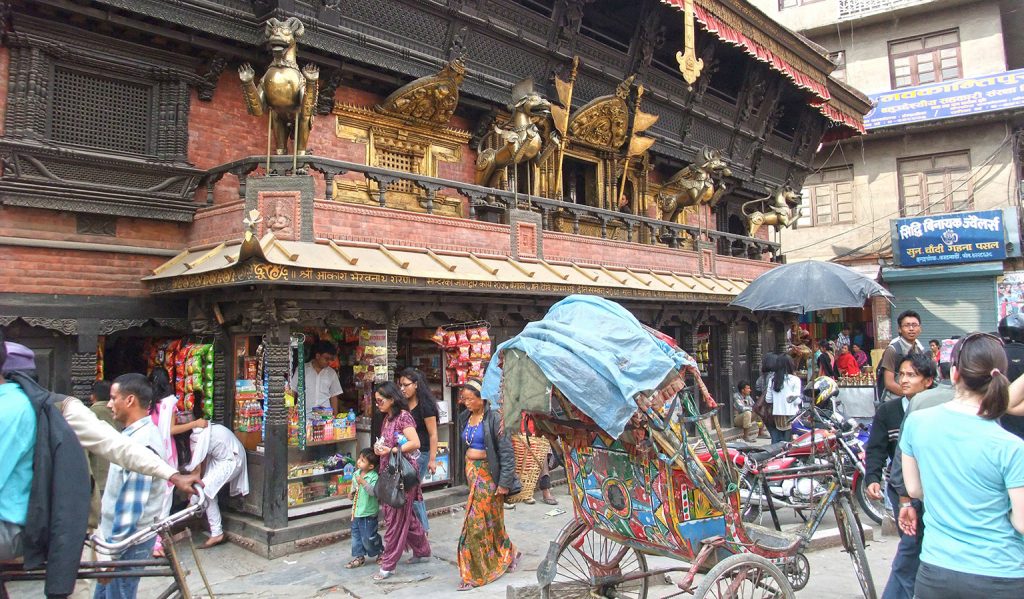
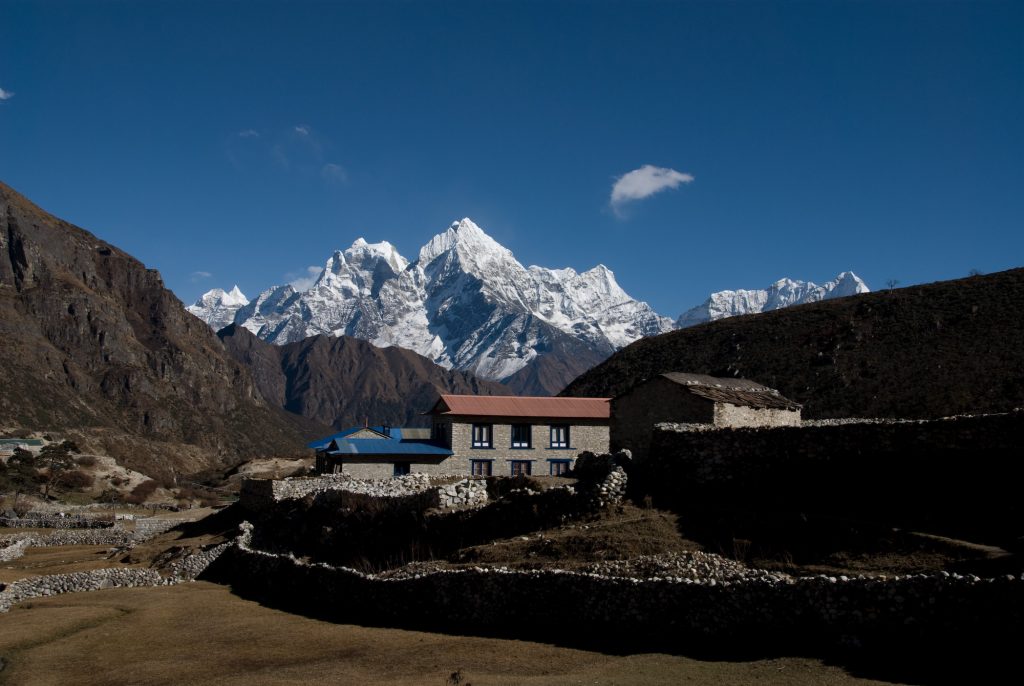
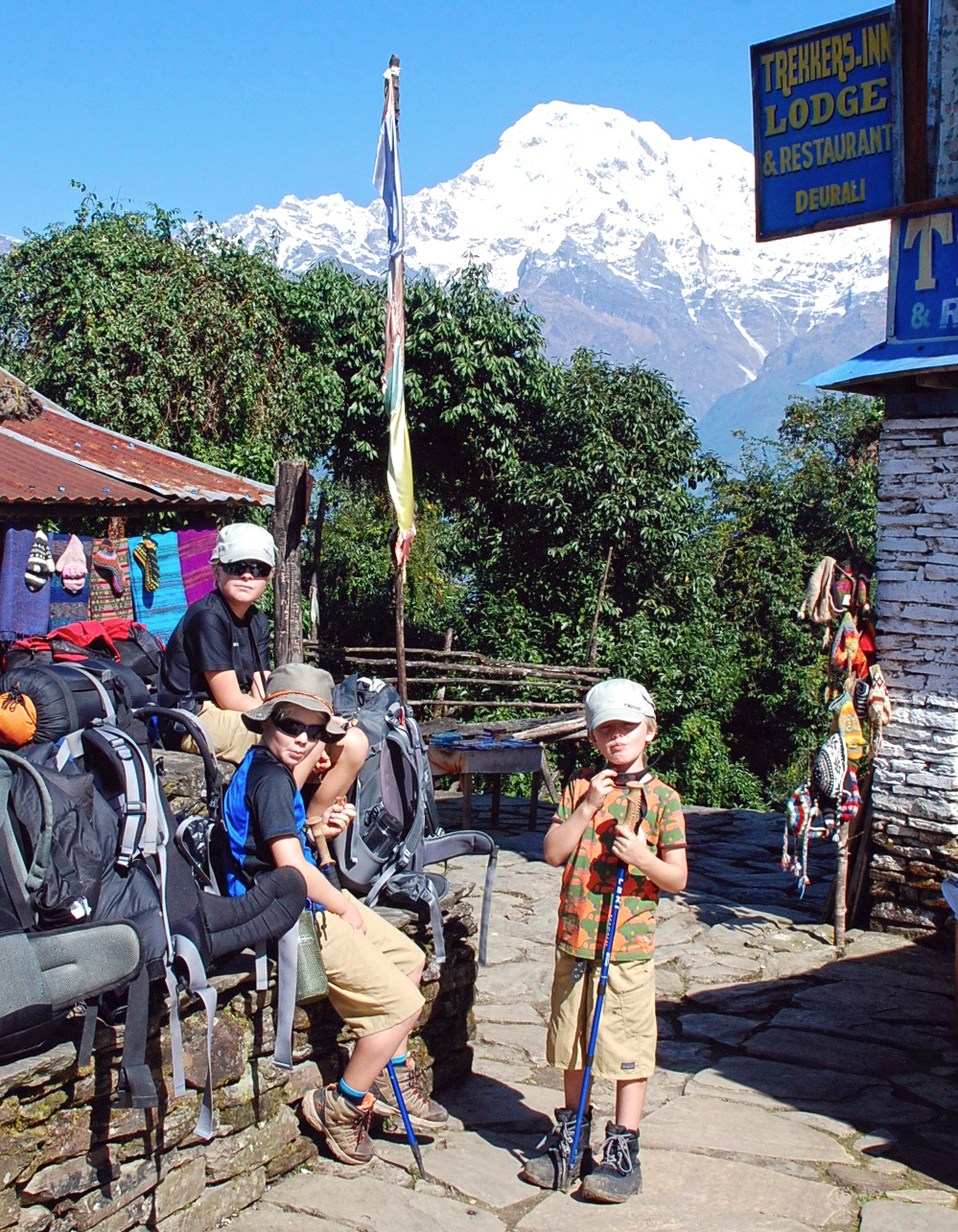
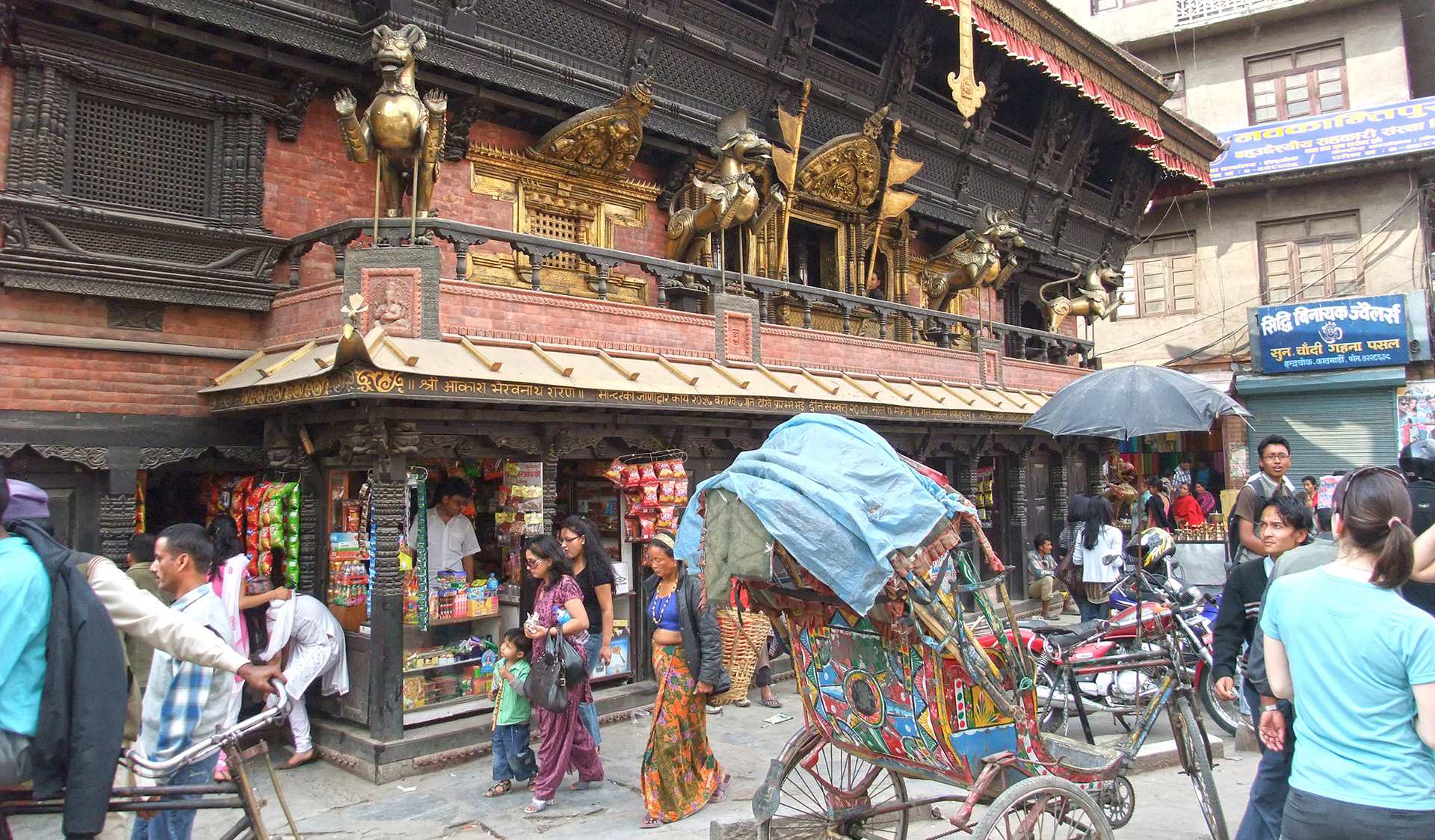
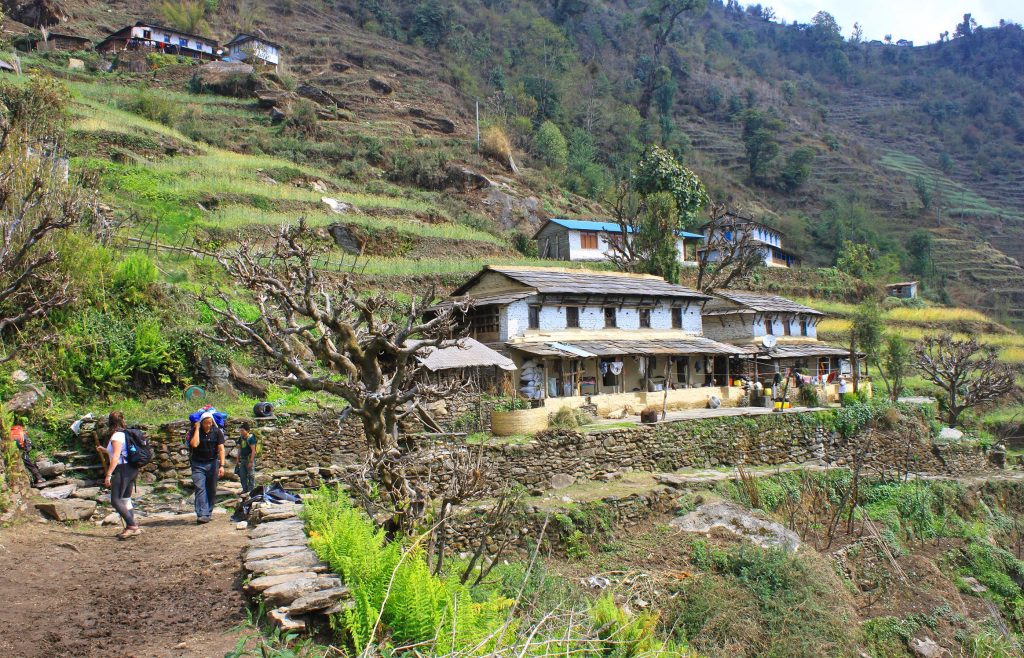
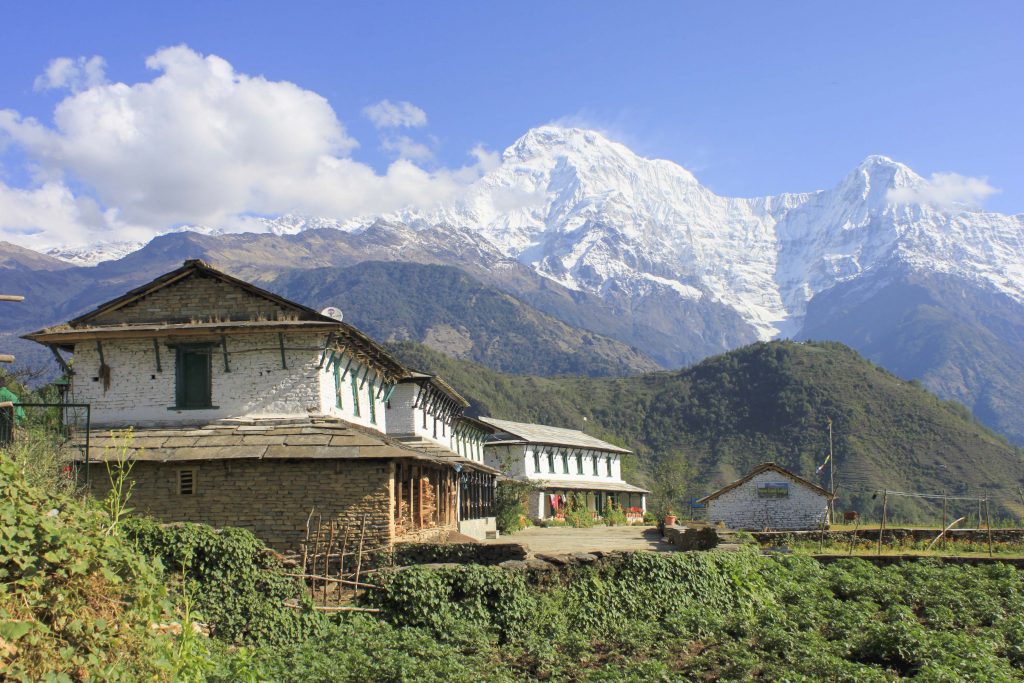
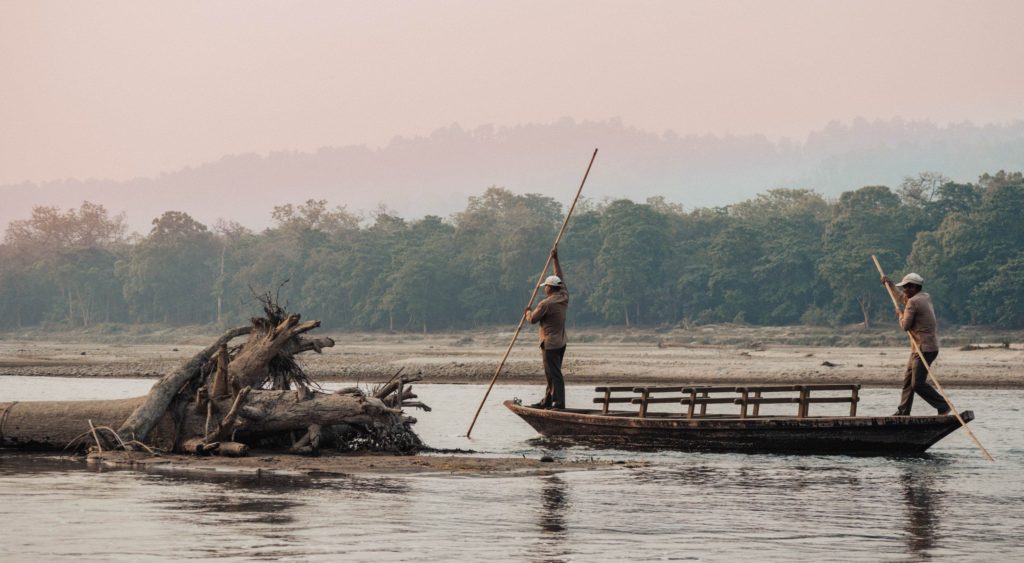
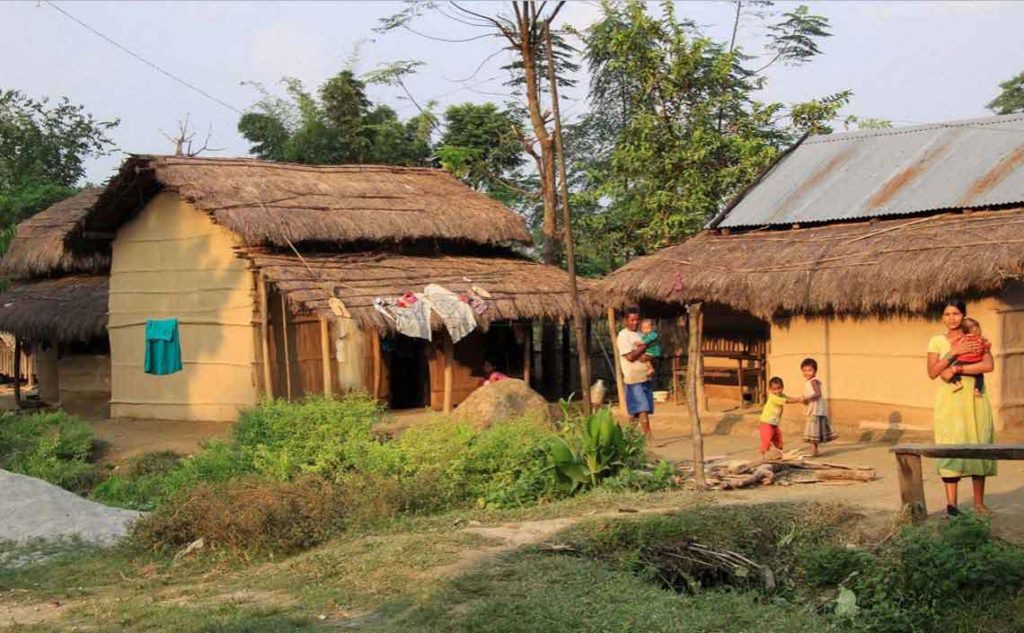
At HiOnLife Adventures, you don’t just see the Himalayas—you experience them. As you leave busy trails and enter remote valleys, daily life unfolds naturally around you. Stone houses, prayer walls, mani stones, and fluttering prayer flags tell stories that guidebooks cannot capture. Each step brings you closer to the rhythm of the mountains.
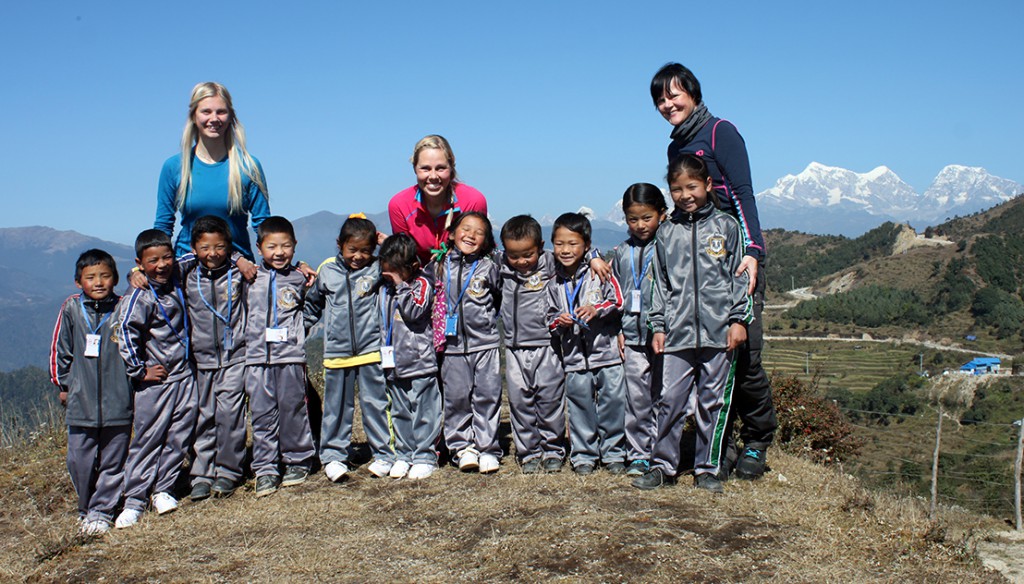
Along the trail, you meet villagers who still live their traditions. They greet you with warmth and curiosity. Children walk the same paths to school that you follow toward the mountains. Meanwhile, elders sit quietly outside their homes, observing the rhythm of the day. You notice how life flows gently, in harmony with the land.
Villagers work the fields by hand and care for their animals as part of daily life. You share simple, nourishing meals and enjoy moments like tea by the fire or laughter without words. Additionally, the steady pace of village life becomes a grounding presence, creating lasting memories you carry beyond the trek.
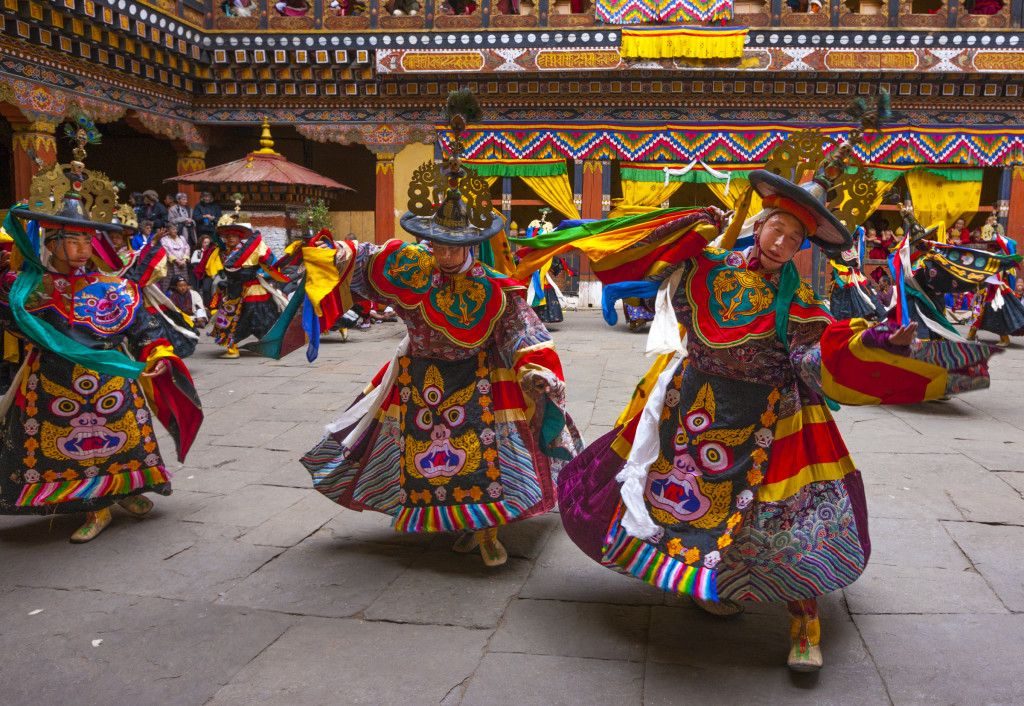
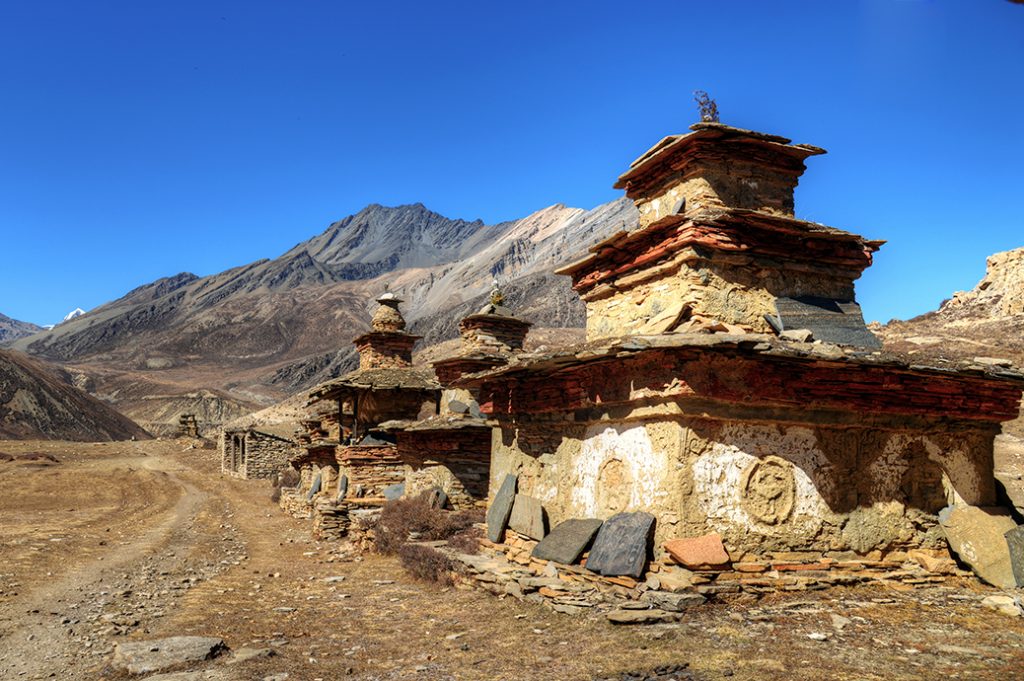
Spirituality shapes everyday life here. Small monasteries, chortens, and prayer wheels appear along the trail, inviting you to slow down, breathe, and walk with awareness. Villagers respect and protect the mountains as part of their beliefs, and their reverence inspires you to do the same.
Cultural discovery happens quietly on this journey. It does not ask you to observe from a distance. Instead, it invites you to walk alongside, listen closely, and leave with a deeper connection—to the land, the people, and yourself. Ultimately, these experiences stay with you long after the trek ends.