Bhutan
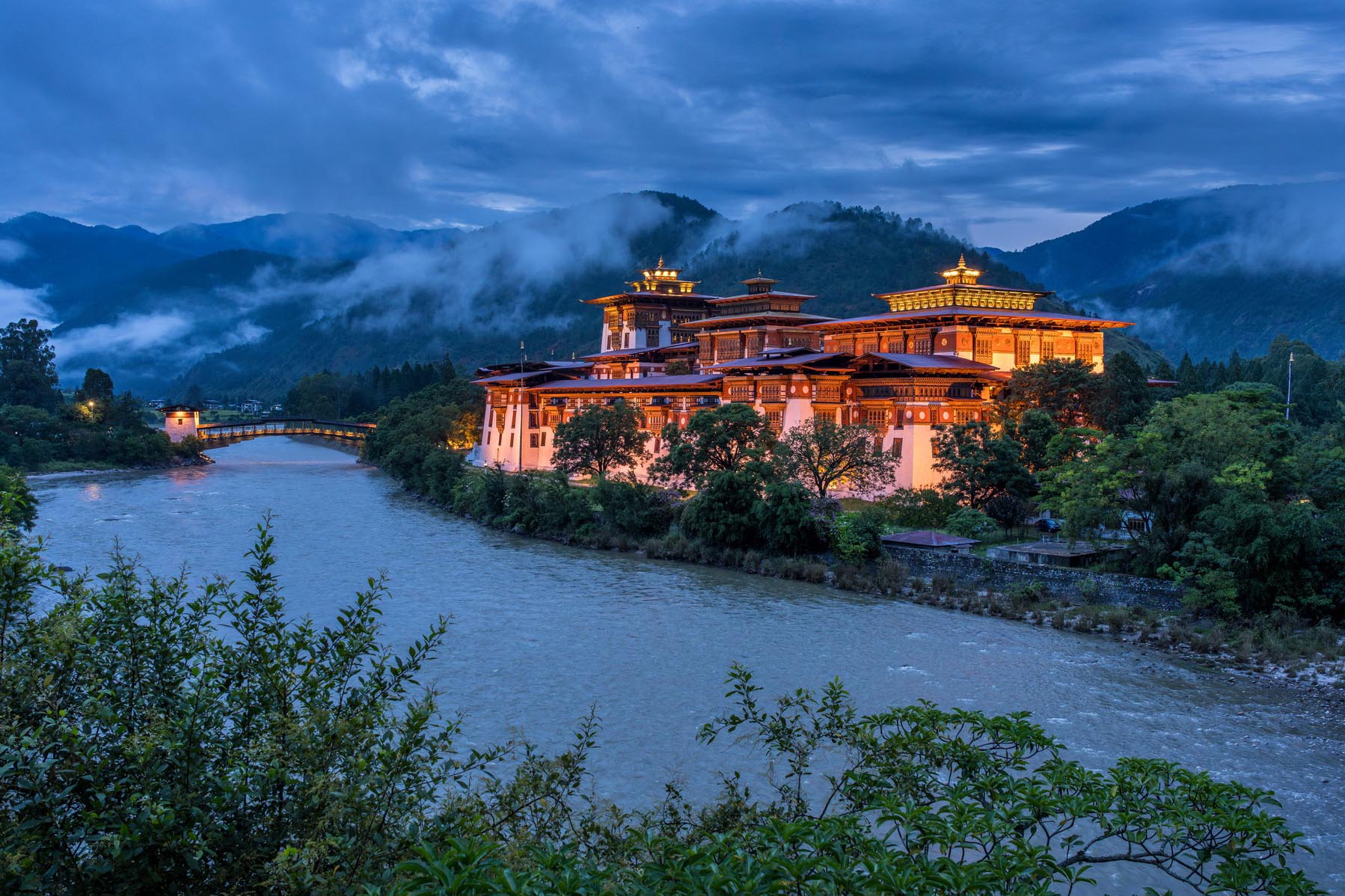
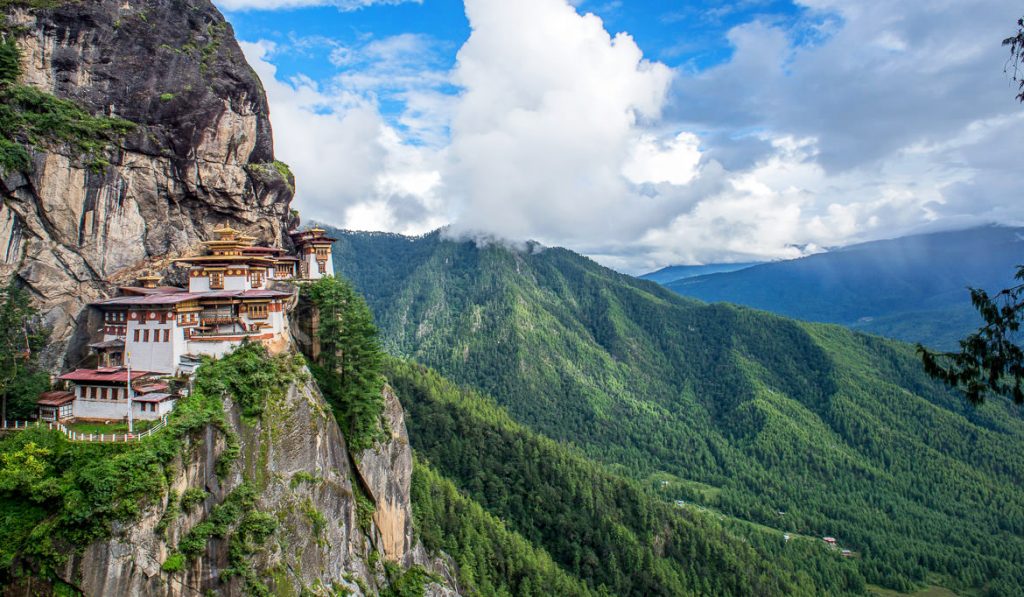
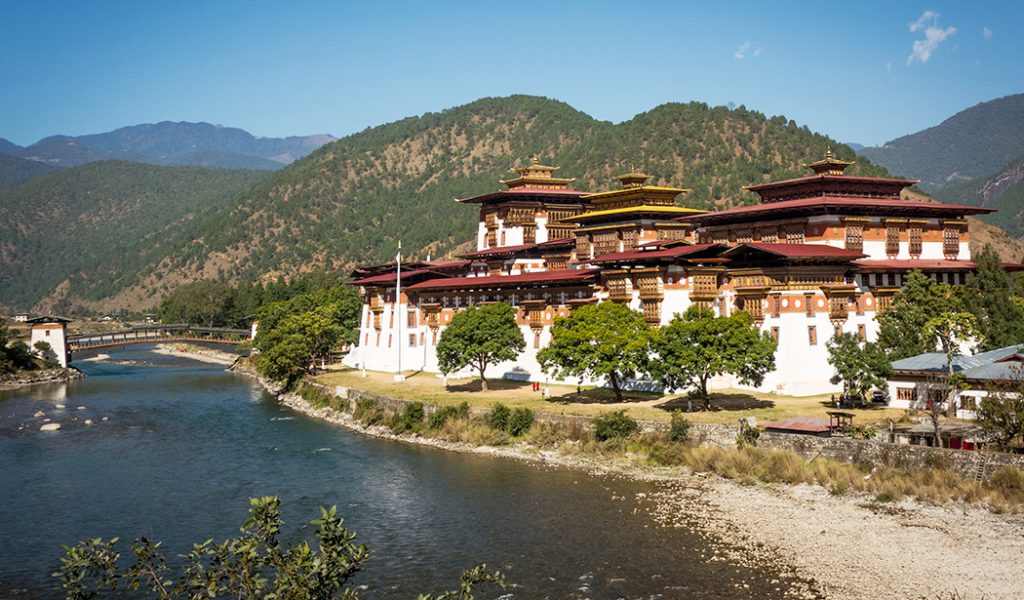
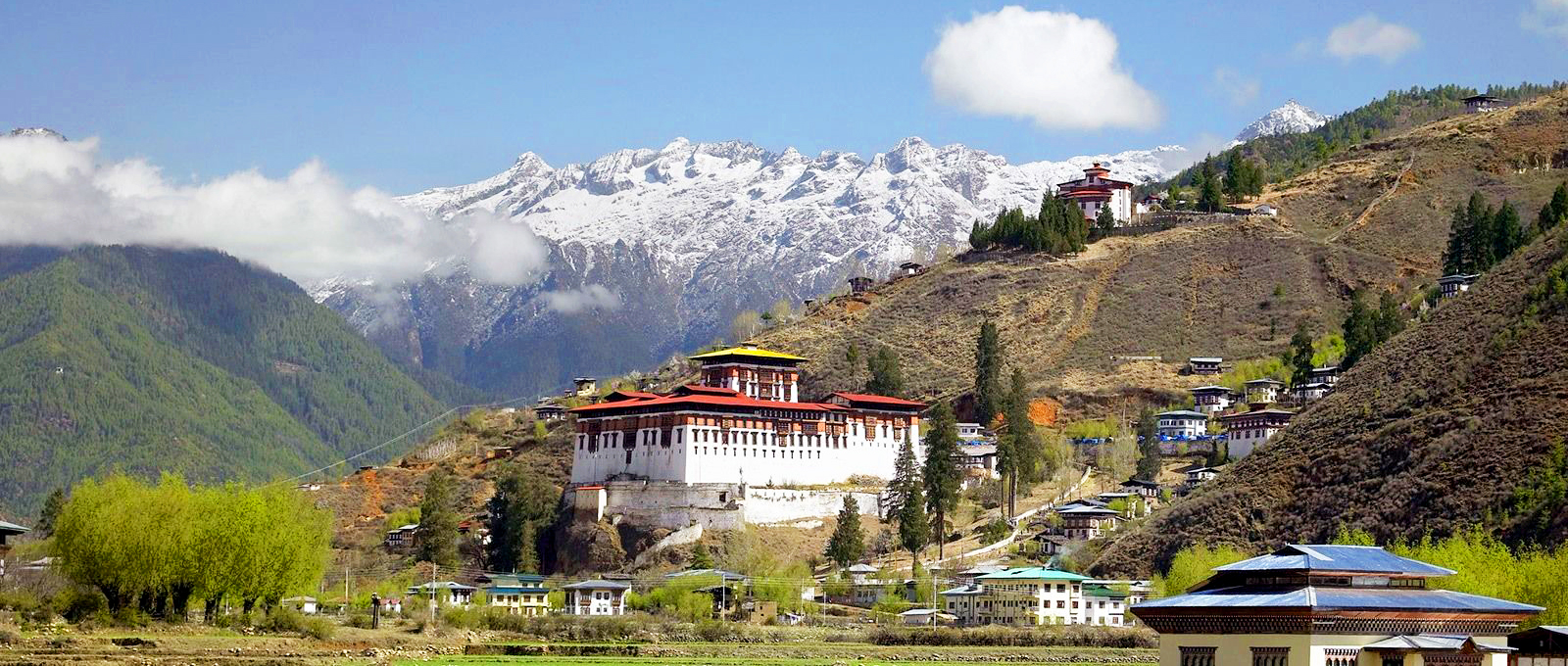
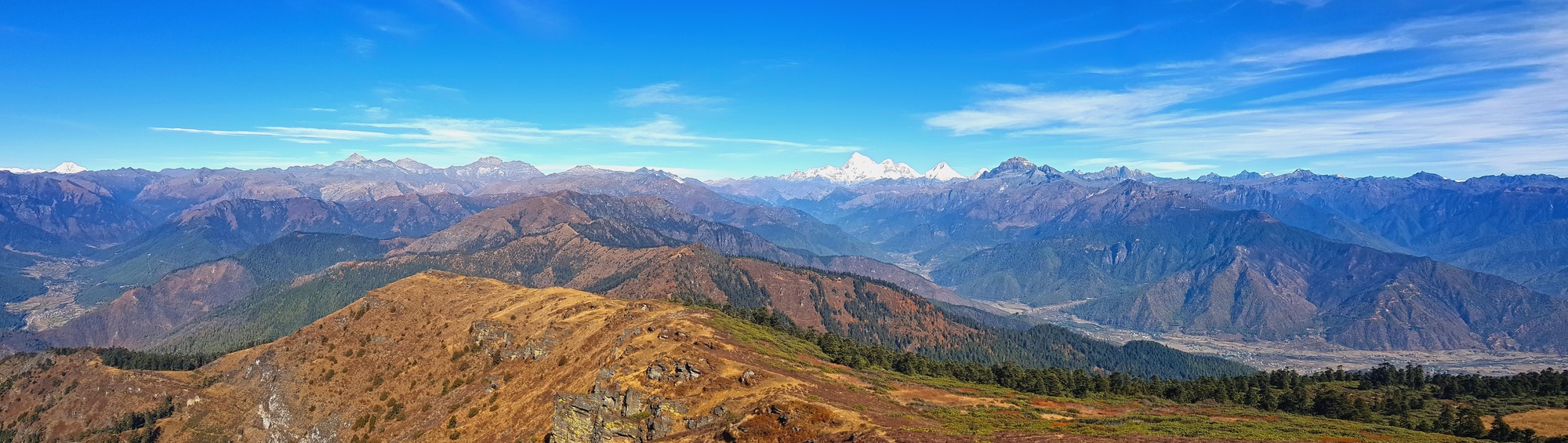
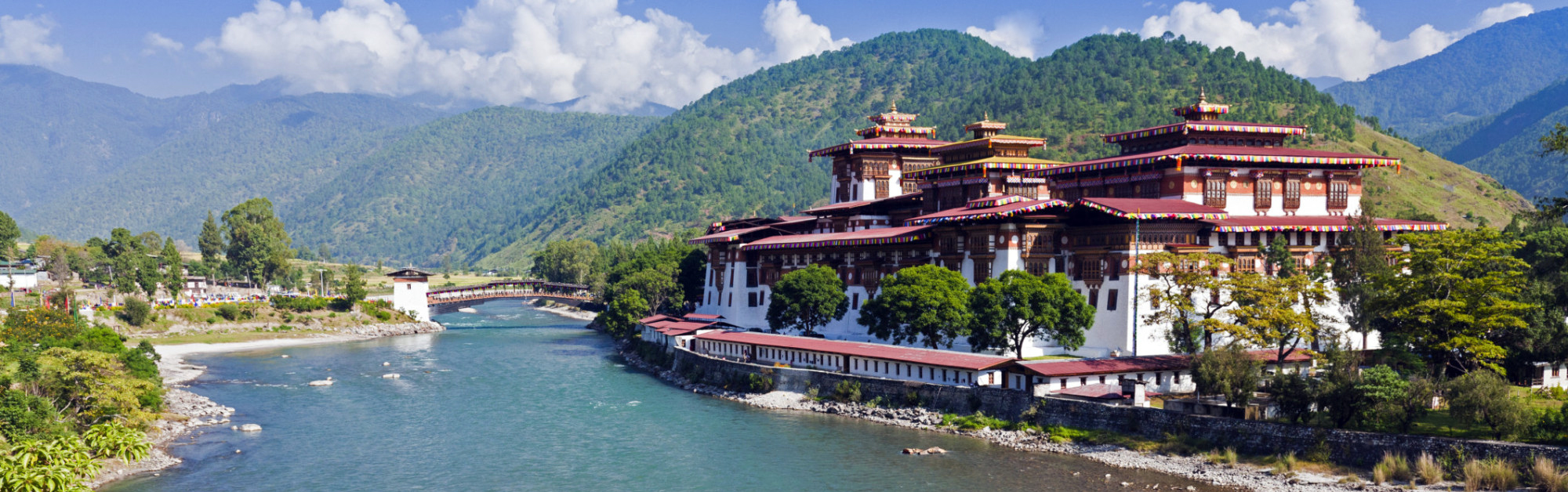
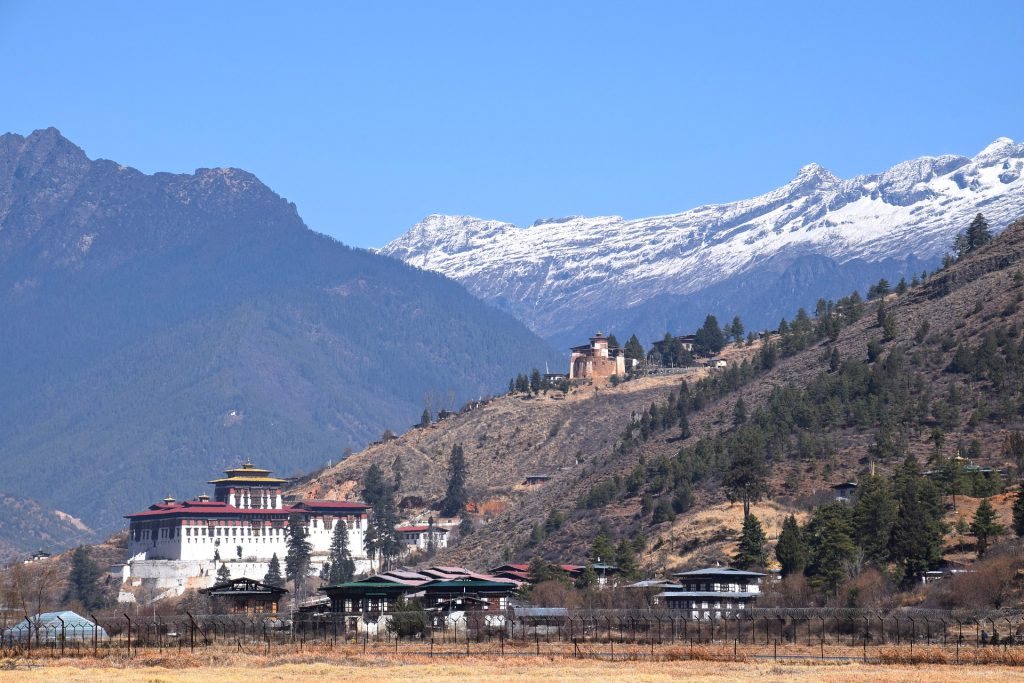
Bhutan is a landlocked country in South Asia. Located in the Eastern Himalayas, it is bordered by Tibet Autonomous Region of China in the north, India in the south, the Sikkim state of India and the Chumbi Valley of Tibet in the west, and Arunachal Pradesh state of India in the east and Assam in the south. Bhutan is geopolitically in South Asia and is the region’s second least populous nation after the Maldives. Thimphu is its capital and largest city, while Phuntsholing is its financial center.
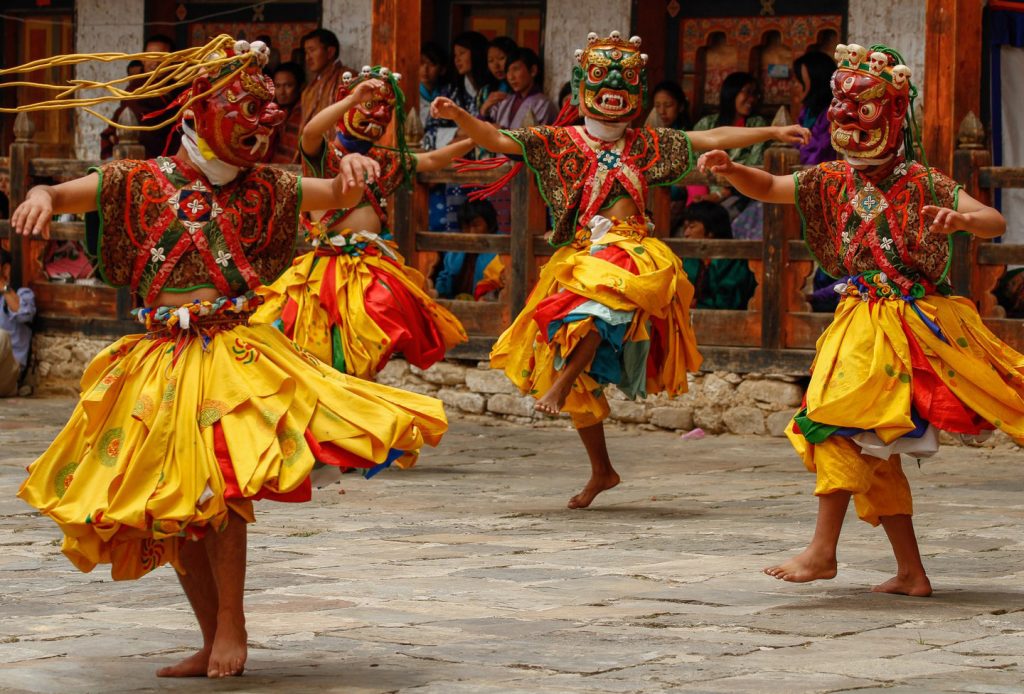
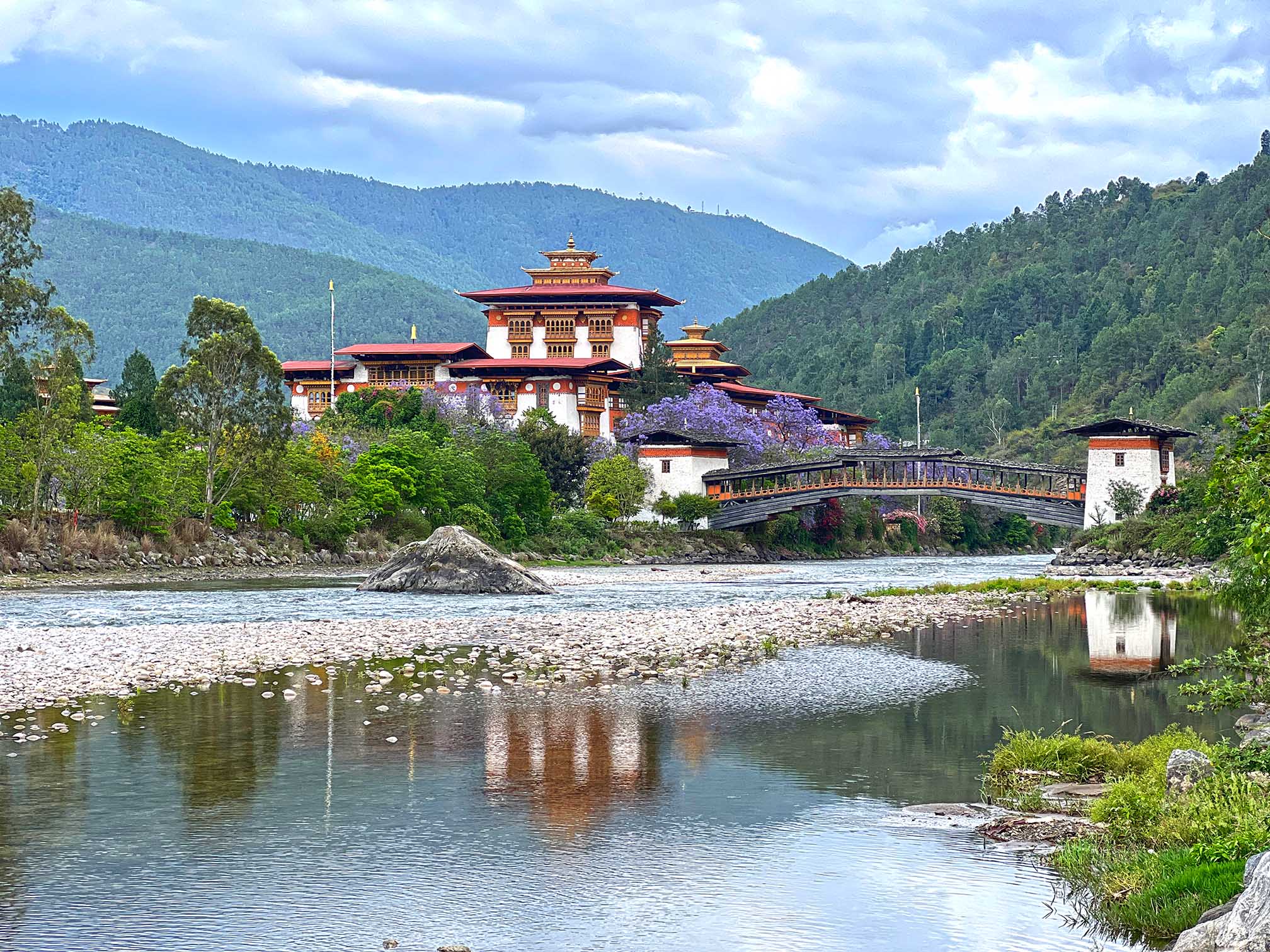
Bhutan has preserved its independence for centuries and never experienced colonization. The kingdom sits along the ancient Silk Road between Tibet, the Indian subcontinent, and Southeast Asia. Buddhism shaped Bhutan’s identity and guided its political and cultural life. A spiritual leader called the Zhabdrung Rinpoche once unified the territory and ruled it as a Buddhist theocracy.
In the 19th century, civil war divided the land into rival fiefdoms. The House of Wangchuck later reunited the country and founded the modern Bhutanese monarchy. Bhutan established diplomatic ties with the British Empire during this period. It later formed a close strategic partnership with India as Chinese communism rose in the region. Bhutan also maintains a disputed border with the People’s Republic of China.
In 2008, Bhutan transformed from an absolute monarchy into a constitutional monarchy. The nation held its first democratic election for the National Assembly. A two-party system now shapes Bhutanese democracy and governance.
Cultural Discovery – Walking Through Living Traditions
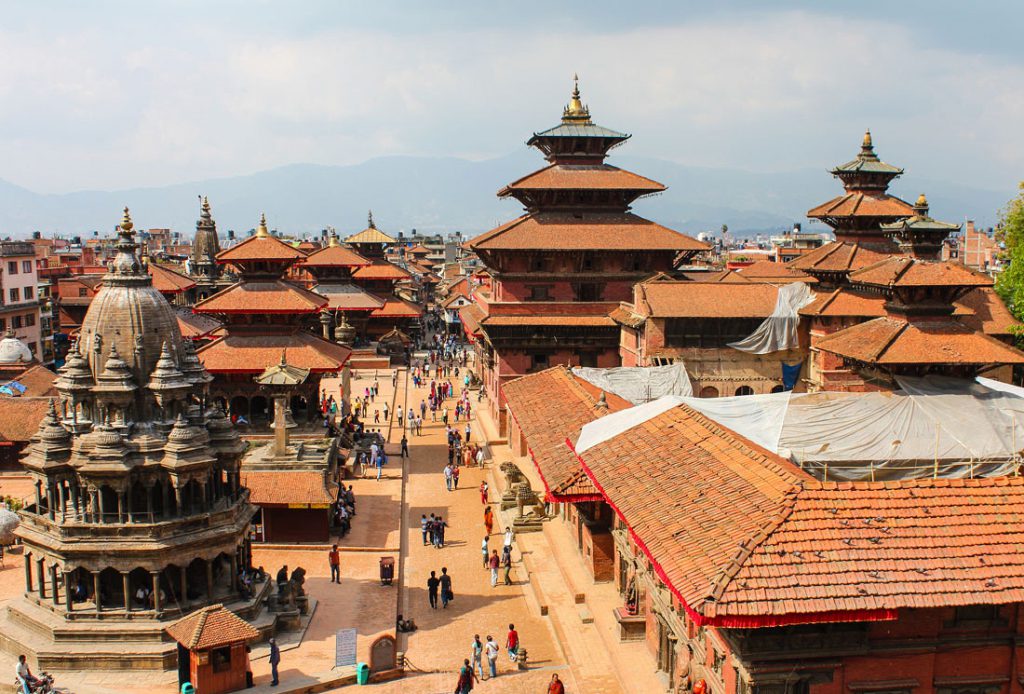
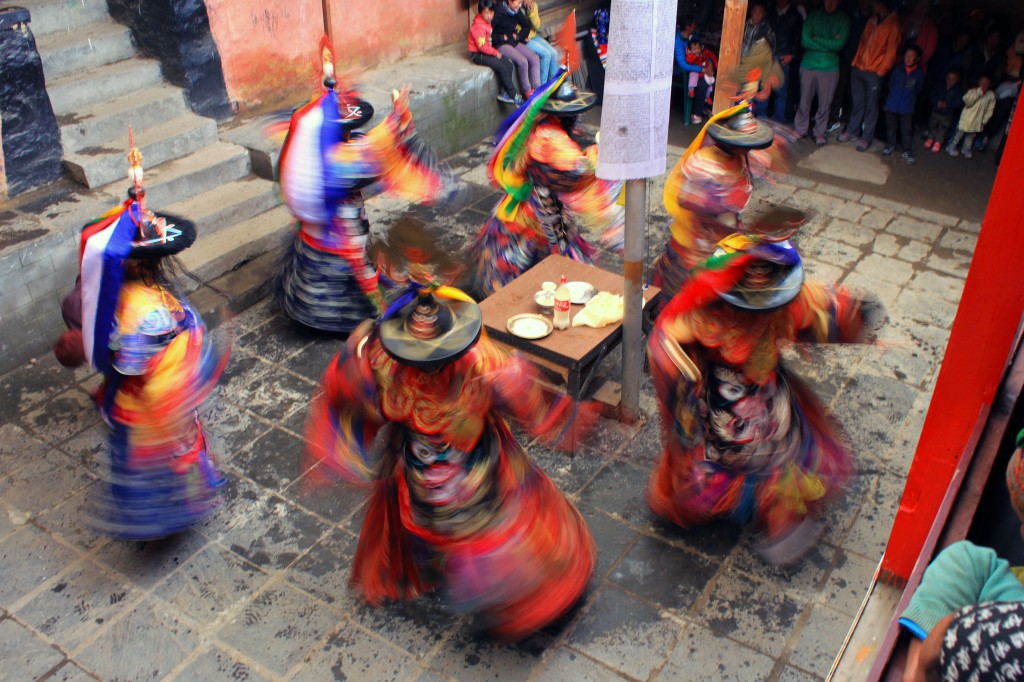
Our cultural tours are curated journeys offering a deep immersion into the living heritage of Nepal, Tibet, Bhutan, and India. From the spiritual heights of the Himalayas to the vibrant landscapes of the plains of India, we invite you to step beyond the lens of a tourist and into the heart of the home as a welcomed friend.
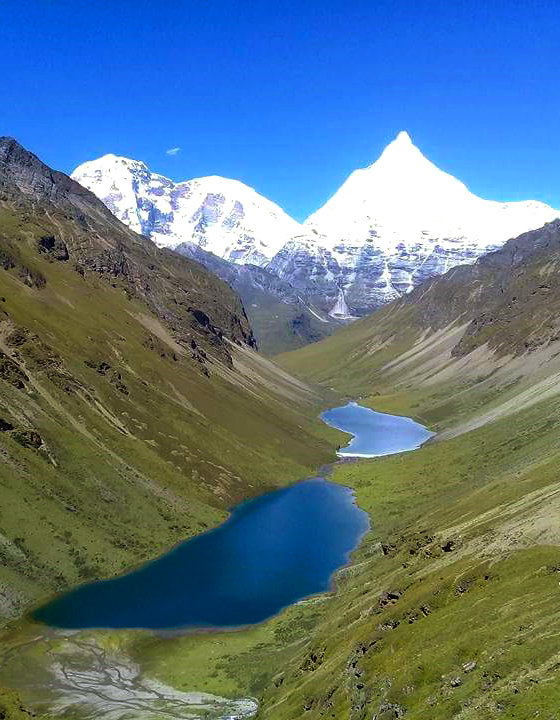
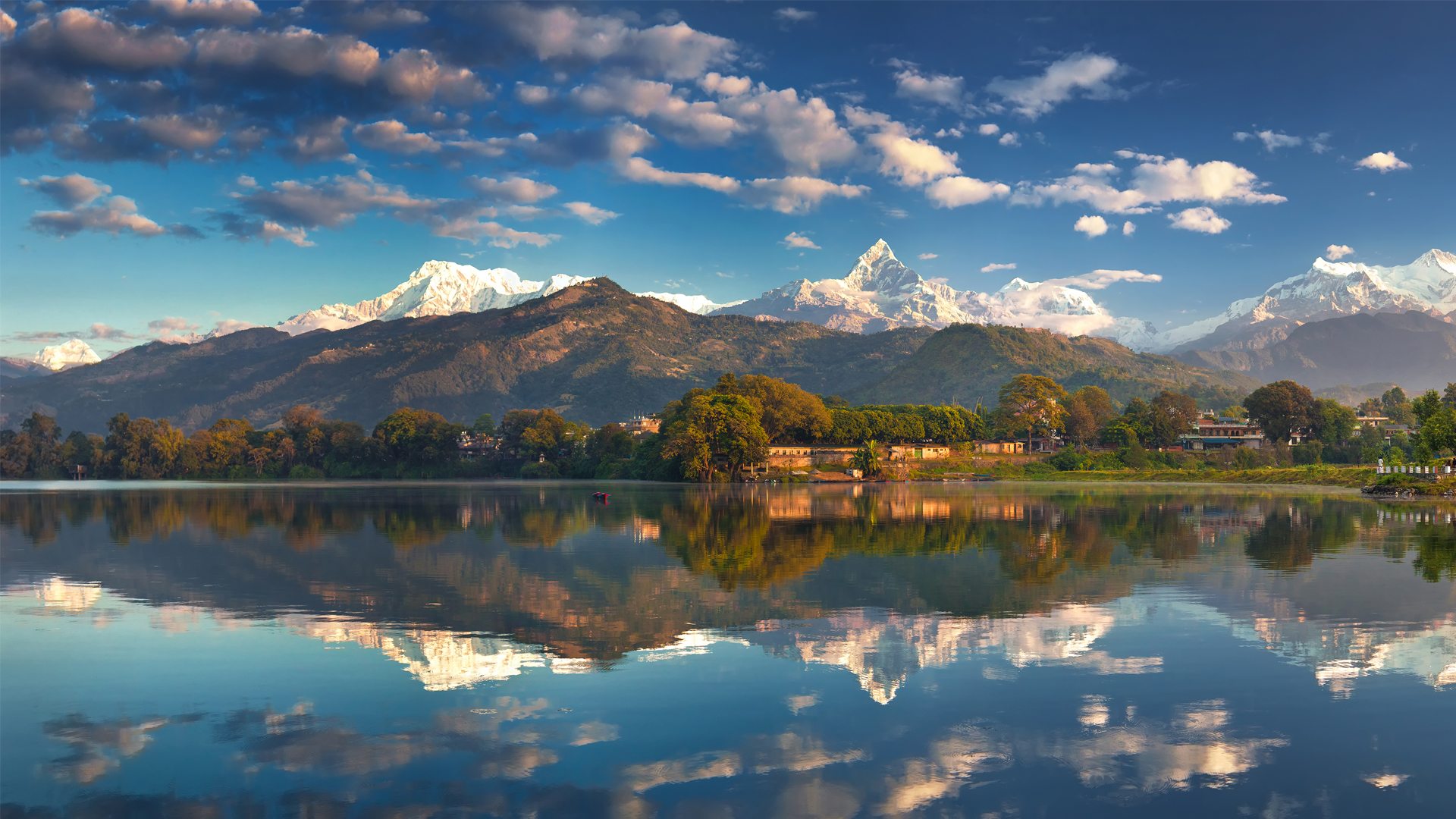
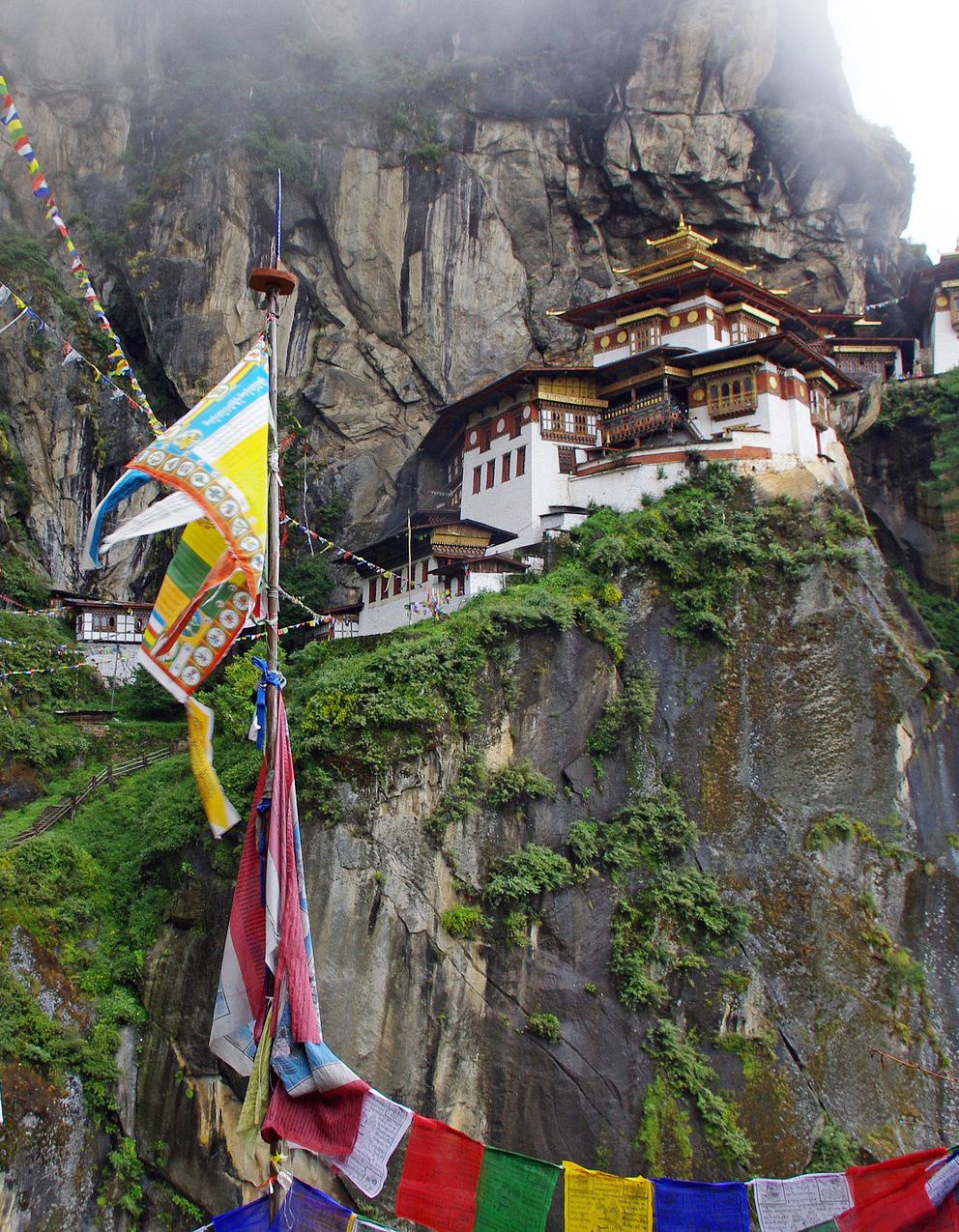
Explore the majestic heights of the Himalayas on our curated tours. Wander through the hidden valleys of Nepal. Visit the sacred and timeless monasteries of Tibet. Discover the pristine beauty of Bhutan, the Land of the Thunder Dragon. In India, we shift the lens to the majestic forts and desert colors of Rajasthan, the timeless spiritual energy of Varanasi, and the coastal serenity of South India. Each journey is designed for comfort and deep discovery.




Yoga Treks/Retreats
The Himalaya has a quiet way of slowing you down. The mountains don’t rush, the trails unfold gently, and life moves at a more natural rhythm. Yoga treks and retreats in the Himalaya grow from this simplicity—where walking, breathing, and awareness naturally come together.
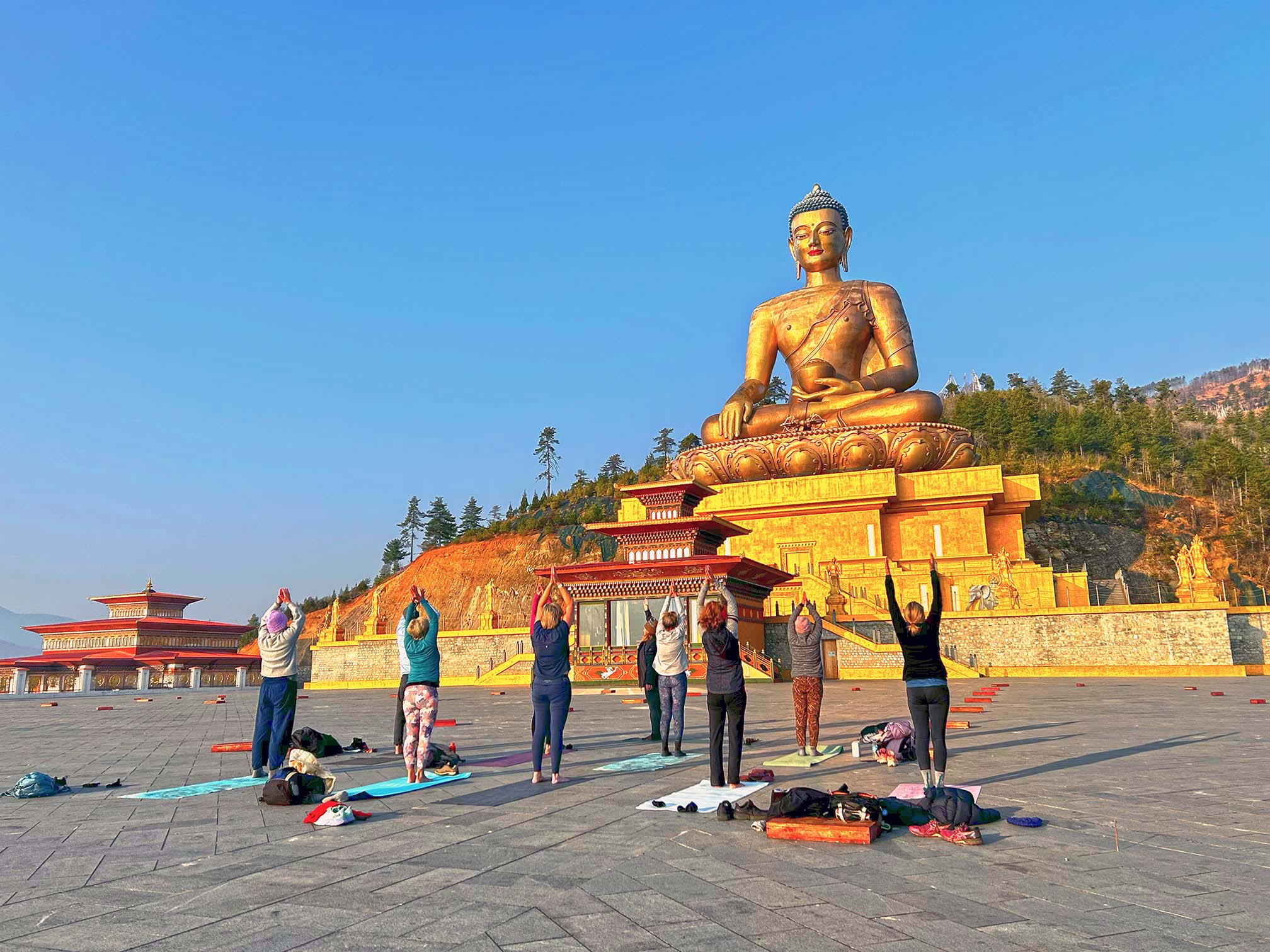
Here, yoga is not something you do. It is something you live. Morning practice begins as light touches the Himalayan peaks. The day continues with mindful walking through forests, villages, and ancient paths. Evenings settle into stillness, reflection, and rest.
Whether you join a gentle yoga trek in Nepal, or choose a peaceful yoga retreat in Bhutan and Tibet, the experience invites you to reconnect—with your body, your breath, and the quiet voice within.
You don’t need to be flexible.
You don’t need trekking experience.
You only need a willingness to slow down.